
3 min walk · Stari Grad
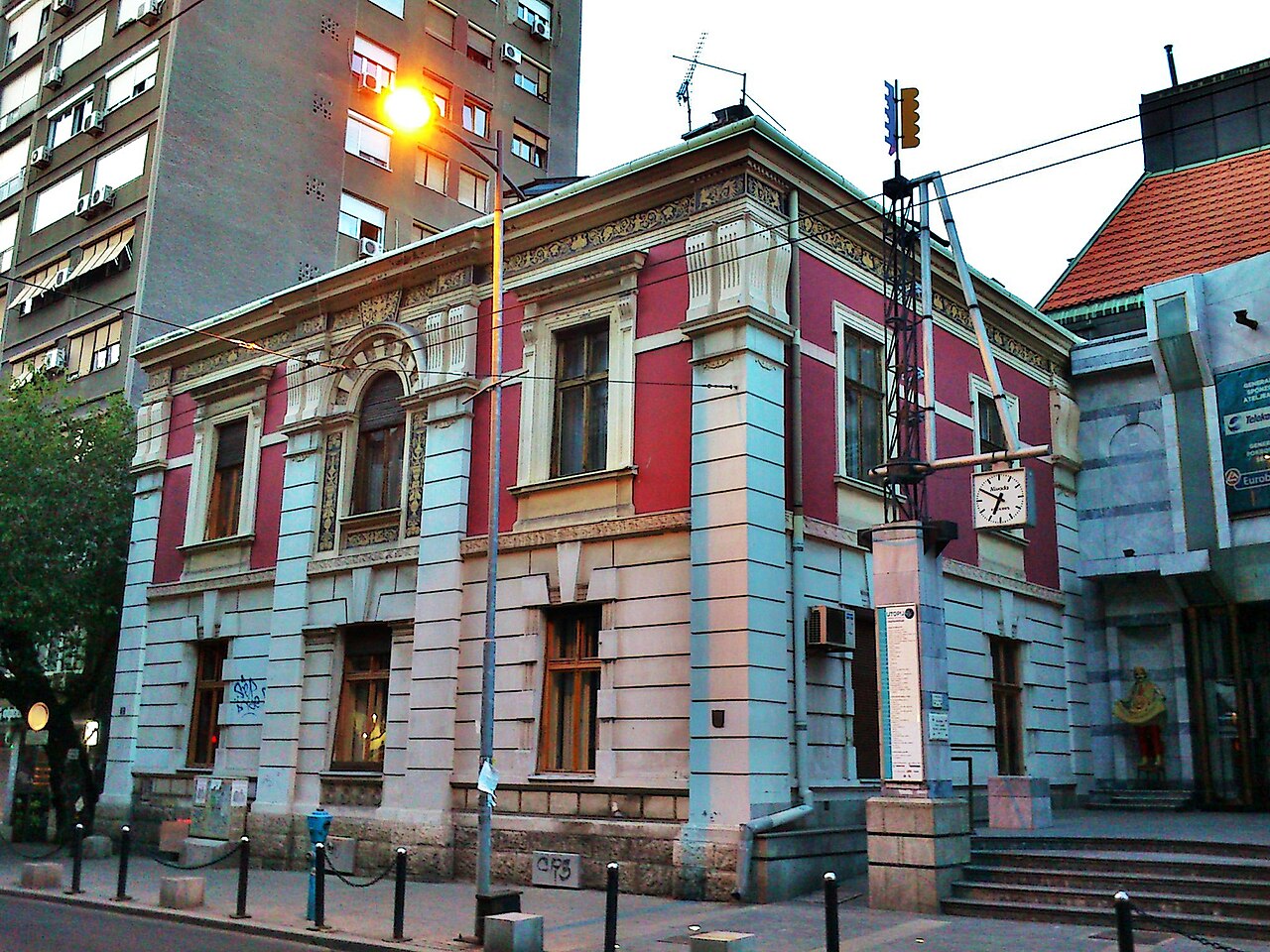
Jevrem Grujić's House
- Must see · Heritage site
- Museum
Language · 11 published
Museum · Stari Grad, Belgrade
ПТТ музеј
Reviewed by Elena Voss · Roavina Travel Editor
| Monday | Closed |
|---|---|
| Tuesday | 10:00 – 18:00 |
| Wednesday | 10:00 – 18:00 |
| Thursday | 10:00 – 18:00 |
| Friday | 12:00 – 20:00 |
| Saturday | 12:00 – 20:00 |
| Sunday | 10:00 – 18:00 |
Checked 2026-09-02 · Source
Read from the OpenStreetMap access tags; anything not listed has no tag recorded.
Set the group type to family in the planner and the day window contracts to about three quarters of a solo day.
This place is a Museum. It was established in 1923.
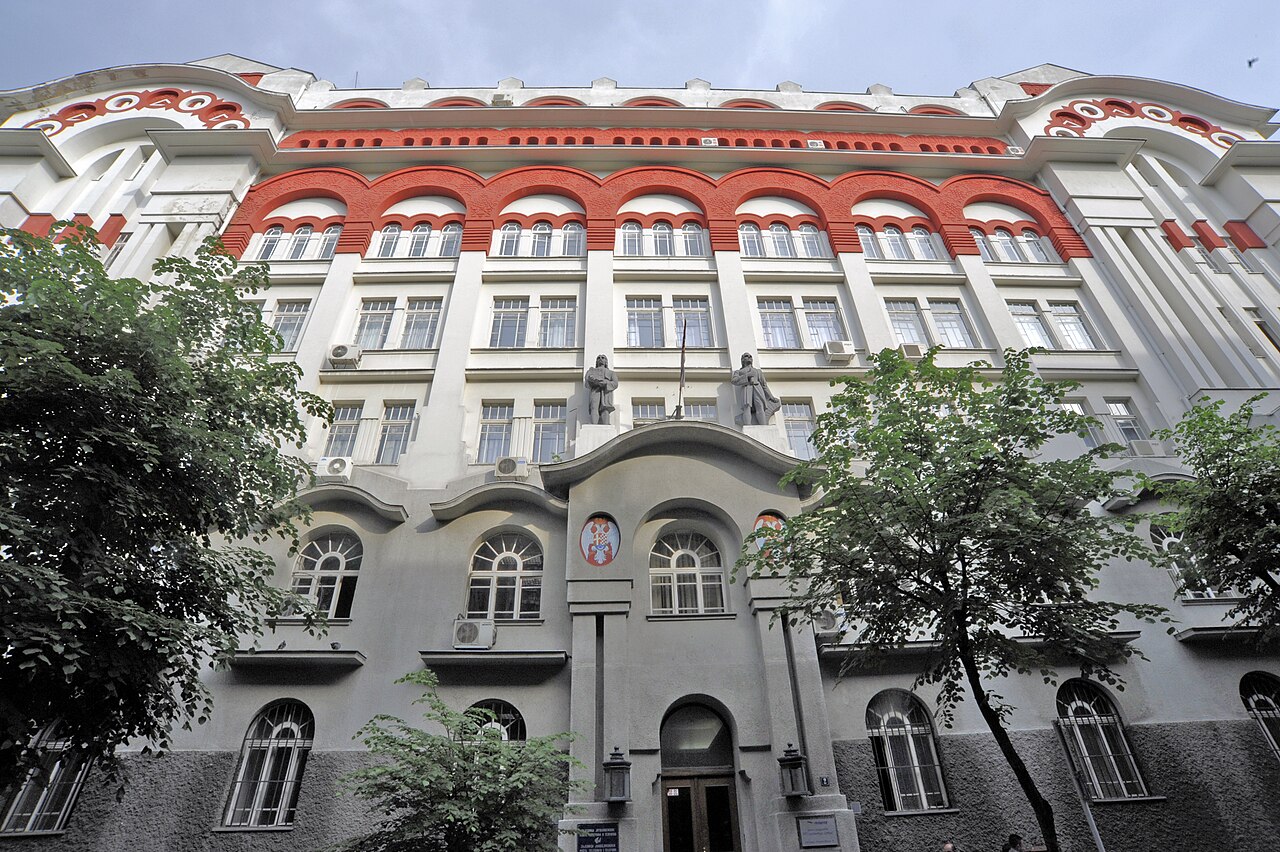
Belgrade Post Museum presents Serbia’s postal, telegraph and telephone heritage through historical equipment, documents and postal artefacts. The museum occupies the ground floor of the First Telephone Exchange building at Majke Jevrosime 13, at the corner of Palmotićeva Street. The building was constructed in 1908 in Serbian-Byzantine style, giving the collection a particularly appropriate setting. The Postal-Telegraph-Telephone Museum officially opened on 31 July 1923, although organised collecting of postal artefacts began in 1887. This is a focused specialist museum rather than a large general-history institution, so the visit works well as a compact cultural stop in central Belgrade.
Checked 2026-09-02 · Source
The displays trace how communication developed through postal services, telegraphy and telephony. The most distinctive object is Serbia’s first Morse telegraph, introduced in 1855, which gives the early communications story a concrete focal point. The museum also highlights the telephone used by King Peter I from 1904 to 1911. Visitors can expect historical instruments and postal material that explain how messages, mail and calls were handled before contemporary communications. The ground-floor setting keeps the route concentrated and manageable. Look closely at the construction, controls and fittings of the instruments, then connect those details to the wider institutional history of Serbia’s postal and telecommunications services.
Checked 2026-09-02 · Source
Allow approximately 45 to 75 minutes for a first visit to Belgrade Post Museum. That is enough time to follow the main historical sequence, pause at Serbia’s first Morse telegraph from 1855, and examine the telephone associated with King Peter I. Visitors who enjoy historic technology, postal history or instrument design may prefer to stay longer for detailed reading and close observation. The museum is compact and arranged on one ground-floor level, so it does not require the time or stamina of a large multi-floor collection. It fits naturally between other central Belgrade sights, especially when you want a quieter specialist stop rather than another expansive attraction.
Checked 2026-09-02 · Source
Belgrade Post Museum is open Tuesday, Wednesday and Friday from 10:00 to 18:00. Thursday and Saturday use the later schedule of 12:00 to 20:00, while Sunday is open from 10:00 to 18:00. The museum is closed on Monday. Thursday and Saturday evenings are useful if you are spending the afternoon around central Belgrade and want to add a museum after lunch. For the most straightforward reading experience, arrive close to opening on a Tuesday, Wednesday or Friday. Sunday morning also follows the earlier timetable, but Monday should be excluded from any museum itinerary.
Checked 2026-09-02 · Source
Admission to Belgrade Post Museum is free according to the operator’s published visitor information. There is therefore no ordinary per-person ticket cost to add to your Belgrade budget, making the museum an easy companion to paid attractions elsewhere in the city. Free entry does not mean the opening schedule is flexible: Monday remains the weekly closing day, and Thursday and Saturday begin at 12:00 rather than 10:00. Plan around the published timetable, particularly if the museum is one stop in a tightly sequenced day. The collection’s specialist subject also makes it a useful no-cost option when you want a shorter indoor visit.
Checked 2026-09-02 · Source
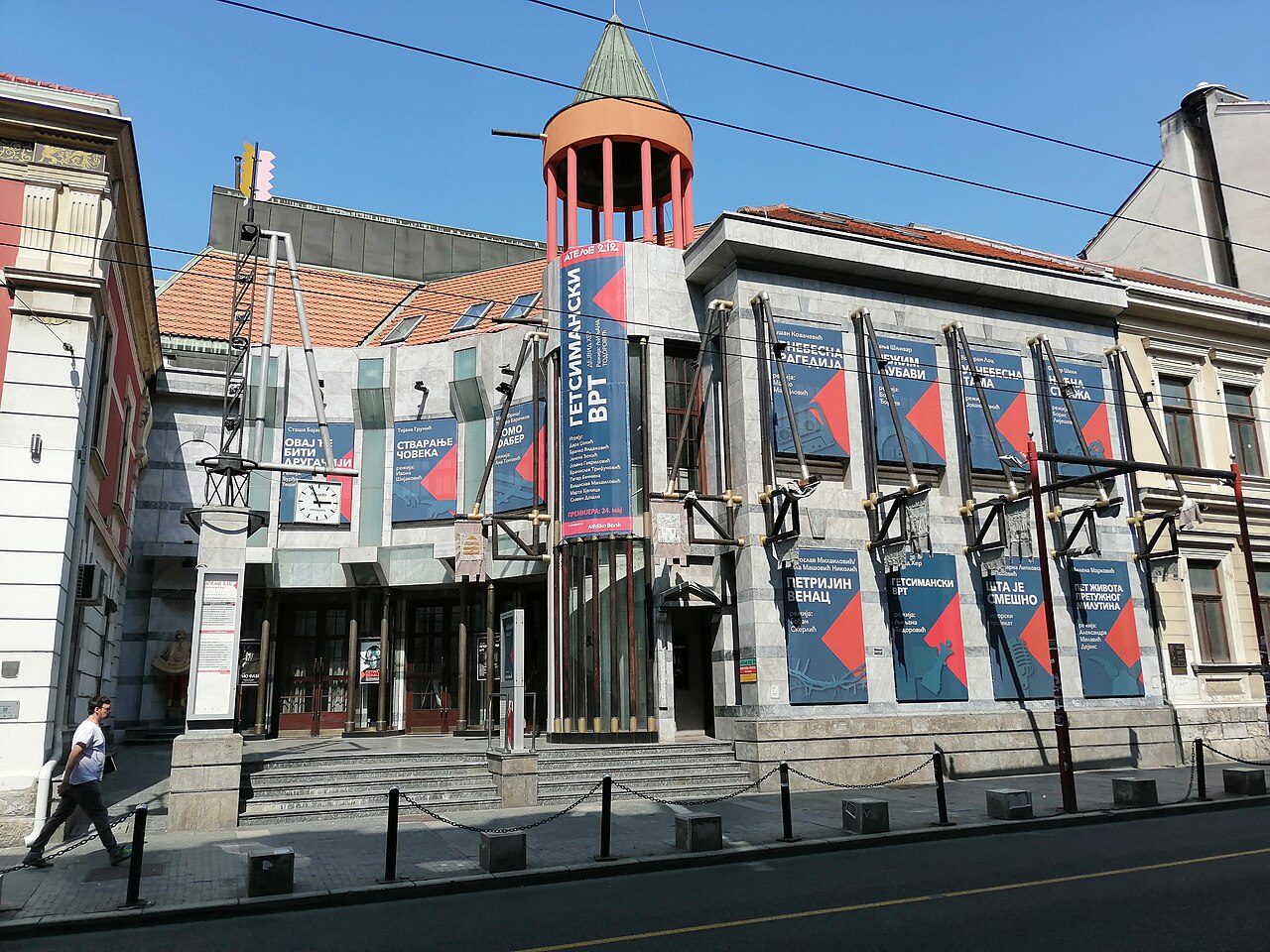
The museum is located at Majke Jevrosime 13, on the corner of Palmotićeva Street. Named city-transport lines serving the area include 2, 5, 10, 23, 24, 26, 27, 37, 40, 41, 44, 58 and 79, giving visitors multiple public-transport connections to consider. The museum does not have private parking. Drivers can use the nearest underground parking reported near the Belgrade Parliament, then continue separately to the museum on foot. Because the address is in central Belgrade, check the final walking approach from your stop rather than assuming that parking is directly beside the entrance.
Checked 2026-09-02 · Source
A ground-floor location should therefore not be treated as confirmation of step-free access or an accessible entrance. Visitors with access requirements should contact the operator before travelling and confirm the current arrangement. The other practical traps are easier to avoid: Monday is closed, and Thursday and Saturday open at 12:00. If you are building a central Belgrade museum route, also allow time for the walk from parking, since the museum has no private parking of its own.
Checked 2026-09-02 · Source
The clearest subjects for photographs are the museum’s historic communication instruments, especially Serbia’s first Morse telegraph introduced in 1855 and the telephone used by King Peter I from 1904 to 1911. Start with close details of switches, fittings and craftsmanship, then make wider images that show the objects in relation to the postal, telegraph and telephone displays. The First Telephone Exchange building also supplies important visual context. Avoid treating the instruments as isolated curiosities: their arrangement explains how communication systems changed.
Checked 2026-09-02 · Source
Belgrade Post Museum is at Majke Jevrosime 13, at the corner of Palmotićeva Street in Belgrade.
The museum occupies the ground floor of the First Telephone Exchange building, constructed in 1908 in Serbian-Byzantine style.
The Postal-Telegraph-Telephone Museum officially opened on 31 July 1923.
Organised collecting of postal artefacts for the museum began in 1887.
The collection includes Serbia’s first Morse telegraph, introduced in 1855.
The museum highlights the telephone used by King Peter I from 1904 to 1911.
Loading the interactive map…
The interactive map could not be loaded.
Last updated:
Source: OpenStreetMap contributors, Wikidata ·