
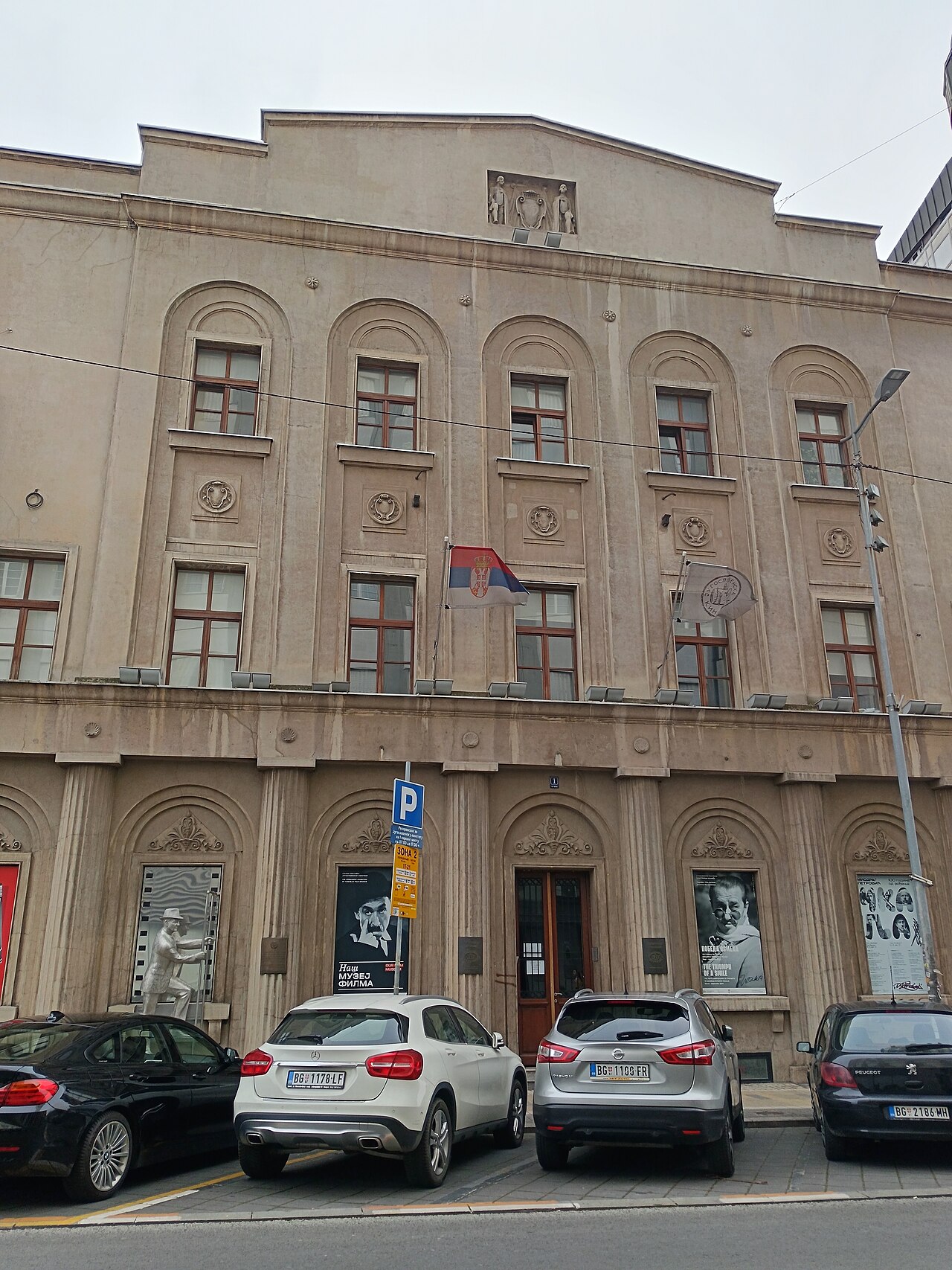
1 min walk · Stari Grad
Yugoslav Film Archive
- Must see
- Entertainment venue
Language · 11 published
Museum · Stari Grad, Belgrade
Етнографски музеј
Reviewed by Elena Voss · Roavina Travel Editor
| Monday | 10:00 – 20:00 |
|---|---|
| Tuesday | 10:00 – 20:00 |
| Wednesday | Closed |
| Thursday | 10:00 – 20:00 |
| Friday | 10:00 – 20:00 |
| Saturday | 10:00 – 20:00 |
| Sunday | 10:00 – 20:00 |
Checked 2026-08-31 · Source
Read from the OpenStreetMap access tags; anything not listed has no tag recorded.
Set the group type to family in the planner and the day window contracts to about three quarters of a solo day.
This place is a Museum. It opened in 1901. It carries the Monument of Culture heritage designation.
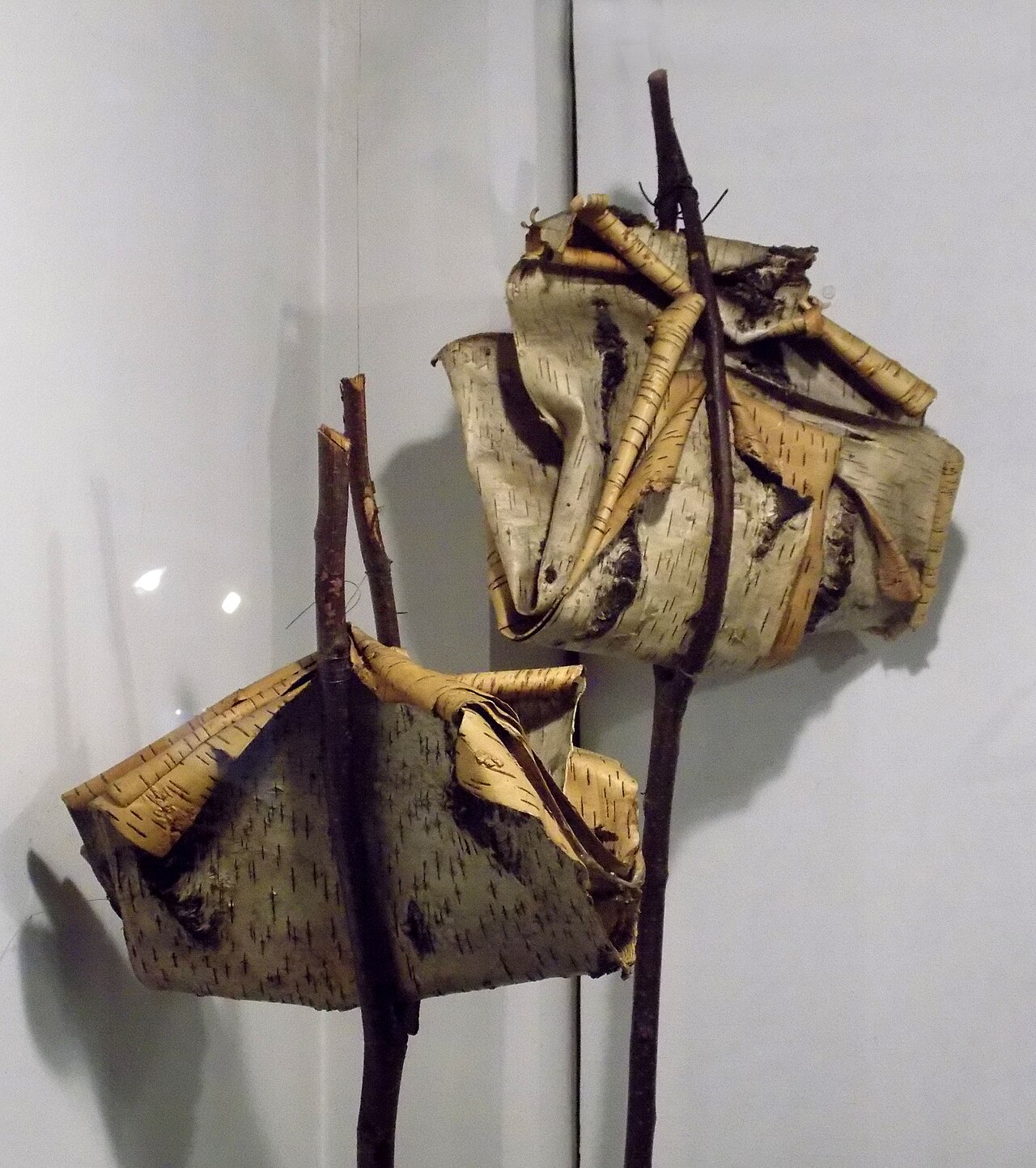
Belgrade’s Ethnographic Museum is a focused introduction to everyday culture in Serbia and the wider South Slavic world. Its permanent exhibition, “Folk Culture of the Serbs in the 19th and 20th Century,” follows how people lived through homes, clothing, customs, food and traditional work. Founded in 1901 and opened as a museum in 1904, it occupies a historic building at Studentski trg 13. The setting in the old city centre makes it easy to combine with a walk through Knez Mihailova, yet the displays reward a slower visit: objects are presented as evidence of lived routines, regional identity and practical skills, not simply as decorative antiques.
Checked 2026-09-02 · Source
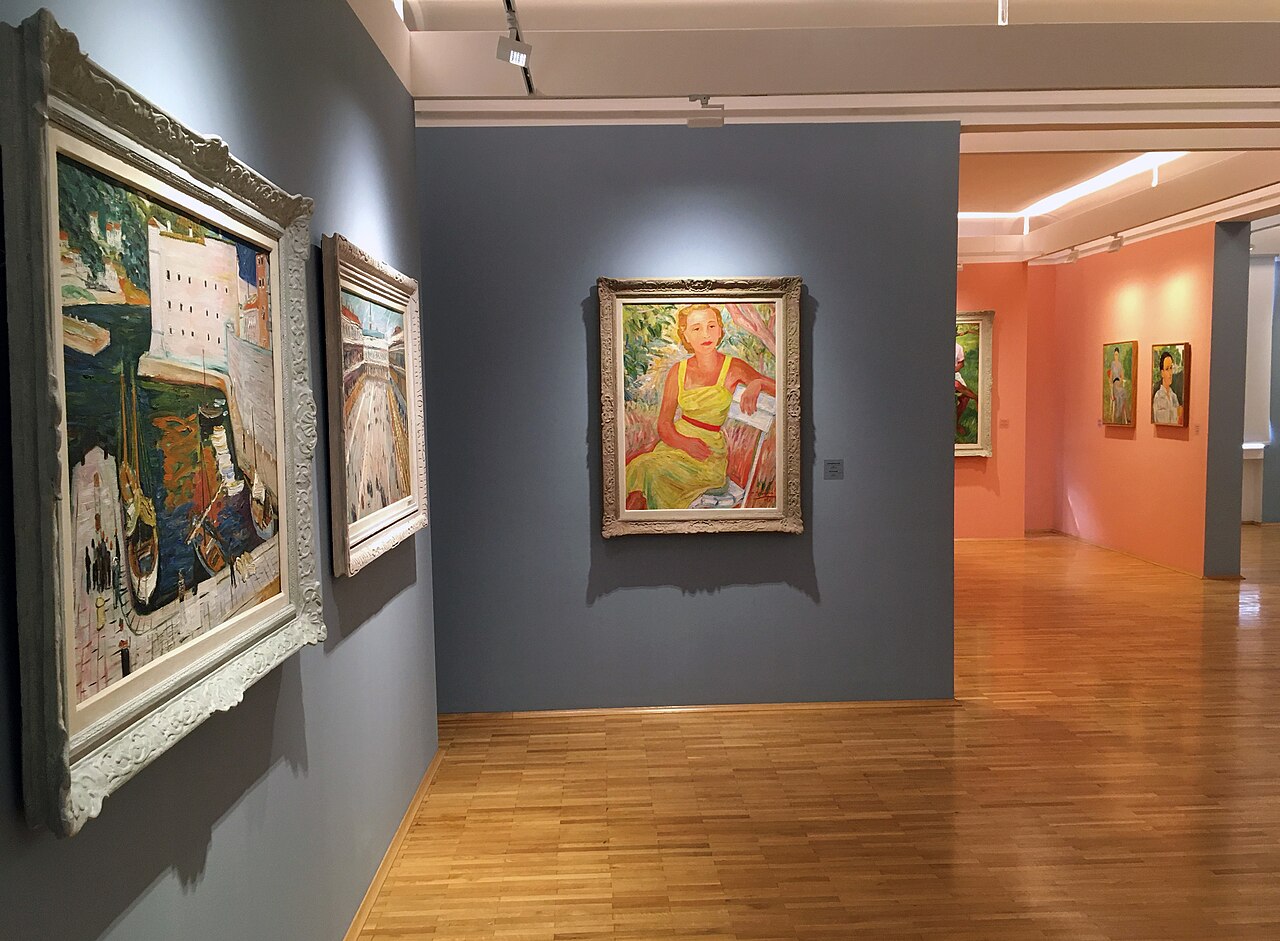
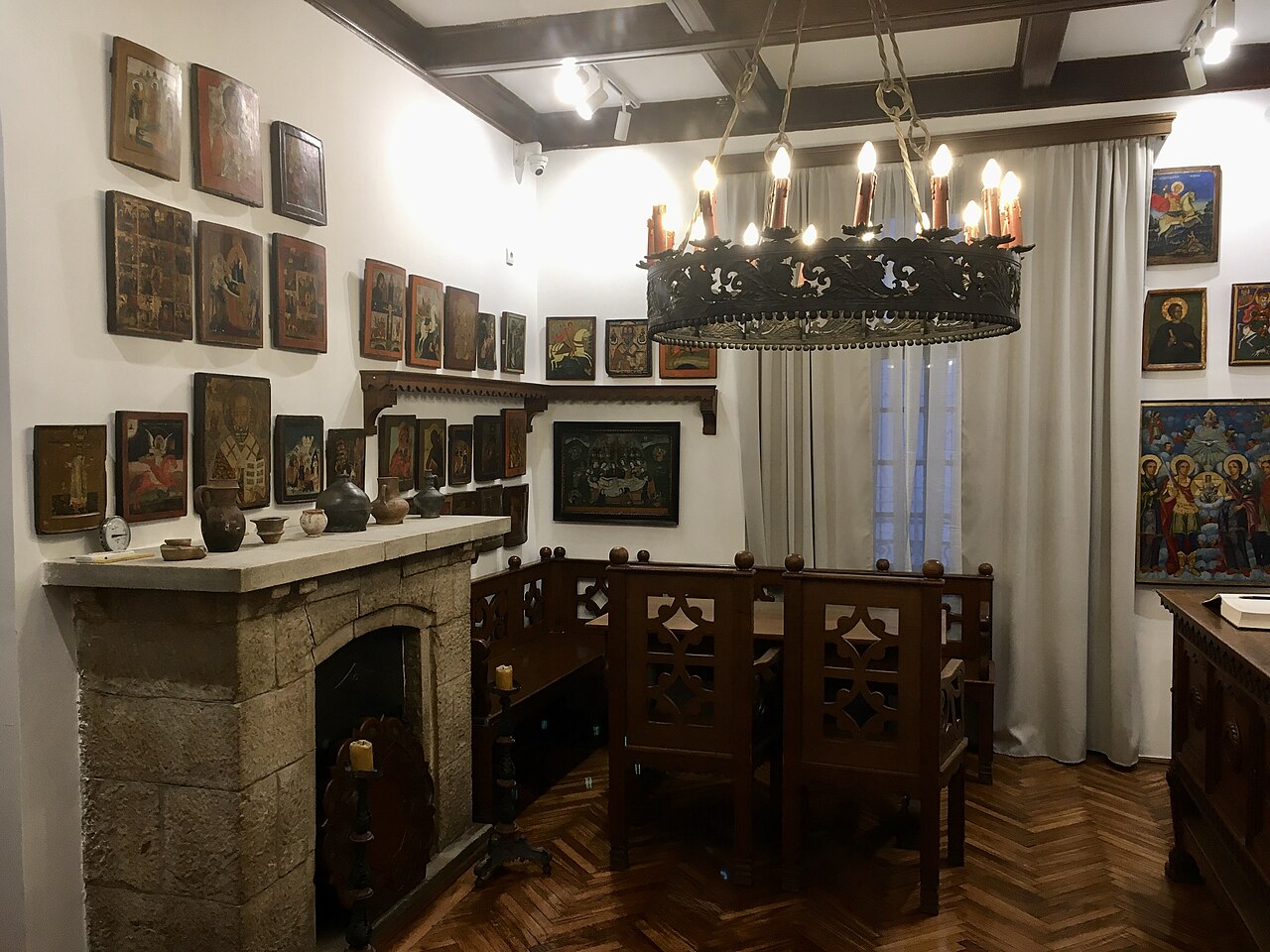
The permanent exhibition compares folk culture across four broad regions: Pannonian, Dinaric, Central Balkan and Coastal. Look for the connections between housing, dress, household life, customs, food and livelihoods, because the collection makes most sense when these subjects are read together. The museum reports more than 120,000 museum items, including approximately 50,000 ethnographic objects. Displays include traditional costumes, jewellery, furniture, craft tools and other material traces of domestic and working life. Temporary exhibitions add changing subjects, so the building can offer a different emphasis from one visit to the next while the permanent galleries provide the stable framework.
Checked 2026-09-02 · Source
Allow around 60 to 90 minutes for a first visit to the permanent exhibition. That gives enough time to understand the regional structure, compare several types of clothing and household objects, and pause at displays that connect artefacts with customs or traditional work. A faster walk-through is possible if you are using the museum as part of a central Belgrade day, but rushing makes the regional contrasts harder to notice. If you book an interpreted visit, the museum lists a 45-minute interpretation, either as an overview of the whole exhibition or as a subject-based focus such as housing or customs.
Checked 2026-09-02 · Source
The recorded operator schedule is 10:00–20:00 on Monday, Tuesday, Thursday, Friday, Saturday and Sunday; Wednesday is closed. For a calmer experience, arrive earlier on an open day, when you can spend longer with the costume and domestic-life displays before the pedestrian centre becomes busier. Monday is especially useful for visitors seeking the permanent exhibition’s free-admission day. Check the museum’s own temporary-exhibition listings if a particular show matters to your plans, since those programmes change. A morning visit also leaves time afterwards for Republic Square, Knez Mihailova or Kalemegdan.
Checked 2026-09-02 · Source
The operator lists general adult admission at RSD 600. The permanent exhibition is free on Mondays, so Monday is the clearest budget-friendly option when that exhibition is your main purpose. The museum’s visitor information also states that visitors with disabilities and one companion receive free admission. Because the recorded admission row covers a person rather than a vehicle, plan for a per-person charge and consult the museum’s own visit information if you need details for another ticket category or a temporary exhibition. The official visit page is the controlling source for the recorded price.
Checked 2026-09-02 · Source
The museum is at Studentski trg 13, in Belgrade’s pedestrian-centre area and within an easy walk of Republic Square and Knez Mihailova. From Republic Square, follow Vasina Street; the walk takes about 5–10 minutes. Studentski trg stop is served by buses 22A, 31, ECO2 and E9 and trolleybuses 28, 29 and 41. Kalemegdan stop on Pariska Street is served by trams 2 and 11. Parking or prolonged stopping directly outside the museum is prohibited. Nearby parking options named by the operator include Rajićeva Shopping Center and the Obilićev Venac public garages.
Checked 2026-09-02 · Source
A costume, a piece of furniture or a craft tool becomes more legible when you connect it to the region, household pattern or livelihood represented nearby. Food and drinks are prohibited in the exhibition area. Visitors planning an interpreted visit should arrange it in advance by calling +381 62 807 00 56. The museum provides limited step-free access: its official accessibility information identifies an entrance ramp and wheelchair access to the first and third levels, but not the remaining level.
Checked 2026-09-02 · Source
Treat photography as a permission question at this museum rather than assuming that every gallery allows it. The displays include traditional costume, textiles and craft objects, materials that can be sensitive to light and that may have exhibition-specific restrictions. Ask at the ticket desk before photographing, and follow any instructions about flash, tripods or particular cases. This is especially important in temporary exhibitions, where the rules may differ from the permanent displays. Keeping the camera away until staff confirm the policy lets you concentrate on the regional comparisons and avoids interrupting other visitors in the galleries.
Checked 2026-09-02 · Source
“Folk Culture of the Serbs in the 19th and 20th Century” examines housing, clothing, customs, food and traditional livelihoods across the Pannonian, Dinaric, Central Balkan and Coastal regions.
Yes. The museum grants free admission to the permanent exhibition on Mondays.
The museum lists a 45-minute interpretation, with either an overview of the whole exhibition or a focus on selected subjects such as housing or customs.
Arrange the visit in advance by calling +381 62 807 00 56.
No. Food and drinks are prohibited in the exhibition area.
The museum reports more than 120,000 museum items, including approximately 50,000 ethnographic objects.
Loading the interactive map…
The interactive map could not be loaded.
Last updated:
Source: OpenStreetMap contributors, Wikidata ·