
01
2 hours
Museum of Yugoslav History
Музеј Југославије
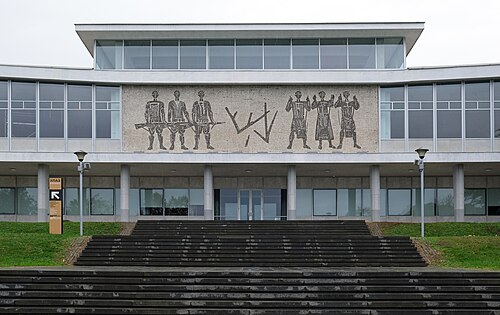
Museum of Yugoslav History is the former name of a Dedinje complex now officially called the Museum of Yugoslavia.
- Must see
- Museum
District guide · Belgrade
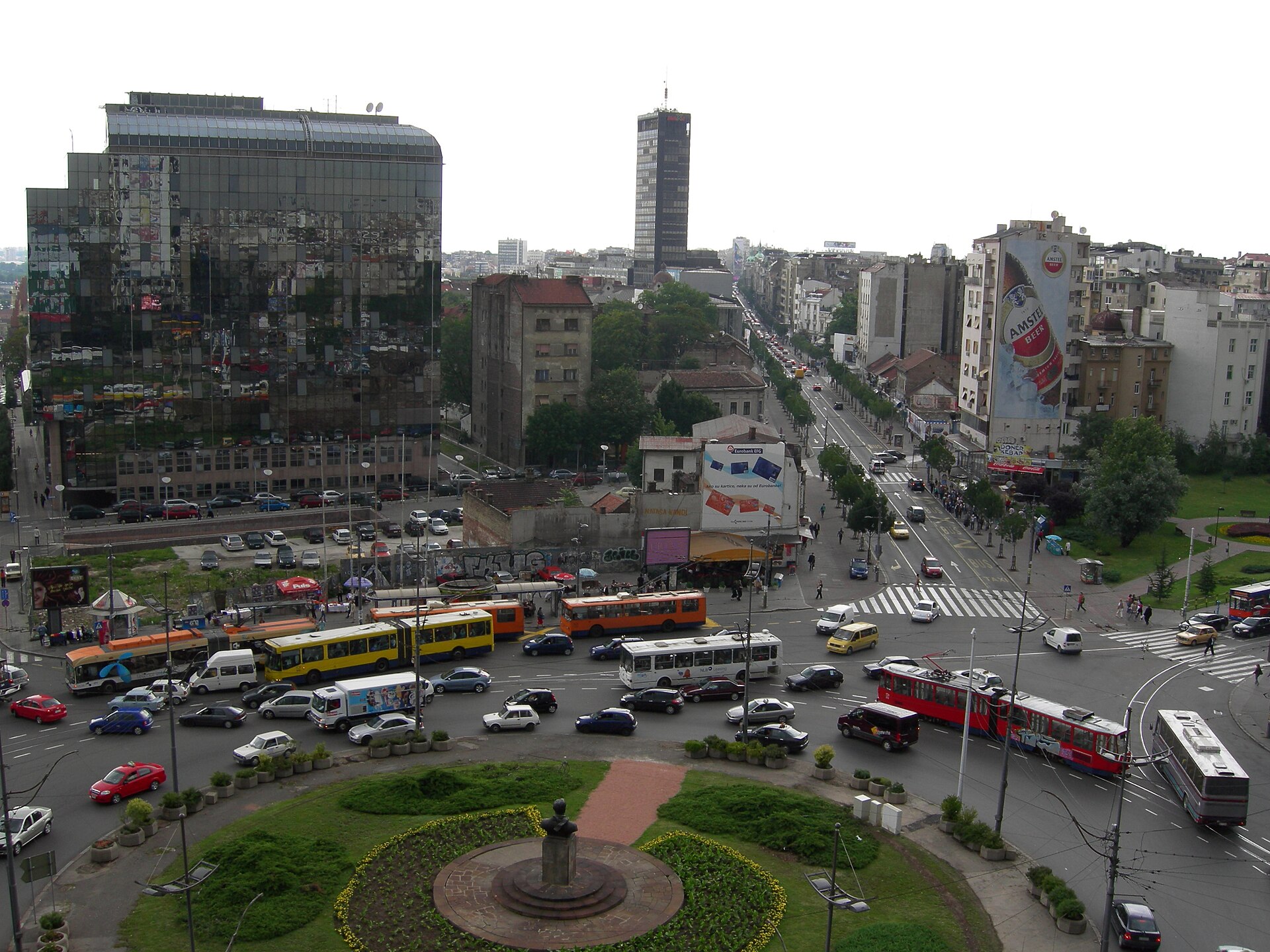
Savski Venac is a central Belgrade municipality on the right bank of the Sava river. The Museum of Yugoslavia, the Royal Court, and Topčiderski Park stand among...
Photograph · TheMiner · CC BY-SA 3.0
Set your days, your pace and the hours you actually want to be out. The planner works around closing days and travel time, and leaves room to eat.
Editorial responsibility: Elena Voss · Roavina Travel Editor
Savski Venac is a central Belgrade municipality on the right bank of the Sava river. The Museum of Yugoslavia, the Royal Court, and Topčiderski Park stand among its notable sites. The district contains museums, historical monuments, parks and a church, making it a focus for Belgrade's cultural heritage.
Checked 2026-09-04
Ranked by importance — sitelinks, pageviews and heritage status, not editor preference.
11 places match
Category
Typical visit duration
Interests
Музеј Југославије
Museum of Yugoslav History is the former name of a Dedinje complex now officially called the Museum of Yugoslavia.
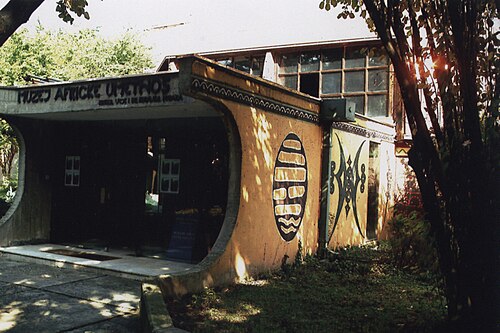
Музеј афричке уметности
The Museum of African Art occupies a villa at Andre Nikolića 14 in Senjak, on Topčider Hill, and is devoted entirely to African cultures and arts.
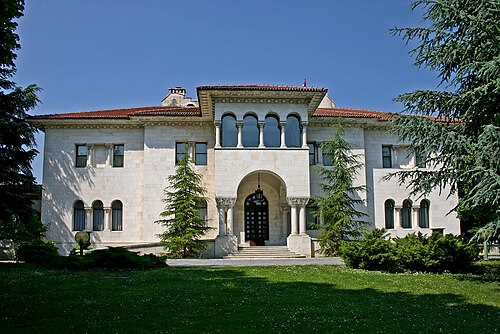
Краљевски двор
The Royal Palace was built between 1912 and 1929 in Dedinje for King Alexander I Karađorđević, its construction interrupted by the Balkan Wars and the First World War and finished only after Alexander proclaimed the Kingdom of Yugoslavia in 1929.
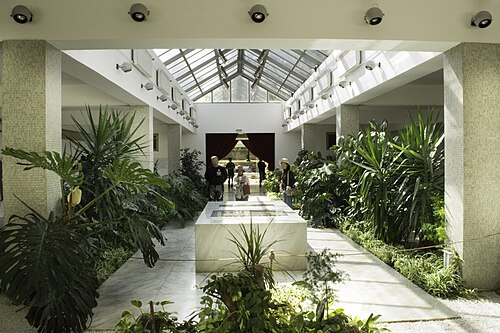
Кућа цвећа
The House of Flowers is Tito's grave, and it was built as a greenhouse.
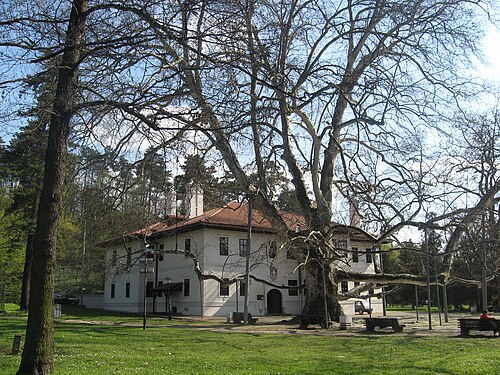
Конак кнеза Милоша Обреновића
The Residence of Prince Miloš was built between 1830 and 1834 for Miloš Obrenović, the prince who led Serbia's second uprising against Ottoman rule and secured its autonomy, and it is one of the few surviving buildings from that transitional…
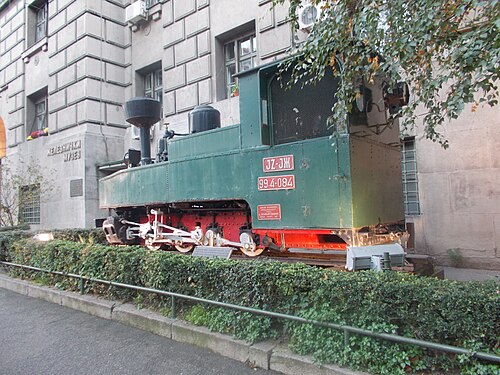
Железнички музеј
The Railway Museum in Savski Venac is the national collection of Serbian and former Yugoslav railway history, founded on 1 February 1950. Its first exhibition, in 1953, was titled "Through the History of Yugoslav Railways".
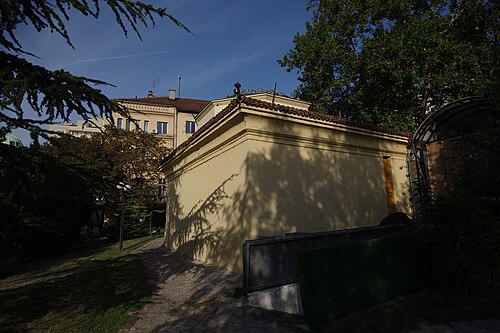
Амам кнеза Милоша
The Hammam of Prince Miloš is a Turkish-style bathhouse built in 1836-37, and it is currently a bath nobody can bathe in: OpenStreetMap's own record of the site, last checked 27 April 2026, lists its opening hours as switched off.
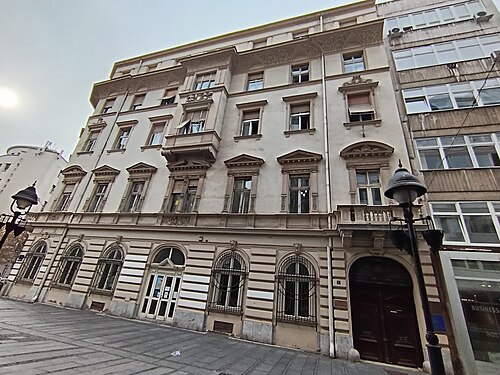
Музеј града Београда
The Belgrade City Museum (Muzej grada Beograda) was founded in 1903, when the city assembly voted to build a collection documenting Belgrade itself rather than the wider Serbian state.
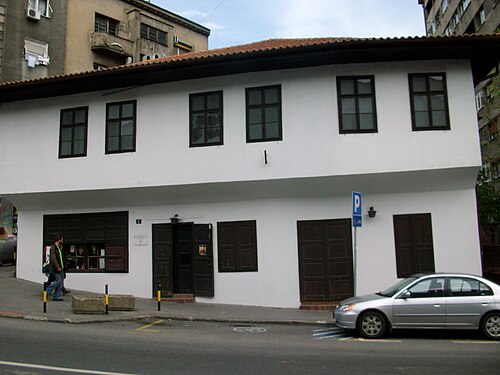
Манакова кућа
Manak House is a timber-framed merchant house in Savamala, Belgrade, that now holds an ethnographic collection inside the walls it was actually lived in.
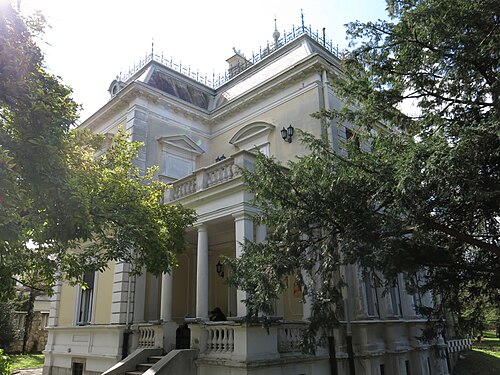
Кућа Краља Петра
House of King Peter I of Serbia is a historic villa in Senjak with a specific royal history.
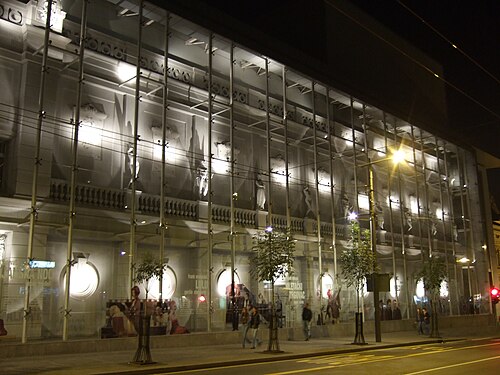
Југословенско драмско позориште
Yugoslav Drama Theatre, known locally as Jugoslovensko dramsko pozorište, is a Belgrade institution founded in 1947.