
01
2 hours
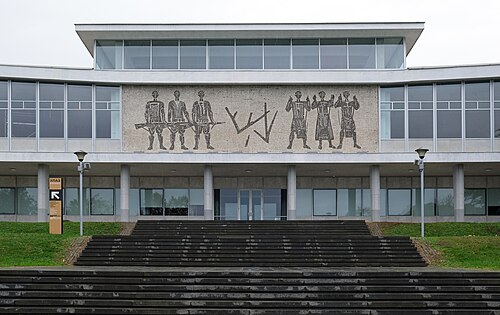
Museum of Yugoslav History
Музеј Југославије
Museum of Yugoslav History is the former name of a Dedinje complex now officially called the Museum of Yugoslavia.
- Must see
- Museum
District guide · Belgrade
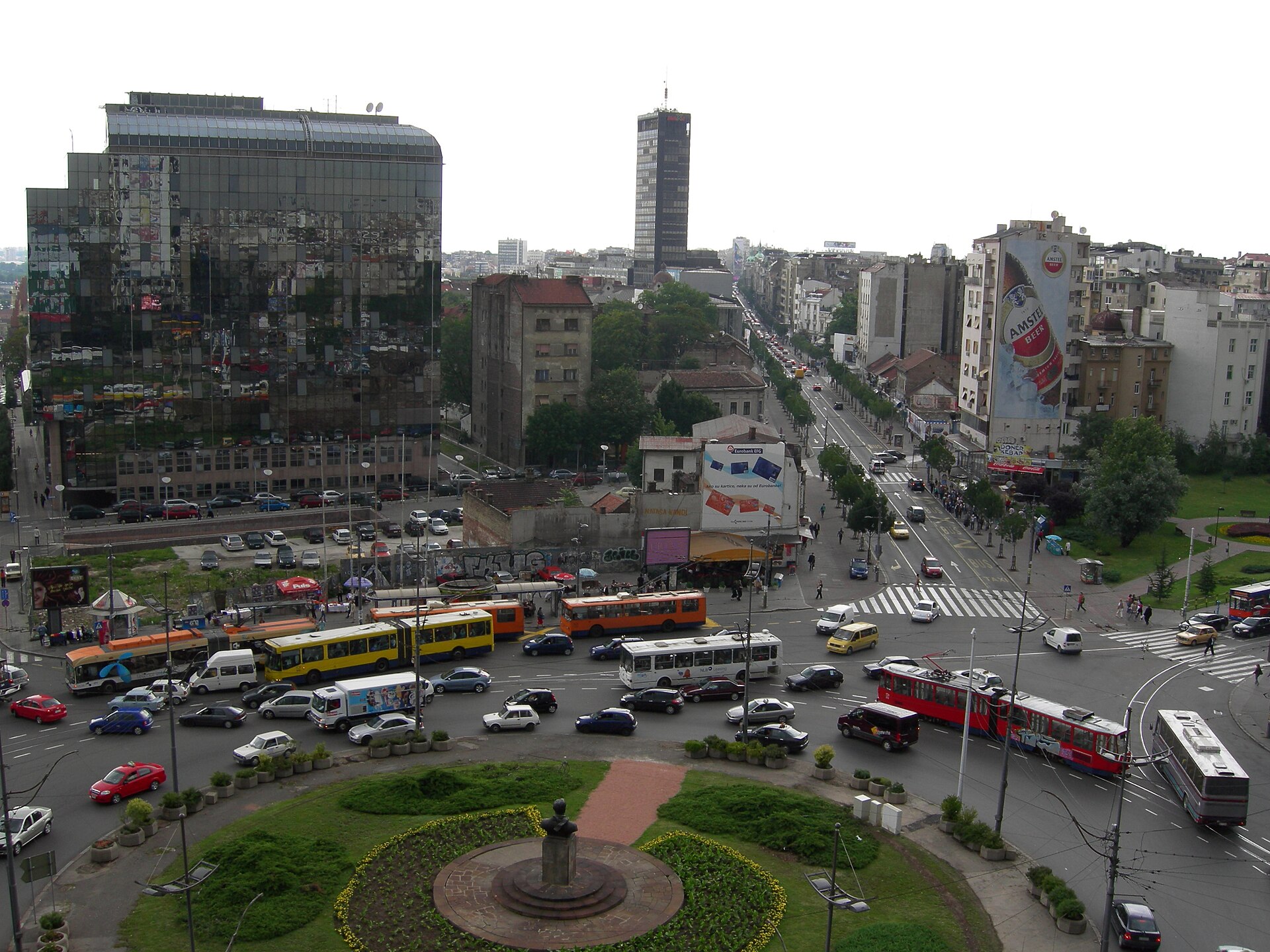
Savski Venac is a central Belgrade municipality on the right bank of the Sava river. The Museum of Yugoslavia, the Royal Court, and Topčiderski Park stand among...
Photograph · TheMiner · CC BY-SA 3.0
Set your days, your pace and the hours you actually want to be out. The planner works around closing days and travel time, and leaves room to eat.
Editorial responsibility: Elena Voss · Roavina Travel Editor
Savski Venac is a central Belgrade municipality on the right bank of the Sava river. The Museum of Yugoslavia, the Royal Court, and Topčiderski Park stand among its notable sites. The district contains museums, historical monuments, parks and a church, making it a focus for Belgrade's cultural heritage.
Checked 2026-09-04
Ranked by importance — sitelinks, pageviews and heritage status, not editor preference.
21 places match
Category
Typical visit duration
Interests
Музеј Југославије
Museum of Yugoslav History is the former name of a Dedinje complex now officially called the Museum of Yugoslavia.

Belgrade exists because of a corner of water. The Sava comes in from the west, the Danube runs down from the north, and the ridge where they meet has been fortified by everyone who has held it since the Celts.
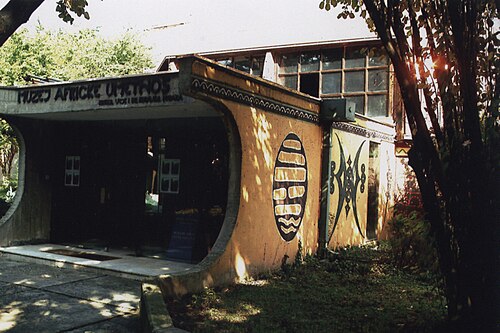
Музеј афричке уметности
The Museum of African Art occupies a villa at Andre Nikolića 14 in Senjak, on Topčider Hill, and is devoted entirely to African cultures and arts.
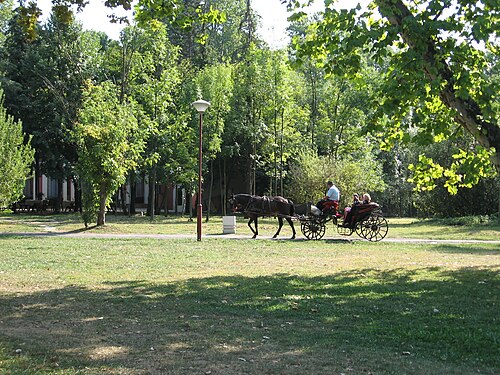
Топчидерски парк
Topčider is a forest park in Belgrade built around the country residence of Prince Miloš Obrenović, the ruler who founded modern Serbia.
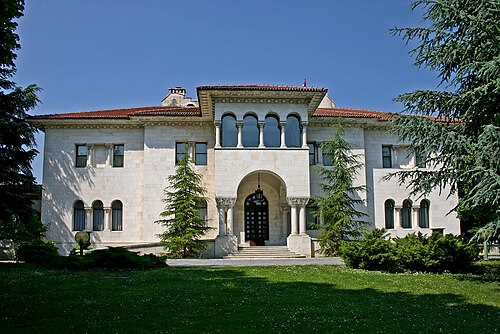
Краљевски двор
The Royal Palace was built between 1912 and 1929 in Dedinje for King Alexander I Karađorđević, its construction interrupted by the Balkan Wars and the First World War and finished only after Alexander proclaimed the Kingdom of Yugoslavia in 1929.
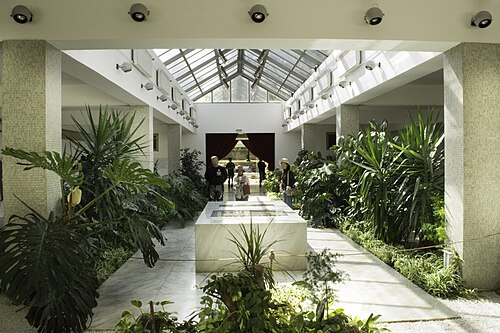
Кућа цвећа
The House of Flowers is Tito's grave, and it was built as a greenhouse.