

3 min walk
Seoul Museum of History
- Must see
- Museum
Historic monument · Seoul
경희궁
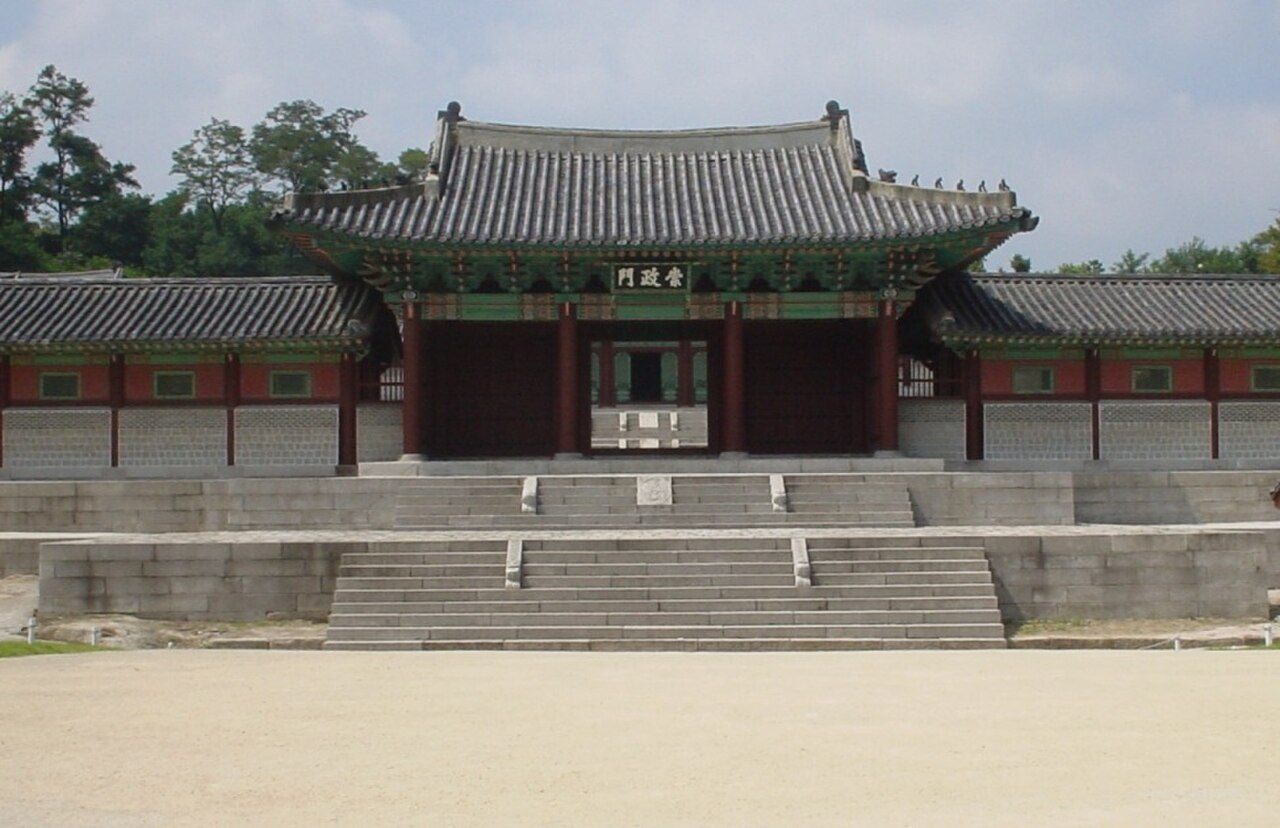
Gyeonghuigung is a former royal palace in central Seoul, known locally as 경희궁. It was one of the Five Grand Palaces of the Joseon Dynasty and served as a secondary royal residence. Much of the original complex disappeared during the Japanese colonial period and later urban development, while several important buildings have since been reconstructed. Gyeonghuigung is a former royal palace in Seoul, South Korea, with the local name 경희궁. It served as one of the Five Grand Palaces built during the Joseon Dynasty. The palace was originally constructed in the seventeenth century and functioned as a secondary palace for kings. Much of the original complex was destroyed during the Japanese colonial period and subsequent urban development. A partial reconstruction effort has restored several key buildings. The site now operates as a historical and cultural destination within the modern city, offering visitors insight into Korea's royal architectural heritage and the complex history of preservation in Seoul. Gyeonghuigung is historically classified among the Five Grand Palaces of the Joseon Dynasty, though it served as a secondary palace rather than the primary royal residence.
Checked 2026-08-26 · Source
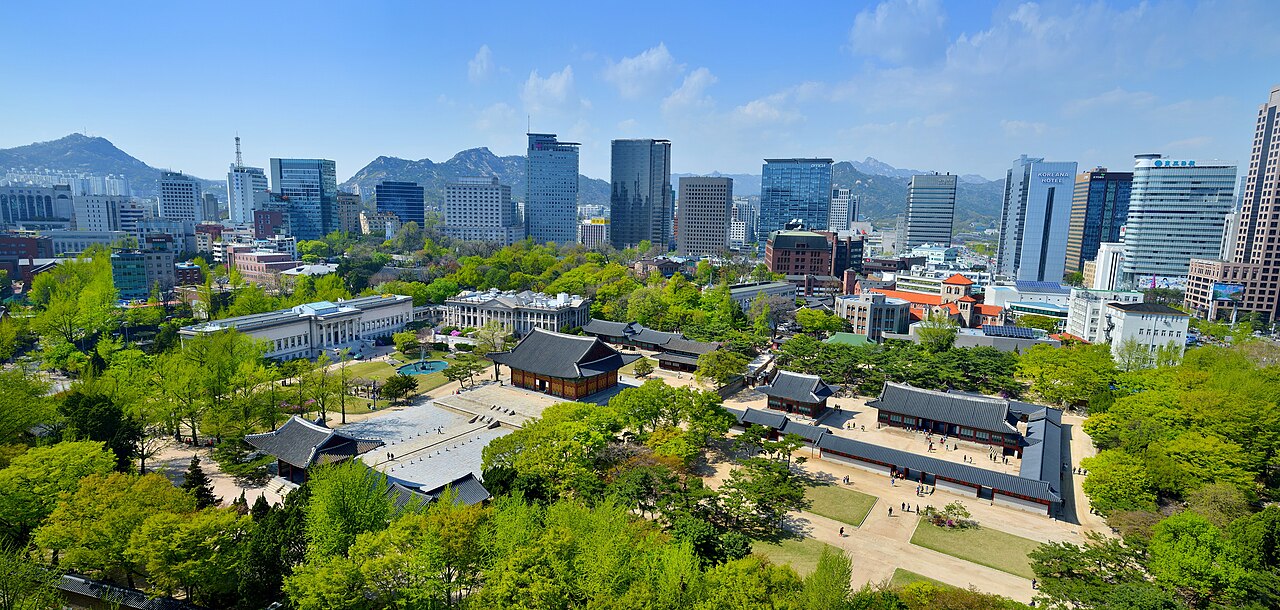
The grounds contain reconstructed wooden palace buildings arranged around courtyards and connecting paths. Look for tiled roofs with curved eaves, painted dancheong decoration, stone foundations, ceremonial spaces, and residential-scale structures associated with Joseon court life. The contrast between the traditional buildings and Seoul’s modern streets gives the visit its distinctive setting. The reconstructed palace grounds contain several traditional wooden structures typical of Joseon-era royal architecture. These include throne halls, residential quarters, and ceremonial buildings arranged according to Confucian spatial principles. The compound features stone foundations, tiled roofs with curved eaves, and painted wooden beams in the dancheong decorative style. Visitors can observe the contrast between the historical reconstructions and the surrounding contemporary urban environment. The site includes open courtyard spaces and pathways connecting the various structures. Some areas may contain informational displays or exhibits related to the palace's history, though specific current contents should be verified on-site.
Checked 2026-08-26 · Source
Allow about one hour for a relaxed circuit of the main reconstructed areas. Visitors who enjoy architectural details, historical interpretation, or photography can spend closer to two hours. The compact grounds do not require extensive walking, so Gyeonghuigung fits comfortably into a half-day route that also includes nearby museums and historic sites. A thorough visit to Gyeonghuigung typically requires between one and two hours, depending on individual interest in architectural details and historical context. Casual visitors may complete a circuit of the main reconstructed areas in approximately forty-five minutes to one hour. Those wishing to examine building features closely, read available information, or photograph the structures should allocate additional time. The compact nature of the reconstructed site means extensive walking is not required. Visitors combining this palace with nearby historical attractions in the Seosomun or Gwanghwamun areas may wish to plan a half-day itinerary encompassing multiple destinations.
Checked 2026-08-26 · Source
Spring and autumn are comfortable seasons for walking through the courtyards, with mild weather and changing vegetation around Seoul’s historic districts. Summer can be hot and humid, while winter may be cold or snowy. Weekday mornings usually provide a calmer atmosphere than busy weekends, making it easier to study the buildings and courtyards.
Checked 2026-08-26 · Source
Gyeonghuigung is a separate palace site from Seoul’s larger royal compounds. Its smaller scale makes it useful for travelers building a palace-focused day without committing every hour to a vast complex. Treat the visit as a historical walk through reconstructed architecture, and keep the palace distinct from any admission arrangements associated with other Seoul palaces.
Checked 2026-08-26 · Source
Gyeonghuigung lies in central Seoul, within reach of the city’s subway, bus, and taxi network. Seodaemun and Gwanghwamun on Line 5 are nearby reference points, followed by a walk through the surrounding urban streets. Combine the palace with museums and historic destinations around Seosomun or Gwanghwamun for an efficient cultural route.
Checked 2026-08-26 · Source
Courtyards and stone surfaces can become slippery after rain, and traditional buildings may include steps, thresholds, or uneven ground. Stay outside restricted areas and give other visitors space around narrow paths. The surrounding city is busy, so take care when crossing streets. Winter cold and summer humidity can make an outdoor visit less comfortable.
Checked 2026-08-26 · Source
Photograph the curved rooflines, dancheong-painted beams, stone details, and courtyard relationships. Framing the reconstructed palace against modern Seoul creates a strong sense of historical contrast. Morning and late afternoon light can emphasize the timber and roof geometry. Keep equipment clear of walkways and follow any restrictions posted around individual buildings.
Checked 2026-08-26 · Source
Gyeonghuigung served as a secondary palace for Joseon kings and is counted among Seoul’s Five Grand Palaces.
Much of the original complex was destroyed, so the principal buildings visible today are reconstructed or restored elements.
Gyeonghuigung is smaller and more intimate, with a less extensive reconstructed complex than Gyeongbokgung.
Visitors can see reconstructed Joseon-style wooden buildings, tiled roofs, painted decoration, stone foundations, courtyards, and connecting paths.
Plan about one hour for the main circuit, or up to two hours for detailed architectural viewing and photography.
Gyeonghuigung pairs naturally with the museums and historic destinations around Seosomun and Gwanghwamun.
Loading the interactive map…
The interactive map could not be loaded.
Last updated:
Source: OpenStreetMap contributors, Wikidata ·