


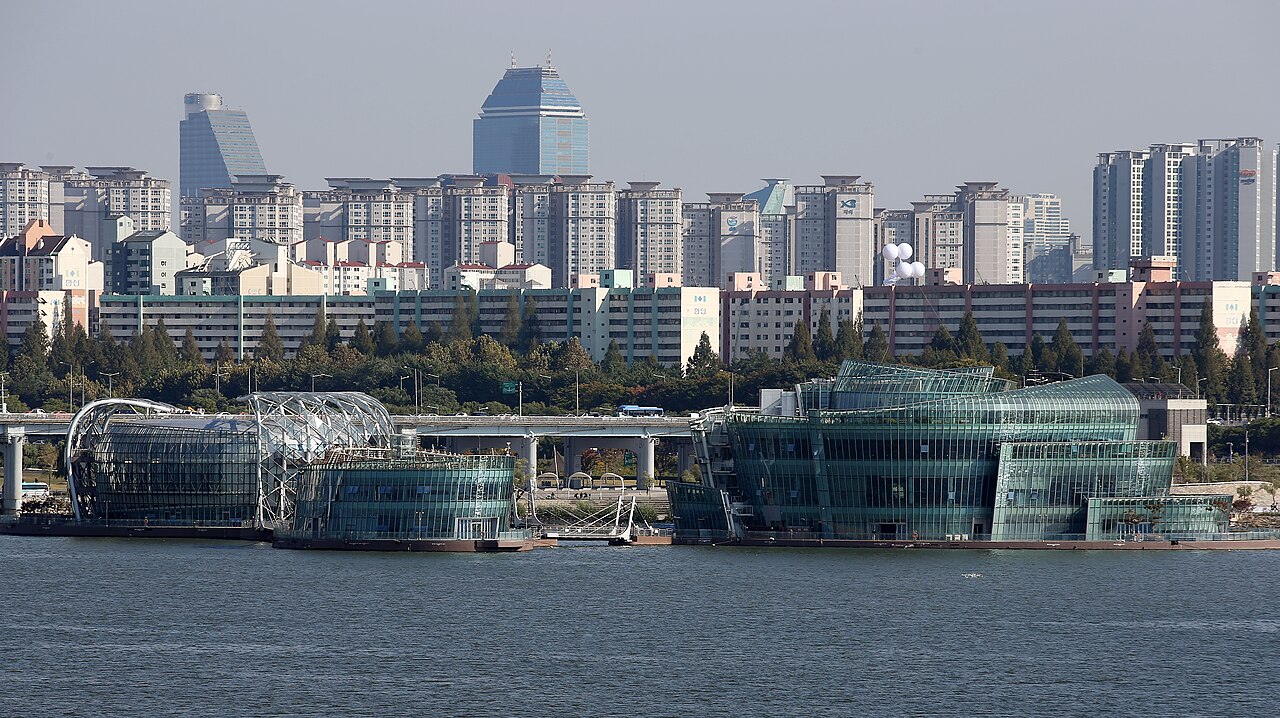
51 min walk
Some Sevit
- Must see
- Historic monument
Museum · Seoul
국악박물관
Closed today, Monday. Next open Tuesday at 10:00 — the planner will not place a stop here on a Monday.
Plan around it| Monday | Closed |
|---|---|
| Tuesday | 10:00 – 17:50 |
| Wednesday | 10:00 – 17:50 |
| Thursday | 10:00 – 17:50 |
| Friday | 10:00 – 17:50 |
| Saturday | 10:00 – 17:50 |
| Sunday | 10:00 – 17:50 |
Parsed from OpenStreetMap opening hours on 2026-09-09.
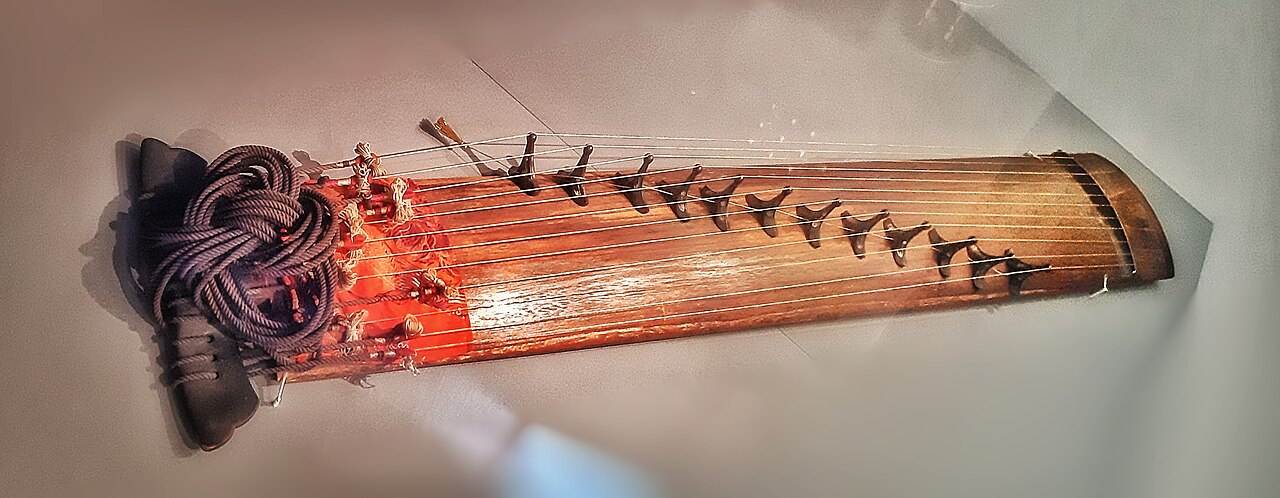
The Museum of Gugak introduces Seoul visitors to gugak, the broad tradition of Korean music and performance. Gugak includes court music, folk music, ritual music and forms shaped by regional practice. The museum preserves instruments, scores, costumes and performance documentation, giving the visit a focused cultural subject rather than a general museum overview. It is a useful stop for travelers who want to understand how sound, ceremony and Korean identity connect. The museum also supports the continuing transmission of performance knowledge through exhibitions and education.
Checked 2026-08-26 · Source
The collection brings together traditional Korean instruments from string, wind and percussion families. Visitors can also encounter historical scores, ceremonial clothing and audiovisual records of performances. The displays connect physical objects with the practices that gave them meaning, including court traditions such as aak and dangak and folk forms such as sanjo and pansori. Materials relating to ritual music place musical sound within ancestral and state ceremonies. Listening material and archival displays make the museum especially valuable to visitors who want to hear how instruments function, not only see their shapes.
Checked 2026-08-26 · Source
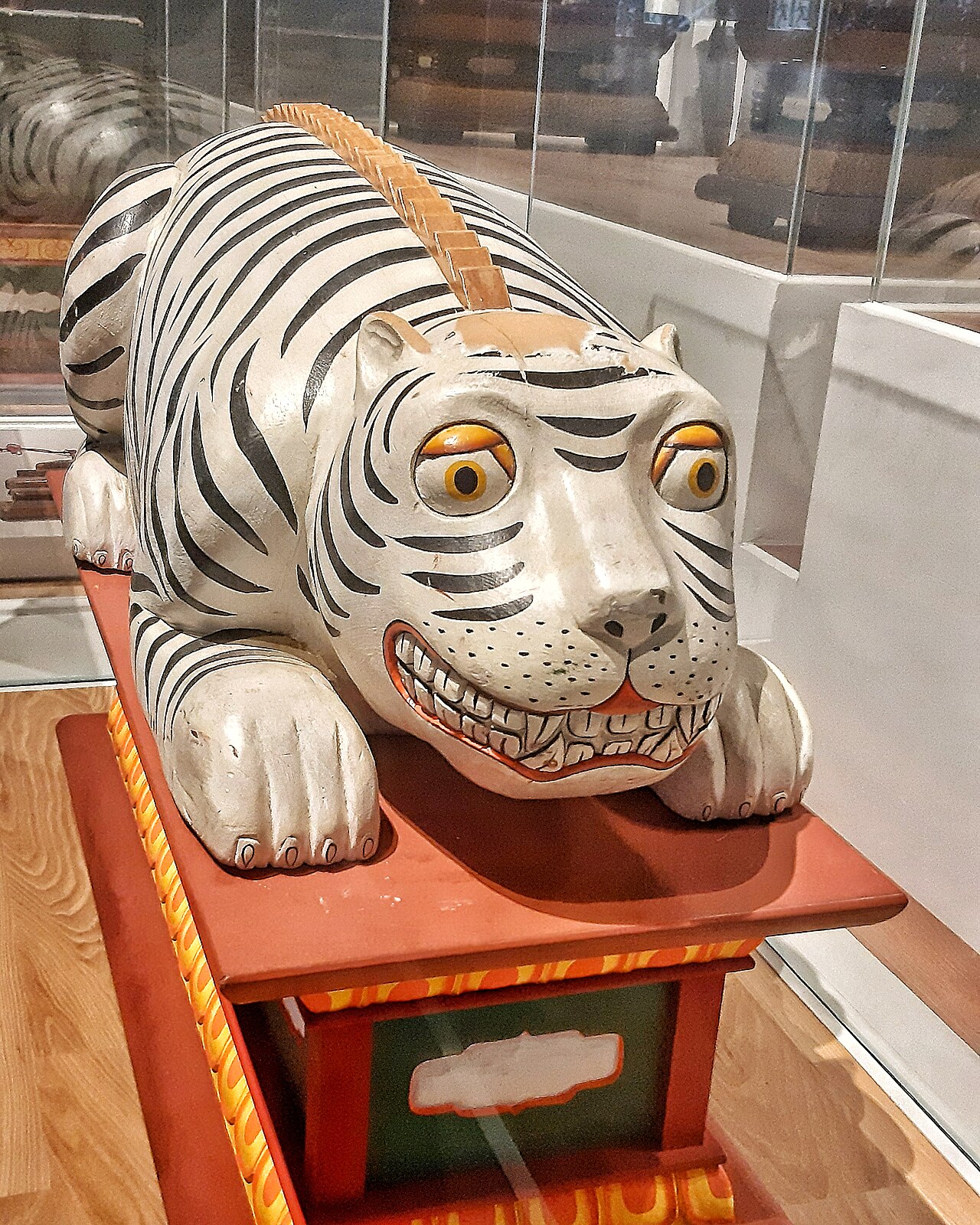
Allow about ninety minutes to two hours for a relaxed visit through the galleries. That length gives a traveler time to compare string, wind and percussion instruments, read the historical explanations and spend time with audiovisual material. A shorter visit can focus on the instruments and the main displays, while a longer visit suits visitors who want to follow the development of court, folk and ritual traditions in greater depth. Researchers and visitors using archival resources need a separate, substantially longer appointment. The museum's specialized subject makes it possible to build a clear visit without spending an entire day indoors.
Checked 2026-08-26 · Source
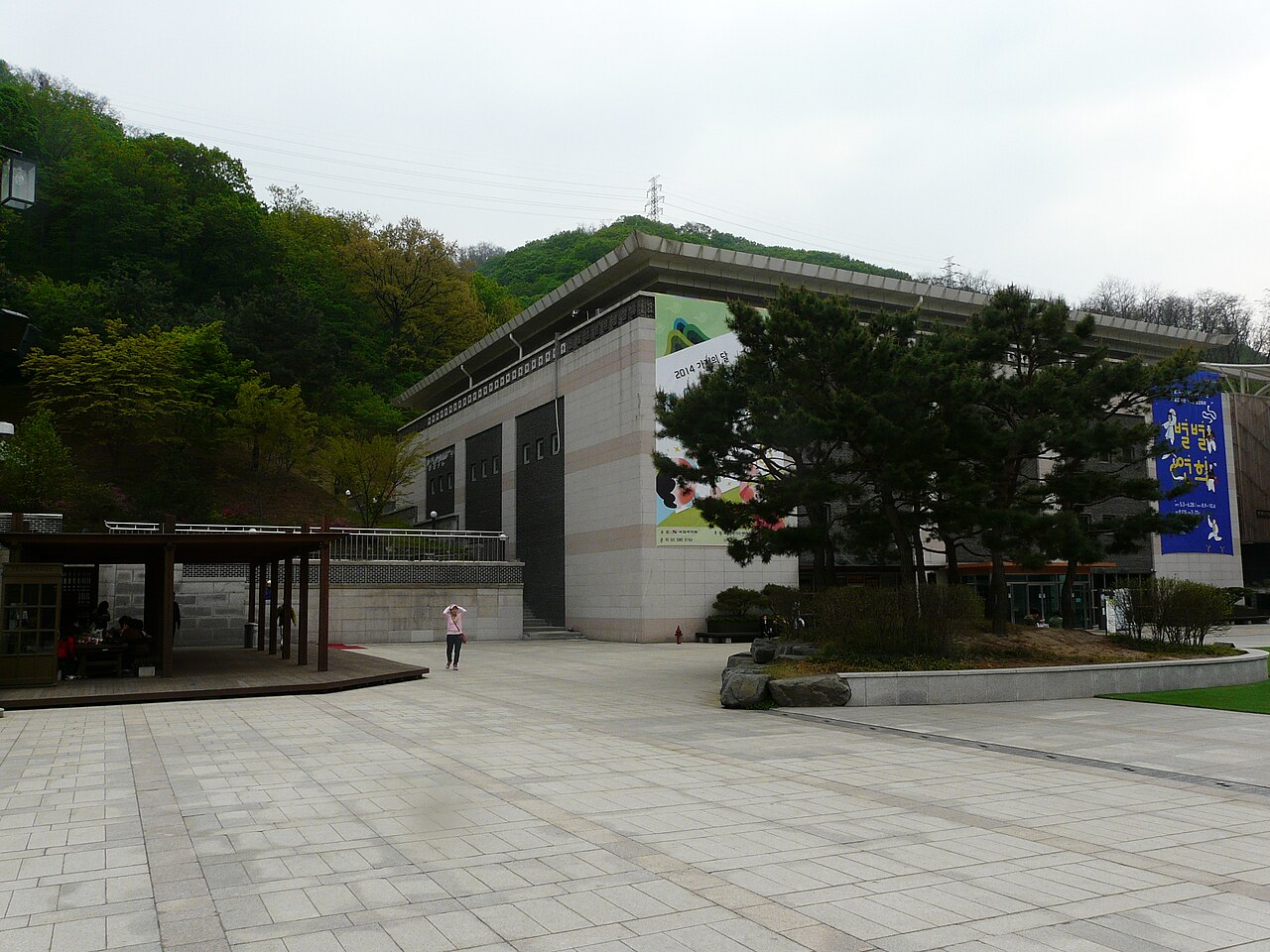
Weekday mornings offer the calmest setting for reading labels, comparing instruments and listening carefully to recorded performances. Spring and autumn are comfortable seasons for walking through Seoul before or after the museum. Summer is humid and can bring monsoon rain, while winter is cold during the outdoor part of the journey between transit and the entrance. Family visitors and domestic tourists can make weekends and holidays livelier. A performance or temporary display can change the character of the visit, so the museum works best when paired with enough time for an unhurried gallery experience.
Checked 2026-08-26 · Source
The Museum of Gugak is a specialized cultural venue, so the admission arrangement is part of the practical planning for this stop. The guide does not state a price or a free-entry rule. Travelers should treat the museum as a focused visit built around its collection of instruments, scores, costumes and recordings, rather than planning around a particular ticket combination. Keep the visit flexible if it is being combined with another Seoul attraction, because the museum's value comes from the subject itself and from the time spent with the displays.
Checked 2026-08-26 · Source
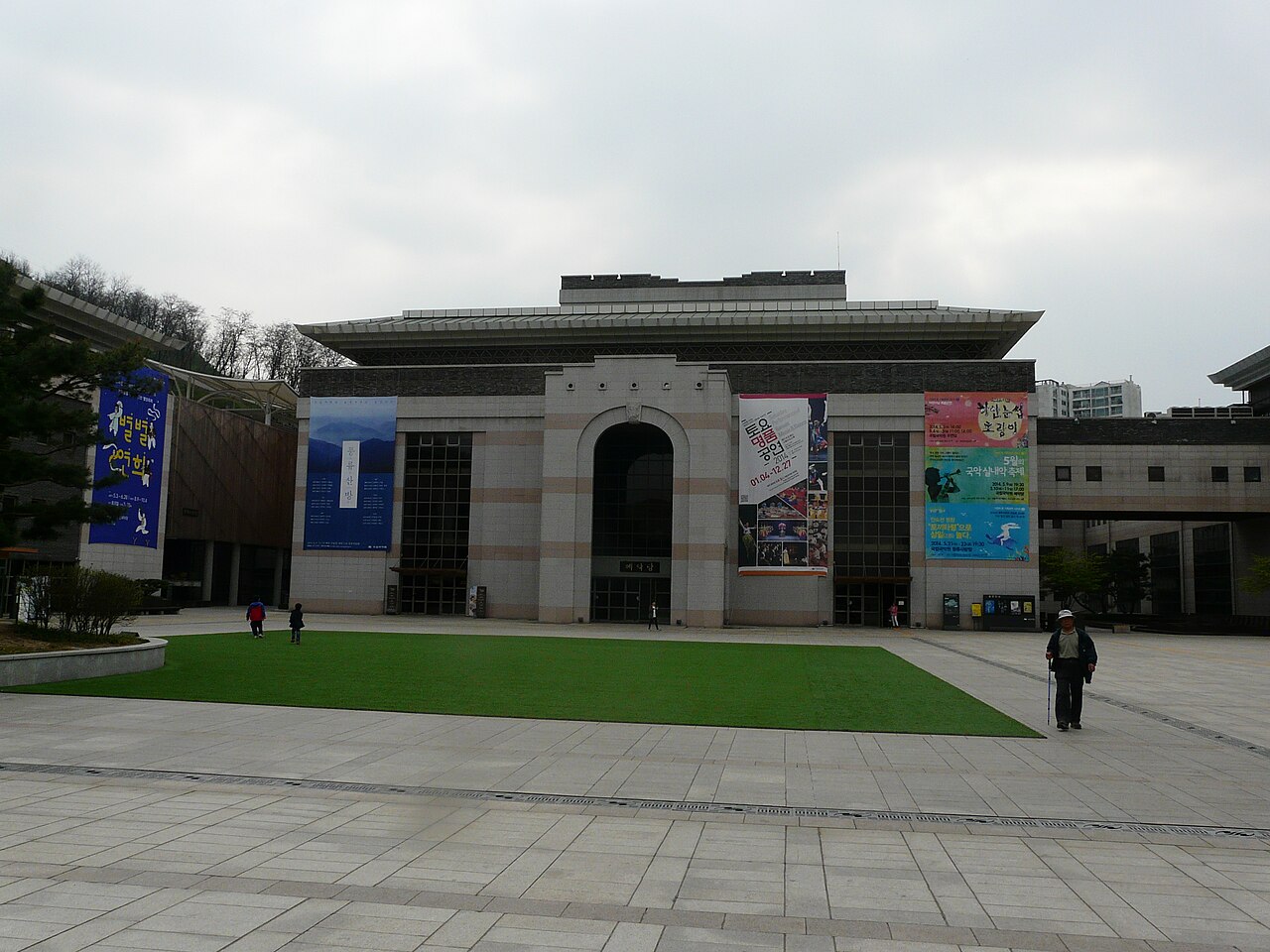
The museum is in Seoul and can be approached through the city's extensive subway and bus network, followed by a walk from the relevant stop. Taxis provide a direct alternative when carrying luggage or traveling across districts, although traffic can slow the journey during busy periods. Mapping applications are useful for the final pedestrian section. Korean signage is common, so saving the name Museum of Gugak together with its Korean destination details can make driver communication easier. The museum fits naturally into a cultural day, especially when the route already includes other heritage or performance-focused places in Seoul.
Checked 2026-08-26 · Source
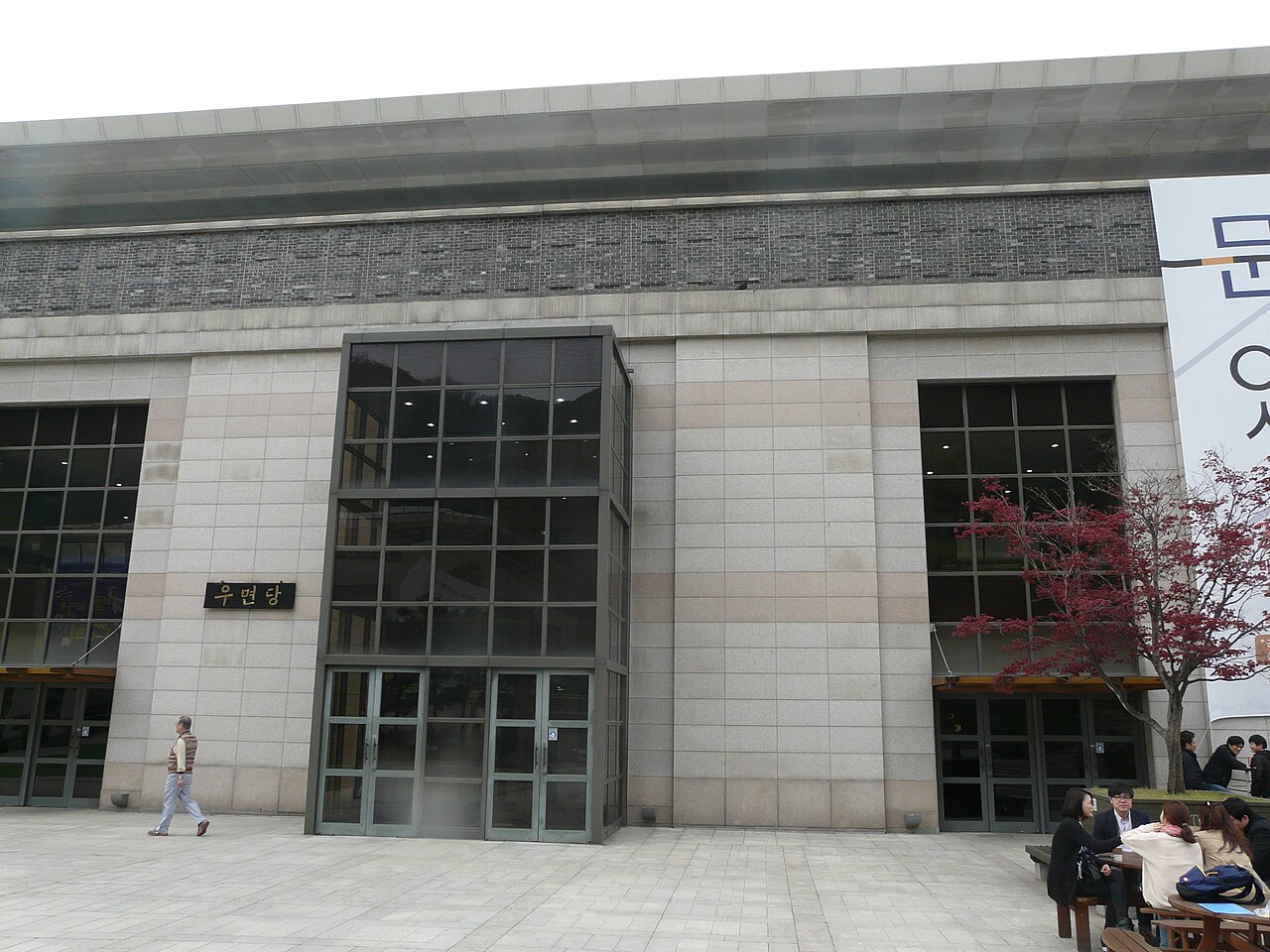
Instrument galleries can be dim because light-sensitive materials need protection, and lower light may make small labels harder to read. Recorded music can create overlapping sound in neighboring displays, so a quiet pace helps when listening. Temperature differences between indoor galleries and Seoul's exterior weather make a light extra layer useful. English explanations may be more limited than Korean text. Keep bags and personal belongings close, respect the quiet atmosphere and leave space around listening points or popular objects. Comfortable shoes help during a standing visit through the displays.
Checked 2026-08-26 · Source
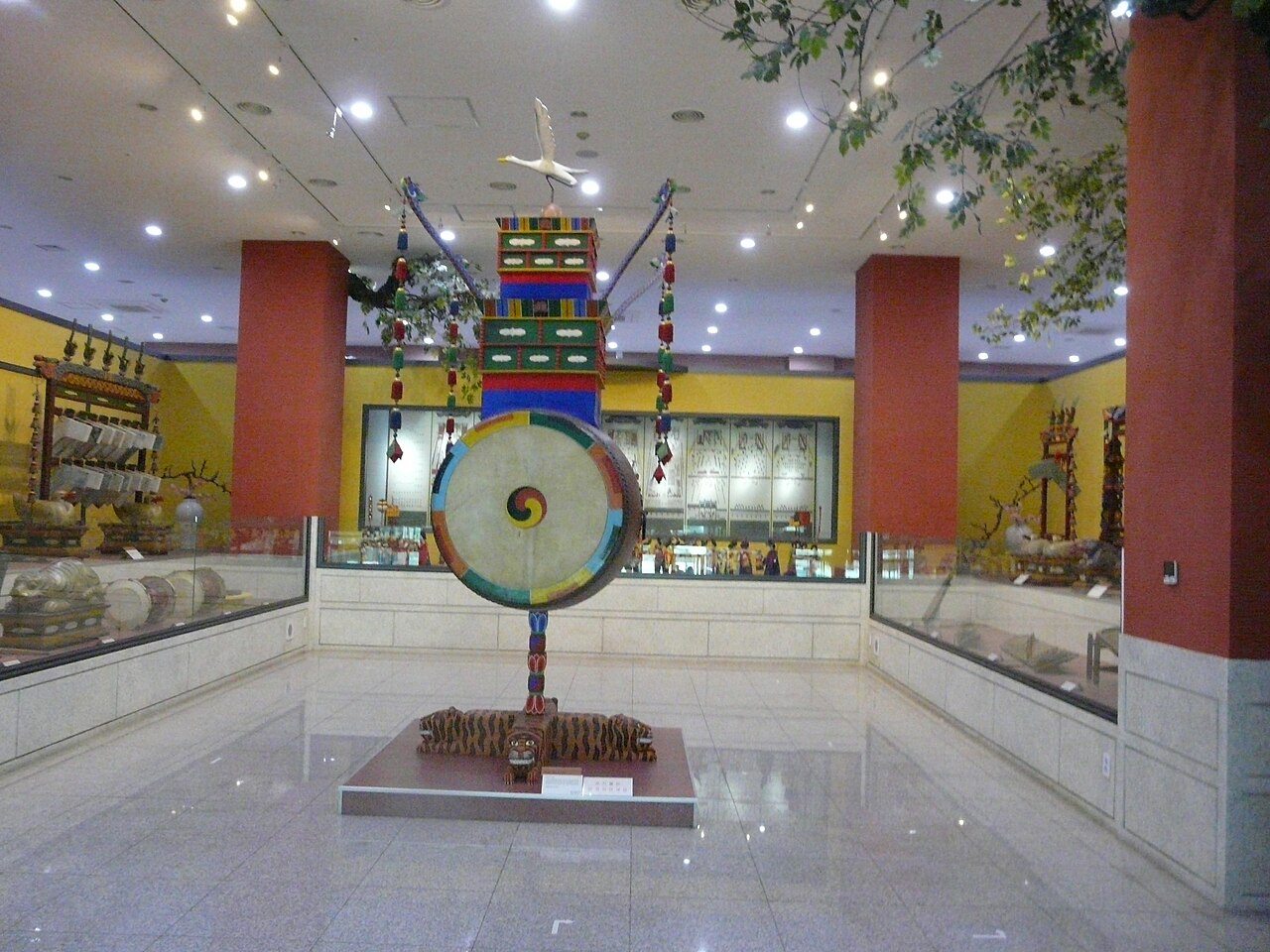
Photography should follow the signs placed beside instruments, costumes, scores and audiovisual displays. Flash can damage light-sensitive collection materials and can disturb visitors, so it is not suitable for this museum setting. Tripods and selfie sticks can obstruct narrow viewing areas and listening points. Individual objects or galleries may have stricter rules than the rest of the museum. Personal photographs are most considerate when taken from the edge of a display without blocking another visitor's view. Commercial or publication use belongs to a separate permission process and should not be treated like ordinary travel photography.
Checked 2026-08-26 · Source
The Museum of Gugak focuses on traditional Korean music and performance, including court, folk and ritual traditions.
Visitors can see traditional instruments, historical scores, ceremonial costumes and audiovisual documentation of performances.
Allow about ninety minutes to two hours for a relaxed visit through the specialized galleries.
The guide connects the museum with court music such as aak and dangak, and folk forms such as sanjo and pansori.
Yes. The museum links instruments and musical notation with court ceremony, folk practice, ritual and cultural transmission.
Comfortable shoes and a light extra layer are useful for standing in galleries and moving between Seoul's outdoor weather and climate-controlled rooms.
Loading the interactive map…
The interactive map could not be loaded.
Last updated:
Source: OpenStreetMap contributors, Wikidata ·