
3 min walk
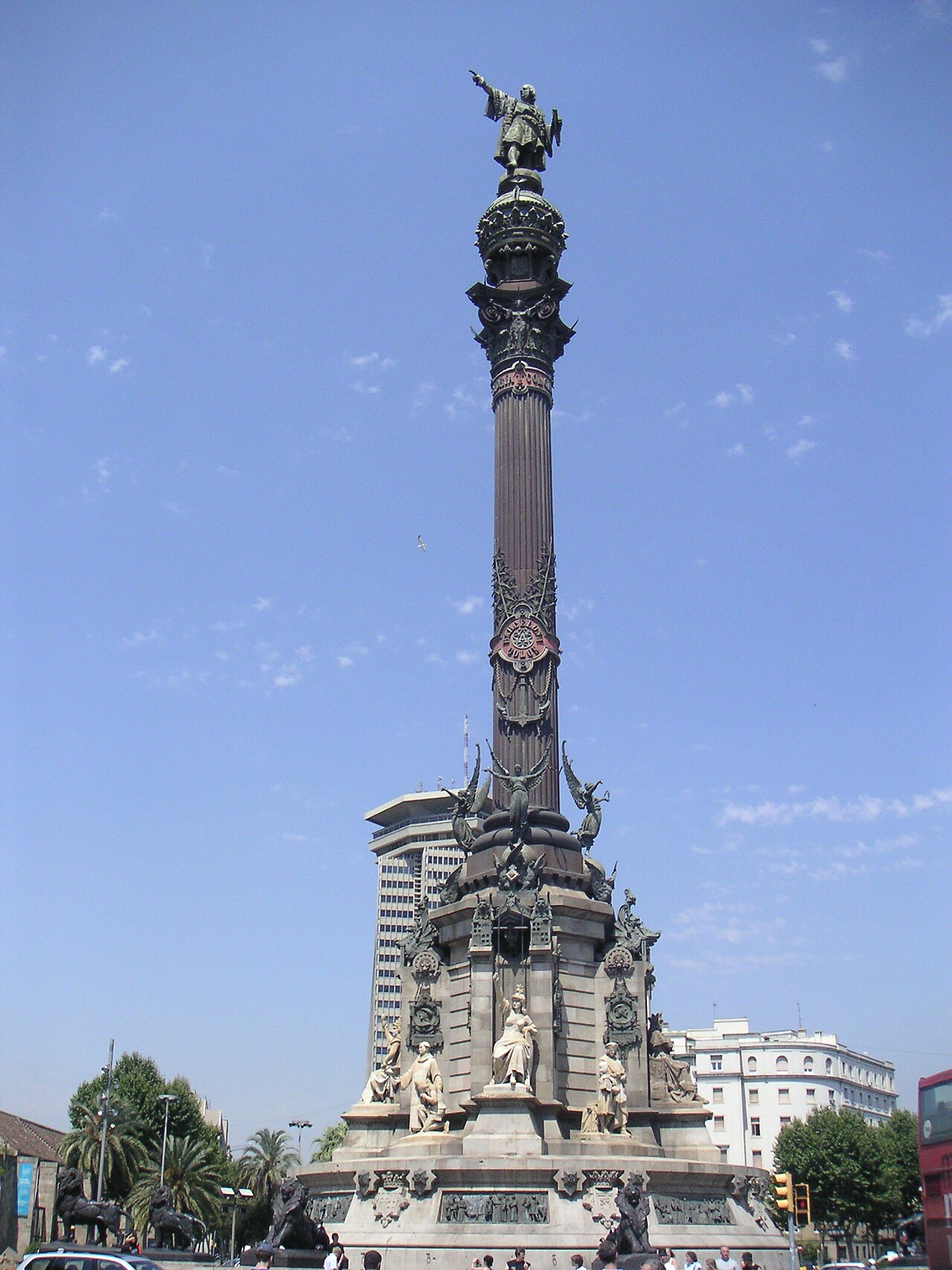
Columbus Monument
- Must see · Heritage site
- Historic monument
Language · 11 published
Historic monument · Barcelona
Drassanes Reials de Barcelona
Reviewed by Elena Voss · Roavina Travel Editor
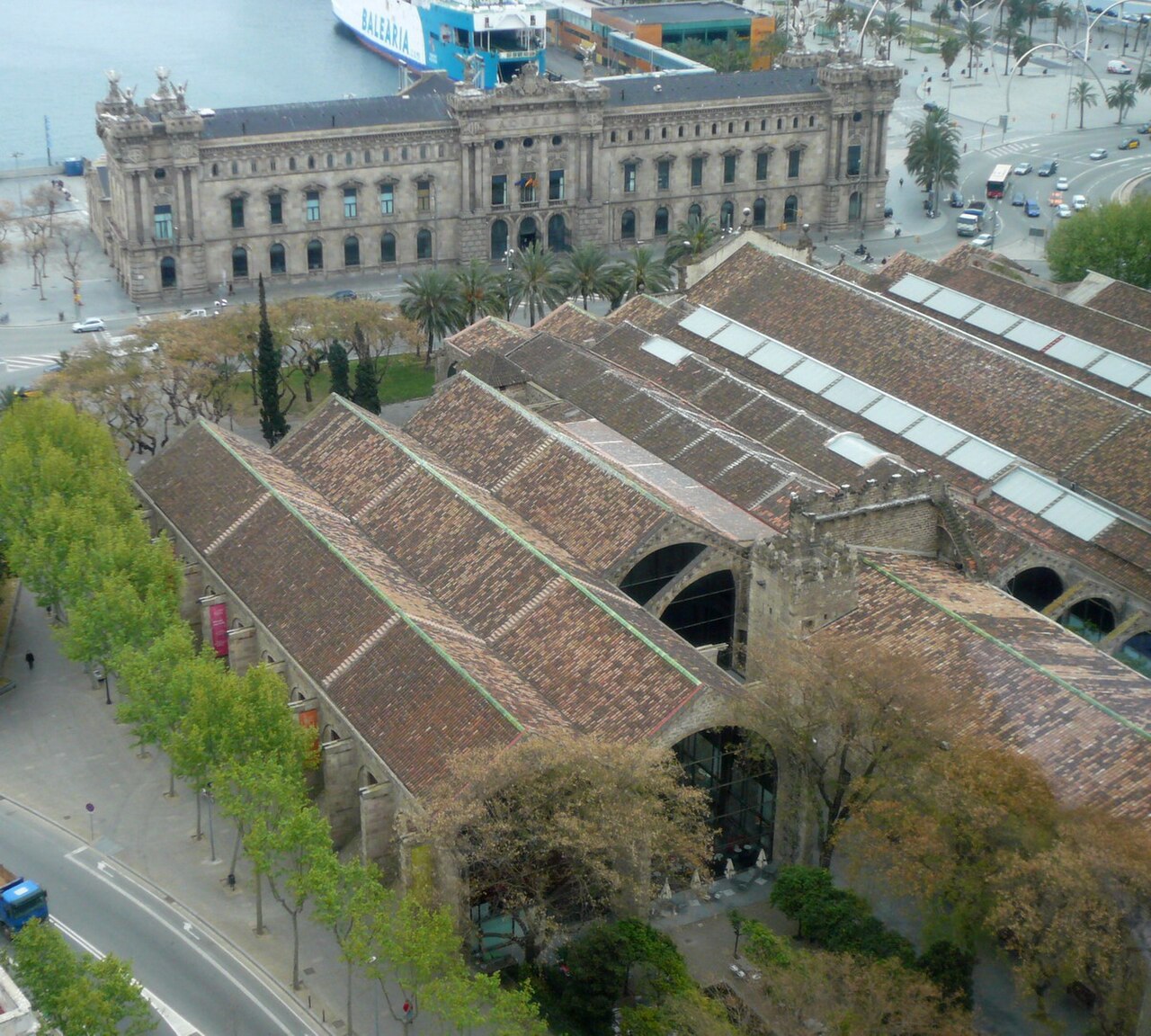
This place is a Attraction. It was established in 1280. It was built in the Gothic architecture style. It carries the bien de interés cultural heritage designation.
The Barcelona Royal Shipyard, known locally as Drassanes Reials de Barcelona, is a historic maritime complex located near the port area of Barcelona, Catalonia, Spain. This Gothic structure served as a shipbuilding facility during the medieval period, representing one of the most significant examples of civil Gothic architecture in Europe. The building's origins trace to the thirteenth century, when the Crown of Aragon required naval construction capabilities for Mediterranean expansion. Today, the site houses the Museu Marítim de Barcelona, which preserves and interprets Catalan maritime heritage through its collections and exhibitions.
Checked 2026-08-26
The interior spaces contain maritime museum exhibitions displaying naval artifacts, ship models, and navigational instruments. The most prominent exhibit is a full-scale replica of the Royal Galley of John of Austria, the flagship vessel from the Battle of Lepanto in 1571. Additional collections include historic vessels, figureheads, and maritime paintings. The vast Gothic hall with its ribbed vaulting and massive stone columns demonstrates the architectural requirements for constructing and storing warships. Temporary exhibitions rotate through dedicated gallery spaces, supplementing the permanent maritime history displays with thematic presentations on seafaring culture and technology.
Checked 2026-08-26
Visitors typically allocate between ninety minutes and two hours for a comprehensive exploration of the museum and shipyard complex. The expansive Gothic hall alone warrants considerable attention for architectural appreciation. Those with specialized interest in naval history or maritime archaeology may extend their visit to three hours. The full-scale galley replica demands close examination of its construction details and historical significance. Audio guides, when available, add approximately thirty minutes to the standard duration. Families with children often require additional time for interactive displays. Scheduling flexibility allows visitors to adjust pacing according to personal engagement with exhibition content.
Checked 2026-08-26
Visitors should consult official museum communications before planning arrival times. Barcelona's Mediterranean climate permits comfortable year-round visitation, though summer months bring increased tourist density throughout the city. Morning hours generally offer quieter conditions for appreciating the Gothic architecture without congestion. The covered nature of the shipyard provides shelter from rain or intense sun, making it suitable for inclement weather alternatives. Evening closure times vary seasonally according to museum policy. Special events or exhibition changes may temporarily affect accessibility. Verification through direct institutional contact remains advisable before definitive travel arrangements. Check the operator's own site for the travel date before relying on a schedule or fare.
Checked 2026-08-26
Admission structures typically distinguish between general entry, reduced rates for qualifying categories, and potential free-access periods according to municipal museum policies. Combined tickets with other Barcelona cultural institutions may offer economic advantages for multi-site visitors. Online advance purchase possibilities exist through official channels, though specific booking procedures require verification. Group rates and educational program inclusions apply under defined conditions. Free admission days, common among Spanish public museums, necessitate confirmation of current schedules. Membership or annual pass options benefit repeated visitors. Direct museum inquiry resolves pricing uncertainties before arrival. Check the operator's own site for the travel date before relying on a schedule or fare.
Checked 2026-08-26
The Drassanes Reials de Barcelona occupies a waterfront position accessible through Barcelona's integrated public transport network. The Drassanes metro station on Line L3 serves the location directly, emerging adjacent to the complex. Multiple bus routes traverse the adjacent Avinguda Paral·lel and connecting streets. Walking access connects from La Rambla, the famous pedestrian thoroughfare terminating nearby at the Columbus Monument. The port area and Barceloneta neighborhood extend eastward for combined waterfront exploration. Cycling infrastructure accommodates bicycle arrival, with public bike-sharing stations in proximity. Taxis and ride services recognize the museum as a established destination. Parking availability in this dense central district remains limited and costly.
Checked 2026-08-26
The Gothic stone flooring throughout the shipyard hall becomes slippery when wet, requiring appropriate footwear with reliable traction. The vast unheated spaces maintain cooler temperatures than external conditions during winter months, suggesting layered clothing preparation. Some exhibition areas feature dim lighting protecting sensitive artifacts, potentially challenging visitors with visual impairments. The full-scale galley replica includes narrow access points unsuitable for all mobility devices. Crowding concentrates around the central vessel during peak visitation periods. Photography restrictions may apply to specific artifacts or temporary exhibitions without consistent signage placement. Acoustic properties of the vaulted hall amplify ambient noise during school group visits or special events.
Checked 2026-08-26
The dramatic Gothic architecture of the shipyard hall provides exceptional photographic opportunities, with repeating stone columns and ribbed vaulting creating compelling geometric compositions. Natural light filtering through high windows produces atmospheric conditions varying throughout daytime hours. The Royal Galley replica permits photography from multiple angles, though tripod use likely requires advance permission. Wide-angle lenses accommodate the spatial enormity of the construction hall. The contrast between dark stone and illuminated exhibition elements challenges exposure settings. Details of carved capitals, iron fixtures, and wooden vessel elements reward macro attention. Visitor circulation patterns affect clean architectural shots without human presence. Evening exterior illumination of the medieval façade offers additional photographic possibilities.
Checked 2026-08-26
The Drassanes Reials de Barcelona is the historic building that contains the Museu Marítim de Barcelona. The terms refer to the physical structure and the institutional museum respectively.
The origins of the Barcelona Royal Shipyard date to the thirteenth century, with subsequent modifications and expansions during the medieval period of Catalan maritime prominence.
Specific tour language offerings and schedules are Not recorded pending review. Visitors should contact the museum directly for current programming information.
While the main hall is ground-level, the historic nature of the thirteenth-century structure presents accessibility variations. The galley replica includes narrow access points. Direct inquiry recommended for specific mobility requirements.
The museum displays a full-scale replica of the Royal Galley of John of Austria. Additional collections include historic vessel components, models, and maritime artifacts rather than complete original ships of equivalent size.
No formal dress code applies. The unheated Gothic hall remains cool during winter, suggesting layered clothing. Comfortable footwear with good traction is advisable for the stone flooring surfaces.
Loading the interactive map…
The interactive map could not be loaded.
Last updated:
Source: OpenStreetMap contributors, Wikidata ·