
3 min walk
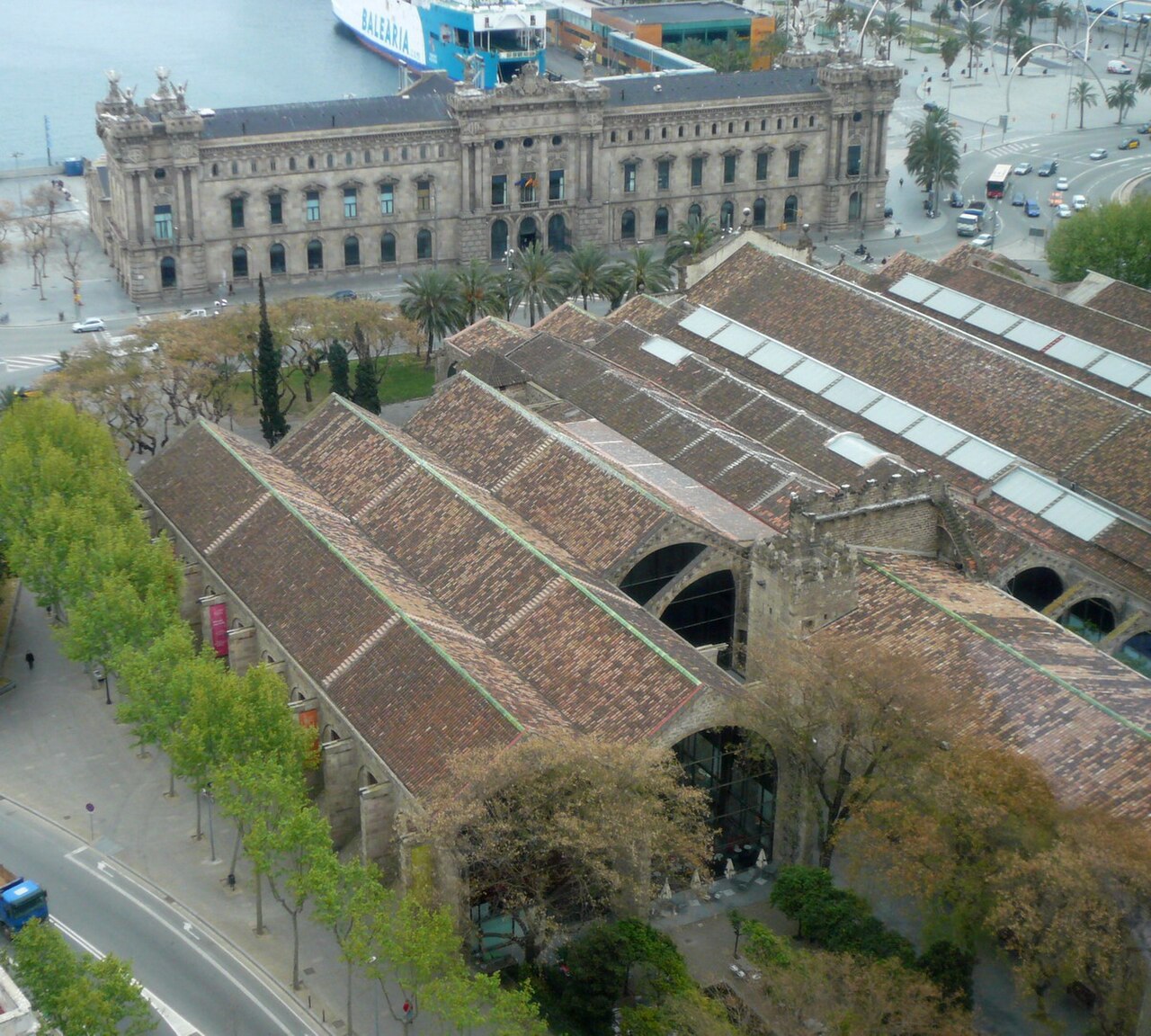
Barcelona Royal Shipyard
- Must see · Heritage site
- Historic monument
Language · 11 published
Historic monument · Barcelona
Monument a Colom
Reviewed by Elena Voss · Roavina Travel Editor
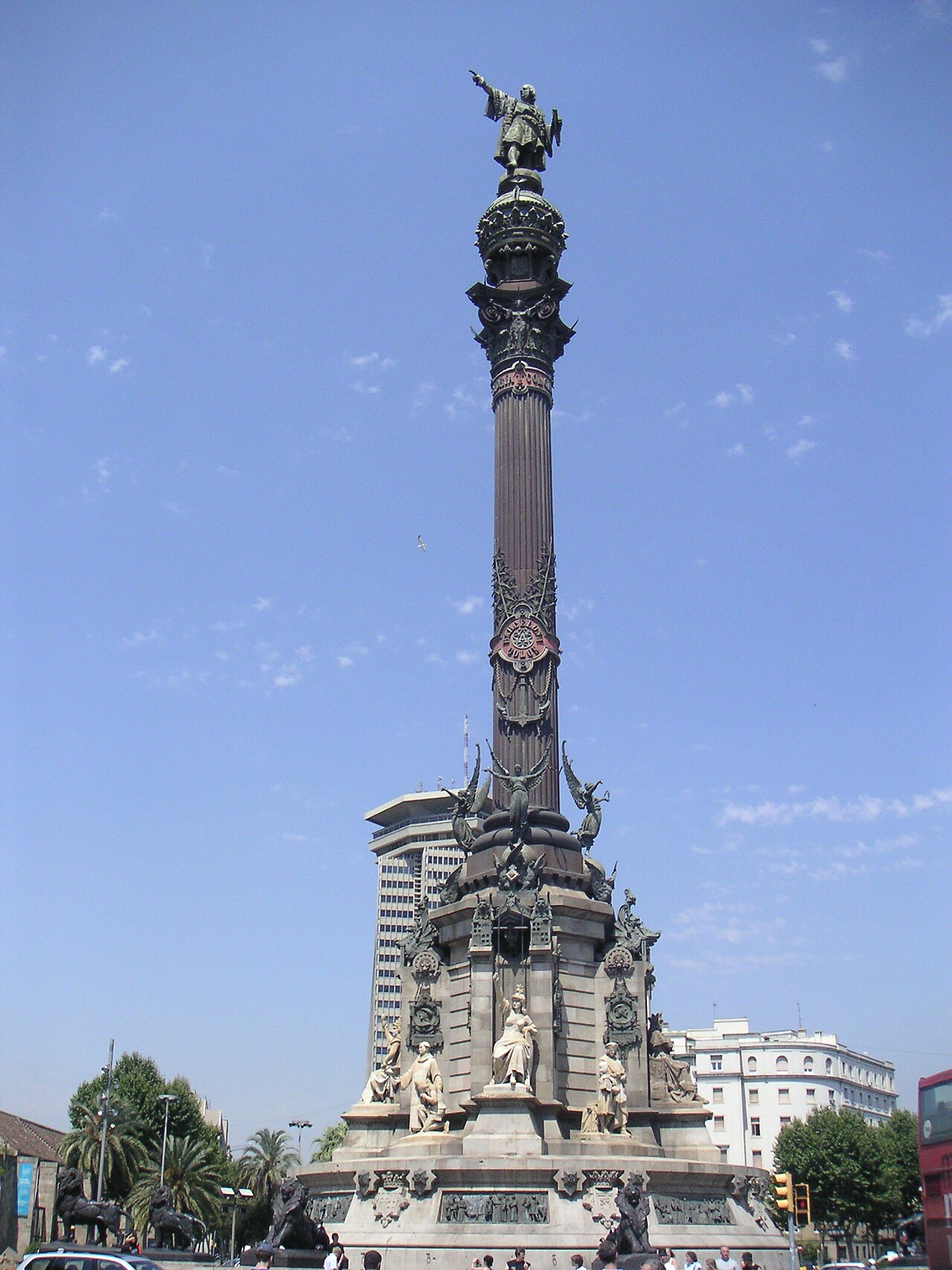
This place is a Attraction. It was established in 1888. It was built in the historicist architecture style. It is built of iron. It carries the Cultural Asset of Local Interest heritage designation.
The Columbus Monument, or Monument a Colom, rises at the lower end of La Rambla where Barcelona’s historic centre meets the waterfront. Erected in honour of Christopher Columbus, it commemorates his reported first voyage to the Americas and his return to the Catholic Monarchs. A tall column supports the statue of Columbus pointing toward the sea, although the gesture does not point directly toward the New World. The monument is both a memorial and an unmistakable meeting point beside the port. The Columbus Monument, known locally as Monument a Colom, stands as a prominent landmark in Barcelona. Erected to honour Christopher Columbus, it commemorates his reported first voyage to the Americas and his subsequent report to the Catholic Monarchs. The monument occupies a significant position at the lower end of La Rambla, near the waterfront. Its tall column supports a statue of Columbus pointing seaward, though notably not toward the New World. No. Barcelona's Monument a Colom is a distinct structure located at the lower end of La Rambla near the port. Madrid hosts a separate Columbus monument in its city centre.
Checked 2026-08-26 · Source
The monument’s base contains sculptural and decorative elements connected with Columbus and his voyages. Inside the column, an elevator carries visitors toward a viewing platform beneath the statue, creating a perspective unavailable from the pavement. From above, the surrounding scene opens toward La Rambla, the port, and nearby districts. The interior visit is therefore less about a sequence of rooms than about the relationship between the monument’s structure, its historical imagery, and the city spread around it.
Checked 2026-08-26 · Source
Allow thirty minutes to one hour for the full experience. Looking at the monument from street level is quick because the column dominates the surrounding plaza. Entering the structure and reaching the viewing platform adds time for the elevator journey and any queue. Afterward, the waterfront promenade and the end of La Rambla naturally extend the stop. Travelers who only want the landmark photograph can make it a brief pause, while those seeking the elevated view should allow more flexibility.
Checked 2026-08-26 · Source
The exterior can be appreciated whenever the surrounding public thoroughfares are accessible, while the elevator and viewing platform create a separate timed element. Early morning is often the calmest period for street-level photographs and an easier walk along the waterfront. Later in the day, the port and La Rambla become busier. Clear weather improves the elevated outlook, but the monument remains visually compelling in changing conditions. Include extra time if you are visiting during a crowded period or coordinating nearby attractions.
Checked 2026-08-26 · Source
The monument is easy to appreciate without entering: its exterior stands in public space at the end of La Rambla. The elevator and viewing platform form the paid attraction within the landmark, so decide whether the elevated perspective is important to your visit. The street-level experience already includes the column, statue, base sculptures, and the setting between the city and port. Travelers planning only a photograph can therefore treat the monument as a short public-space stop.
Checked 2026-08-26 · Source
The Columbus Monument stands where La Rambla reaches the waterfront, making it straightforward to reach on foot from the Gothic Quarter, El Raval, or Barceloneta. Drassanes station on metro line L3 is nearby, and buses serve the surrounding streets. The port adds a maritime approach and makes the monument easy to combine with waterfront walking. Cyclists can use the surrounding cycle network. Because the site sits beside busy roads and a major pedestrian corridor, arrive attentively when crossing.
Checked 2026-08-26 · Source
La Rambla and the monument’s plaza attract heavy pedestrian traffic, so keep phones and bags secure in the crowd. The nearby traffic intersection requires care when crossing. If you use the elevator and viewing platform, height and exposure may be uncomfortable for some visitors, while platform capacity can affect the pace of the visit. Strong wind or rain may reduce comfort above ground. The external monument remains the simplest option for travelers who prefer to stay at street level.
Checked 2026-08-26 · Source
Begin at a distance to capture the entire column and statue against the sky, then move toward the base for sculptural details. The waterfront provides wider compositions that place the monument within Barcelona’s port landscape, while La Rambla supplies a strong urban approach. If the viewing platform is open, look for elevated views over the city and harbour. Morning and late-afternoon light can add depth to the stonework. At night, the monument’s illumination creates a different subject, with surrounding pedestrian movement adding scale.
Checked 2026-08-26 · Source
It stands at the lower end of La Rambla, where the historic city centre meets the waterfront and port.
Yes. An internal elevator leads to a viewing platform beneath the statue, adding an elevated perspective to the street-level monument.
The statue points toward the sea, but not directly toward the Americas.
Plan thirty minutes to one hour, depending on whether you only view the exterior or also use the elevator and viewing platform.
You can see the full column and statue, sculptural details around the base, La Rambla, the waterfront, and the surrounding port setting.
Drassanes station on metro line L3 provides nearby underground access, followed by a short walk toward the waterfront.
Loading the interactive map…
The interactive map could not be loaded.
Last updated:
Source: OpenStreetMap contributors, Wikidata ·