.jpg)
.jpg)

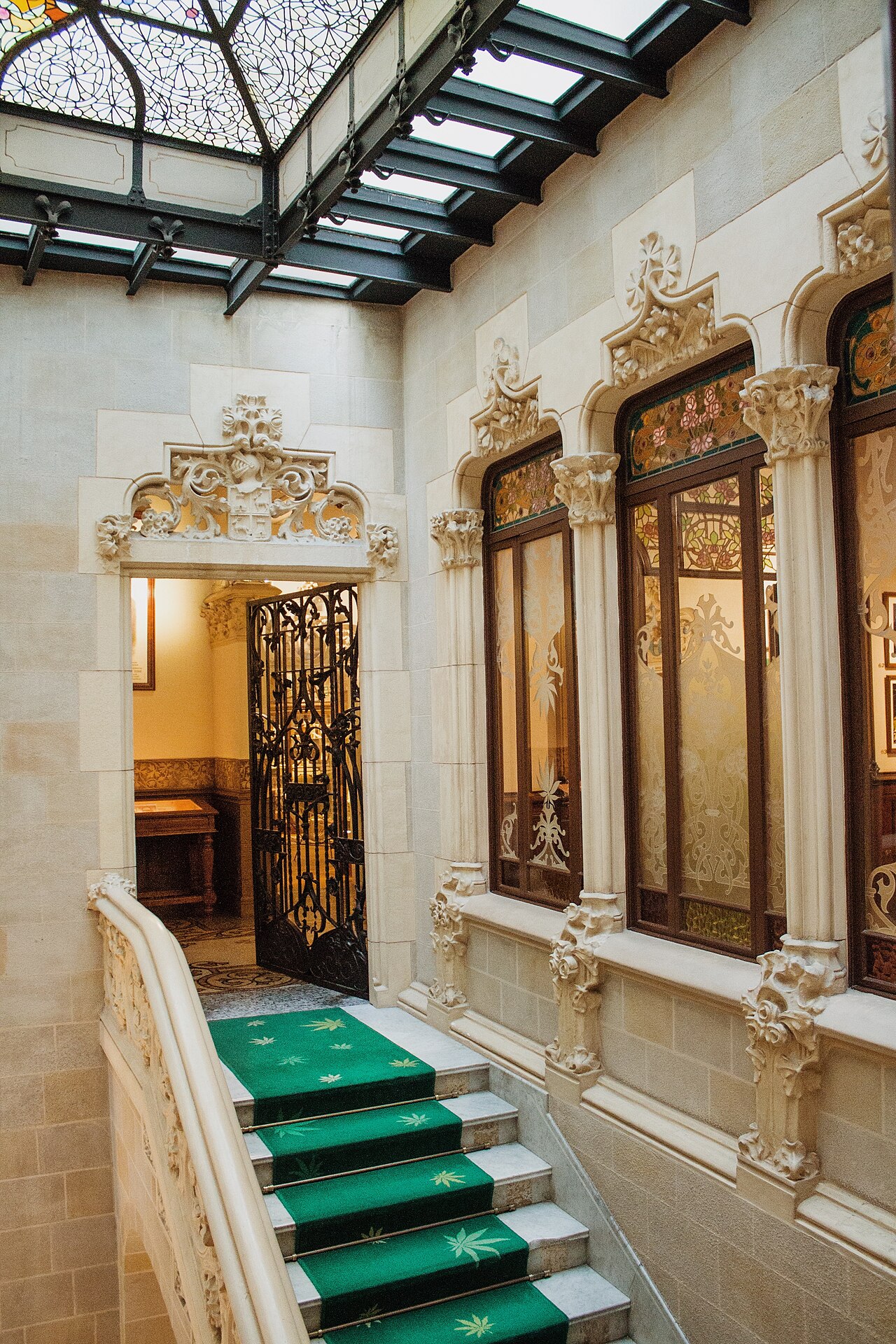
2 min walk
Hash Marihuana & Hemp Museum
- Notable · Heritage site
- Museum
Place of worship · Barcelona
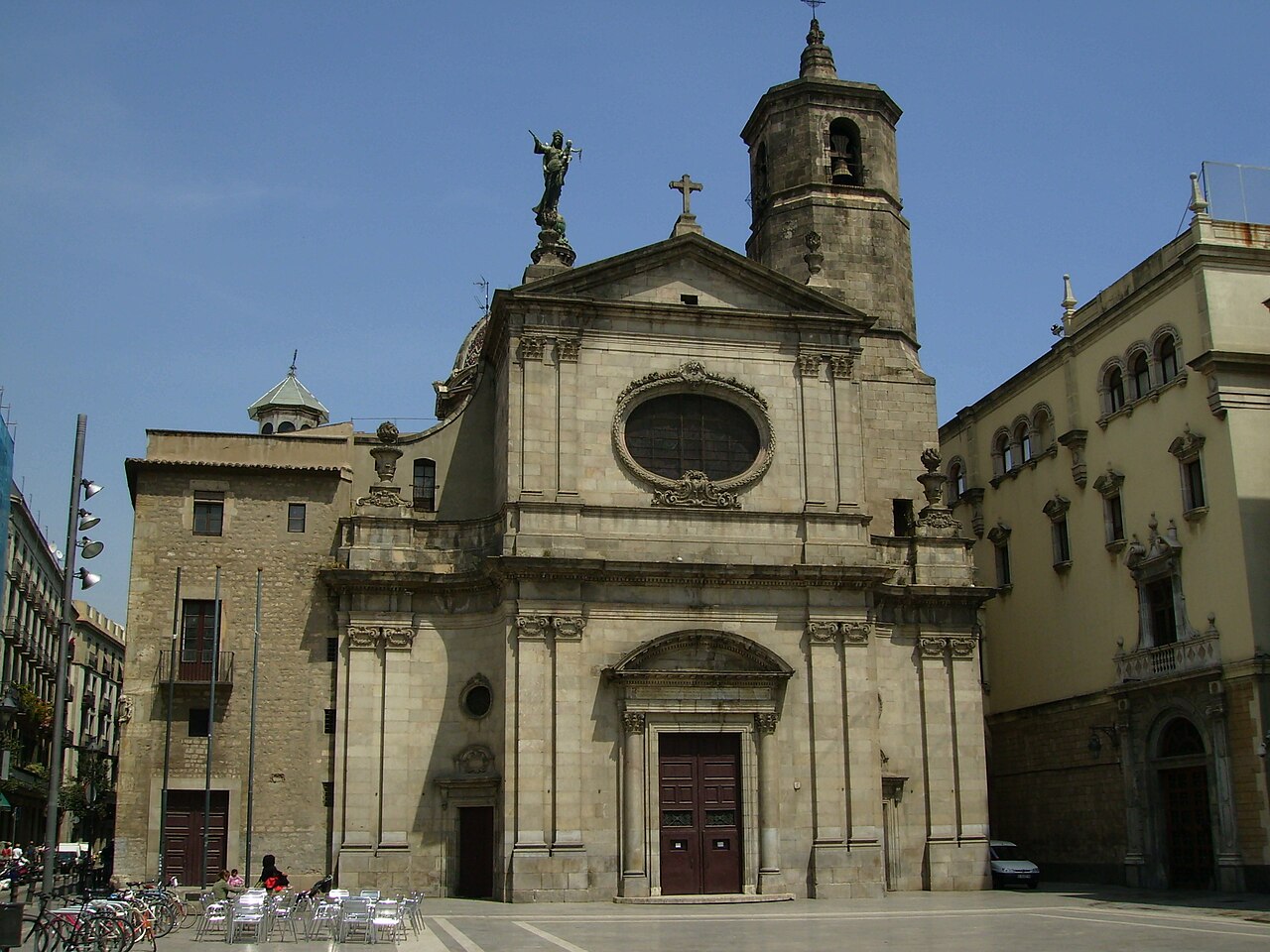
Basílica de la Mercè
The Basilica of Our Lady of Mercy is a Baroque church in Barcelona’s Gothic Quarter, close to the port and the historic centre. Dedicated to the Virgin of Mercy, patroness of Barcelona, it remains an active place of worship. Its setting makes it a compact cultural stop while walking between the waterfront, La Rambla and the older streets of Ciutat Vella. The church is especially connected with the city’s religious and civic identity, including celebrations associated with La Mercè in September. The Basilica of Our Lady of Mercy is a Baroque church in Barcelona's Gothic Quarter. Dedicated to the Virgin of Mercy, patroness of the city, it was originally built in the 18th century. The building occupies a prominent position near the port area and represents an important religious and historical landmark. Its architectural style reflects the period of Spanish colonial prosperity. The basilica continues to serve as an active place of worship and hosts significant civic religious observances, particularly the annual La Mercè festival celebrations in September, when devotion to the city's patroness reaches its peak.
Checked 2026-08-26 · Source
Inside, the focus is the church’s Baroque interior and its devotional character. Look for the main altarpiece, religious artwork, traditional ecclesiastical furnishings and details of the longitudinal nave. The visual experience is intimate rather than museum-like: the building is arranged for worship, prayer and ceremonies, not for a large exhibition route. The dedication to the Virgin of Mercy shapes the atmosphere and helps explain the basilica’s importance in Barcelona. During services, parts of the interior may be reserved for worshippers.
Checked 2026-08-26 · Source
Allow about 20 to 40 minutes for a focused visit. That is enough time to take in the nave, altarpiece, devotional spaces and architectural details without turning the church into a rushed photo stop. A visitor attending a service will need to organise the visit around the ceremony and may spend longer inside. Travellers interested in Baroque religious architecture or Marian devotion can extend their stay by observing the decorative details from a respectful position.
Checked 2026-08-26 · Source
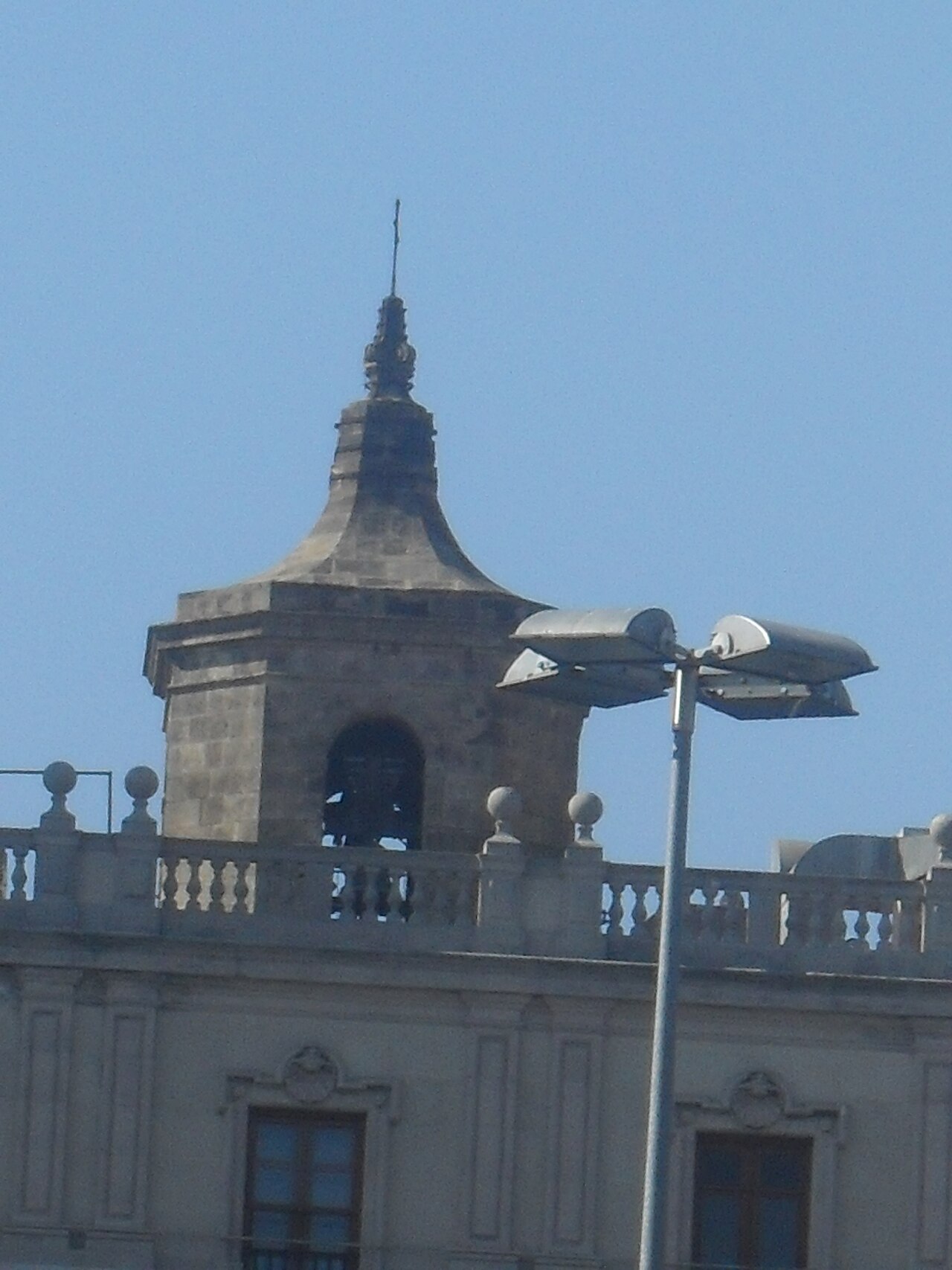
The basilica works well as a daytime stop during a walk through the Gothic Quarter and port area. Quieter conditions are more suitable for looking closely at the interior, while weekends, feast days and September’s La Mercè celebrations can bring stronger congregational activity. Because this is an active church, the character of a visit changes when worship is taking place. Plan enough flexibility to remain quiet, pause outside or continue to another nearby sight if a ceremony occupies the main space.
Checked 2026-08-26 · Source
Treat the basilica as a church visit rather than a ticketed museum experience. The building serves worshippers, and the central purpose of entering is religious rather than exhibition-based. A traveller can combine the stop with nearby streets, the port and La Rambla without building a separate long attraction block into the day. Keep the visit brief and respectful, and avoid turning the entrance or devotional areas into a gathering point for a large group.
Checked 2026-08-26 · Source
The basilica is in Ciutat Vella, within walking distance of La Rambla and the port. Drassanes on metro line L3 and Barceloneta on line L4 are useful nearby network points, followed by a walk through the historic street pattern. Buses serve the surrounding central district. Narrow medieval streets and pedestrian areas make a private car inconvenient. The basilica is easy to pair with a walking route through the Gothic Quarter, waterfront and other Old City landmarks.
Checked 2026-08-26 · Source
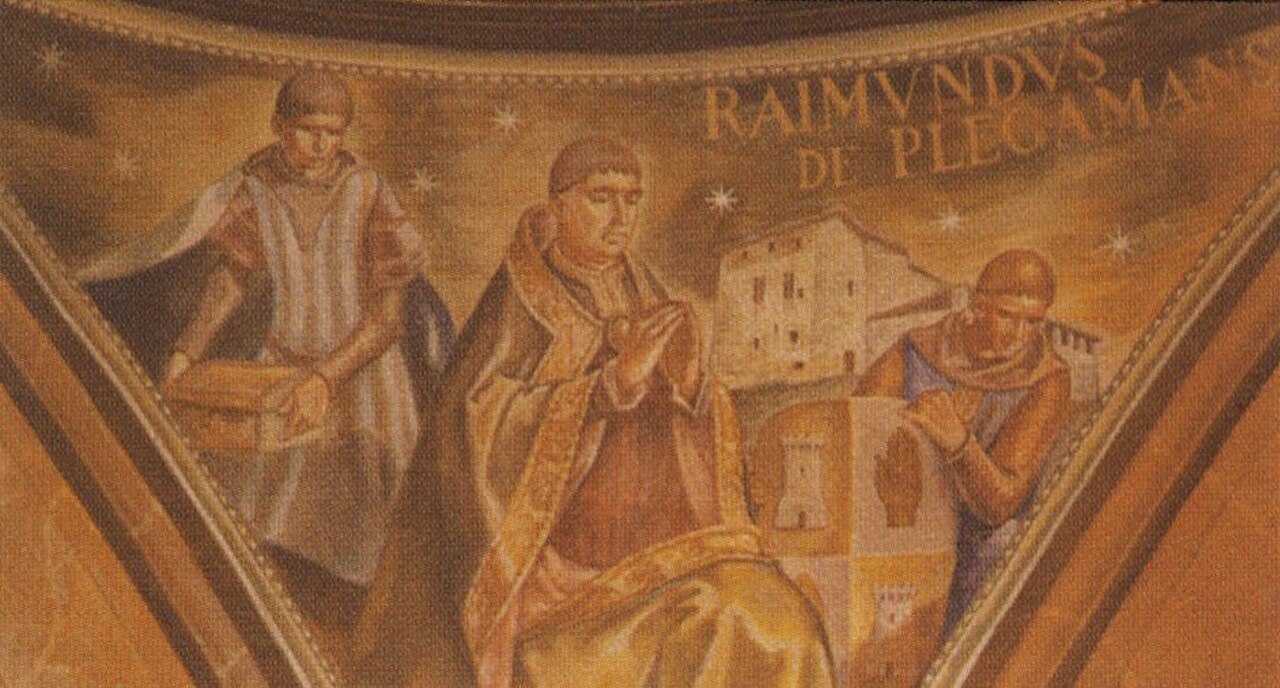
This is an active worship space, so keep voices low, dress respectfully and leave room for people attending prayer or services. Shoulders and knees should be covered. Medieval streets around the basilica can be narrow and busy, and the historic interior may include worn or uneven flooring. Keep valuables secure in crowded tourist corridors. Children should stay close to accompanying adults around devotional furnishings and candles. Visitors with mobility needs should prepare for the limitations that can accompany an older church building.
Checked 2026-08-26 · Source
Photography should remain secondary to the basilica’s religious function. Avoid photographing during services, and do not interrupt prayer or block movement through the nave. Flash can disturb worshippers and create an unsuitable atmosphere around religious artwork. Tripods and professional equipment are inappropriate in the confined interior without explicit permission. The Baroque decoration and exterior position near the port provide different photographic subjects, but respectful distance and attention to people using the church should guide every image.
Checked 2026-08-26 · Source
No. They are separate churches. This basilica is a Baroque building dedicated to the Virgin of Mercy, while Barcelona Cathedral is a Gothic church dedicated to Saint Eulalia.
It is dedicated to the Virgin of Mercy, who is regarded as Barcelona’s patroness. That dedication connects the church with the city’s religious identity and with La Mercè celebrations in September.
The basilica has a Baroque character, with a longitudinal nave, devotional spaces, religious artwork, ecclesiastical furnishings and a main altarpiece forming the central visual focus.
Plan approximately 20 to 40 minutes for viewing the interior and devotional spaces. A service or a closer interest in Baroque details can make the visit longer.
It stands in Barcelona’s Ciutat Vella, in the Gothic Quarter near the port. It can be reached on foot from La Rambla and combined with a walk through the historic centre.
Wear respectful clothing covering the shoulders and knees, and keep your voice low. The basilica is an active place of worship, so worshippers and ceremonies take priority over sightseeing.
Loading the interactive map…
The interactive map could not be loaded.
Last updated:
Source: OpenStreetMap contributors, Wikidata ·