
2 min walk
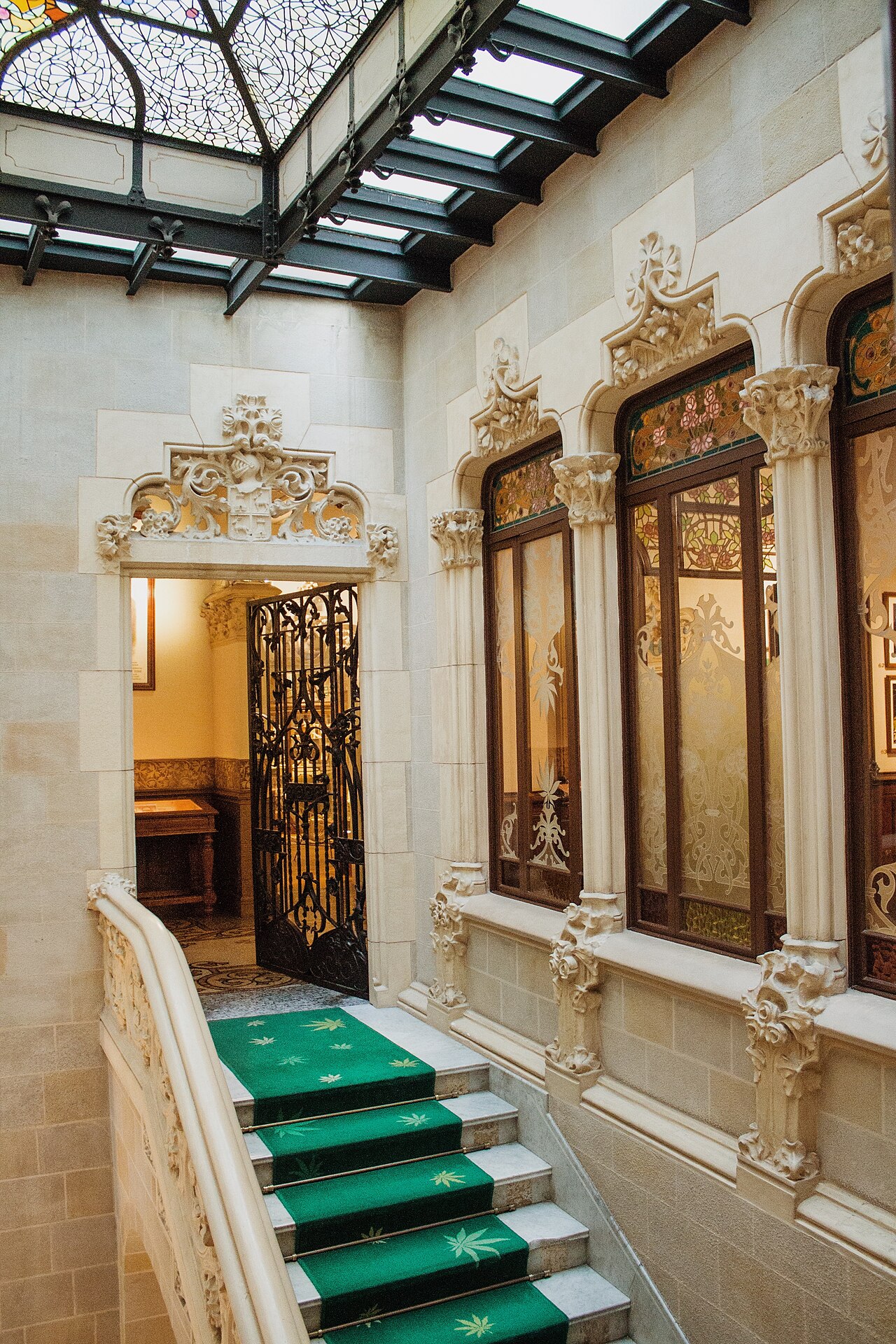
Hash Marihuana & Hemp Museum
- Notable · Heritage site
- Museum
Historic monument · Barcelona
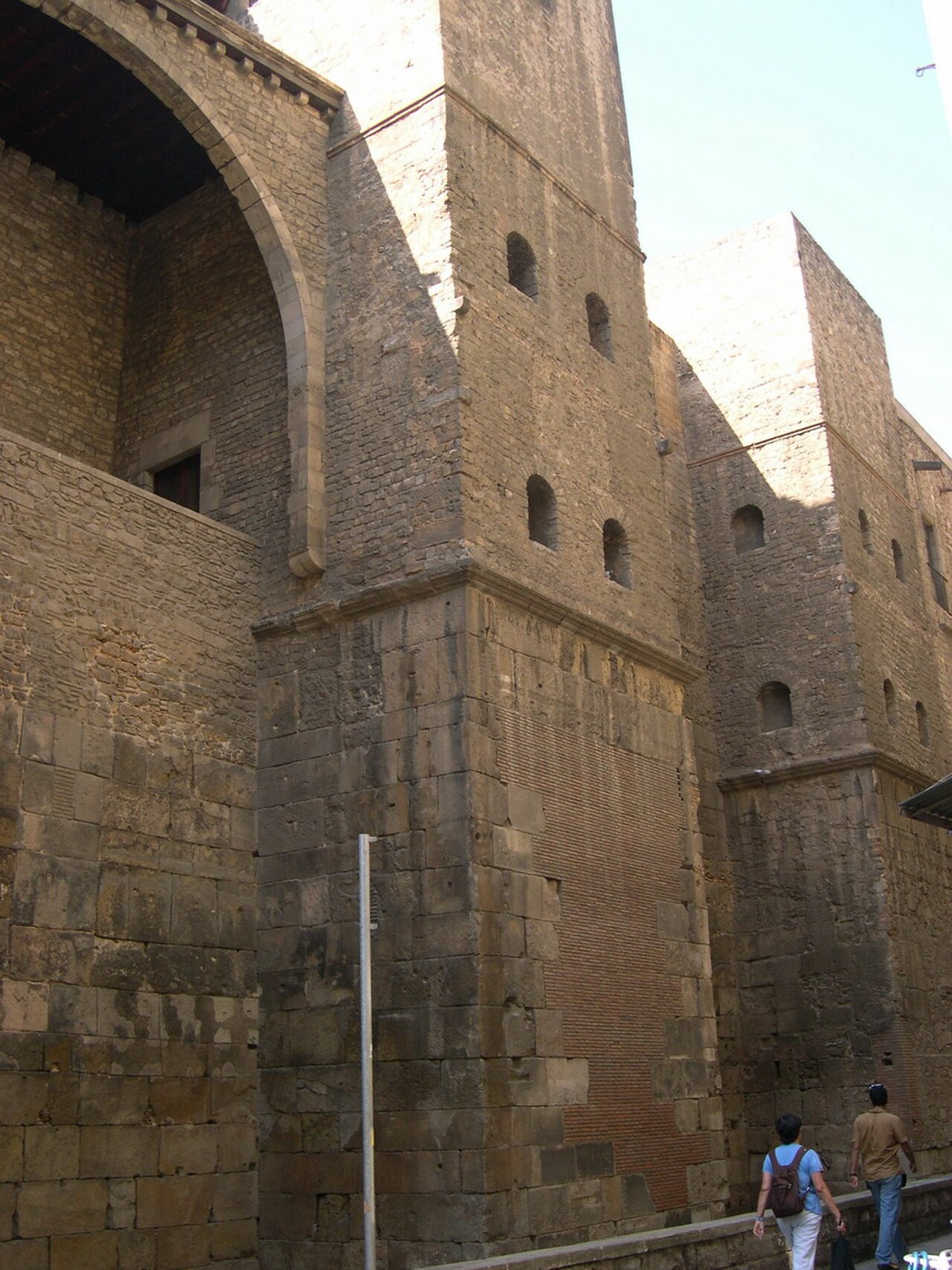
Muralla Romana
The Roman walls of Barcelona, known locally as Muralla Romana, constitute remnants of the ancient fortifications that once encircled Barcino, the Roman colony founded in the first century BC. These defensive structures represent one of the most significant surviving traces of Roman urban planning in the Iberian Peninsula. Portions of the original walls, towers, and gateways remain integrated into the modern urban fabric of Barcelona's Gothic Quarter, standing as tangible evidence of the city's classical origins and continuous habitation across two millennia.
Checked 2026-08-26 · Source
Visitors can observe surviving sections of the ancient Roman fortification system, including portions of the defensive walls, tower foundations, and gateway structures. The remains are embedded within and adjacent to later medieval and modern constructions, creating visible archaeological layers. Stone construction techniques typical of Roman military engineering are discernible in the preserved fabric. Some sections incorporate reused materials and demonstrate subsequent modifications. The walls connect to other Roman archaeological features in the vicinity, including remains of the former temple and other colonial infrastructure embedded within the contemporary cityscape.
Checked 2026-08-26 · Source
The duration of a visit to the Roman walls depends substantially on individual interest and the specific route taken through the Gothic Quarter. A focused examination of the most prominent surviving sections may require approximately thirty to sixty minutes. Visitors with broader archaeological interests who wish to trace the full circuit of remaining walls, examine construction details, and contextualize the remains within the wider historic quarter should allocate between ninety minutes and two hours. The dispersed nature of the remains necessitates walking through pedestrian streets and may extend the overall visit time accordingly.
Checked 2026-08-26 · Source
The Roman walls of Barcelona are situated within the public streetscape and accessible at all hours as exterior monuments without controlled entry points. Visitors should note that individual sections may have differing accessibility conditions depending on adjacent building operations or temporary works. Daylight hours offer superior visibility for examining construction details and reading any informational plaques. Evening illumination in certain sections may provide alternative atmospheric conditions but reduced clarity for archaeological observation. Seasonal weather variations affect comfort during extended walking examination of the dispersed remains.
Checked 2026-08-26 · Source
No admission fee is required to view the Roman walls from public thoroughfares where they remain exposed as street-level monuments. Certain adjacent museums or interpretation centers in the Gothic Quarter may charge separate entry fees for interior exhibitions that provide additional context about Barcino's Roman period. Visitors seeking comprehensive understanding should investigate whether combined tickets or guided archaeological tours are available through official municipal or museum channels. Independent exploration of the visible wall remains incurs no direct cost beyond personal transportation and any optional interpretive materials.
Checked 2026-08-26 · Source
The Roman walls are distributed throughout Barcelona's Gothic Quarter, the historic central district. The area is served by multiple metro stations including Jaume I on Line 4 and Liceu on Line 3, both within walking distance of principal wall sections. Numerous bus routes traverse the surrounding streets. The Gothic Quarter is extensively pedestrianized, and visitors should anticipate walking on uneven historic paving. Taxis and ride services can access peripheral streets. From Barcelona's port or main railway stations, the Gothic Quarter is reachable on foot for able walkers. Cycling is feasible on surrounding streets though restricted within narrow historic lanes.
Checked 2026-08-26 · Source
The wall remains are integrated into active urban environments; visitors must remain aware of vehicular traffic on adjacent streets and bicycle lanes. Uneven paving and irregular surfaces present trip hazards, particularly in narrow passages. Some sections are partially obscured by adjacent buildings, street furniture, or vegetation, requiring attentive observation to locate. Weather exposure affects stone surfaces; wet conditions increase slip risk. The area experiences significant tourist congestion, elevating pickpocket risk. Visitors should respect private property boundaries where walls abut inhabited structures. Nighttime navigation in unlit passages demands caution. Temporary construction or restoration works may restrict access to specific sections without advance notification.
Checked 2026-08-26 · Source
Photography of the Roman walls is generally permissible from public spaces without restriction. Optimal conditions occur during morning and late afternoon when angled sunlight emphasizes the texture and coursing of ancient masonry. Certain sections are partially shadowed by surrounding buildings, requiring exposure compensation. The narrow street context limits wide-angle composition; photographers should anticipate close working distances. Tripod use in busy pedestrian thoroughfares may obstruct passage and attract security attention. Night photography is possible where municipal lighting illuminates wall sections, though variable color temperature affects color accuracy. Adjacent building facades and street elements inevitably intrude into compositions, challenging attempts at isolated architectural documentation.
Checked 2026-08-26 · Source
No. Only portions of the original Roman fortifications survive, integrated into the modern urban fabric of the Gothic Quarter. Significant sections were demolished during subsequent urban expansion and rebuilding phases across two millennia.
The surviving remains are generally fragmentary wall sections at street level or incorporated into building foundations. There is no documented accessible walkway along the original wall circuit.
Visitors may find commercial walking tours of the Gothic Quarter that include the Roman walls among other historic features, but official dedicated archaeological tour availability is not confirmed.
The walls date from the Roman colonial period of Barcino, founded in the first century BC.
Partially. The Gothic Quarter contains uneven historic paving and narrow passages. Some wall sections may be viewable from accessible adjacent streets, but comprehensive independent navigation presents challenges.
The walls are open-air monuments distributed through the streetscape.
Loading the interactive map…
The interactive map could not be loaded.
Last updated:
Source: OpenStreetMap contributors, Wikidata ·