
1 min walk
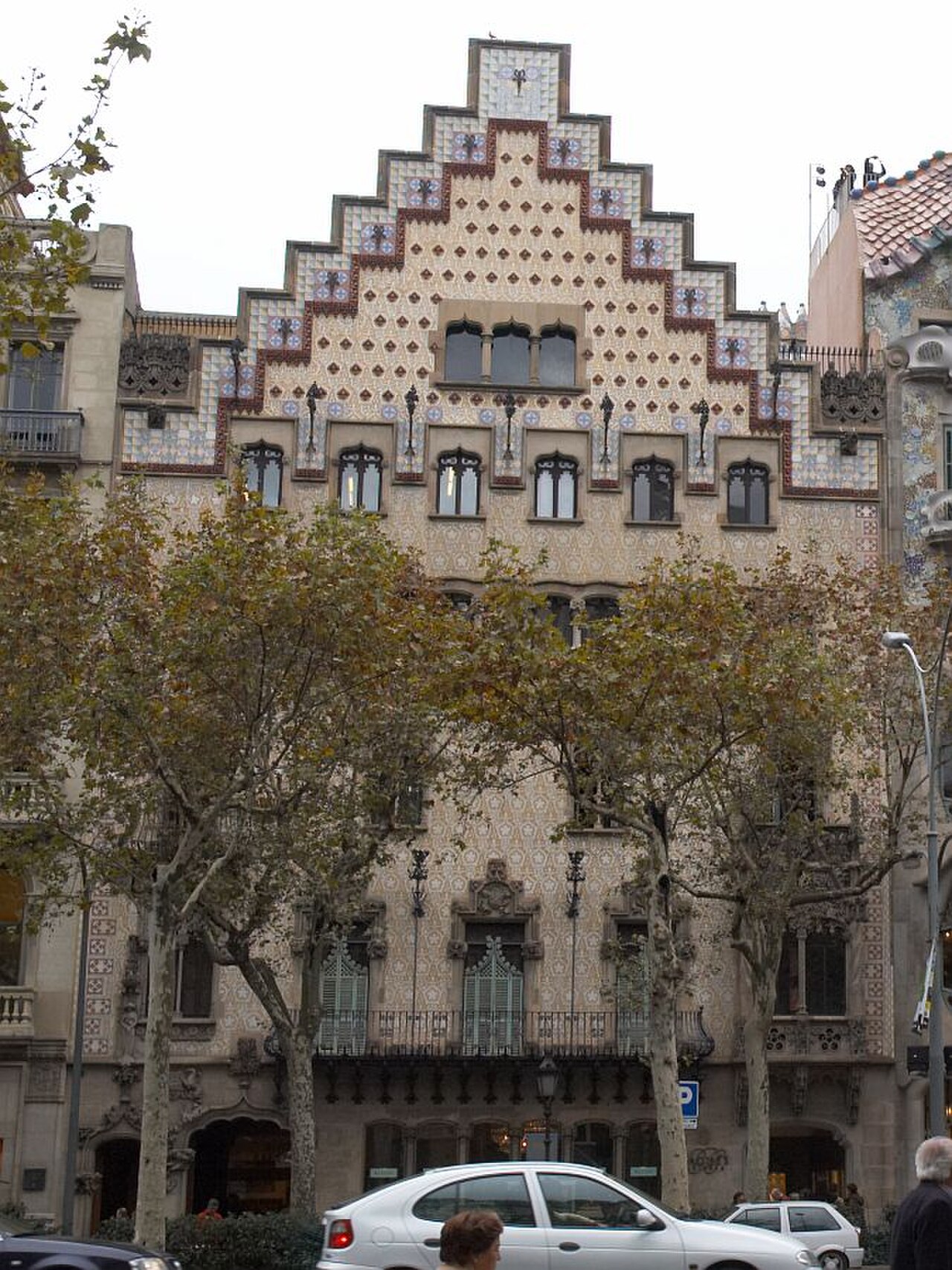
Casa Amatller
- Must see · Heritage site
- Art and culture venue
Language · 11 published
Historic monument · Barcelona
Reviewed by Elena Voss · Roavina Travel Editor
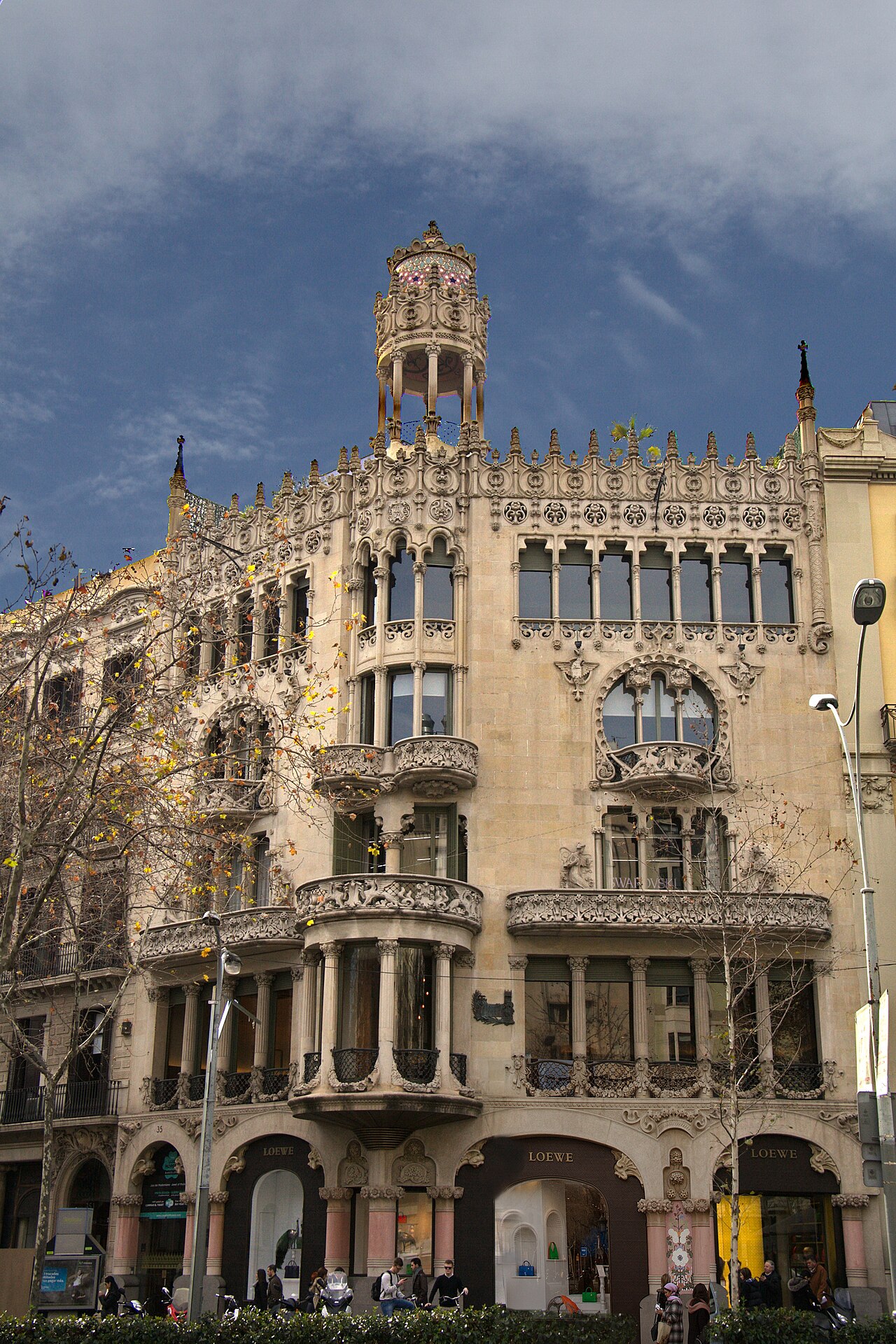
This place is a Attraction. It was built in the Catalan modernism style. It was designed by Lluís Domènech i Montaner. It carries the Cultural Asset of Local Interest heritage designation.
Casa Lleó Morera is a Modernista building on Passeig de Gràcia in Barcelona's Eixample district. Lluís Domènech i Montaner designed it, and construction took place between 1902 and 1906. The building belongs to the Illa de la Discòrdia, a celebrated block where several major Catalan Modernista architects created contrasting facades. It is a strong stop for travelers interested in architecture, craftsmanship, and the visual character of central Barcelona. Casa Lleó Morera is a Modernista building in Barcelona's Eixample district. Designed by architect Lluís Domènech i Montaner, it was constructed between 1902 and 1906 on Passeig de Gràcia. The building is part of Barcelona's famous Illa de la Discòrdia, a city block showcasing contrasting Modernista facades by rival architects. It stands as a significant example of Catalan Art Nouveau architecture, featuring elaborate sculptural work and ornate decorative elements throughout its exterior and interior spaces. Regular public access is not available. The building functions primarily as private office space. Occasional guided tours or special events may provide interior access, but these require advance arrangement through specific tour operators or heritage organizations.
Checked 2026-08-26 · Source
Casa Lleó Morera is known for richly decorated interiors containing sculpture by Eusebi Arnau, mosaics, stained glass, carved wood, and an ornate main staircase. Its original decorative program also reflected the building's early connection with a photography studio on the ground floor. Because the property functions mainly as private office space, travelers should treat the exterior as the dependable public experience and regard interior visits as a special architectural opportunity when arranged. The interior contains richly decorated spaces typical of Domènech i Montaner's style. Notable features include sculptural elements by Eusebi Arnau, mosaic work, stained glass windows, and carved wood details. The building originally housed a photography studio on the ground floor, reflected in its decorative program. The main staircase and noble floor preserve much of their original ornamentation. Access to interior spaces is generally restricted as the building contains private offices and is not regularly open for public tours without special arrangement.
Checked 2026-08-26 · Source
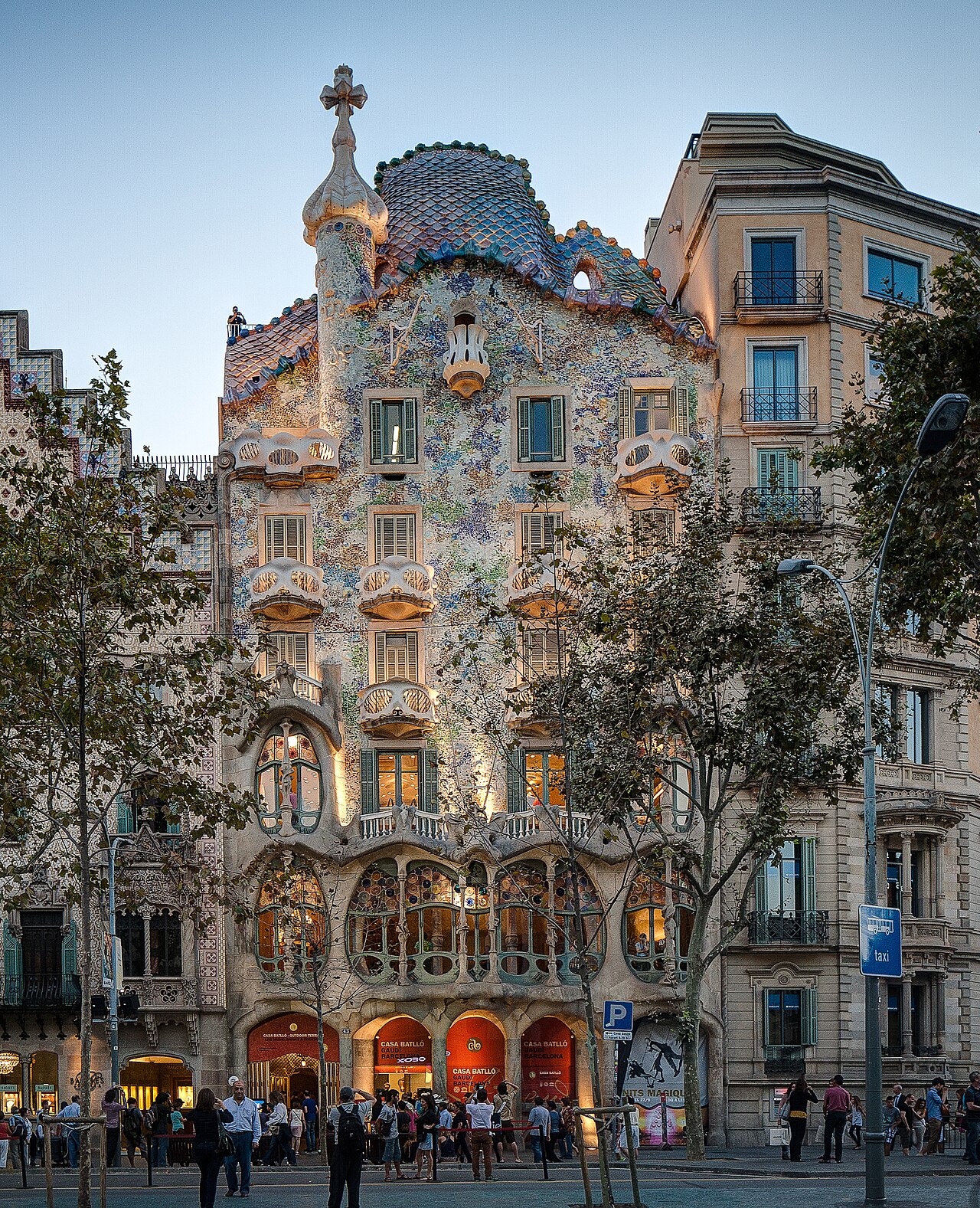
Set aside fifteen to twenty minutes for the exterior. That is enough to study the facade, balconies, sculptural details, and its relationship to neighboring Modernista buildings. An arranged interior visit takes longer, commonly around forty-five minutes to one hour. The building works especially well as part of a Passeig de Gràcia architecture walk, where Casa Batlló and Casa Amatller provide immediate comparisons within the same historic ensemble.
Checked 2026-08-26 · Source
The exterior can be appreciated throughout the day and in every season. Morning and late-afternoon light bring out different qualities in the sculpted facade, while a quieter early visit makes it easier to look closely on the busy avenue. Interior access belongs to arranged tours or events rather than an ordinary walk-in visit. Pairing the building with nearby Casa Batlló and Casa Amatller creates a compact Modernista route through the Eixample.
Checked 2026-08-26 · Source
Viewing Casa Lleó Morera from Passeig de Gràcia is free because the facade can be seen from the public street. The property is primarily private office space, so an interior visit is a different experience requiring authorized access through a tour or cultural event. Travelers planning a Modernista day can enjoy the exterior without adding a standard museum admission, then continue along the same block to buildings with regular visitor routes.
Checked 2026-08-26 · Source
Casa Lleó Morera stands on Passeig de Gràcia in the Eixample. Passeig de Gràcia station is served by metro lines L2, L3, and L4, while Diagonal station is served by L3 and L5. The building is also walkable from Plaça de Catalunya and central neighborhoods. Bus routes, taxis, and ride services use the avenue, making this one of the easiest architectural sights to add to a central Barcelona itinerary.
Checked 2026-08-26 · Source
Passeig de Gràcia is a busy tourist and shopping avenue, so keep belongings secure and leave room for other pedestrians while looking upward at the facade. Casa Lleó Morera remains private office space; do not enter without authorized access. View the building from across the street to take in its full composition, then compare it with Casa Amatller and Casa Batlló on the Illa de la Discòrdia.
Checked 2026-08-26 · Source
The facade rewards close study of its balconies, sculpture, ceramic surfaces, and decorative rhythm. A position across Passeig de Gràcia helps capture the whole building, while a wider lens is useful from the sidewalk. Morning and afternoon light produce different contrasts on the ornament. Interior photography belongs to authorized access only. If using a tripod, keep the pavement clear and avoid interrupting the flow of pedestrians.
Checked 2026-08-26 · Source
Yes. The facade can be viewed from public space on Passeig de Gràcia without entering the private office premises.
The building was designed by the Modernista architect Lluís Domènech i Montaner.
It is the Passeig de Gràcia block containing Casa Lleó Morera, Casa Amatller, and Casa Batlló, designed by different Modernista architects.
Allow about fifteen to twenty minutes for the facade, with more time if you continue along the surrounding Modernista block.
Passeig de Gràcia station is served by L2, L3, and L4; Diagonal station is served by L3 and L5.
Look for sculptural work, mosaics, stained glass, carved wood, ornate balconies, and the building's relationship with its Modernista neighbors.
Loading the interactive map…
The interactive map could not be loaded.
Last updated:
Source: OpenStreetMap contributors, Wikidata ·