
7 min walk
Palau Güell
- Must see · Heritage site
- Historic monument
Language · 11 published
Historic monument · Barcelona
Reviewed by Elena Voss · Roavina Travel Editor
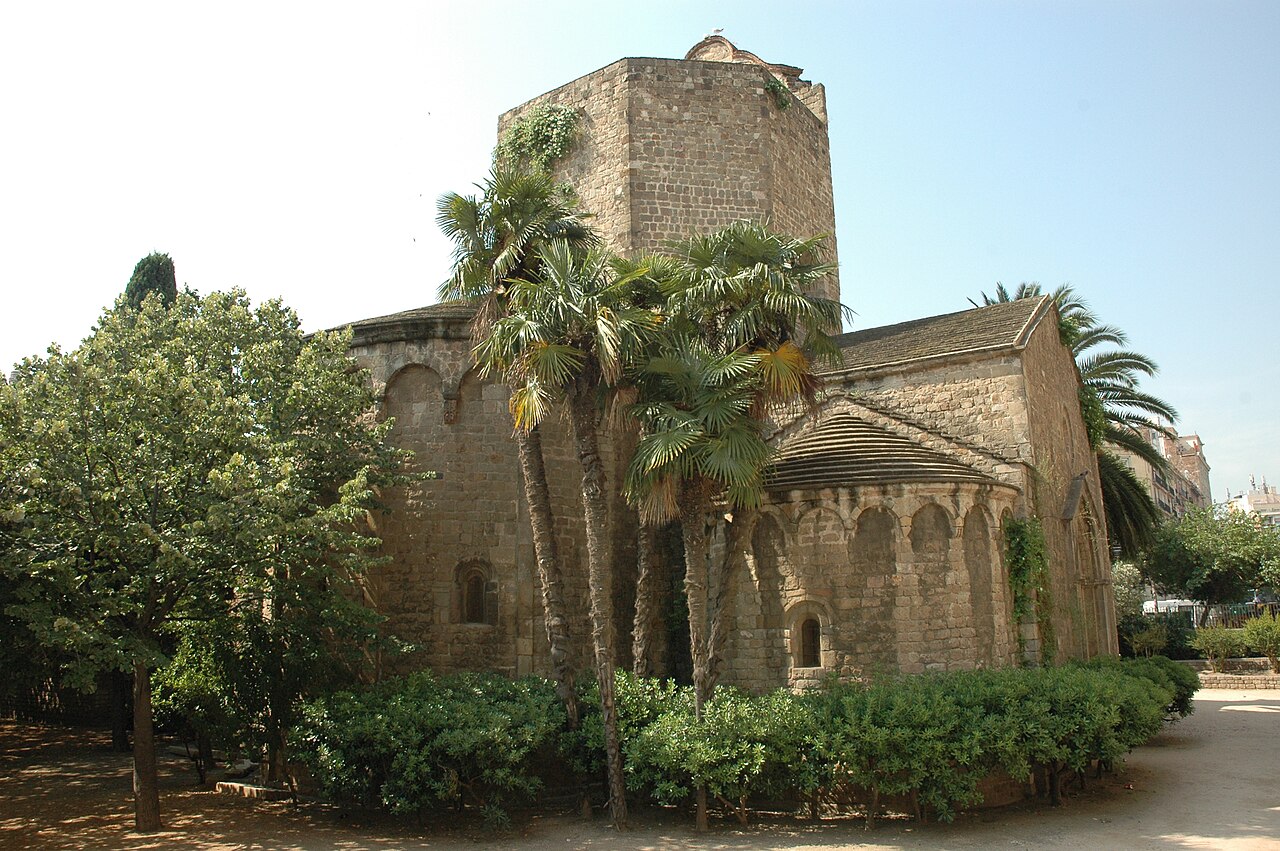
It was built in the Romanesque architecture style. It carries the bien de interés cultural heritage designation.
Sant Pau del Camp is a historic religious complex in Barcelona's El Raval district and one of the city's oldest monastic sites. Its name, Saint Paul of the Countryside, recalls a time when the foundation stood beyond Barcelona's medieval walls. The complex is valued for its Romanesque architecture and its surviving sense of a medieval monastic setting. It offers a quieter historical counterpoint to the grander landmarks along the city's busiest central routes. Sant Pau del Camp is a historic religious complex in Barcelona, recognised as one of the city's oldest monastic sites. The name translates to Saint Paul of the Countryside, reflecting its original location beyond the medieval walls. The structure represents significant Romanesque architecture in Catalonia. The complex holds considerable heritage value for understanding Barcelona's monastic and architectural development over centuries. Sant Pau del Camp represents one of Barcelona's oldest monastic foundations, demonstrating Romanesque architectural development in Catalonia. Its long history reflects the city's religious and urban evolution from medieval period onward.
Checked 2026-08-26 · Source
The church and cloister preserve the stonework, rounded forms and compact arrangement associated with Romanesque religious architecture in Catalonia. Look closely at the proportions of the spaces, the masonry and the way the cloister organises movement around its courtyard. The atmosphere is as important as any individual object: this is a place to read architecture and continuity rather than rush through a large collection. Its age, worn surfaces and monastic scale make details more rewarding than a distant overview. The site contains Romanesque architectural elements characteristic of medieval Catalan religious construction. Visitors can observe structural features typical of monastic complexes from this period.
Checked 2026-08-26 · Source
Plan thirty minutes to one hour for a thoughtful visit. The complex is compact, but visitors who enjoy Romanesque architecture can spend longer studying arches, stone textures, proportions and the cloister. A short visit captures the overall atmosphere; a slower one rewards close observation and quiet reflection. Sant Pau del Camp fits naturally into a half-day walk through El Raval and the historic centre, especially when combined with La Rambla and other cultural sites within walking distance.
Checked 2026-08-26 · Source
Spring and autumn offer comfortable conditions for walking through central Barcelona, while winter can bring a quieter atmosphere and generally mild city weather. Summer is warmer and busier, particularly around the central tourist routes. The interior provides a change from the streets, making the site useful during a cultural day in any season. Since this remains a historic religious place, keep the mood and possible worship around you in mind when choosing the pace and timing of your visit.
Checked 2026-08-26 · Source
Approach Sant Pau del Camp as a heritage church and monastic complex rather than a large museum. The compact site rewards the time spent looking at its Romanesque structure, cloister and atmosphere. It can be included in a central Barcelona walking day, with La Rambla and the El Raval cultural quarter nearby. Keep the visit flexible around the rest of the route, since the most satisfying experience is unhurried architectural observation rather than trying to cover the complex at speed.
Checked 2026-08-26 · Source
Sant Pau del Camp is in El Raval, within Barcelona's central historic area. Walking from La Rambla is a practical way to place the complex in a wider old-city route, while buses and metro stations serving the surrounding district provide public-transport approaches followed by a short walk. The neighbourhood's older street pattern rewards map-led navigation. Driving is less convenient in this part of the city because historic streets offer limited parking and are better explored on foot.
Checked 2026-08-26 · Source
Historic Romanesque buildings may include uneven flooring, steps, narrow passages and changing light. Move slowly around the older stone surfaces and allow your eyes time to adjust indoors. El Raval is a lively, mixed neighbourhood rather than a single-purpose tourist precinct, so keep normal awareness of belongings while walking. Speak quietly and dress and behave respectfully if religious activity is taking place. The compact setting means that considerate movement matters when other visitors are viewing the same details.
Checked 2026-08-26 · Source
Sant Pau del Camp is well suited to detail-led photography: rounded arches, textured masonry, the cloister courtyard and the contrast between shadow and natural light. Exterior views benefit from studying the façade and surrounding street before choosing a position. Inside, keep the camera discreet and avoid flash if signs or staff request it, particularly where worship or quiet contemplation is present. A close lens or phone works well in the compact spaces, where large equipment can interfere with movement.
Checked 2026-08-26 · Source
It is one of Barcelona's oldest monastic sites and an important example of Romanesque architecture in Catalonia.
The complex presents a Romanesque church, aged stonework, rounded architectural forms and a cloister arranged around a courtyard.
Allow thirty minutes to one hour, or longer if you want to study the Romanesque details and cloister carefully.
It is in Barcelona's El Raval district, within walking distance of La Rambla and the historic centre.
Sant Pau del Camp is recognised for Romanesque architecture, including rounded forms, historic masonry and a monastic cloister.
Combine it with a walk through El Raval, La Rambla and Barcelona's central historic area for a compact cultural route.
Loading the interactive map…
The interactive map could not be loaded.
Last updated:
Source: OpenStreetMap contributors, Wikidata ·