1788.JPG)
5 min walk
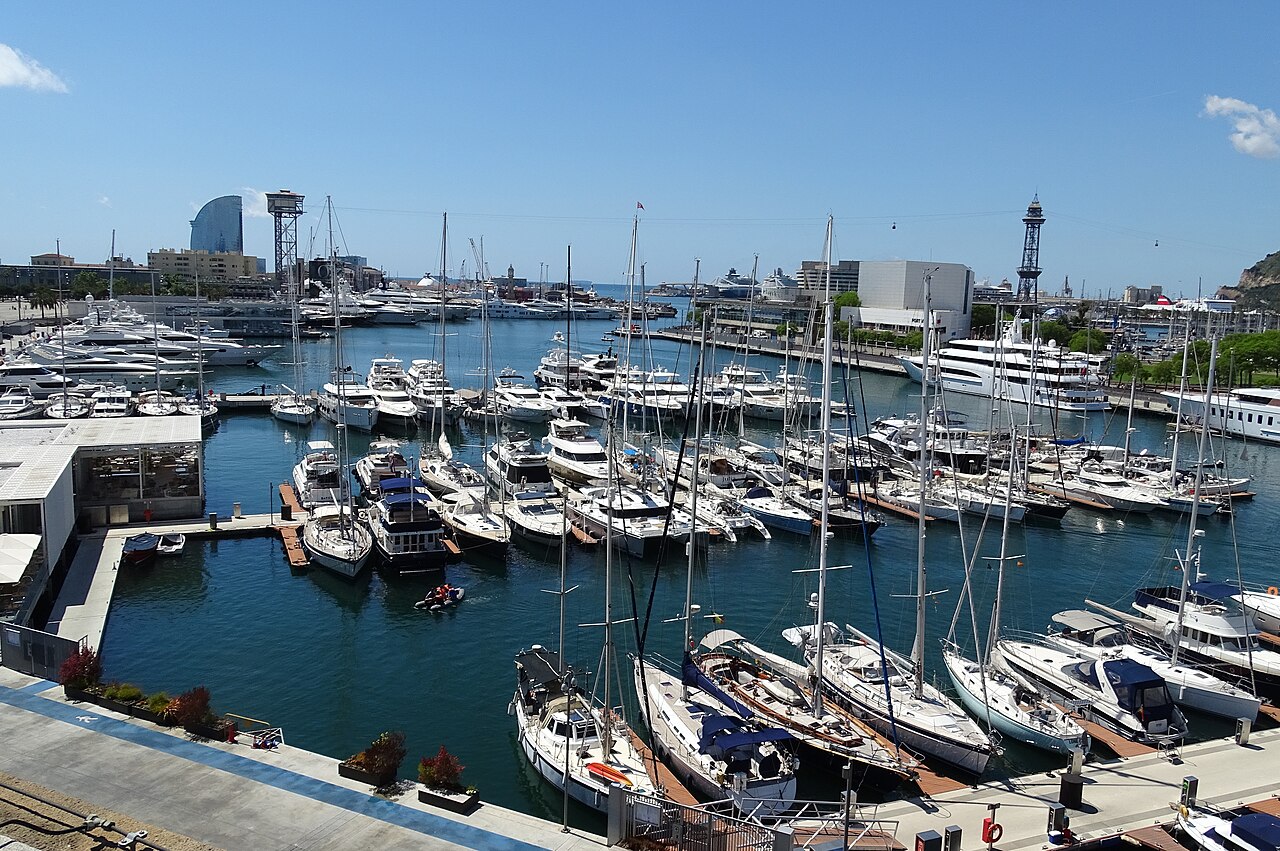
Port Vell de Barcelona
- High
- Historic monument
Language · 11 published
Historic monument · Barcelona
Torre de Jaume I
Reviewed by Elena Voss · Roavina Travel Editor
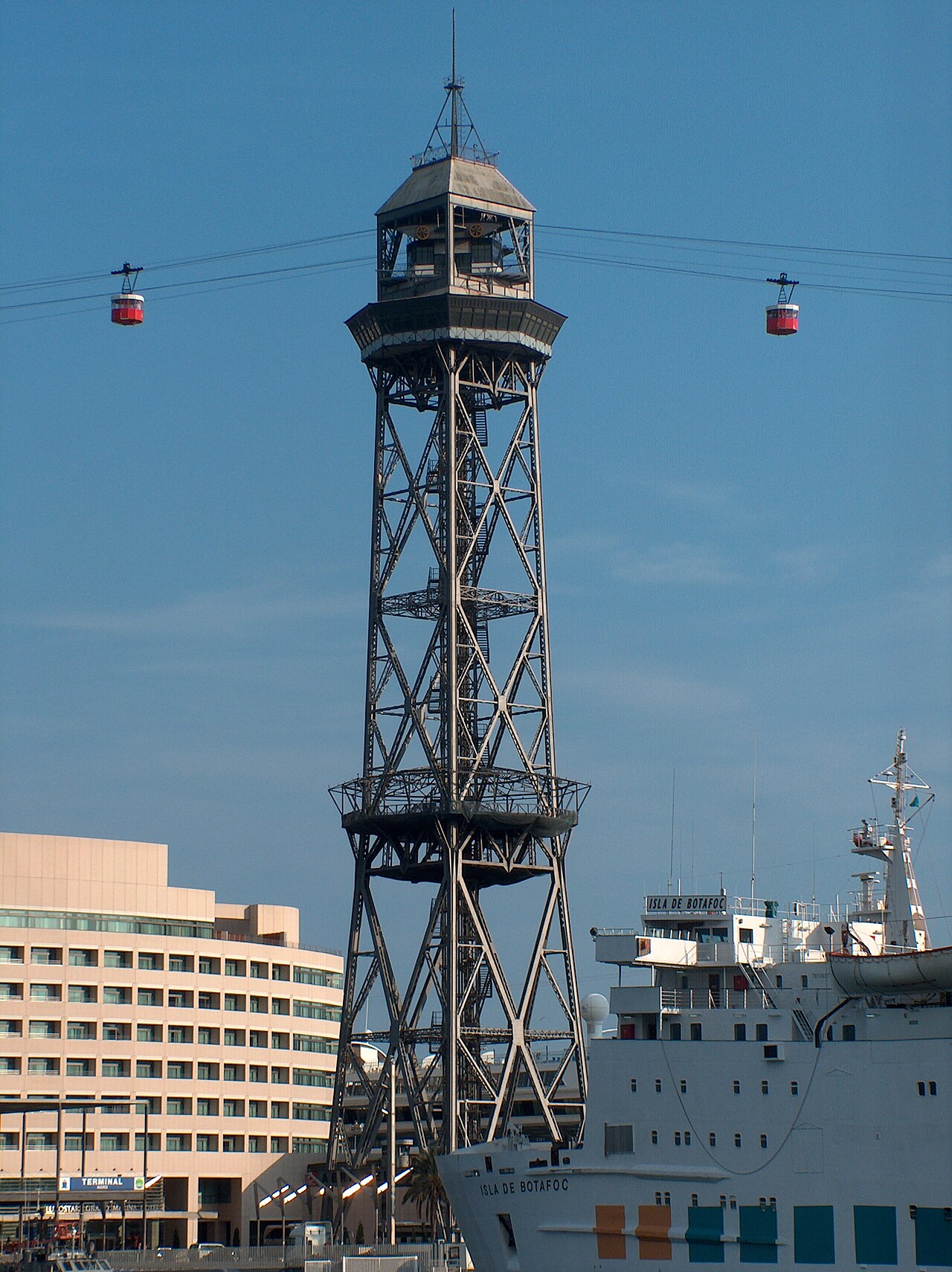
It was established in 1931. It was built in the cast-iron architecture style. It was designed by Carles Buïgas. It carries the Cultural Asset of Local Interest heritage designation.
Torre Jaume I is a named tower in Barcelona’s built landscape. The name refers to James I of Aragon, an important figure in Catalan history, and gives the structure a connection with the historical identity of the city. For travellers, Torre Jaume I is best approached as an urban landmark encountered within a wider route. Its interest comes from recognising a distinctive named structure, reading its form against Barcelona’s skyline, and placing it within the city’s broader architectural setting. The tower can appeal to visitors who enjoy infrastructure, city views, architectural silhouettes, and places that sit outside the most famous monument circuit. The name itself invites attention to the layers of Barcelona’s past and to the Catalan cultural landscape in which the tower stands. A brief stop can add variety to a day otherwise focused on museums, churches, and major historic buildings. Rather than expecting a conventional attraction, use Torre Jaume I as a point of orientation and observation while exploring the city.
Checked 2026-08-26 · Source
The place information identifies Torre Jaume I as a tower but does not describe visitor rooms, exhibitions, viewing platforms, commercial spaces, or interior displays. Plan the experience around the structure itself and its relationship with Barcelona’s surrounding buildings. Look at the tower’s outline, materials, height, and position within the urban landscape. Travellers interested in the city’s infrastructure can use the stop to compare the tower with nearby construction, streets, and skyline elements. The value of the visit is observational rather than dependent on a confirmed programme of rooms or facilities. Take time to notice how a tall structure changes the scale of its surroundings and how the name connects a contemporary city view with James I of Aragon. A short exterior encounter can fit comfortably between larger destinations. If the tower is seen from a distance, compare several viewpoints rather than rushing directly toward one location. The surrounding city gives the landmark its context, so the best experience combines the tower with a walk through Barcelona rather than isolating it from the streets around it.
Checked 2026-08-26 · Source
Allow a short stop for Torre Jaume I as part of a Barcelona walking route. The available place description supplies no exhibition itinerary or interior programme that would require a long visit. Several minutes can be enough to identify the tower, study its profile, take photographs, and understand its position in the cityscape. Architecture and infrastructure enthusiasts may stay longer to compare angles, surrounding buildings, and skyline relationships. Build the stop between more substantial destinations, allowing extra time for walking and orientation through Barcelona’s streets. A flexible schedule suits this landmark because its value comes from observation and context rather than from a sequence of timed rooms or displays. Travellers who enjoy urban photography may return to the same area from different directions, while those following a historical route can use the name to introduce James I of Aragon and Catalan history. The tower is therefore easy to include without making it the central commitment of the day.
Checked 2026-08-26 · Source
Choose daylight if you want to appreciate Torre Jaume I as part of Barcelona’s cityscape and produce clear photographs of its outline. Spring and autumn are comfortable seasons for a longer urban walk, while summer midday can make movement through the city tiring. Winter light can emphasise the tower’s silhouette against surrounding buildings. Because the landmark fits naturally into a wider route, its best timing depends on the neighbourhoods and sights you are visiting before and after it. Early or later daylight can give a more open view of the skyline, while busier central periods may make stopping on nearby pavements less comfortable. Treat the tower as one visual encounter in a day of city exploration. Its named connection with James I of Aragon also makes it a useful point for travellers following Barcelona’s historical and Catalan identity, even when the main goal is architecture or photography.
Checked 2026-08-26 · Source
Plan Torre Jaume I as an urban landmark rather than around a confirmed ticketed attraction. The most practical itinerary is therefore a walking route in which the tower provides a brief architectural or skyline stop. Combine it with nearby streets, buildings, viewpoints, or historic places, keeping the day open to the broader city. The tower’s name and form offer enough focus for travellers who enjoy lesser-known elements of Barcelona, but the stop should not carry the expectations of a large museum or observation deck. Use the tower to add local texture to an itinerary built around walking and looking closely at the city. Its lack of a confirmed interior programme makes the surrounding urban setting especially important: Barcelona itself supplies the movement, contrast, and historical context that turn a brief sighting into a worthwhile travel moment.
Checked 2026-08-26 · Source
Use a current Barcelona map to locate Torre Jaume I and approach it as one point within a wider walking route. The place information confirms the Barcelona setting but does not identify a nearby metro station, bus stop, street entrance, or parking point for this exact tower. Once in the surrounding district, walking provides the clearest way to appreciate the landmark’s relationship with neighbouring streets and buildings. Allow additional time for urban orientation, crossings, and the changing scale of Barcelona’s neighbourhoods. A route designed around several points of interest is more practical than travelling across the city solely for a brief tower encounter. Public transport can bring you to the wider area, after which the final approach should be planned with a map. Keep the tower connected to the other places on your day, especially if you are exploring architecture, infrastructure, or Barcelona’s historical identity.
Checked 2026-08-26 · Source
View Torre Jaume I from public visitor areas and avoid entering restricted or operational spaces. A tower should be treated as a functioning urban structure unless a clearly identified visitor route says otherwise. Barcelona’s streets bring ordinary metropolitan concerns: traffic, cyclists, crowds, and personal belongings require attention. Do not build the visit around lifts, platforms, rooms, services, or interior access that the place description does not establish. Weather can also affect a skyline stop, particularly during a longer walk between neighbourhoods. Wear comfortable footwear and keep enough space for other pedestrians when stopping to look or photograph. The tower’s surroundings may feel more important than the structure itself, so remain aware of crossings and moving traffic while choosing a viewpoint. A respectful external encounter is the safest and most coherent way to include this named landmark in a city itinerary.
Checked 2026-08-26 · Source
Torre Jaume I lends itself to urban photography built around line, height, and context. Frame the tower against Barcelona’s sky, nearby façades, or the broader cityscape so that its role as a named landmark is clear. A vertical composition can emphasise height, while a wider frame can show how the structure relates to streets and surrounding buildings. Daylight gives the cleanest view of the tower’s outline, with changing light offering different contrasts between the structure and the skyline. Photograph from public areas without blocking pedestrians or approaching restricted zones. The available description supports the tower as an external city landmark, so concentrate on its profile and architectural relationship with Barcelona rather than looking for an interior photographic subject. Take time to compare viewpoints and keep equipment unobtrusive in busy urban spaces.
Checked 2026-08-26 · Source
Torre Jaume I is a named tower in Barcelona’s built landscape and an urban landmark to encounter while exploring the city.
Jaume I was James I of Aragon, an important figure in Catalan history.
Allow a short stop of several minutes for viewing, orientation, and photographs within a wider walking route.
Photograph the tower’s profile against Barcelona’s sky, façades, and surrounding cityscape from public areas.
It suits travellers interested in urban architecture, infrastructure, skyline views, and lesser-known Barcelona landmarks.
Include it as a brief architectural stop within a broader Barcelona walking route.
Loading the interactive map…
The interactive map could not be loaded.
Last updated:
Source: OpenStreetMap contributors, Wikidata ·