
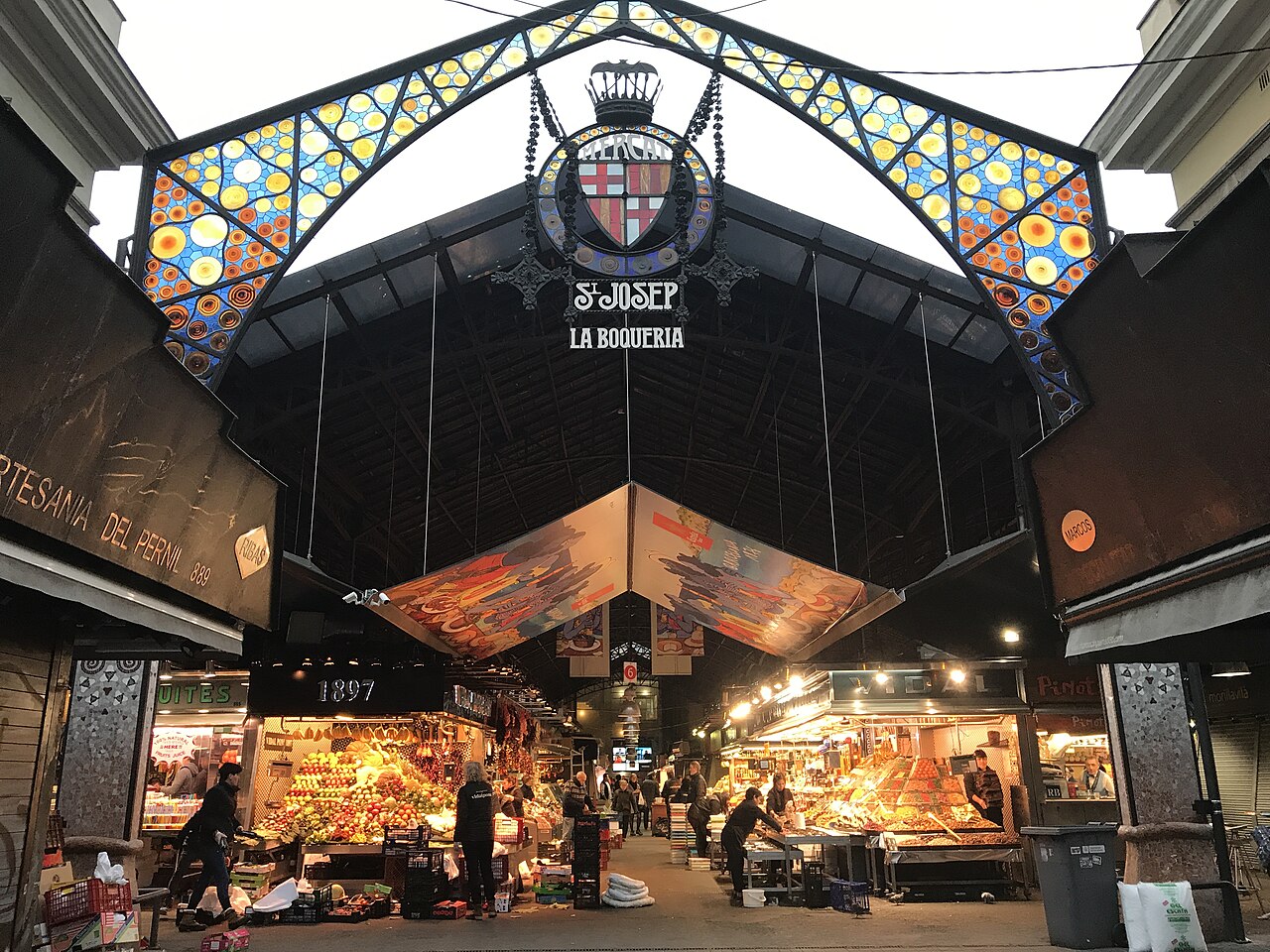
1 min walk
La Boqueria Market
- Must see · Heritage site
- Market
Language · 11 published
Museum · Barcelona
Palau de la Virreina
Reviewed by Elena Voss · Roavina Travel Editor
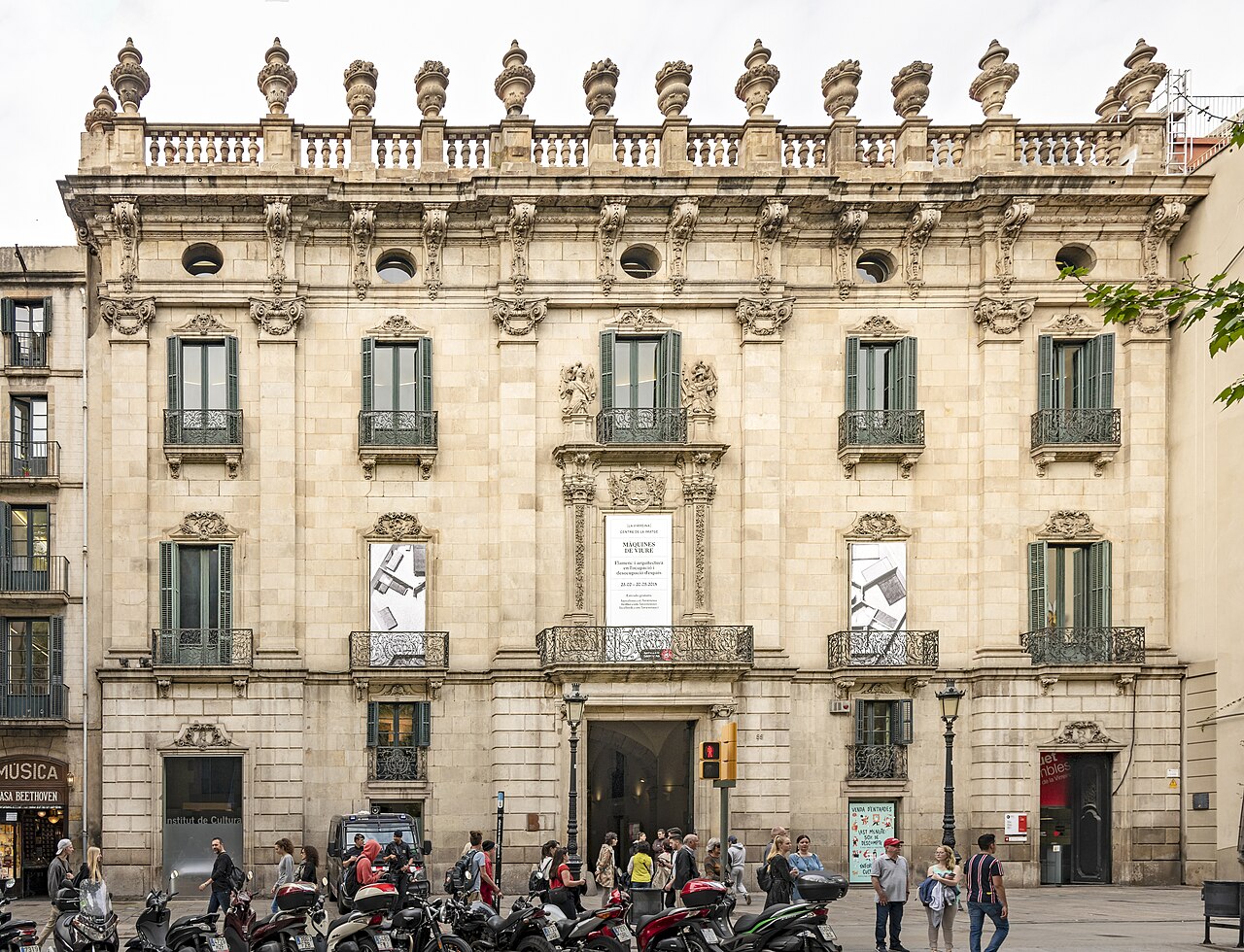
This place is a Museum. It was established in 1778. It was built in the Rococo style. It carries the bien de interés cultural heritage designation.
Palau de la Virreina is a historic palace on Barcelona's La Rambla. Built in the late 18th century as a private aristocratic residence, it now serves as a cultural center and exhibition space. The building exemplifies Catalan Baroque civic architecture with its ornate stone facade. The City of Barcelona operates the venue, which hosts temporary art exhibitions and cultural programming. Its prominent location makes it a recognizable landmark for visitors walking the famous boulevard. The palace represents an important layer of Barcelona's urban history, bridging aristocratic past and contemporary public use.
Checked 2026-08-26
The interior contains exhibition halls for rotating art and cultural displays. Visitors encounter historic architectural elements including period staircases, decorative details, and salon spaces adapted for modern use. The building's structure preserves characteristics of its original aristocratic function while accommodating contemporary presentation needs. Specific permanent collections are not recorded. Exhibition content changes according to programmed cultural schedules. The spaces vary in scale from intimate rooms to larger halls suitable for diverse installations. Visitors should expect changing contents rather than fixed displays. The palace interior offers insight into both historical domestic architecture and current municipal cultural priorities.
Checked 2026-08-26
A visit duration depends entirely on current exhibitions and individual interest. Casual observation of the building's exterior and brief interior exploration may require under thirty minutes. Engaged examination of exhibition contents could extend to one or more hours. Visitors with strong interest in Baroque architecture or specific displayed artworks should allocate additional time. No guided tour duration is recorded. Self-paced exploration allows flexible scheduling. Visitors combining Palau de la Virreina with surrounding La Rambla attractions should consider it one component of a broader walking itinerary rather than a standalone half-day destination.
Checked 2026-08-26
Visitors should verify current opening times through official Barcelona city cultural channels before planning. The palace's La Rambla location means surrounding streets remain active throughout daytime and evening hours, though this does not indicate building accessibility. Seasonal exhibition schedules may affect visit timing. Barcelona's peak tourist periods bring increased foot traffic to the area. Morning visits potentially offer calmer conditions for interior viewing. Weather matters little for indoor exhibitions, though exterior photography benefits from favorable lighting. Advance confirmation of operational status is strongly recommended. Check the operator's own site for the travel date before relying on a schedule or fare.
Checked 2026-08-26
Many municipal cultural venues in Barcelona operate with free admission for permanent spaces or charge variable fees for special exhibitions. Visitors should consult official city sources for current pricing structures. Potential costs may differ between general building access and specific ticketed exhibitions. Reduced rates for designated groups are common in Barcelona public institutions but specific eligibility is not recorded. Payment methods accepted are not documented. Visitors should not assume free entry without verification. Budget-conscious travelers should factor possible exhibition fees into planning. Check the operator's own site for the travel date before relying on a schedule or fare.
Checked 2026-08-26
Palau de la Virreina occupies a central position on La Rambla, Barcelona's most famous pedestrian thoroughfare. Multiple Barcelona Metro stations serve the surrounding area, including Liceu and Catalunya on Line 3, and Drassanes on Line 3 at the boulevard's southern end. Bus routes traverse adjacent streets. The location is walkable from numerous central Barcelona accommodations and attractions. Taxis and ride services access nearby roadways. Cycling infrastructure exists in the broader area. Visitors already exploring the Gothic Quarter, El Raval, or port districts will find it naturally positioned along typical walking routes. Signage along La Rambla assists location.
Checked 2026-08-26
La Rambla experiences high pedestrian density and associated street-level petty crime risks common to major tourist corridors. Visitors should exercise standard urban vigilance regarding personal belongings. The palace entrance may be less prominent than surrounding commercial establishments; careful observation of building numbering and signage prevents passing unnoticed. Interior exhibition spaces may have specific rules regarding bags, food, or photography that visitors must observe. Accessibility accommodations for historic buildings may be limited; specific provisions are not recorded. Temporary exhibition changes mean described contents may not match current displays. Staircases in historic structures may present challenges for mobility-impaired visitors.
Checked 2026-08-26
The ornate Baroque facade offers exterior photographic interest along La Rambla. Architectural detail, stonework, and balcony elements provide composition possibilities. Interior photography permissions vary by exhibition and are not universally recorded; visitors should observe posted restrictions and staff guidance. Exhibition contents may carry specific copyright protections limiting reproduction. Natural daylight conditions change throughout the day affecting both exterior and any permitted interior capture. Evening illumination of the facade may offer alternative photographic character. Tripod and professional equipment use typically requires advance permission in municipal venues. Respect for other visitors and exhibition integrity should guide all photographic behavior.
Checked 2026-08-26
It functions primarily as a cultural center with temporary exhibitions rather than a traditional museum with permanent collections.
Some municipal spaces offer free entry while special exhibitions may charge fees. Check the operator's own site for the travel date before relying on a schedule or fare.
The palace sits on La Rambla between Liceu and Boqueria market areas; look for the ornate stone facade and official signage among commercial storefronts.
Historic architectural elements remain visible, though spaces have been adapted for contemporary cultural use rather than maintained as period rooms.
Specific accessibility provisions for this historic structure are Not recorded; visitors with mobility needs should contact the venue directly before visiting.
No permanent collection is recorded; the venue hosts changing temporary exhibitions and cultural programming.
Loading the interactive map…
The interactive map could not be loaded.

Last updated:
Source: OpenStreetMap contributors, Wikidata ·