_(cropped).jpg)
.jpg)

.jpg)


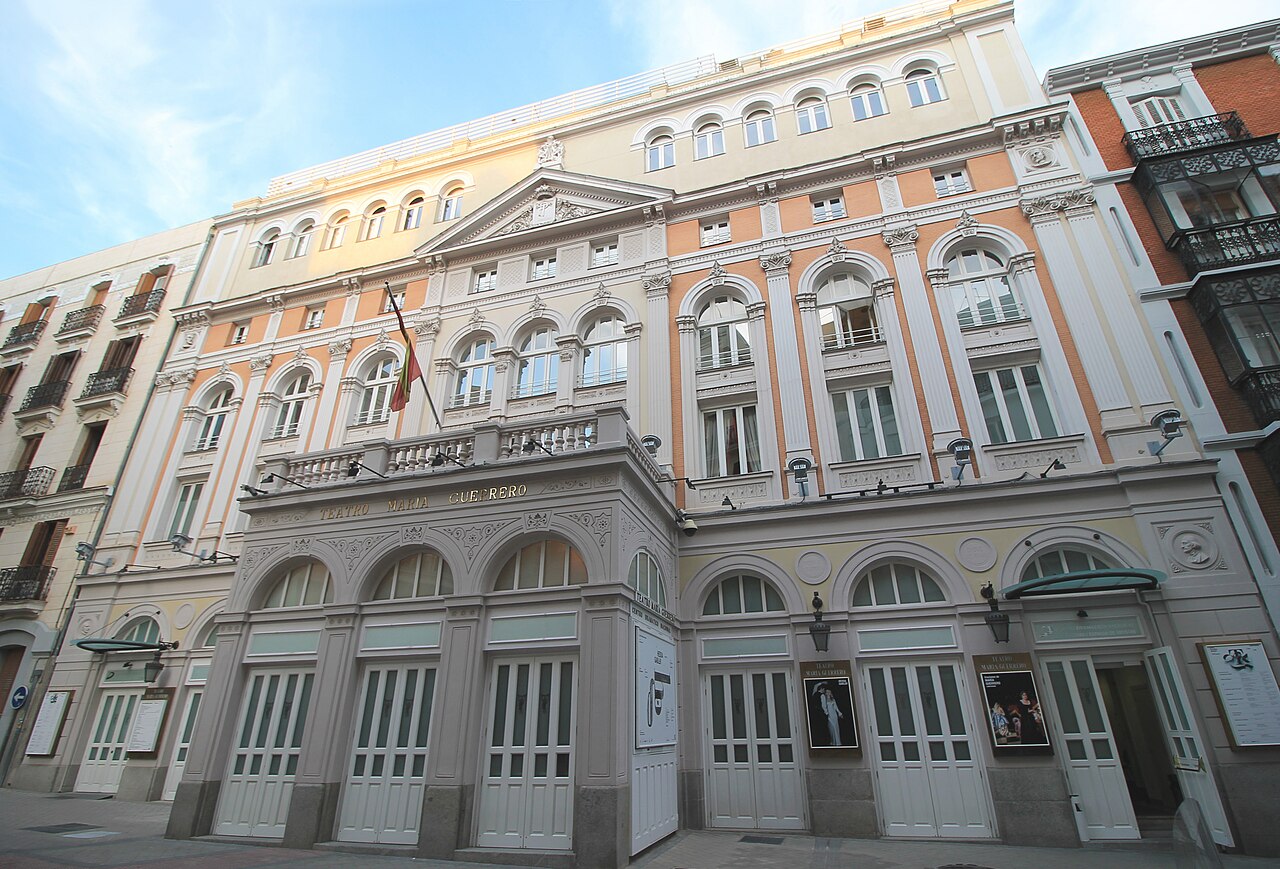
4 min walk
Teatro María Guerrero
- High · Heritage site
- Art and culture venue
Language · 11 published
Museum · Madrid
Museo de Cera
Reviewed by Elena Voss · Roavina Travel Editor
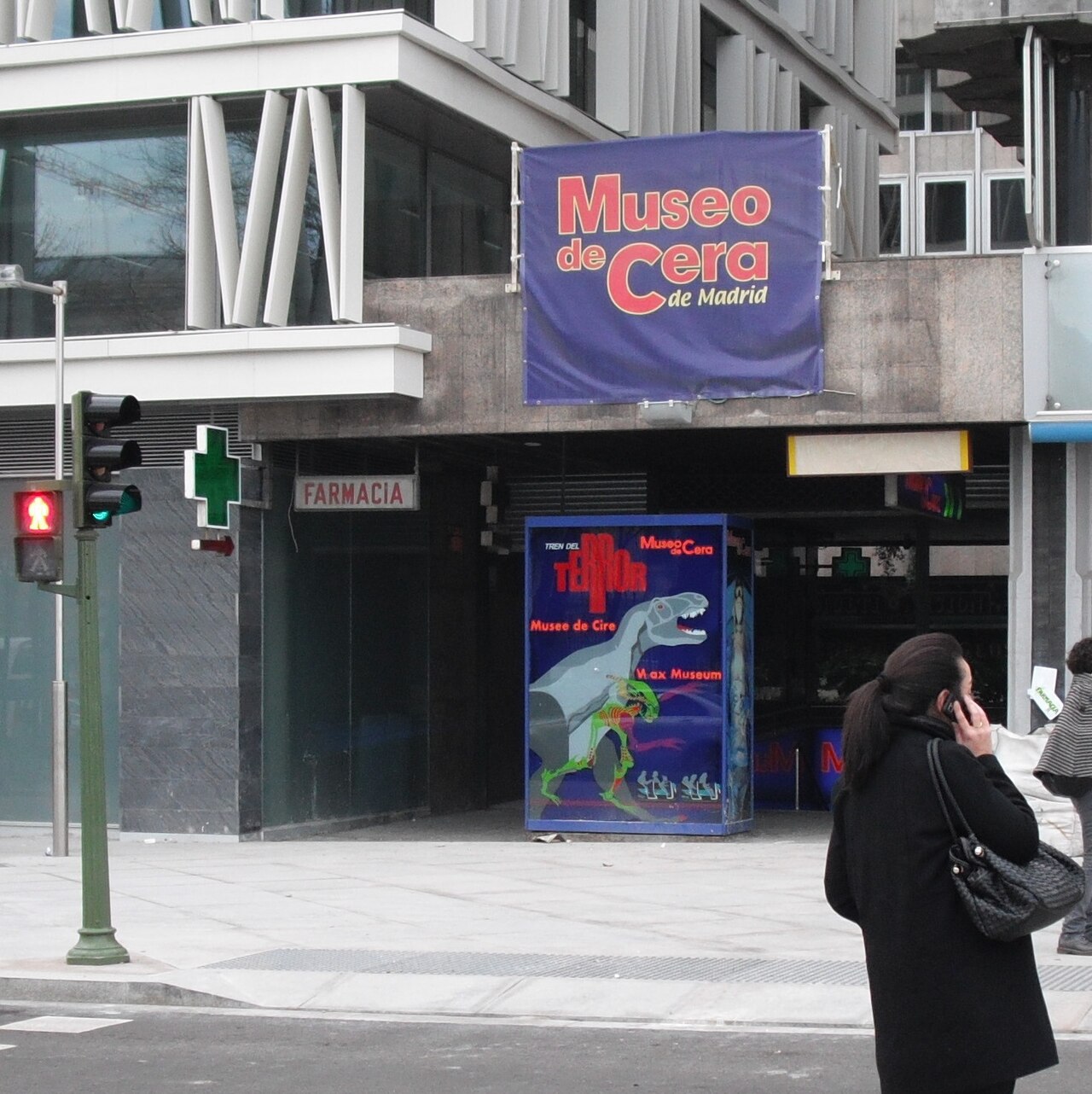
This place is a Museum. It opened in 1972.
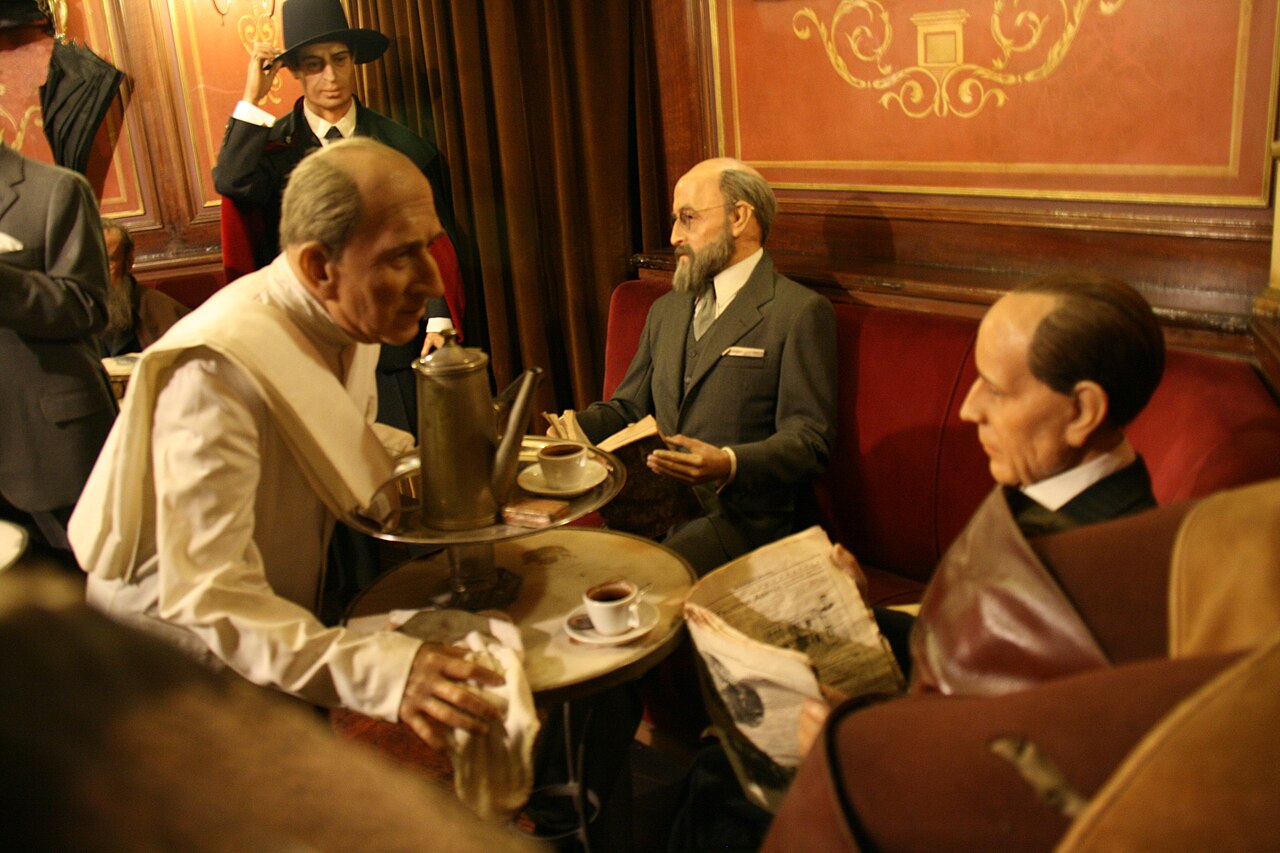
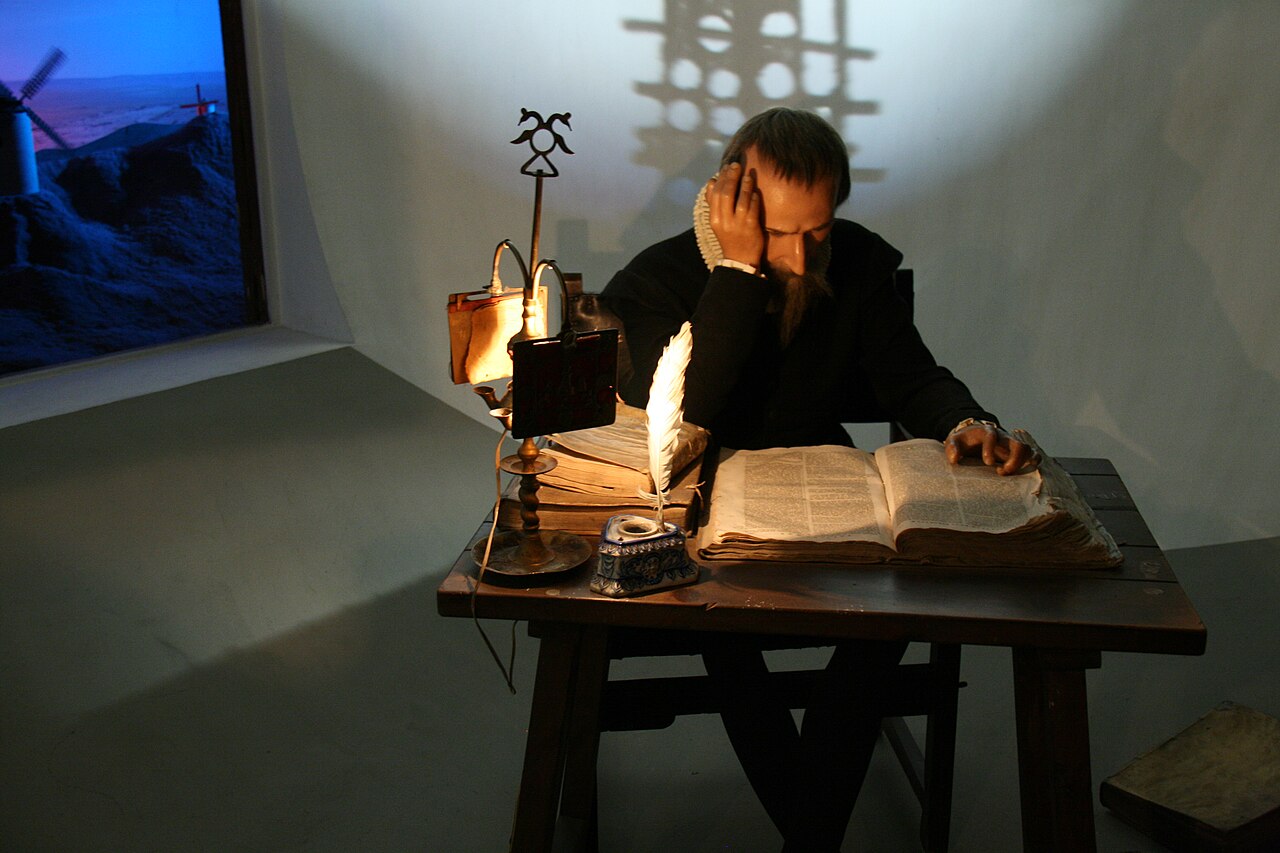
Madrid Wax Museum, or Museo de Cera, is a walk-through attraction devoted to lifelike wax figures. It gives visitors an alternative to Madrid’s art museums by presenting historical figures, public personalities, cultural icons, and fictional characters in staged scenes. The attraction is especially suited to travelers who enjoy recognizable subjects, theatrical presentation, and informal photographs. Rather than following a quiet gallery format, visitors move through an environment designed to make each figure feel part of a visual setting. The Madrid Wax Museum, known locally as Museo de Cera, is a waxwork museum situated in the city of Madrid, Spain. It belongs to the tradition of wax museums that display lifelike figures of historical personages, cultural icons, and fictional characters. The establishment contributes to Madrid's diverse museum landscape, offering visitors an alternative to the city's renowned art institutions. As a commercial attraction, it competes for tourist attention in a city rich with cultural offerings. Wax museums generally appeal to families, though realistic figures may disturb younger or sensitive children.
Checked 2026-08-26 · Source
The museum presents wax figures in themed tableaux with staged lighting and a walk-through layout. Visitors can encounter subjects connected with Spanish history, international public life, entertainment, literature, and film. The attraction’s appeal comes from recognizing familiar people and characters, then comparing the figures’ expressions, clothing, poses, and surroundings. Plan for an indoor experience that encourages browsing and photography rather than a chronological art-historical study. Families and groups can move at different speeds, stopping when a particular scene interests them.
Checked 2026-08-26 · Source
A typical visit takes about forty-five minutes to two hours, depending on how many figures you recognize and how long you spend photographing the displays. Travelers making a quick indoor stop can move through the scenes efficiently, while families and fans of particular historical or entertainment subjects may linger. Allow more time when the museum is busy, since popular figures can create small pauses in the route. The flexible length makes the attraction easy to place between other central Madrid activities.
Checked 2026-08-26 · Source
An indoor museum visit works well when Madrid’s summer heat makes outdoor sightseeing tiring or when rain interrupts a walking plan. Morning visits can provide a calmer start, while weekends, school holidays, and busy tourist periods may bring more visitors. Choose a time that leaves room for photographs, because the staged scenes are part of the attraction’s character. The museum also fits neatly into a day built around central Madrid, allowing travelers to alternate indoor attractions with nearby streets and plazas.
Checked 2026-08-26 · Source
The Madrid Wax Museum is a commercial attraction centered on admission to its indoor exhibition route. Plan the visit as a dedicated museum stop, with time for the staged scenes and photographs. Travelers should organize their day around the time needed inside rather than treating it as a brief exterior landmark. The attraction suits visitors who want a light, visual experience and can be a useful change from Madrid’s more formal galleries. Keep personal belongings manageable while moving through the displays.
Checked 2026-08-26 · Source
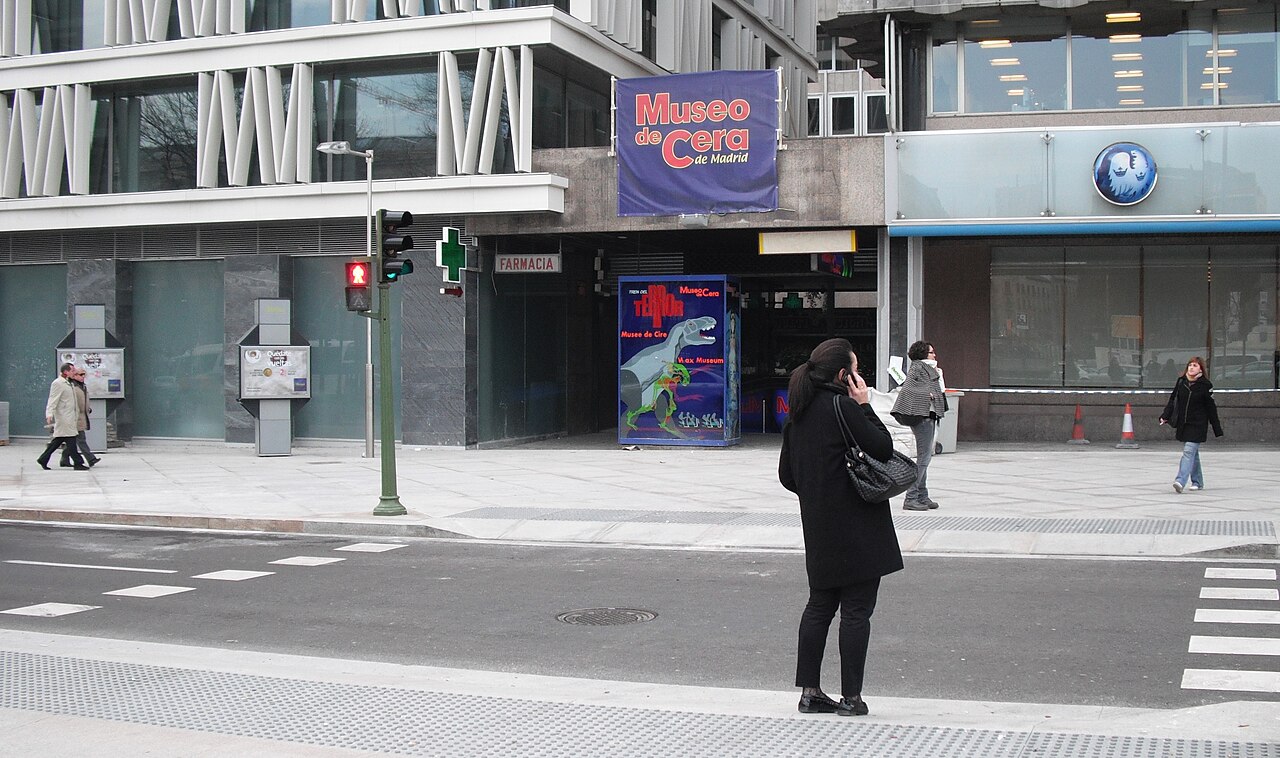
The museum is part of Madrid’s urban sightseeing network, with the city’s Metro, buses, and commuter connections providing access to the surrounding area. Visitors can also approach on foot from nearby central landmarks, making the museum easy to combine with a walking itinerary. Taxis and ride services offer a direct option when the weather is hot or when traveling with children. Central Madrid streets can be busy, so allow time for the final walk from transport and for finding the entrance.
Checked 2026-08-26 · Source
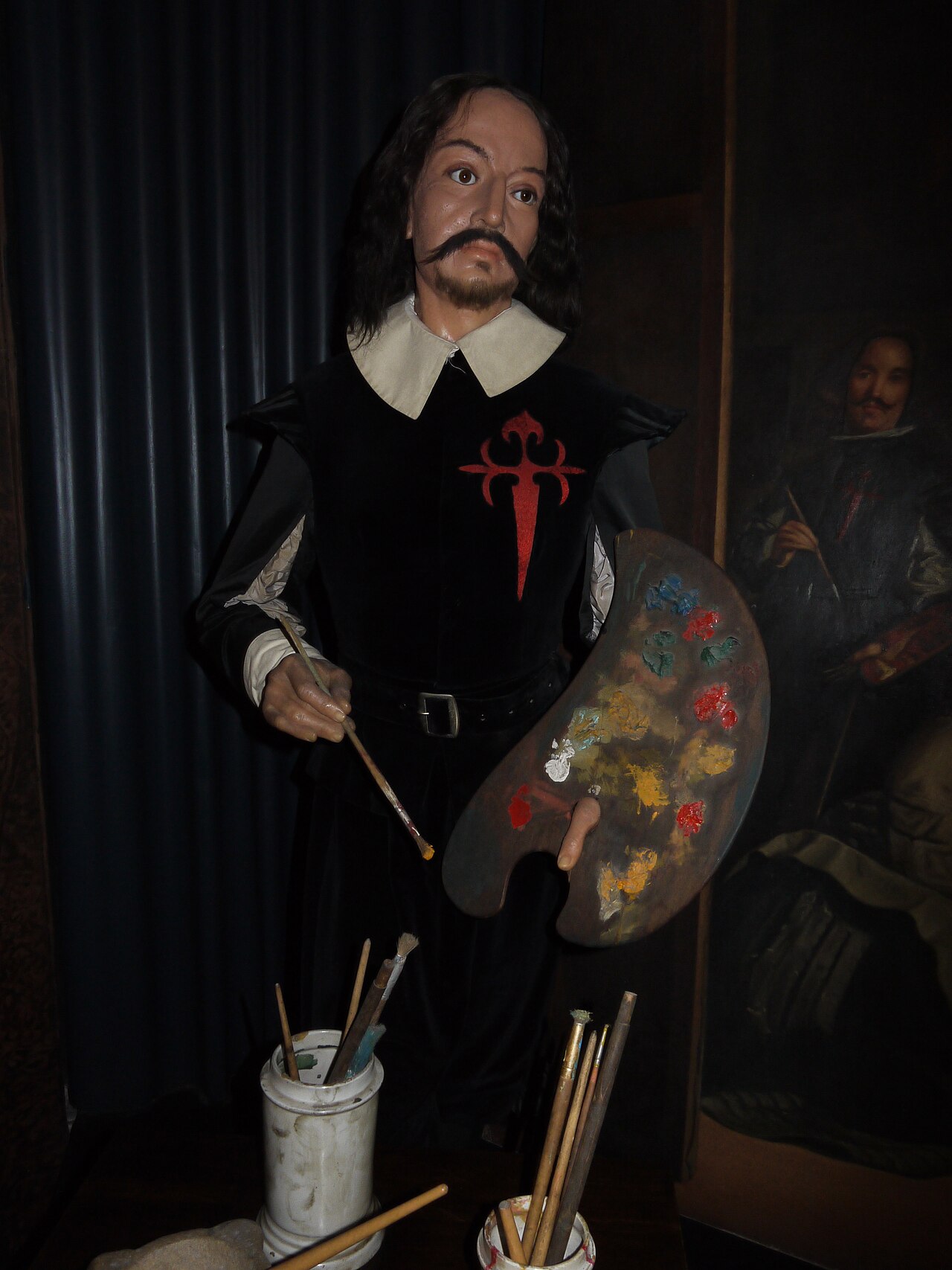
Some displays use dim lighting to strengthen the theatrical effect, so watch the floor and move carefully between scenes. Wax figures can look remarkably lifelike and may surprise younger children or sensitive visitors. Keep hands, bags, and clothing clear of exhibits and any protective barriers. Crowded areas require attention to personal belongings and space around other visitors. Move patiently when a popular figure attracts a group, and keep emergency routes and staff access points unobstructed throughout the visit.
Checked 2026-08-26 · Source
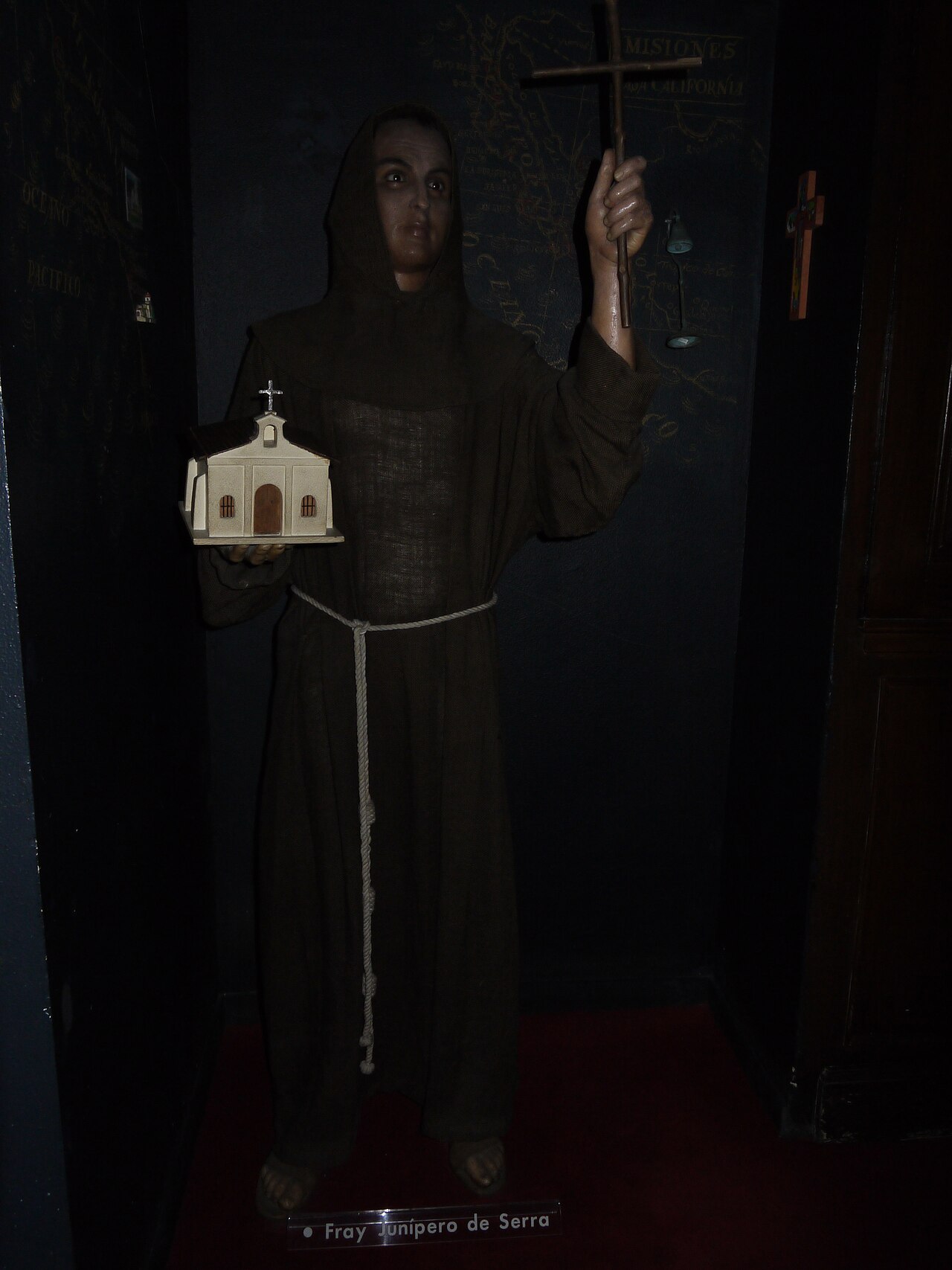
Photography is central to the wax museum experience because the figures are arranged in scenes made for close viewing and memorable portraits. Use the available light carefully, since some rooms are intentionally dim. Stand clear of the walking route and give other visitors time with popular displays. Avoid flash, tripods, or extended setups when they obstruct movement or disturb the atmosphere. A respectful approach produces better images and keeps the walk-through experience comfortable for families and other museum guests.
Checked 2026-08-26 · Source
It displays lifelike wax figures arranged in themed scenes, including subjects from Spanish history, public life, entertainment, literature, and film.
Allow about forty-five minutes to two hours, depending on your interest in the figures, scene details, and photography.
It can suit families who enjoy visual attractions, although the lifelike figures and dimly lit scenes may surprise younger or sensitive children.
Morning can feel calmer, while the indoor setting is useful during Madrid’s summer heat or rainy weather. Weekends and school holidays can be busier.
Use Madrid’s Metro, bus, or commuter connections, or walk from nearby central landmarks. Taxis and ride services provide a direct alternative.
Its lifelike figures, themed tableaux, staged lighting, and recognizable subjects create informal portrait and scene photographs throughout the walk-through route.
Loading the interactive map…
The interactive map could not be loaded.
Last updated:
Source: OpenStreetMap contributors, Wikidata ·