_07.jpg)
6 min walk
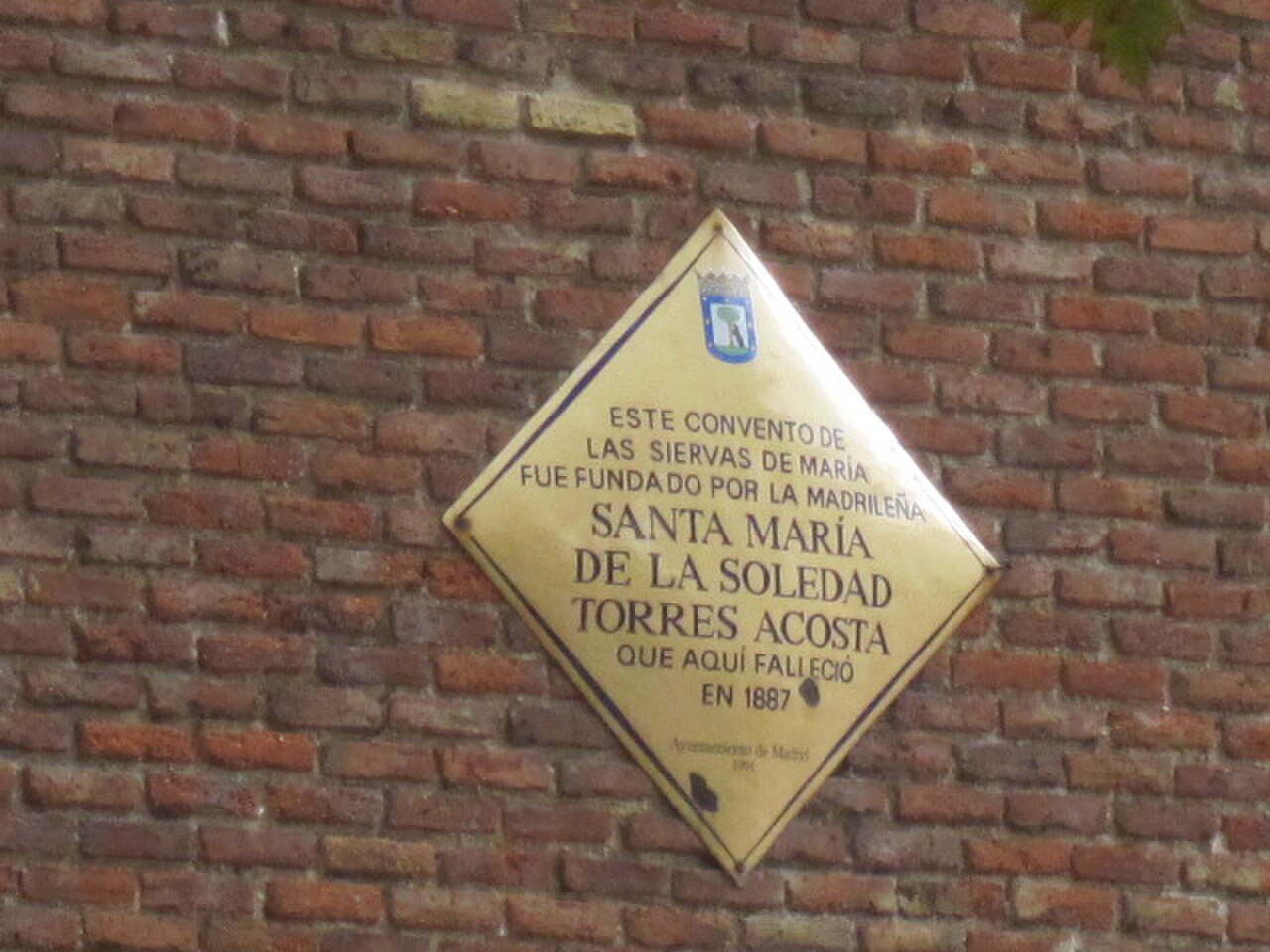
Santa María de la Soledad Torres Acosta
- High
- Historic monument
Language · 11 published
Museum · Madrid
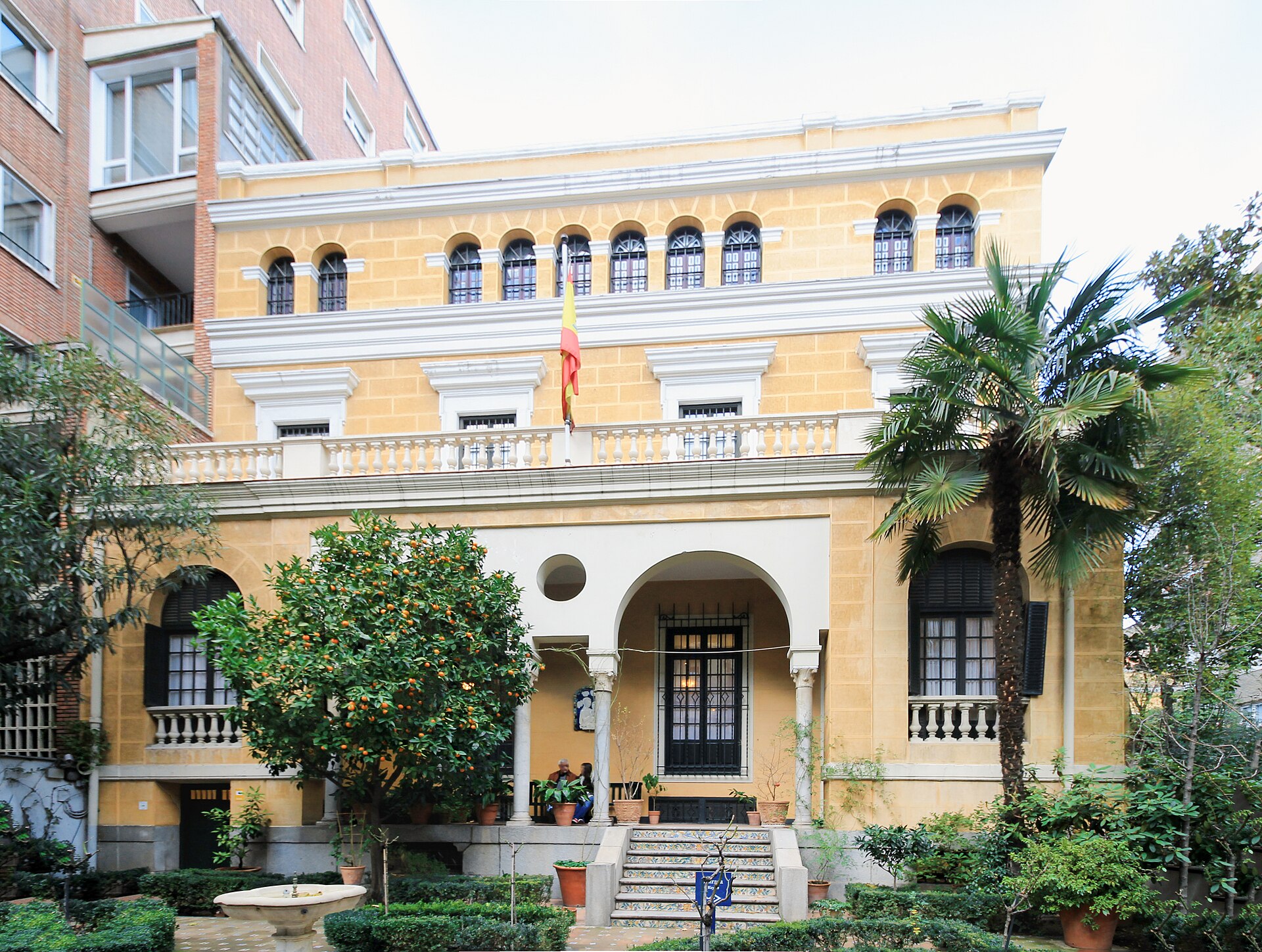
Museo Sorolla
Closed today, Saturday. The next opening is not recorded — the planner will not place a stop here on a Saturday.
Plan around itReviewed by Elena Voss · Roavina Travel Editor
| Monday | Closed |
|---|---|
| Tuesday | Closed |
| Wednesday | Closed |
| Thursday | Closed |
| Friday | Closed |
| Saturday | Closed |
| Sunday | Closed |
Checked 2026-08-31 · Source
Read from the OpenStreetMap access tags; anything not listed has no tag recorded.
Set the group type to family in the planner and the day window contracts to about three quarters of a solo day.
This place is a Museum. It opened in 1932. It carries the bien de interés cultural heritage designation.
The Sorolla Museum is a museum in Madrid dedicated to the work of Joaquín Sorolla, a prominent Spanish painter known for his luminous beach scenes and portraits. The museum occupies the artist's former home and studio, which he designed himself. It stands as a significant cultural institution preserving the legacy of one of Spain's most celebrated Impressionist painters. The building retains much of its original character, offering visitors insight into both the artist's domestic life and his creative environment. The museum is located in the Chamberí district of central Madrid.
Checked 2026-08-31 · Source
The collection comprises a substantial body of Sorolla's paintings, including landscapes, portraits, and his characteristic Mediterranean beach scenes. Visitors can view the artist's studio, preserved as it was during his working life. The house contains original furnishings, decorative objects, and personal belongings that belonged to Sorolla and his family. Gardens designed by the artist himself surround the property, featuring fountains, sculptures, and plantings that reflect his aesthetic sensibility. The museum also holds drawings, studies, and other materials related to the painter's artistic process and career development.
Checked 2026-08-31 · Source
A thorough visit to the Sorolla Museum typically requires between one and two hours. This duration allows adequate time to view the principal galleries, explore the preserved studio space, and stroll through the gardens. Visitors with particular interest in Spanish painting or Sorolla's specific techniques may wish to allocate additional time for careful examination of individual works. The intimate scale of the museum, being a converted residential property, means that the collection can be appreciated without the exhaustion associated with larger institutional venues. The gardens reward unhurried exploration.
Checked 2026-08-31 · Source
The original museum remains closed for expansion and refurbishment; temporary Sorolla programmes use announced venues and dates. Events, worship, maintenance and security measures can alter ordinary access. Iglesia Metro for the original Martínez Campos site. The museum's location in Madrid means it experiences the city's continental Mediterranean climate, with hot summers and cool winters. The gardens are particularly appealing during spring and early autumn when temperatures are moderate. Weekday mornings may offer a quieter experience than weekends. Madrid receives substantial tourist traffic throughout the year, though peak seasons typically coincide with summer months and major holidays. Advance planning remains advisable regardless of intended visit date.
Checked 2026-08-31 · Source
No ordinary ticket is sold while the original museum is closed; temporary programmes publish their own terms. Special tours, exhibitions and activities use separate tickets. The museum may offer reduced rates or free entry for certain visitor categories, though specific eligibility criteria are not established here. Some Spanish state museums implement free entry policies during designated time periods, but whether this applies to the Sorolla Museum requires confirmation. Group rates, if available, would need direct inquiry. Payment methods accepted at the entrance cannot be specified.
Checked 2026-08-31 · Source
Iglesia Metro for the original Martínez Campos site. This is the named public-transport reference for an independent arrival. The museum sits in Madrid's Chamberí district, accessible via the city's public transportation network. Metro stations serve the surrounding area, with walking connections to the museum entrance. Bus routes also operate through this central neighborhood. Madrid's extensive transit infrastructure facilitates movement between the museum and other points of interest. Taxis and ride services represent alternatives for those preferring direct transport. The museum's urban location means pedestrian approaches from nearby accommodations are feasible for visitors staying in central Madrid.
Checked 2026-08-31 · Source
Accessible or ground-floor routes serve selected areas, but historic stairs, thresholds or closure conditions limit the complete circuit. The access description applies to principal visitor areas rather than every historic or operational space. The residential character of the building imposes certain constraints on visitor movement and behavior. Narrow doorways and original staircases may present difficulties for those with limited mobility. The gardens contain water features and uneven surfaces requiring attention. Crowding in smaller gallery spaces can occur during popular visiting periods. Climate control in historic properties may differ from modern museum standards. Visitors should respect protective measures around original furnishings and decorative elements. Photography policies, if any, would require on-site verification.
Checked 2026-08-31 · Source
Visitors should observe posted regulations or inquire at the entrance regarding permitted equipment and techniques. Tripods and professional apparatus may encounter separate regulations from casual handheld devices. The garden setting potentially offers more photographic flexibility than interior galleries. Respect for other visitors should guide all image-making activities. Any commercial or publication use of photographs would require explicit authorization from the institution beyond standard visitor permissions.
Checked 2026-08-31 · Source
The original museum remains closed for expansion and refurbishment; temporary Sorolla programmes use announced venues and dates.
No ordinary ticket is sold while the original museum is closed; temporary programmes publish their own terms.
Accessible or ground-floor routes serve selected areas, but historic stairs, thresholds or closure conditions limit the complete circuit.
Iglesia Metro for the original Martínez Campos site.
Yes. Events, worship, maintenance and security can change ordinary access.
No. Special tours, exhibitions and activities use separate tickets.
Loading the interactive map…
The interactive map could not be loaded.
Last updated:
Source: OpenStreetMap contributors, Wikidata ·