_01.jpg)
4 min walk
Templo de Debod
- Must see
- Historic monument
Language · 11 published
Museum · Madrid
Museo Cerralbo
Reviewed by Elena Voss · Roavina Travel Editor
| Monday | Closed |
|---|---|
| Tuesday | 09:30 – 15:00 |
| Wednesday | 09:30 – 15:00 |
| Thursday | 09:30 – 20:00 |
| Friday | 09:30 – 15:00 |
| Saturday | 09:30 – 15:00 |
| Sunday | 10:00 – 15:00 |
Checked 2026-08-31 · Source
Read from the OpenStreetMap access tags; anything not listed has no tag recorded.
Set the group type to family in the planner and the day window contracts to about three quarters of a solo day.
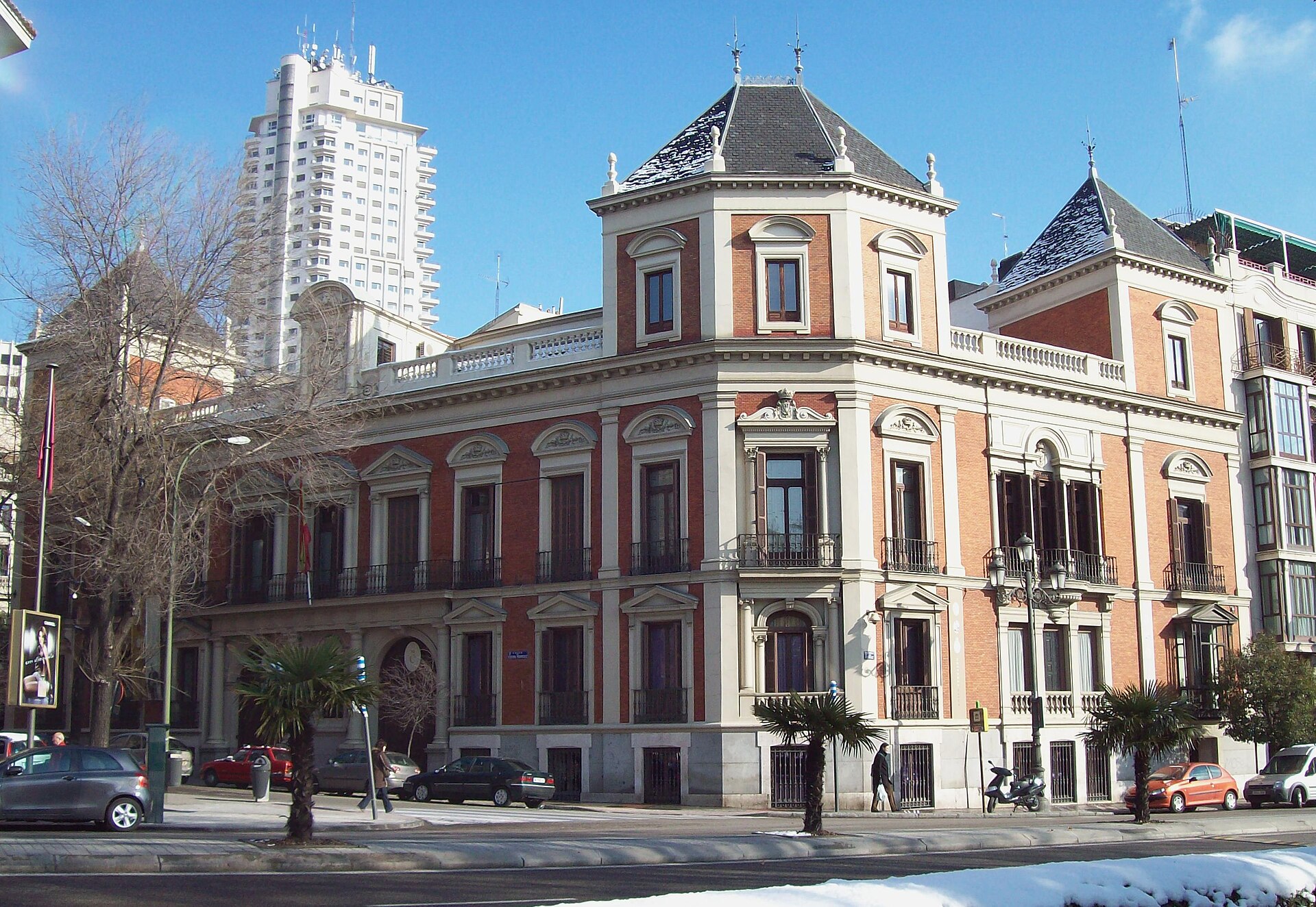
This place is a Museum. It opened in 1944. It was built in the Neoclassicism style. It was designed by Luis María Cabello Lapiedra. It carries the bien de interés cultural heritage designation. It is run by Ministry of Education, Culture and Sport.
The Cerralbo Museum, or Museo Cerralbo, is a historic house museum in Madrid. It preserves the former residence of the 17th Marquis of Cerralbo, Enrique de Aguilera y Gamboa, a prominent aristocrat and collector. The building exemplifies late nineteenth-century Spanish aristocratic taste. The marquis bequeathed his mansion and collections to the Spanish state. It opened as a public museum. The palace stands in central Madrid. Its architecture and interiors remain largely intact. Visitors encounter period rooms rather than modern gallery spaces. The museum offers insight into aristocratic life and collecting practices of the era.
Checked 2026-08-31 · Source
The museum contains extensive collections accumulated by the marquis. These include paintings, sculptures, decorative arts, and antiquities. Notable categories feature European paintings from various schools, archaeological artifacts, and Asian objects. The interiors preserve original furnishings, tapestries, and chandeliers. Rooms display weapons, ceramics, glassware, and clocks. A grand staircase and ballroom demonstrate aristocratic domestic architecture. The library holds historical volumes. Display cases contain numismatic collections. The arrangement follows nineteenth-century museological conventions rather than contemporary curatorial approaches. Each room maintains its historical character and dense installation style typical of private collections of the period.
Checked 2026-08-31 · Source
Most visitors spend approximately one to two hours exploring the Cerralbo Museum. The compact palace layout permits efficient viewing. Devoted enthusiasts of decorative arts or aristocratic interiors may extend their visit. The dense collections reward careful examination. Casual visitors can appreciate the atmosphere more quickly. Guided tours, if available, would affect duration. Self-paced exploration allows personal scheduling. The museum's human scale distinguishes it from larger institutions. Unlike sprawling national museums, Cerralbo offers contained experience. Visitors should allocate sufficient time for the staircase and principal reception rooms. These spaces contain significant decorative elements. Photography pauses and reading labels extend typical visits.
Checked 2026-08-31 · Source
Tuesday-Saturday 09:30-15:00, Thursday also 17:00-20:00, Sunday 10:00-15:00; Monday closed. Events, worship, maintenance and security measures can alter ordinary access. Plaza de España or Ventura Rodríguez Metro. Seasonal variations may affect accessibility. Holiday periods could alter normal operations. Summer and winter schedules sometimes differ in Spanish institutions. Morning visits potentially offer quieter experiences. Weekend crowds may exceed weekday levels. Cultural events or private functions occasionally limit public access. Advance verification remains essential. The central Madrid location permits combination with nearby attractions. Weather considerations matter minimally given indoor focus. Check current status through official channels before travel.
Checked 2026-08-31 · Source
Adult admission is EUR 3; published free periods and concessions apply. Special tours, exhibitions and activities use separate tickets. Spanish state museums often implement tiered pricing structures. Categories typically include general admission, reduced rates, and free entry periods. European Union residents sometimes receive preferential treatment at Spanish national institutions. Free entry hours may apply on specific days or times. Group rates possibly exist with advance reservation. Combined tickets with nearby museums are worth investigating. Online purchase options should be verified. Temporary exhibition surcharges might apply. Cash and card acceptance varies. Children, students, seniors, and unemployed visitors may qualify for reductions. Official website consultation recommended before visit.
Checked 2026-08-31 · Source
Plaza de España or Ventura Rodríguez Metro. This is the named public-transport reference for an independent arrival. The museum occupies central Madrid near Plaza de España. Metro stations within walking distance include Plaza de España and Ventura Rodríguez. Multiple bus routes serve the surrounding area. The precise street address requires official confirmation. Walking from major landmarks like the Royal Palace or Gran Vía is feasible. Madrid's compact city center facilitates pedestrian approaches. Taxis and ride services access nearby streets. The location in the Argüelles district places it west of central Prado museum cluster. Airport connections require metro or bus transfer. Central railway stations connect through metro network.
Checked 2026-08-31 · Source
Accessible or ground-floor routes serve selected areas, but historic stairs, thresholds or closure conditions limit the complete circuit. The access description applies to principal visitor areas rather than every historic or operational space. Historic interiors contain fragile elements requiring visitor care. Original floors may prove slippery or uneven. Staircases lack modern accessibility standards typical of nineteenth-century buildings. Crowded rooms complicate movement during peak periods. Low lighting preserves artifacts but affects visibility. Display cases reflect ambient light creating viewing challenges. Security measures prohibit touching objects. Bag restrictions may apply. Cloakroom availability uncertain. Limited seating throughout galleries challenges visitors requiring rest. Temperature control follows preservation needs rather than comfort preferences. Narrow doorways and thresholds present obstacles. Emergency exit routes may differ from entry paths. Supervise children closely given delicate surroundings.
Checked 2026-08-31 · Source
Photography policies at Spanish house museums typically restrict flash and tripod use. Specific regulations for Cerralbo Museum require operator confirmation. Some rooms may prohibit photography entirely. Commercial or publication use demands separate authorization. Video recording rules may differ from still photography. Respect other visitors when positioning for shots. Reflective display cases complicate artifact photography. Low ambient lighting challenges camera performance without flash. Staff enforcement of policies varies. Social media sharing generally acceptable for personal images. Drone photography irrelevant given indoor setting.
Checked 2026-08-31 · Source
Tuesday-Saturday 09:30-15:00, Thursday also 17:00-20:00, Sunday 10:00-15:00; Monday closed.
Adult admission is EUR 3; published free periods and concessions apply.
Accessible or ground-floor routes serve selected areas, but historic stairs, thresholds or closure conditions limit the complete circuit.
Plaza de España or Ventura Rodríguez Metro.
Yes. Events, worship, maintenance and security can change ordinary access.
No. Special tours, exhibitions and activities use separate tickets.
Loading the interactive map…
The interactive map could not be loaded.
Last updated:
Source: OpenStreetMap contributors, Wikidata ·