
.jpg)
.jpg)


.jpg)
3 min walk
Museo de San Isidro
- High
- Museum
Language · 11 published
Market · Madrid
Reviewed by Elena Voss · Roavina Travel Editor
| Monday | 09:00 – 20:30 |
|---|---|
| Tuesday | 09:00 – 20:30 |
| Wednesday | 09:00 – 20:30 |
| Thursday | 09:00 – 20:30 |
| Friday | 09:00 – 20:30 |
| Saturday | 09:00 – 18:00 |
| Sunday | Closed |
Closed to visitors between 14:00 – 17:00
Parsed from OpenStreetMap opening hours on 2026-09-09.
This place is a Marketplace. It was established in 1958.
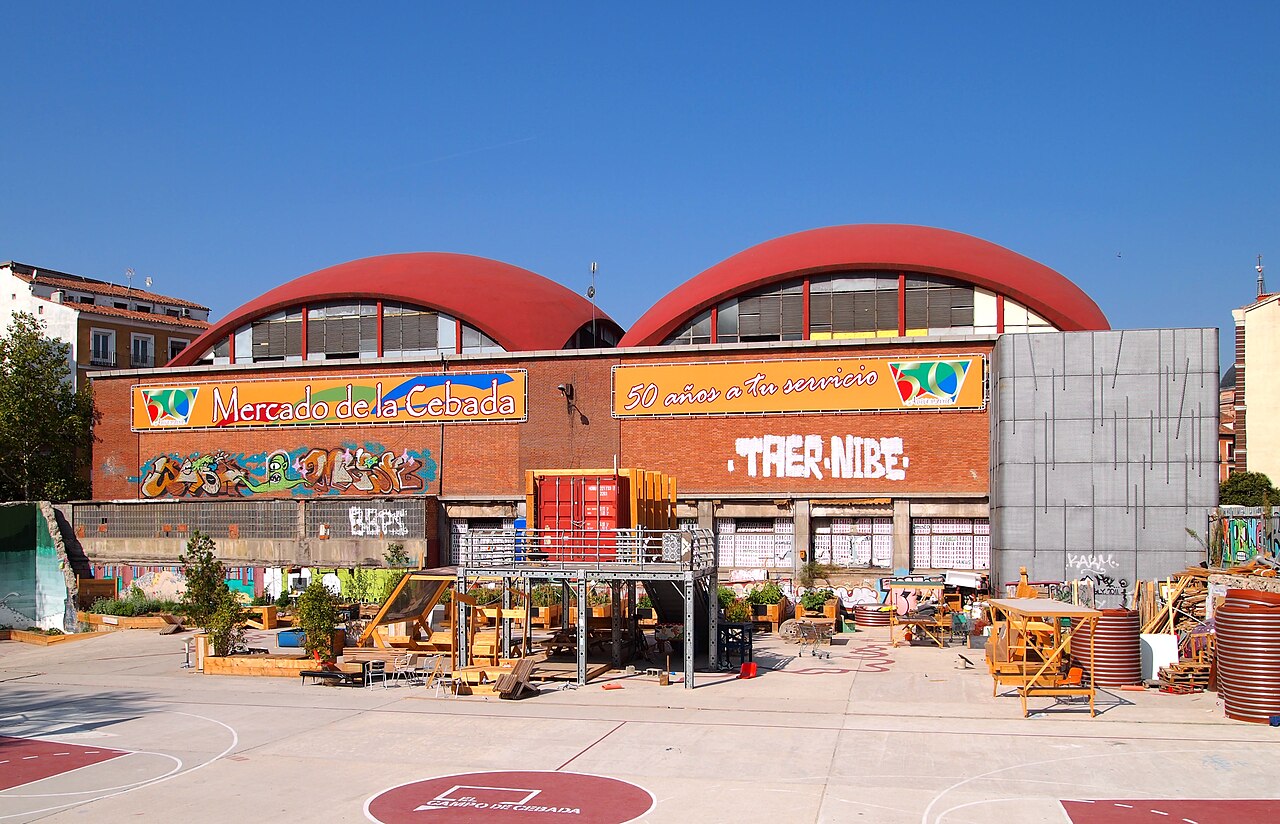
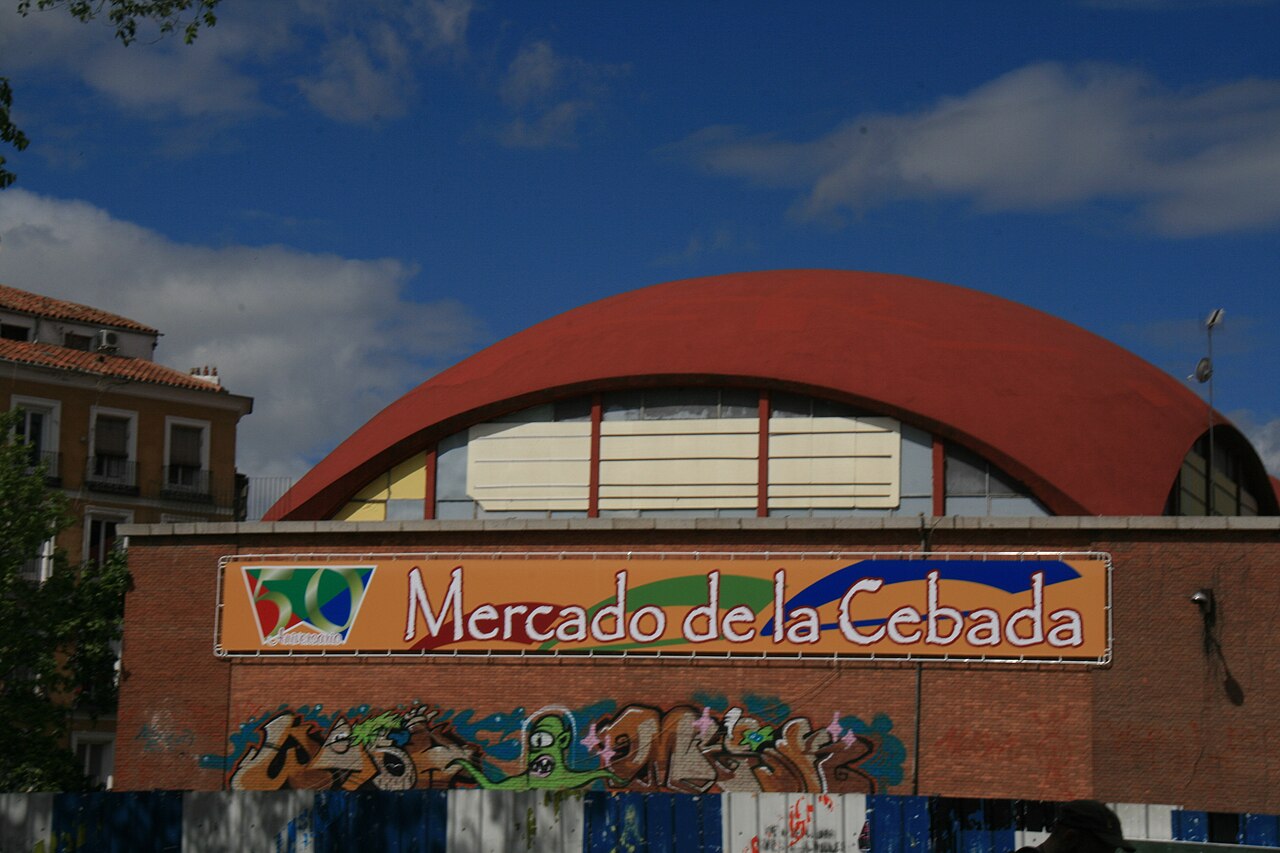
Mercado de la Cebada is a historic public market in Madrid, Spain. Located in the La Latina neighbourhood, it has served as a commercial hub for local residents since the nineteenth century. The current building, with its distinctive brutalist concrete structure, replaced earlier market halls. It functions as a municipal market where vendors sell fresh produce, meats, seafood, and other goods. The market holds cultural significance as a gathering place in one of Madrid's oldest districts, reflecting the area's working-class heritage and ongoing role in daily community life.
Checked 2026-08-26
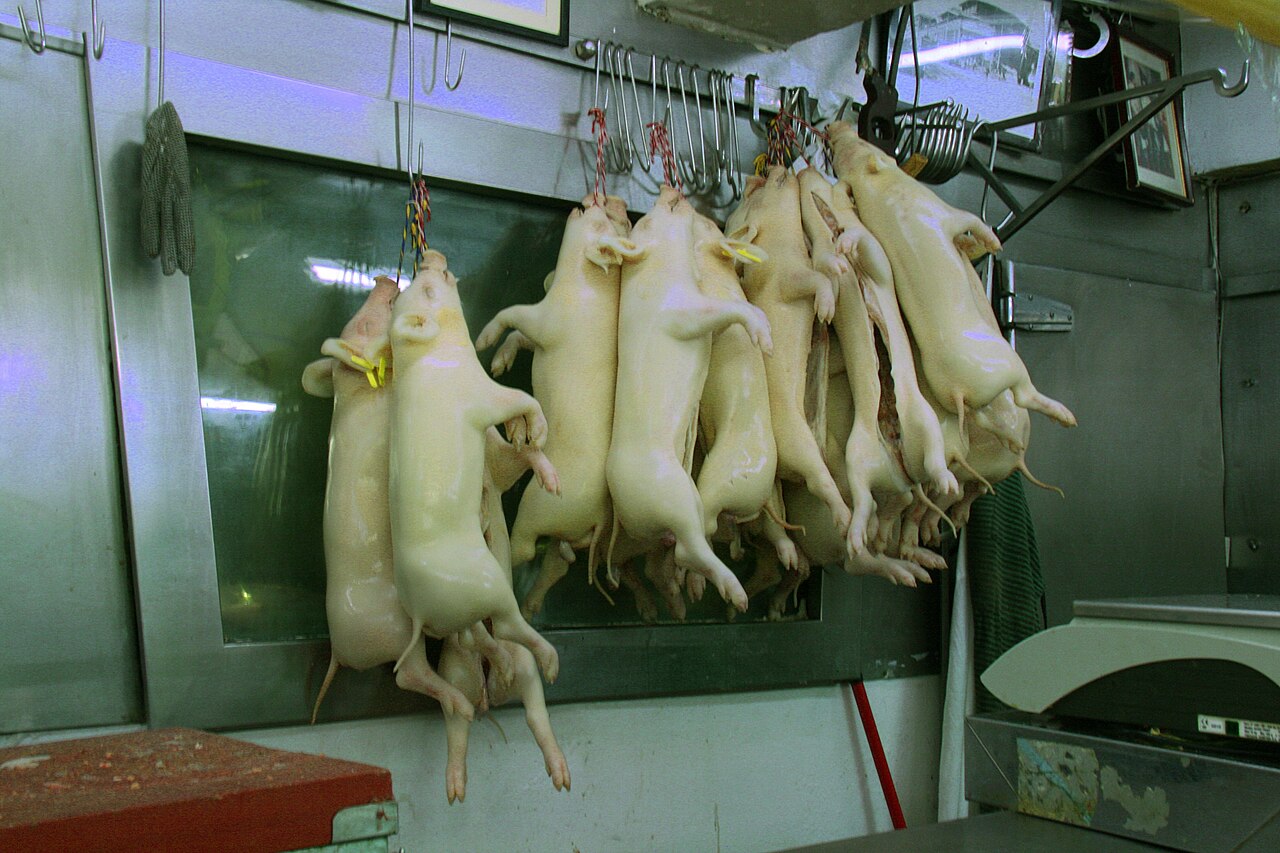
The market interior contains numerous stalls and vendor spaces arranged across multiple levels. Traditional offerings include fresh fruits, vegetables, fish, poultry, and cured meats typical of Spanish markets. Some stalls specialise in regional cheeses, olives, and preserved goods. The upper levels and perimeter areas have historically accommodated non-food retailers and services. The concrete architecture creates an industrial atmosphere distinct from more ornate historic markets. Visitor judgement suggests the mix of vendors may vary, with some spaces potentially vacant or repurposed depending on commercial conditions. The market retains functional rather than tourist-oriented character.
Checked 2026-08-26

A visit to Mercado de la Cebada typically requires thirty to sixty minutes for casual observation of stalls and atmosphere. Those intending to purchase goods or examine specific products should allow additional time. The market's compact multi-level layout permits efficient circulation. Visitors combining this stop with exploration of surrounding La Latina streets, tapas bars, and nearby Plaza de la Cebada may integrate it into a broader half-day itinerary. Morning hours coincide with peak commercial activity and freshest selections. The unstructured nature of market browsing means duration depends entirely on individual interest in products and photography.
Checked 2026-08-26

Treat the when to go details as provisional when arranging this stop in Madrid. Check the operator's own site for the travel date before relying on a schedule, fare or closure notice. Keep enough flexibility to move the visit within the same area if current conditions differ from the plan. This guide does not infer practical facts from the venue category, nearby attractions or an aggregator. Check the operator's own site for the travel date before relying on a schedule or fare.
Checked 2026-08-26
Mercado de la Cebada operates as a public commercial market with no admission fee for entry. Individual stall purchases determine visitor expenditure. Product pricing follows standard retail market conventions without tourist premiums typical of attractions. Cash transactions predominate though card acceptance varies by vendor. No guided tour fees or special access charges apply to standard visits. Photography within public commercial spaces generally requires no permit. Budget-conscious visitors may limit spending to observation, while those purchasing picnic supplies or specialty ingredients should carry appropriate funds. Check the operator's own site for the travel date before relying on a schedule or fare.
Checked 2026-08-26
The market sits in central Madrid within walking distance of multiple metro stations. La Latina station on Line 5 provides nearest underground access. Tirso de Molina and Puerta de Toledo stations offer alternatives within ten to fifteen minutes on foot. Numerous bus routes serve surrounding streets. The location in dense historic urban fabric makes private vehicle access impractical; parking scarcity characterises the district. From Plaza Mayor or Puerta del Sol, walking through La Latina's narrow streets takes approximately fifteen to twenty minutes. The market's proximity to El Rastro market route enables combined exploration on foot.
Checked 2026-08-26
The concrete structure shows significant age-related wear requiring visitor awareness of uneven surfaces and potential water accumulation. Crowding intensifies during peak shopping hours and Sunday El Rastro proximity. Standard urban vigilance applies to personal belongings in busy commercial environments. Some perimeter areas surrounding the market may exhibit signs of socioeconomic challenge common to transitioning neighbourhoods. Vendor availability fluctuates; not all stalls operate consistently. The functional market environment lacks tourist infrastructure such as multilingual signage or visitor services. Noise levels from commercial activity and nearby traffic remain elevated. Accessibility for mobility-impaired visitors may prove difficult given multi-level design.
Checked 2026-08-26
The brutalist concrete architecture offers distinctive textural and geometric photographic subjects uncommon in Madrid's predominantly classical built environment. Interior market photography captures authentic commercial activity, though discretion regarding vendor and shopper privacy remains essential. Natural light penetration through structural openings creates variable illumination conditions. Morning hours provide optimal ambient lighting through exterior openings. The surrounding La Latina streetscape with traditional facades complements market documentation. No photography restrictions are evident in public commercial spaces, though individual vendor sensitivity warrants respectful request when focusing on specific stalls. Tripod use may obstruct narrow aisles and active commerce.
Checked 2026-08-26
It functions primarily as a working municipal market serving local residents. While visitors are welcome, it lacks tourist-oriented infrastructure and maintains authentic commercial character.
Specific prepared food offerings are Not recorded. Traditional Spanish municipal markets focus on raw ingredients; surrounding La Latina streets offer extensive tapas and restaurant options.
The current brutalist structure replaced earlier nineteenth-century market halls. Its architectural distinctiveness and continuous commercial function contribute to neighbourhood heritage significance.
Payment methods vary by individual vendor. Cash remains advisable for market purchases as card acceptance cannot be guaranteed across all stalls.
The multi-level concrete structure with potential uneven surfaces presents accessibility challenges. Specific accommodations are Not recorded pending review of current conditions.
Mercado de la Cebada operates as a permanent fixed market distinct from Sunday's open-air El Rastro flea market. Proximity enables combined visiting during Sunday morning hours.
Loading the interactive map…
The interactive map could not be loaded.

Last updated:
Source: OpenStreetMap contributors, Wikidata ·