
2 min walk
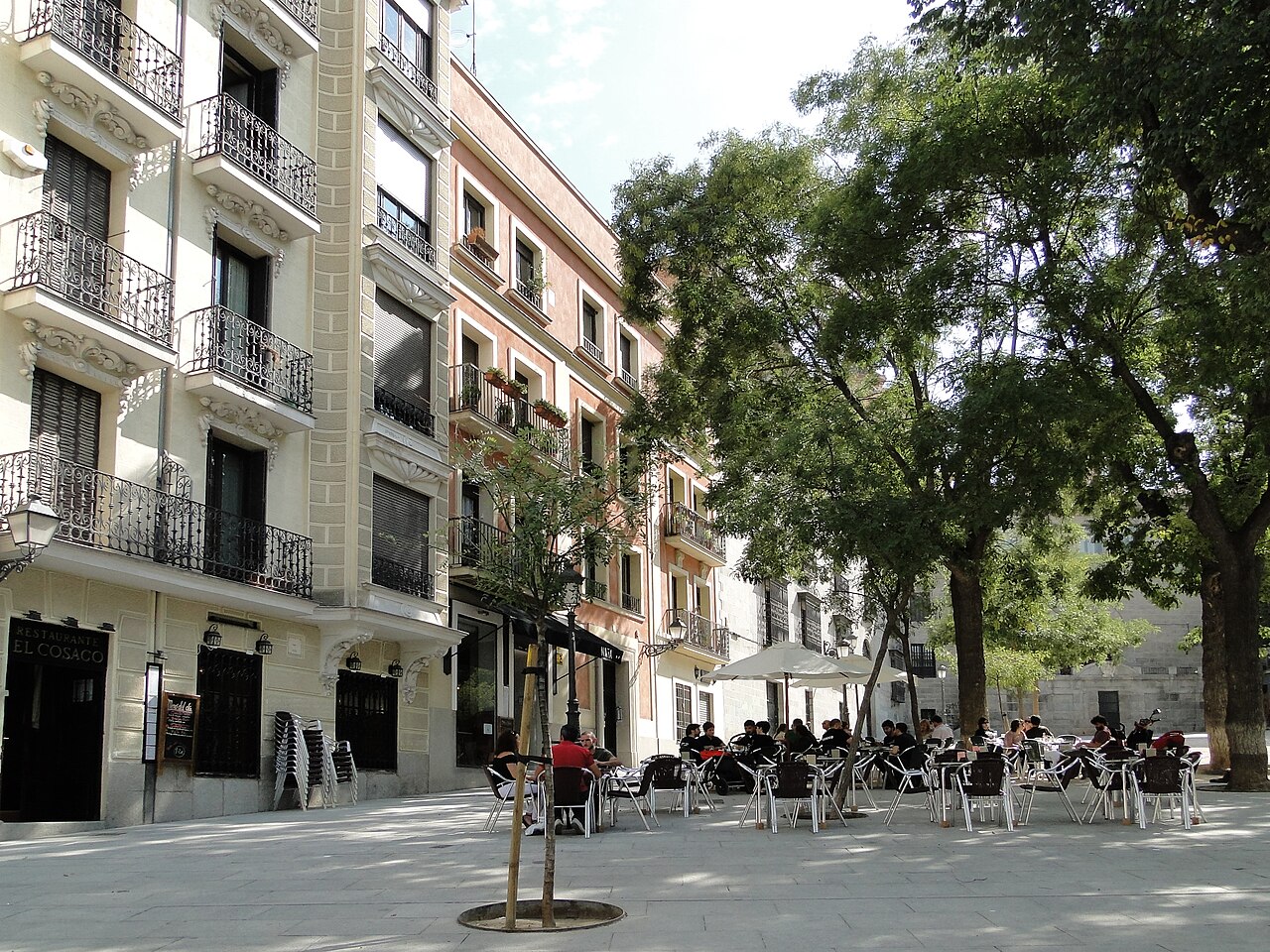
Plaza de la Paja
- Must see
- Nature site
Language · 11 published
Museum · Madrid
Reviewed by Elena Voss · Roavina Travel Editor
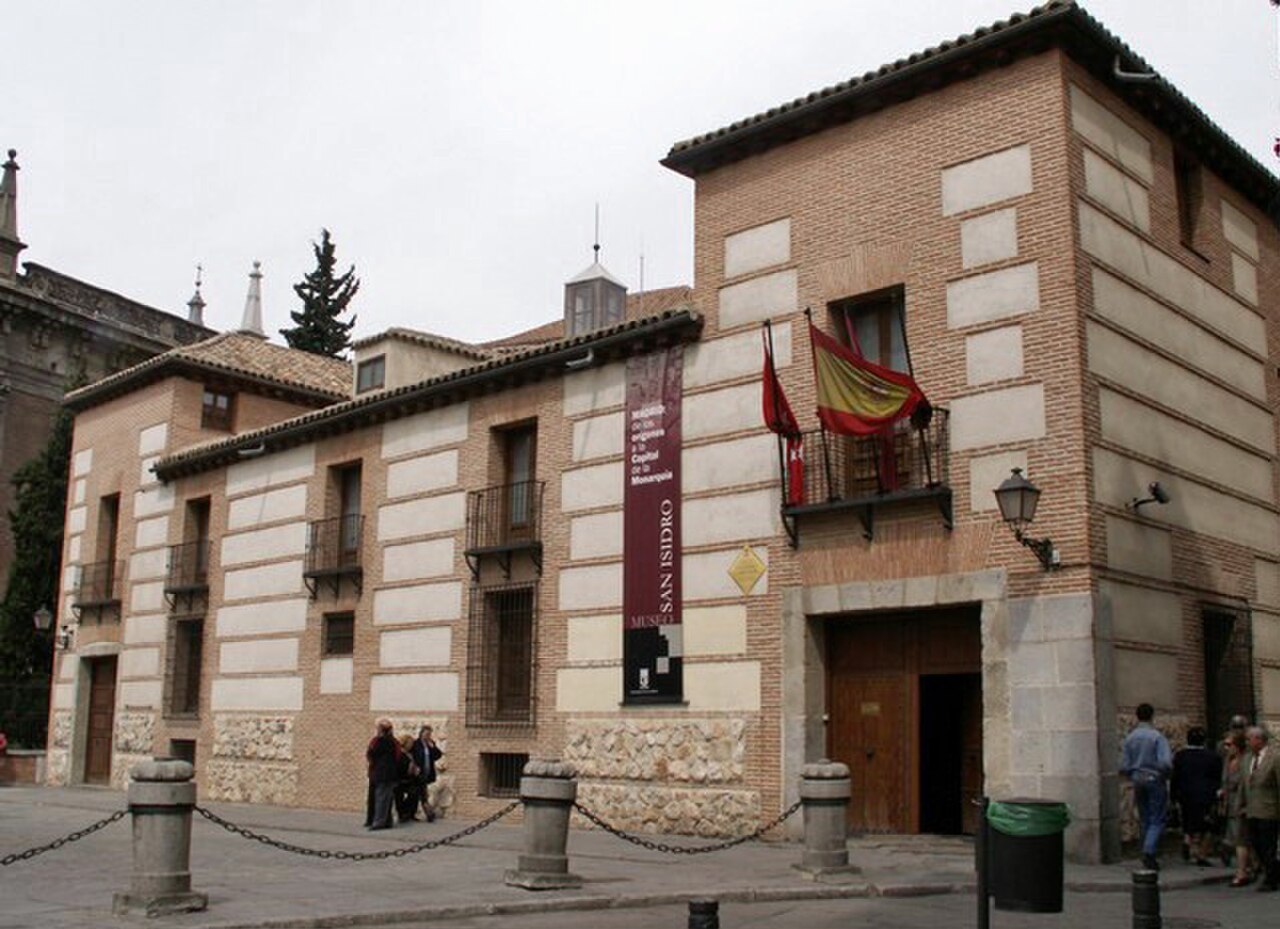
This place is a Museum. It opened in 2000.
Museo de San Isidro is a Madrid museum in the La Latina district, a historic part of the city associated with San Isidro Labrador. The museum focuses on Madrid’s history and heritage, with particular attention to the city’s patron saint. It connects religious tradition, archaeology, urban development and civic identity in one cultural stop. The historic setting is part of the experience, so the visit works especially well for travellers exploring Madrid’s older neighbourhoods on foot. Rather than treating it as a general art museum, approach it as a place for understanding how Madrid grew and how San Isidro became central to the city’s traditions.
Checked 2026-08-26 · Source
Inside, the museum brings together archaeological finds, historical documents, religious art and objects connected with San Isidro. Displays relate to the saint’s life and miracles while also showing Madrid’s urban evolution. Ceramics, paintings and devotional objects help connect personal belief with the wider history of the capital. The building contributes to the heritage presentation rather than serving merely as a container for the collection. Take time to compare religious objects with material that explains the city itself: the contrast makes the museum more useful for travellers who want context for Madrid’s streets, traditions and historic centre.
Checked 2026-08-26 · Source
Allow around one to two hours for a comfortable visit. That span gives enough time to move through the historical and religious material without rushing, while leaving room to pause at exhibits connected with San Isidro or Madrid’s archaeology. Travellers with a strong interest in local history may want to stay longer over selected objects and documents. Visitors combining the museum with La Latina can use a shorter, focused visit before continuing through the neighbourhood. The best pace is deliberate: read the context, look closely at the objects, and reserve time to appreciate the historic building itself.
Checked 2026-08-26 · Source
The museum sits in La Latina, an area that becomes especially connected with San Isidro during Madrid’s mid-May celebrations. Visiting around that period can add useful cultural context because the district’s relationship with the saint is especially visible. Weekday mornings suit travellers who prefer a quieter museum rhythm, while the surrounding streets offer more atmosphere during lively local periods. Seasonal weather also shapes the wider walk: Madrid’s summers are hot and winters are cold. Pair the museum with nearby historic streets, but keep enough time for the collection rather than reducing the stop to a quick photograph.
Checked 2026-08-26 · Source
Museo de San Isidro is a municipal museum, and Madrid’s municipal museums commonly use free or reduced-cost admission arrangements for some visitors. The exact charge for this museum is not included here, so do not build a precise ticket budget from this guide. The useful planning point is the museum’s cultural value: it offers a focused way to learn about Madrid’s patron saint, archaeology and urban history in La Latina. If your day includes several museums, place this stop alongside the historic centre and allow time for the surrounding district as well.
Checked 2026-08-26 · Source
La Latina metro station on Line 5 serves the museum’s neighbourhood, and several bus routes also operate through this central part of Madrid. The museum is within walking reach of Plaza Mayor and the Royal Palace area, making it easy to combine with a day in the historic centre. Walking is useful because La Latina’s streets provide context before and after the museum. A strong route places the museum between other central sights rather than isolating it as a distant excursion. Leave room for the district itself, whose streets and public life add meaning to the visit.
Checked 2026-08-26 · Source
La Latina has narrow streets and can become crowded during busy weekend periods and evening social activity. Keep personal belongings close in crowded central areas. A historic museum building may include stairs or uneven surfaces, which matters for visitors with mobility requirements. The collection includes religious and historical material, so allow time for reading and reflection rather than expecting a large entertainment-style attraction. The museum is most rewarding when treated as a local-history stop: its connection with San Isidro and its setting in La Latina are as important to the experience as any single object.
Checked 2026-08-26 · Source
The museum’s displays include religious art, historic documents, archaeological material and objects connected with San Isidro. These subjects reward observation more than hurried image-making. Use the building and the surrounding La Latina streets as part of the visual experience, while keeping attention on the exhibits’ historical meaning. Religious objects deserve respectful treatment, and visitors should follow any signs governing photography inside the galleries. The most useful photographs, where permitted, record the relationship between Madrid’s heritage, the museum’s historic setting and the neighbourhood associated with the city’s patron saint.
Checked 2026-08-26 · Source
It explores Madrid’s history and heritage, with special attention to San Isidro Labrador, the city’s patron saint, through archaeology, documents, religious art and historic objects.
The museum presents objects and stories connected with San Isidro’s life, miracles and veneration, linking the saint’s tradition with Madrid’s civic history.
Plan for about one to two hours, with additional time if Madrid’s archaeology, religious history or San Isidro’s story is a major interest.
La Latina station on Metro Line 5 serves the area, and several bus routes operate nearby. The museum is also walkable from Plaza Mayor and the Royal Palace area.
The museum is in Madrid’s La Latina district, a historic neighbourhood associated with San Isidro and close to the city’s central historic sights.
Combine it with La Latina’s historic streets, Plaza Mayor and the Royal Palace area to connect the museum’s Madrid-history themes with the city outside its galleries.
Loading the interactive map…
The interactive map could not be loaded.

Last updated:
Source: OpenStreetMap contributors, Wikidata ·