_01.jpg)
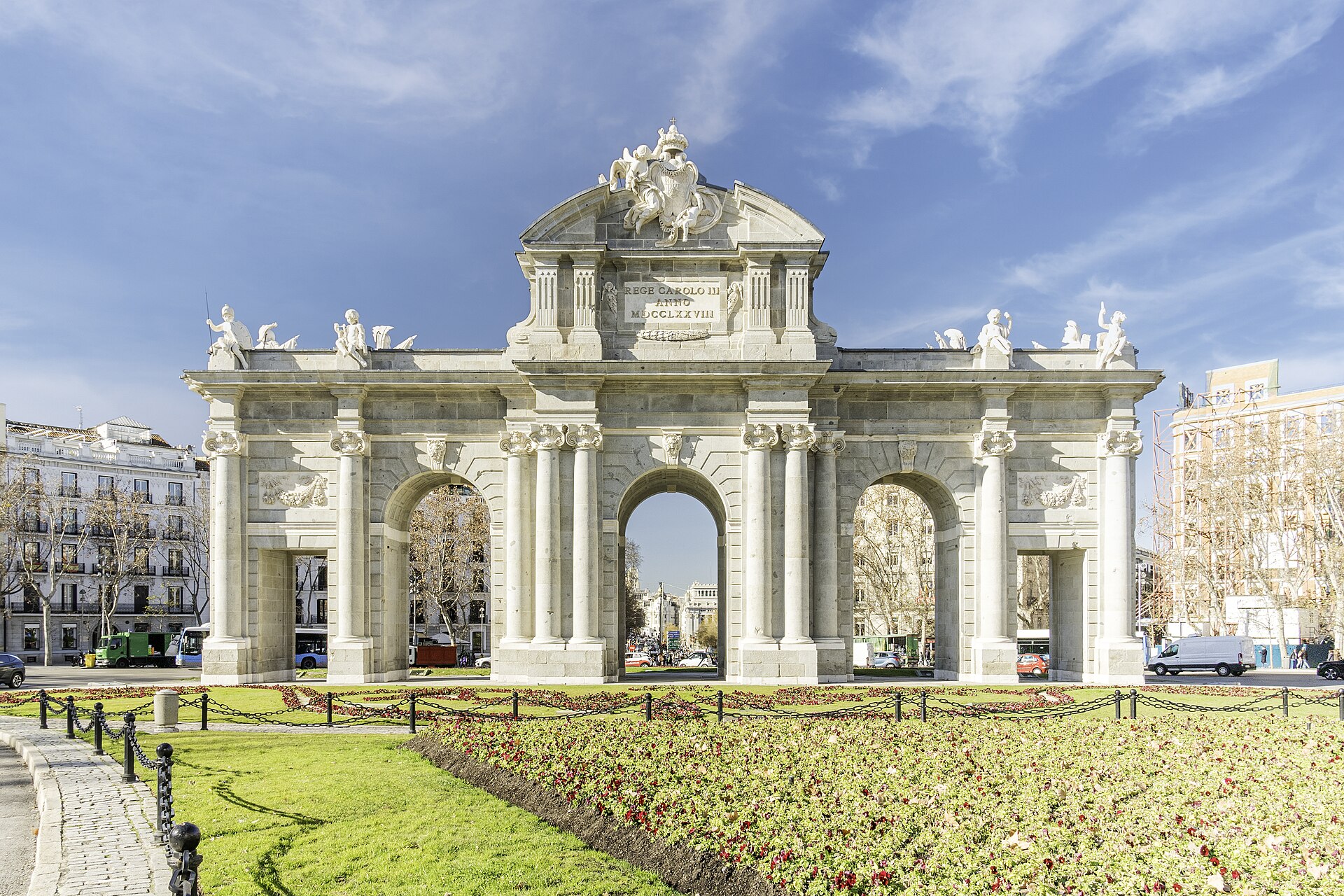
4 min walk
Alcalá Gate
- Must see · Heritage site
- Historic monument

Museum · Madrid
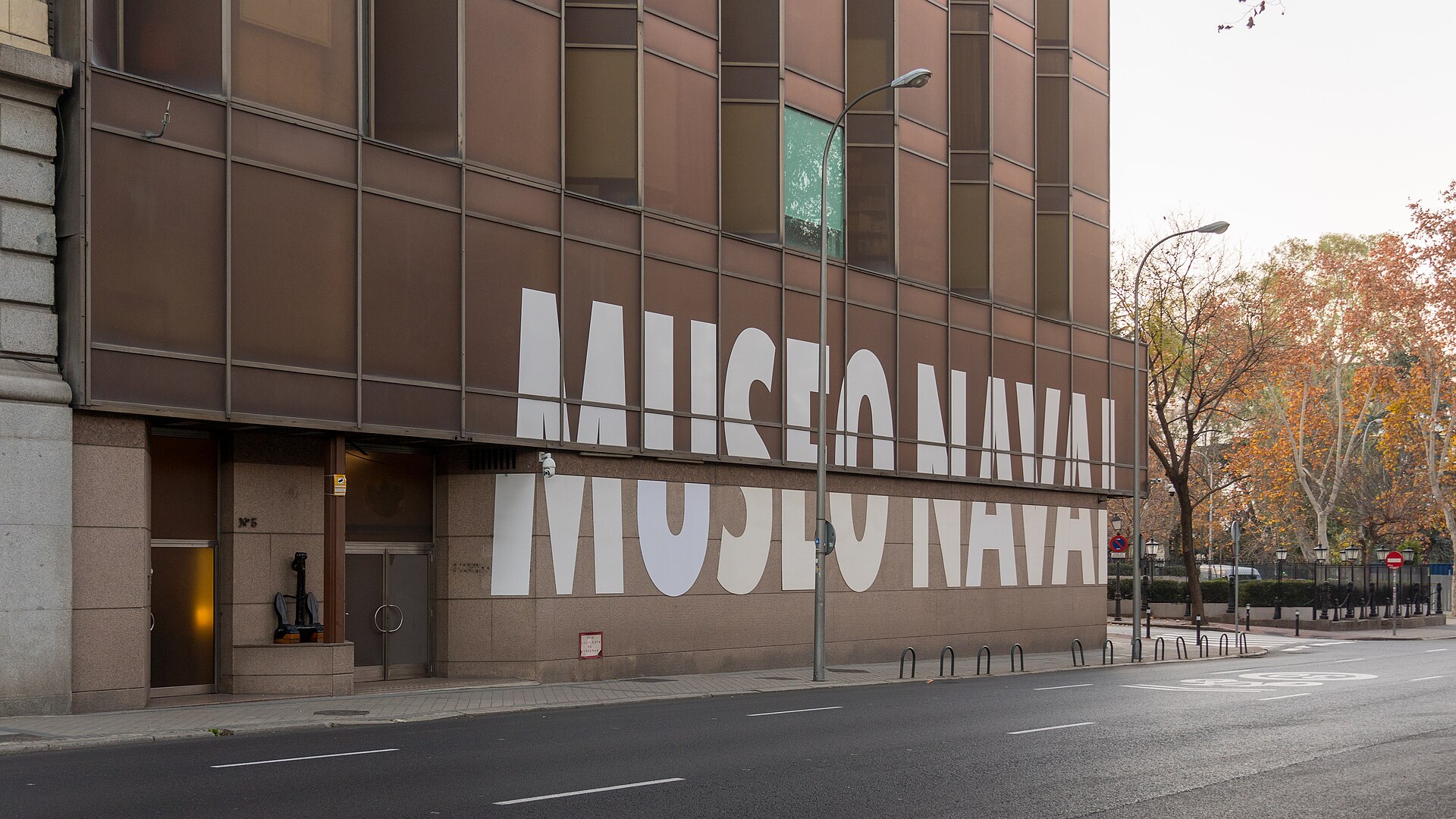
Museo Nacional de Artes Decorativas
| Monday | Closed |
|---|---|
| Tuesday | 09:30 – 15:00 |
| Wednesday | 09:30 – 15:00 |
| Thursday | 09:30 – 20:00 |
| Friday | 09:30 – 15:00 |
| Saturday | 09:30 – 15:00 |
| Sunday | 10:00 – 15:00 |
Closed to visitors between 15:00 – 17:00
Parsed from OpenStreetMap opening hours on 2026-09-09.
The National Museum of Decorative Arts, or Museo Nacional de Artes Decorativas, is a Madrid museum devoted to applied and decorative arts. It occupies a historic building and belongs to Spain’s national museum network. Rather than concentrating on one fine-art medium, it shows how people shaped daily life through furniture, ceramics, glass, textiles, metalwork, and related crafts. The museum suits travelers interested in design, interiors, materials, and the relationship between usefulness and beauty. Its collections offer a way to read social history through objects made for homes, ceremonies, and public life.
Checked 2026-08-26 · Source
The displays bring together objects from different periods and materials, allowing visitors to compare techniques and decorative styles across time. Furniture shows how rooms were arranged and used; ceramics and glass reveal the possibilities of heat, colour, and surface; textiles add pattern, touch, and status; metalwork demonstrates precision and ornament. The collection may include Spanish and international pieces connected by trade and artistic exchange. Look closely at construction, decoration, and wear, since these details explain how an object functioned as well as how it looked. The museum is most rewarding when approached as material culture rather than a sequence of isolated masterpieces.
Checked 2026-08-26 · Source
Set aside about one and a half to two and a half hours for a balanced visit. That is enough to examine the principal groups of furniture, ceramics, glass, textiles, and metalwork without turning every label into a long research session. Design specialists may want several hours, especially when comparing materials and decorative techniques. Travelers combining this museum with other central Madrid sights can make a shorter visit by choosing one material or period as a theme. Move at an unhurried pace: small details in surfaces, joins, patterns, and ornament often carry more meaning than the first overall impression.
Checked 2026-08-26 · Source
This museum works well as an indoor stop throughout the year, particularly during Madrid’s hot summer afternoons or cooler winter periods. Weekday visits can provide a calmer setting for examining small objects and interior details, while weekends and holiday periods may bring a livelier atmosphere. The historic building contributes to the experience, so leave enough time to notice the relationship between the rooms and the objects displayed within them. It is a good choice for travelers who want a quieter alternative to Madrid’s major painting museums. Pair it with nearby cultural stops only if you can preserve enough time for close looking.
Checked 2026-08-26 · Source
The museum is part of Spain’s national museum network, so its visit belongs within Madrid’s wider public cultural landscape. Spend the visit exploring the collections rather than treating the building as a quick photograph stop. The applied-art focus makes it useful for families, design students, and travelers who prefer objects with visible links to everyday life. A useful strategy is to choose a material at the start, then notice how that material changes across periods and decorative traditions. The result is a more coherent visit than moving quickly from room to room without a theme.
Checked 2026-08-26 · Source
The National Museum of Decorative Arts is within Madrid’s urban centre, where several parts of the public transport network connect with the surrounding districts. Its central setting makes it suitable for combining with a walking day through the city’s cultural areas. Metro, bus, taxi, and walking routes can all serve the approach, depending on where you begin. If you are driving, central-city traffic and parking can make a private car less convenient than public transport. Plan the final walk with the museum’s historic setting in mind, as the surrounding streets are part of the city experience.
Checked 2026-08-26 · Source
A historic museum building can feel different from a modern gallery: rooms may be more compact, circulation may involve changes of level, and floors may not feel uniform. Wear comfortable shoes and keep your pace flexible. Decorative objects are often smaller and more detailed than monumental paintings, so crowded rooms can make close viewing harder. Keep personal belongings under control and follow staff directions around displays. Photography rules may change between galleries or exhibitions. The most satisfying visit is attentive rather than rushed, with time to compare materials, techniques, and the social purposes of the objects.
Checked 2026-08-26 · Source
Use photography carefully around decorative objects, whose surfaces, colours, textiles, and reflective materials can be sensitive to lighting and crowd movement. Follow the signs in each gallery and keep flash switched off wherever the museum requires it. Tripods, selfie sticks, and professional equipment can obstruct narrow rooms or other visitors, so they may be restricted. A quick personal photograph can help you remember a design detail, but direct observation remains important because scale, texture, and craftsmanship are difficult to capture accurately. Respect any room-specific instruction, especially where temporary displays include loaned objects.
Checked 2026-08-26 · Source
Its Spanish name is Museo Nacional de Artes Decorativas.
It is a national museum dedicated to decorative and applied arts, including furniture, ceramics, glass, textiles, and metalwork.
Yes. It operates as part of Spain’s national museum network under national cultural administration.
The collections include furniture, ceramics, glass, textiles, metalwork, and other decorative objects from different periods and materials.
It is located in Madrid’s urban centre and occupies a historic building within the city’s cultural landscape.
It shows how design, craftsmanship, materials, and ornament shaped everyday life through objects made for homes, ceremonies, and public settings.
Loading the interactive map…
The interactive map could not be loaded.
Last updated:
Source: OpenStreetMap contributors, Wikidata ·