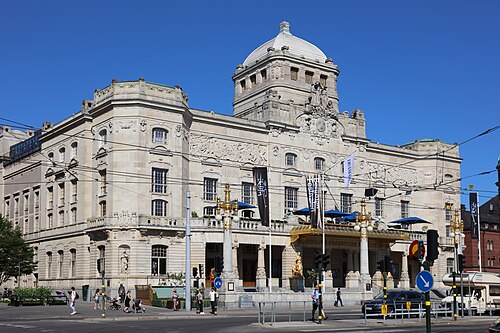
Royal Dramatic Theatre
Dramaten
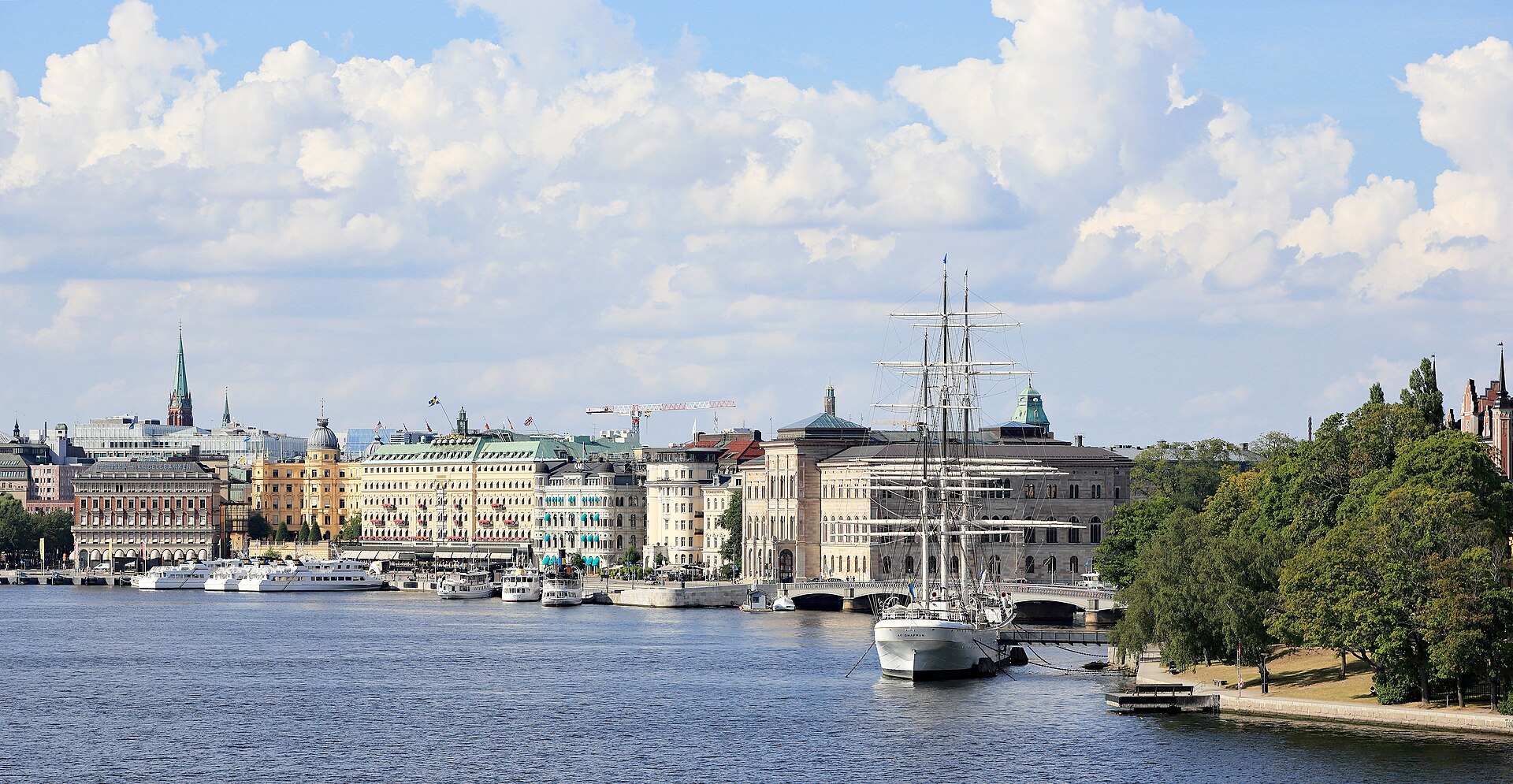
The Royal Dramatic Theatre, or Dramaten, is Sweden’s national stage for spoken drama. Founded in 1788, it occupies an Art Nouveau building opened in 1908 at Nybroplan.
- Must see
- Art and culture venue
- Stockholm
Language · 11 published
Country guide
Sweden runs from 55°N to 69°N — long enough that its north and its south keep different weather and different daylight in the same week. Of its 450,295 km², built-up land accounts for 1.5 per cent, and 88 per cent of the 10,610,485 people counted in October 2025 live in towns concentrated in the south and the centre. That is the practical division for a visitor: the southern counties hold Stockholm and most of what fits into a weekend, while the rest of the 21 counties trade density for distance. Choose by how far you are willing to travel between two things.
Reviewed by Elena Voss · Roavina Travel Editor
Every city catalogued in this country so far, ranked by how much there is to see.
Photograph · JZ · CC BY-SA 3.0
Ranked by importance — sitelinks, pageviews and heritage status, not editor preference.
12 places match
Category
Typical visit duration
Interests
Dramaten
The Royal Dramatic Theatre, or Dramaten, is Sweden’s national stage for spoken drama. Founded in 1788, it occupies an Art Nouveau building opened in 1908 at Nybroplan.
Kungliga Operan
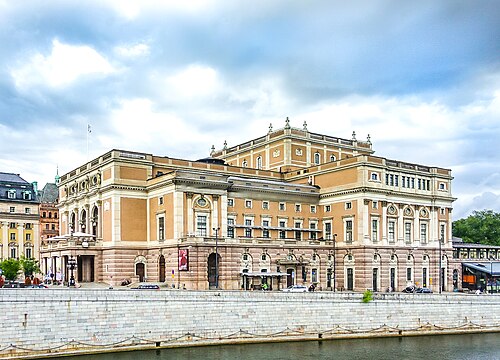
The Royal Swedish Opera, known locally as Kungliga Operan, stands as Sweden's national opera house and a prominent performing arts institution in Stockholm.
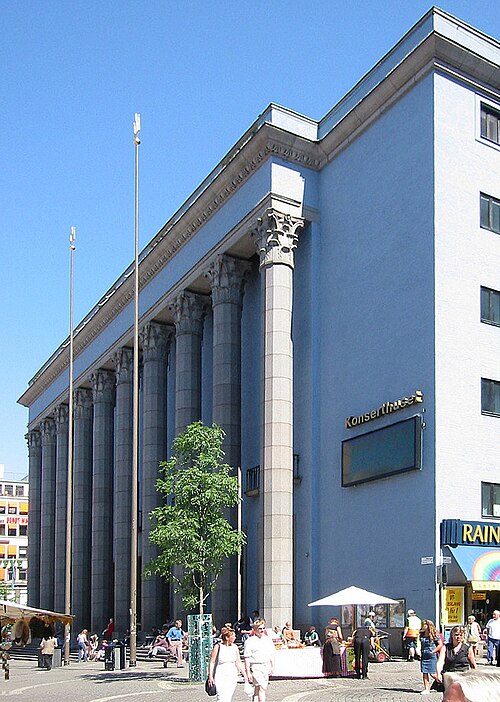
Konserthuset
Stockholm Concert Hall, or Konserthuset, is a major concert venue at Hötorget in central Stockholm.
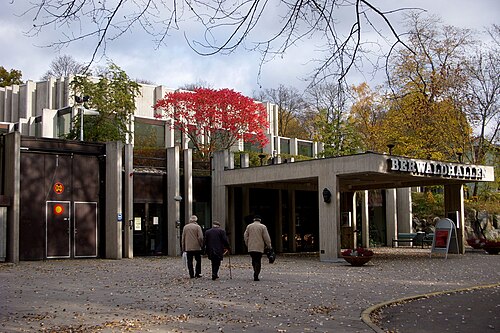
Berwaldhallen
Berwald Hall, or Berwaldhallen, is a Stockholm concert hall and the home venue of the Swedish Radio Symphony Orchestra. Named after composer Franz Berwald, it is a significant destination for travellers interested in orchestral music and Swedish cultural life.
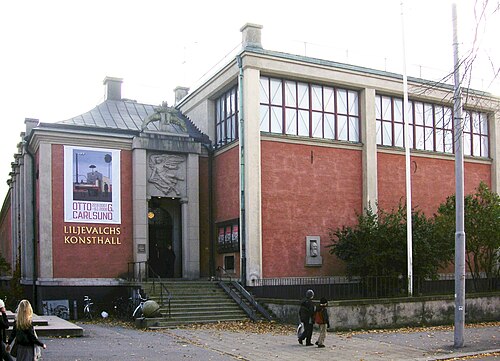
Liljevalchs konsthall is an art gallery located on Djurgården in Stockholm. It was designed by architect Carl Bergsten and opened in 1916.
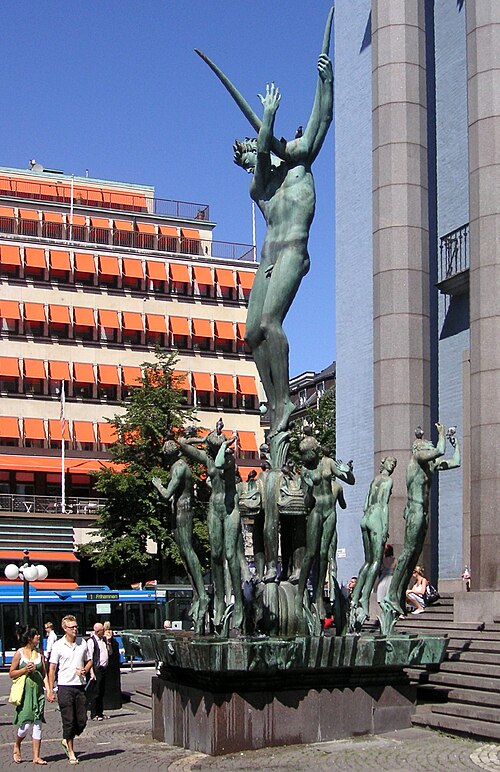
Orpheusgruppen
Orpheus' Well, also known locally as Orpheusgruppen, is an outdoor sculptural fountain installation in Stockholm. The work takes its name from Orpheus, the musician and poet of Greek mythology.
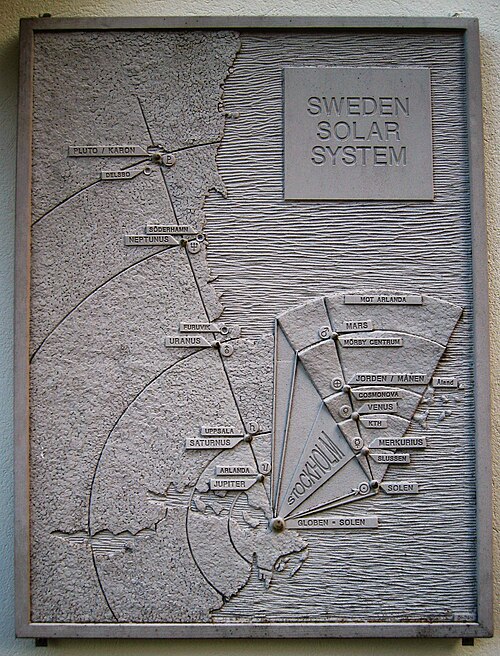
Sweden Solar System is a large-scale model of the solar system spread across Sweden, with Stockholm serving as the central reference point. Celestial bodies are represented by spherical installations placed at scaled distances.
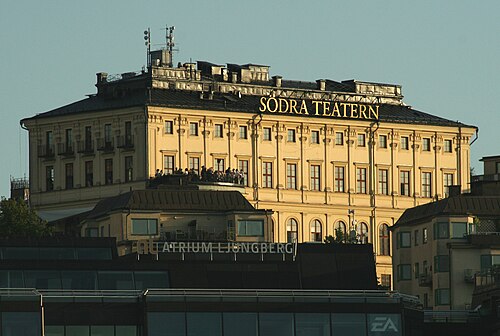
Södra Teatern is a historic theatre and entertainment venue on Södermalm, set above Stockholm from Mosebacke Torg. The nineteenth-century venue combines performance spaces with bars, dining areas and a terrace.
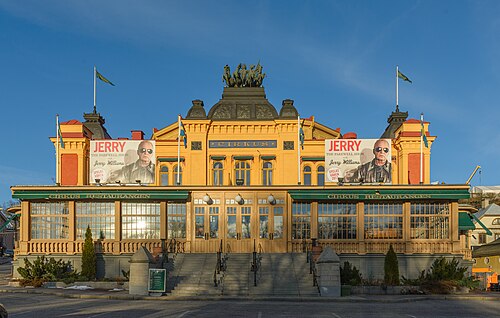
Cirkus is a historic performance venue on Stockholm’s Djurgården island. Built for circus entertainment, it has continued as a cultural space for concerts, theatre and other programmed events.
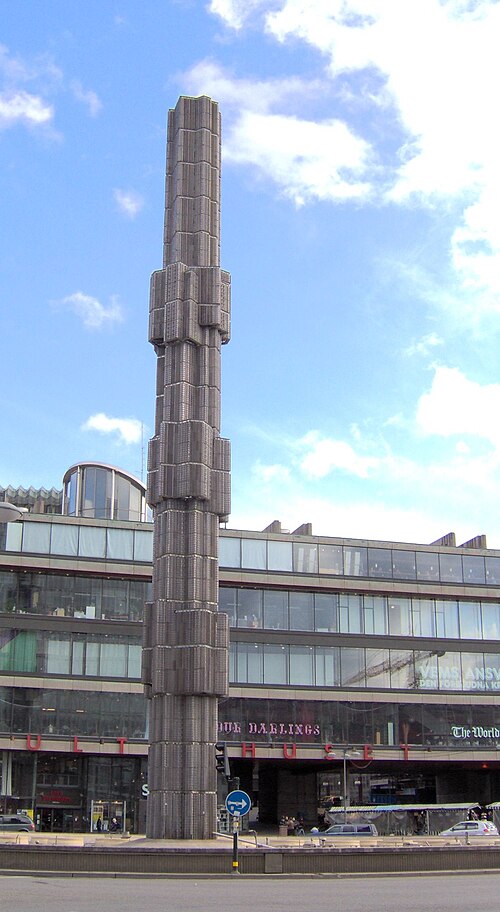
Kristallvertikalaccent is a permanent outdoor glass and crystal artwork in central Stockholm. It functions as a compact urban landmark rather than an enclosed attraction, so the experience comes from seeing the sculpture in its streetscape.
Ringen
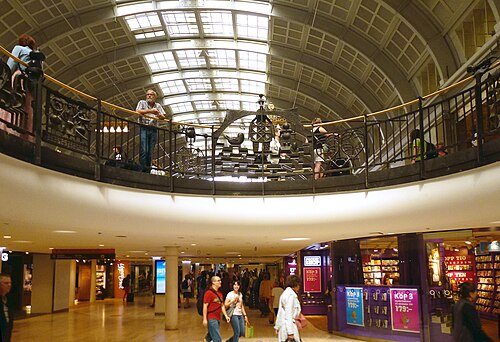
Ringen is a commercial and transit-oriented space associated with Stockholm Central Station, the principal railway hub of Sweden's capital. The station serves as a major interchange for national and regional rail services, the Stockholm metro, and local bus networks.
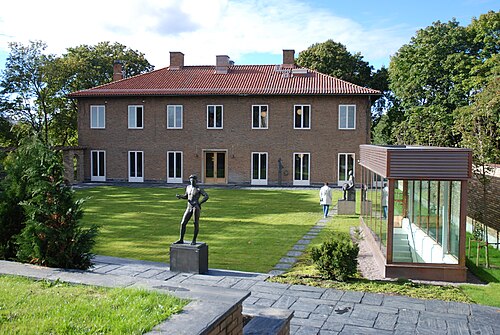
Marabouparken konsthall is a contemporary art gallery in Marabouparken, Sundbyberg, just outside central Stockholm. It is a kunsthall, meaning that its programme centres on temporary exhibitions rather than a permanent collection.
Source: OpenStreetMap contributors, Wikidata ·
Seven to ten days gives Stockholm three or four days and allows one rail-linked city, archipelago stay or northern extension. A journey into Swedish Lapland needs extra nights and should be planned as a distinct leg.
The Swedish Migration Agency sets visitor and short-stay requirements. Check whether the passport needs a visa and which Schengen state should process an application for the complete itinerary.
Stockholm Arlanda is the largest gateway; Gothenburg and the Copenhagen–Malmö route provide alternatives. Long-distance trains link the principal cities, while ferries, regional buses and domestic flights reach the wider country.
May through August brings long daylight and the broadest summer access. Winter aurora or snow travel is a separate seasonal product, particularly in the north, with different transport and clothing requirements.
Sweden uses the krona (SEK), not the euro. Current cash and card acceptance is Not recorded in this file; check the operator’s stated payment method, particularly for unmanned or rural services.
Call 112 for emergencies in Sweden. Type C and F sockets operate at 230 V, and the recorded guidance says mains tap water is safe.