Gamla stan
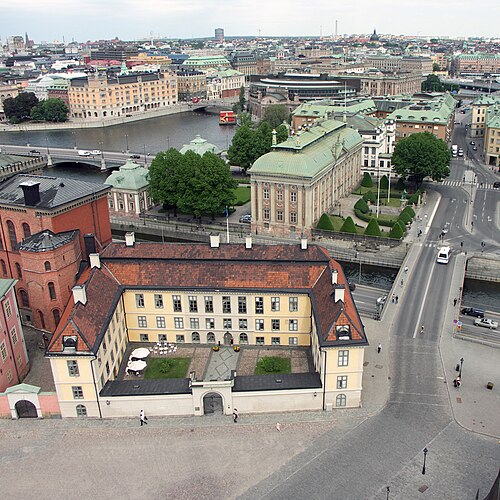
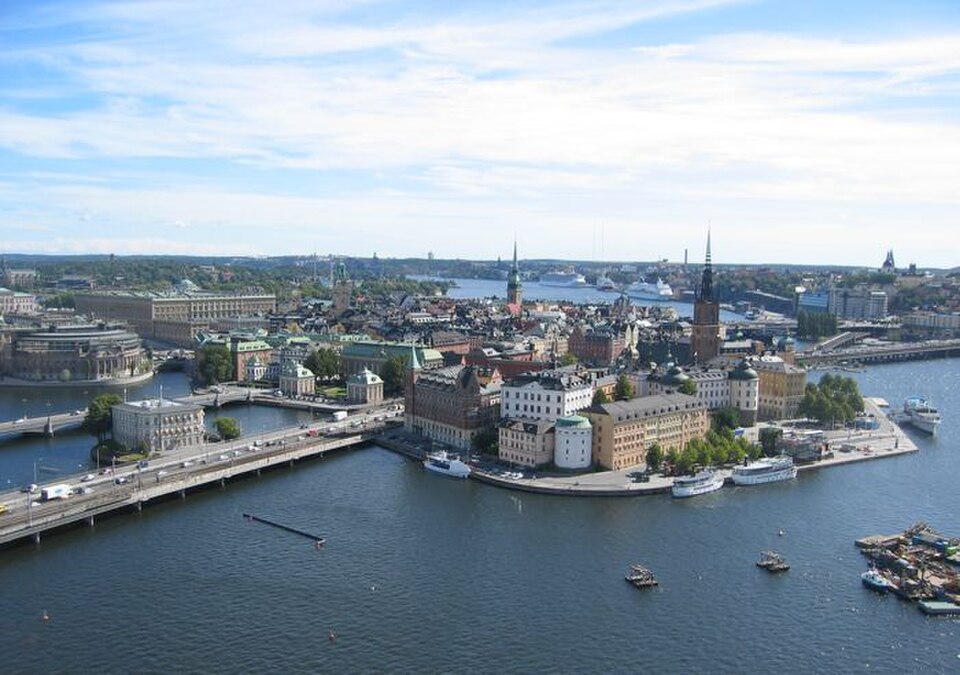
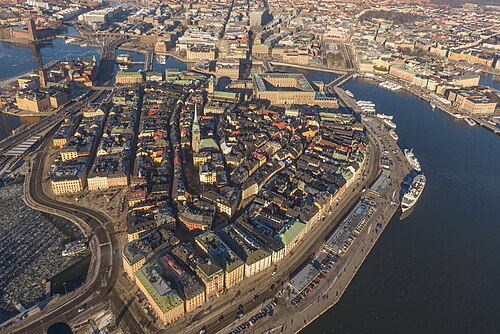
Gamla stan is Stockholm's old town, and until 1980 its official name was Staden mellan broarna, the town between the bridges, which describes what a visitor walks into better than old town does.
- Must see
- Historic monument
- Stockholm
Language · 11 published
Country guide
Sweden runs from 55°N to 69°N — long enough that its north and its south keep different weather and different daylight in the same week. Of its 450,295 km², built-up land accounts for 1.5 per cent, and 88 per cent of the 10,610,485 people counted in October 2025 live in towns concentrated in the south and the centre. That is the practical division for a visitor: the southern counties hold Stockholm and most of what fits into a weekend, while the rest of the 21 counties trade density for distance. Choose by how far you are willing to travel between two things.
Reviewed by Elena Voss · Roavina Travel Editor
Every city catalogued in this country so far, ranked by how much there is to see.
Photograph · JZ · CC BY-SA 3.0
Ranked by importance — sitelinks, pageviews and heritage status, not editor preference.
31 places match
Category
Typical visit duration
Interests
Gamla stan is Stockholm's old town, and until 1980 its official name was Staden mellan broarna, the town between the bridges, which describes what a visitor walks into better than old town does.
Stockholms slott
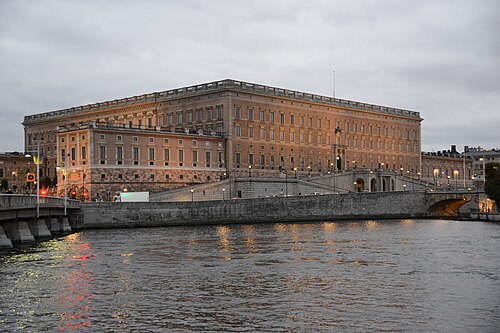
Kungliga slottet, the Royal Palace of Stockholm, stands at the northern edge of Gamla Stan on the rock where Birger Jarl is recorded as having built a fortress in the mid-thirteenth century.
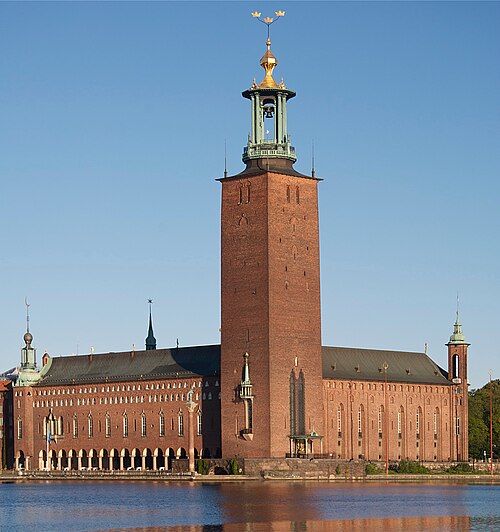
Stockholms stadshus
Stockholms stadshus is the working seat of Stockholm's city government, not a museum that happens to look municipal.
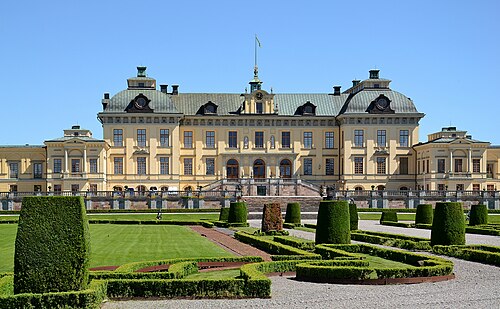
Drottningholms slott
Drottningholm sits on the island of Lovon in Ekero Municipality, about ten kilometres west of central Stockholm, and it is a working royal home as well as a monument.
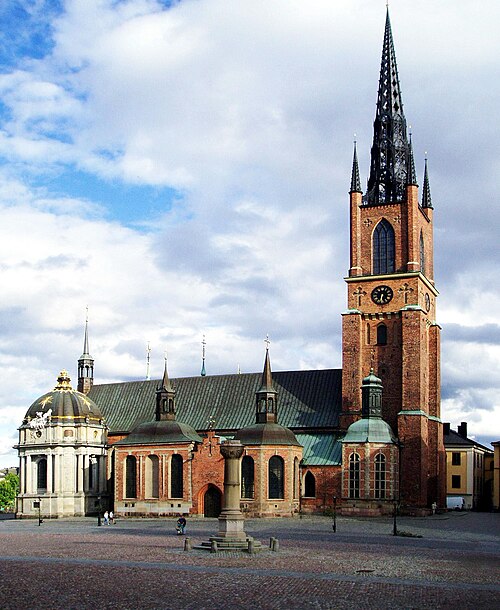
Riddarholmskyrkan
Riddarholm Church, or Riddarholmskyrkan, is a medieval church on Riddarholmen in central Stockholm. It serves as the burial church of Swedish monarchs and now functions primarily as a royal mausoleum and heritage site.
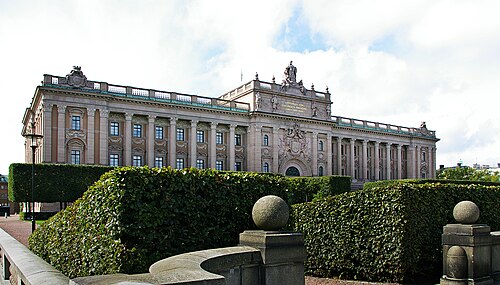
Riksdagshuset
The Parliament House of Sweden, known locally as Riksdagshuset, serves as the seat of the Swedish Parliament. Located on the island of Helgeandsholmen in central Stockholm, the building houses the unicameral legislative assembly of Sweden.
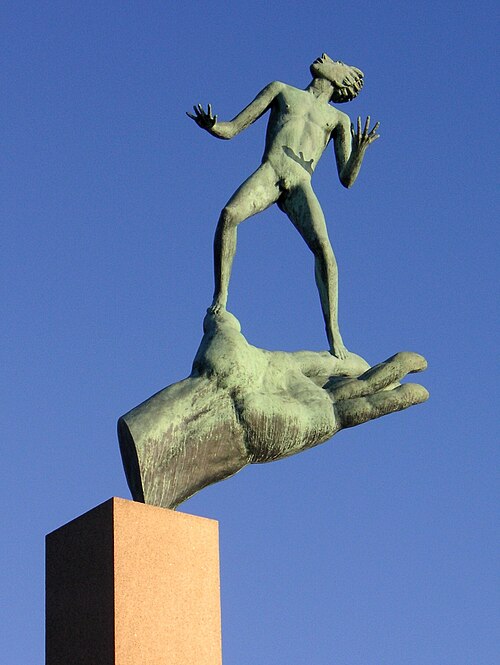
Millesgården is an art museum and sculpture garden located on the island of Lidingö near Stockholm. It was the former home and studio of sculptor Carl Milles and his wife, artist Olga Milles.
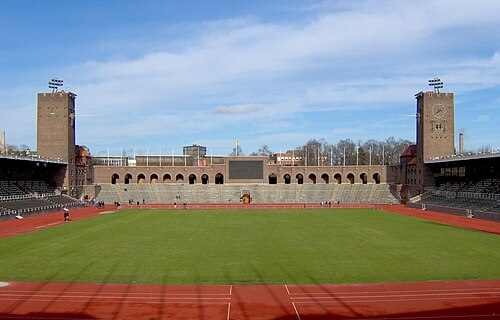
Stockholms stadion
Stockholms stadion is a historic sports arena in Stockholm, Sweden. Built for the 1912 Summer Olympics, it remains one of the world's oldest active Olympic stadiums.
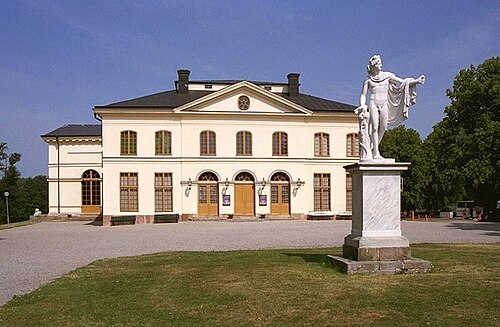
Drottningholms Slottsteater
Drottningholm Palace Theatre is a historic court theatre located on the grounds of Drottningholm Palace, a UNESCO World Heritage site near Stockholm. Built in 1766, it is one of the best-preserved 18th-century theatres in Europe.
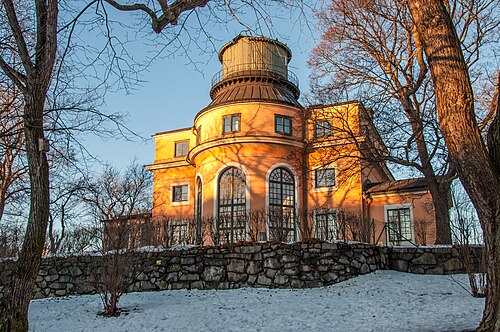
Stockholms gamla observatorium
Stockholm Observatory, also known as Stockholms gamla observatorium, is a historic astronomical facility in Stockholm. It belongs on a city walk for travellers interested in science, architecture and the intellectual history of Sweden.
Kina slott
The Chinese Pavilion at Drottningholm, called Kina slott in Swedish, is a royal pleasure pavilion on Lovön near Stockholm.
Rosendals slott
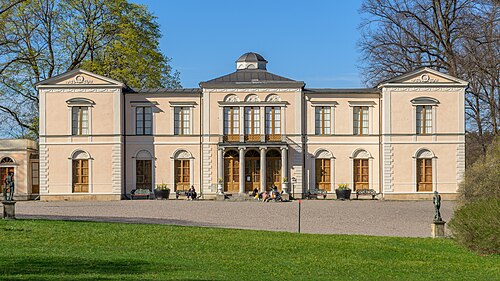
Rosendal Palace, known locally as Rosendals slott, is a royal palace situated on Djurgården island in central Stockholm. The palace was constructed as a pleasure palace for King Karl XIV Johan in the 1820s.
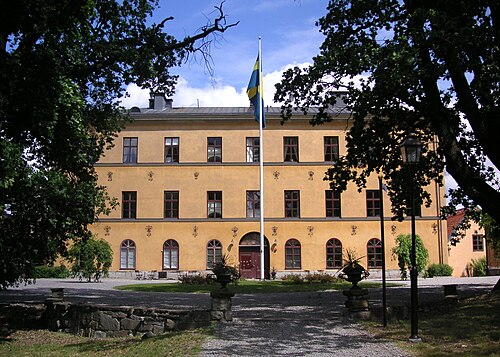
Ulriksdals slott
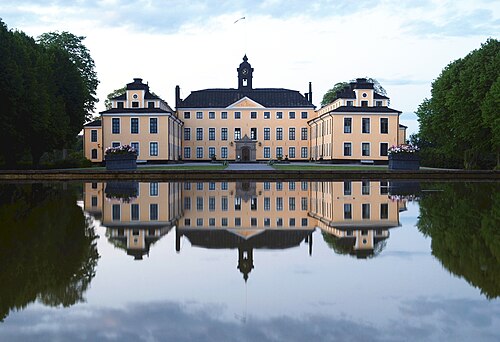
Ulriksdal Palace, or Ulriksdals slott, is a royal palace in Solna, north of Stockholm city centre. The palace belongs to Sweden’s royal heritage and sits within extensive parkland and gardens.
Kulturhuset
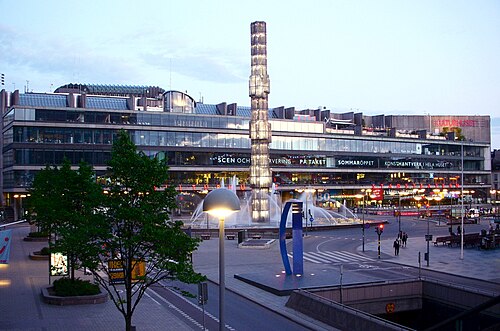
The House of Culture, known locally as Kulturhuset, is a prominent cultural centre located in central Stockholm. It occupies a significant position within the city's cultural infrastructure, serving as a multi-purpose venue for artistic and community activities.
Confidencen
Theater Confidencen is a Stockholm theatre whose identity is created by live performance rather than by a permanent exhibition. Its character comes from the meeting of performers and audience, the production chosen, and the particular occasion announced in the programme.
Karlbergs slott
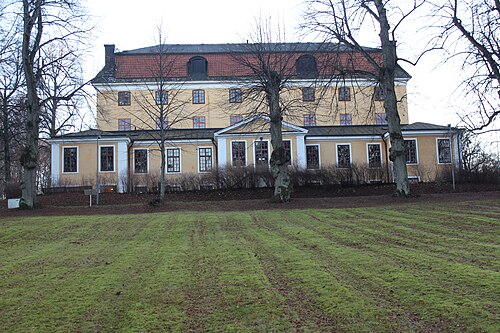
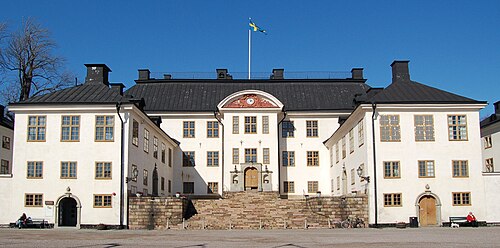
Karlberg Palace, or Karlbergs slott, is a historic palace complex in Stockholm’s Karlberg district beside the water.
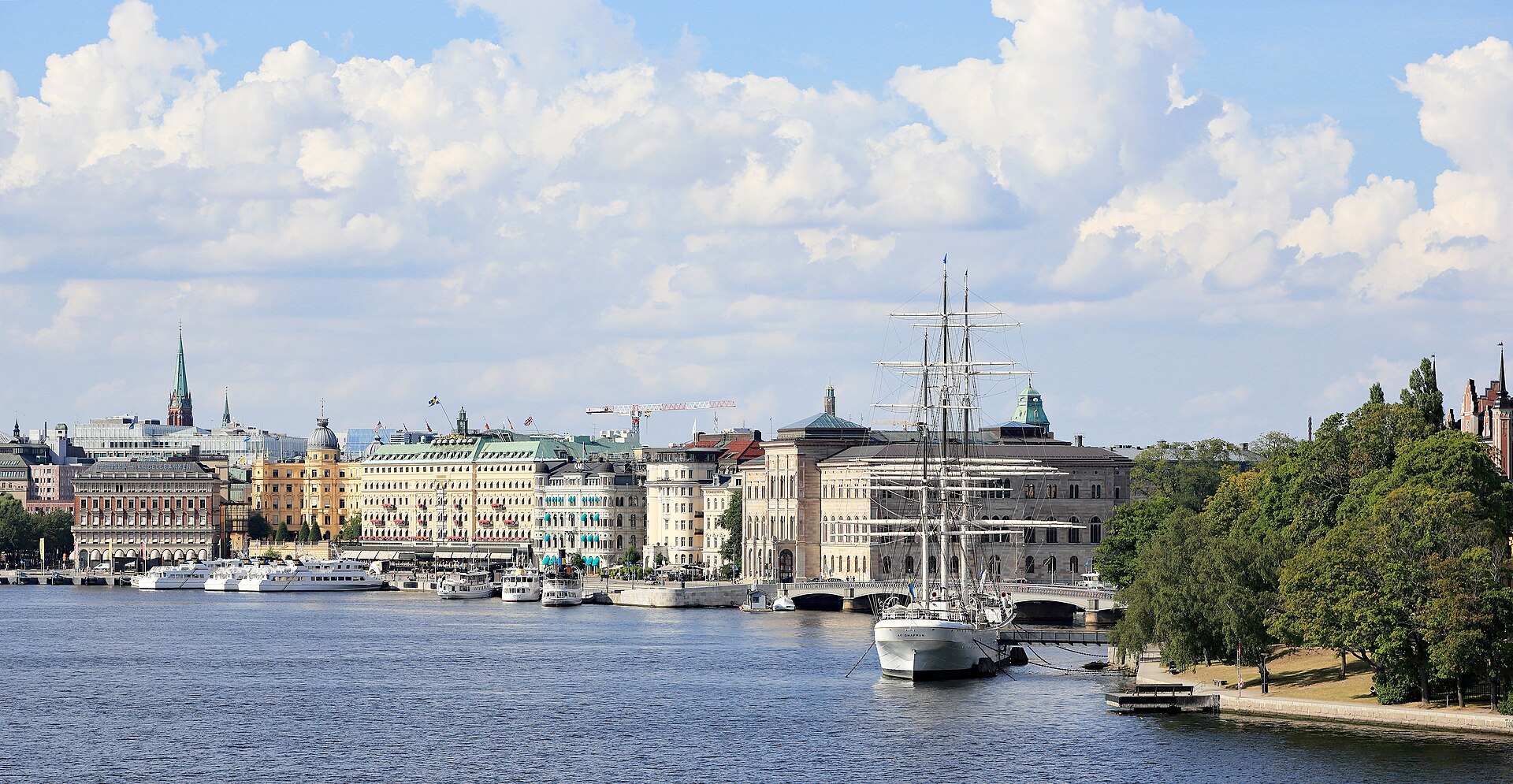
Af Chapman
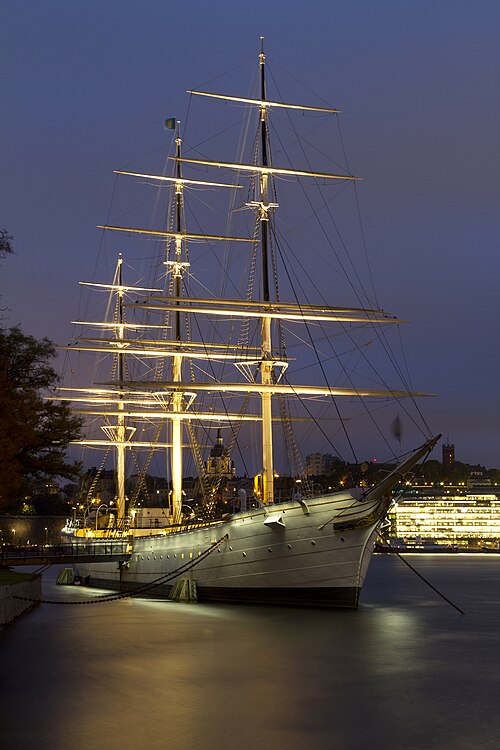
Af Chapman is a full-rigged steel ship permanently moored on Skeppsholmen in central Stockholm. Built in 1888 as Dunboyne in Whitehaven, it later served as a training vessel before becoming a youth hostel in 1949.
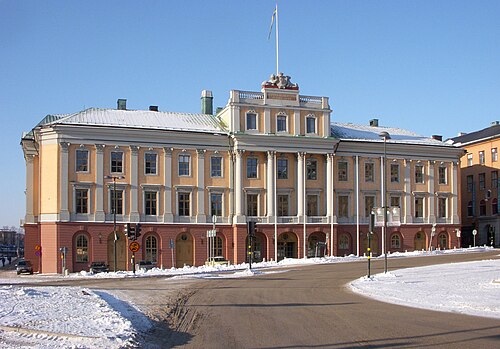
Axel Oxenstiernas palats
Axel Oxenstierna Palace is a historic Stockholm building named for Axel Oxenstierna, the Swedish statesman who served as Lord High Chancellor during the reigns of Gustavus Adolphus and Queen Christina.
Arvfurstens palats is a palace building in central Stockholm and a distinctive part of the capital’s built heritage. Its importance for a traveller lies primarily in the architecture and the building’s position within the historic city centre.
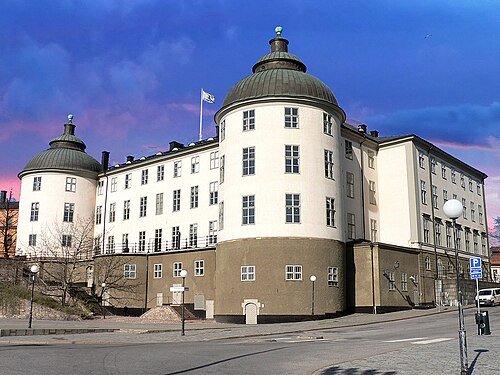
Wrangelska palatset
Wrangel Palace, or Wrangelska palatset, stands on Riddarholmen in central Stockholm. Built for Count Carl Gustaf Wrangel during Sweden’s seventeenth-century great-power era, it is a prominent example of Swedish Baroque architecture.
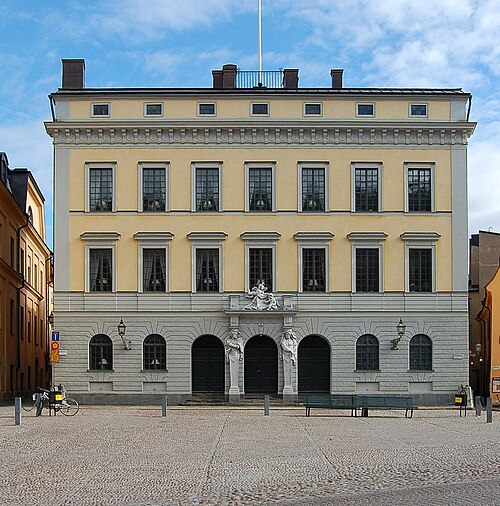
Tessinska palatset
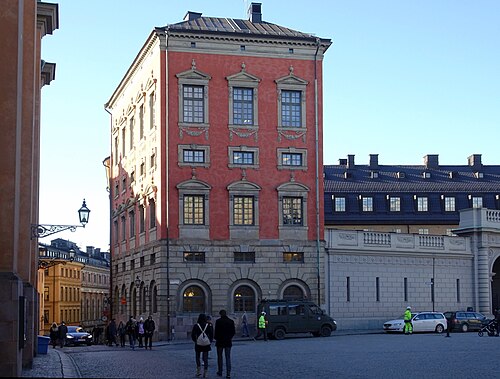
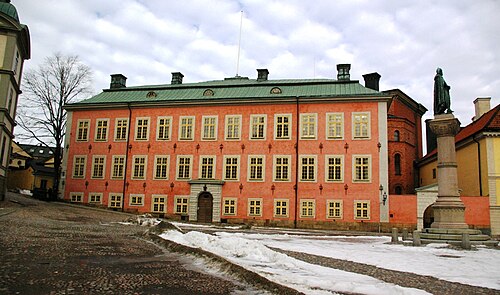
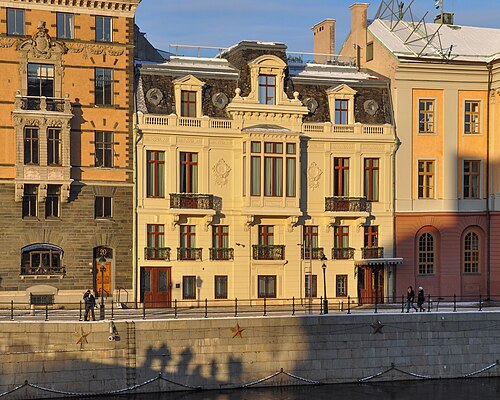
Tessin Palace stands in Stockholm’s Gamla Stan and was designed by Nicodemus Tessin the Younger as his private residence. The building represents Swedish Baroque architecture and reflects the ambitions of one of Sweden’s leading court architects.
Bondeska palatset
Bonde Palace, also known as Bondeska palatset, is a historic Stockholm building associated with noble residence and the city’s older urban fabric. Its architectural presence reflects the long political and social history of central Stockholm.
Ulvsunda slott
Ulvsunda Castle, known locally as Ulvsunda slott, is a historic castle and manor house in western Stockholm.
Hessensteinska palatset is a historic palace in Stockholm, Sweden. The building represents classical Swedish architectural heritage and stands as one of the notable palatial structures in the city.
Gustav III:s paviljong
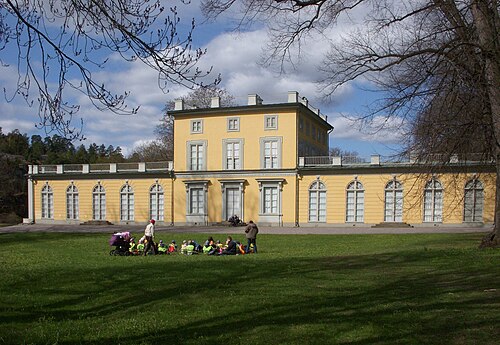
Gustav III’s Pavilion is a royal pleasure pavilion in Hagaparken, north of Stockholm. Built for King Gustav III in the late eighteenth century, it is a notable expression of Swedish Gustavian architecture.
Hässelby slott
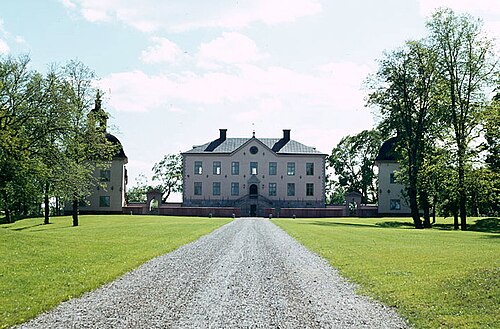
Hässelby Castle, or Hässelby slott, is a historic landmark in Stockholm's western Hässelby district. The castle extends Stockholm's heritage beyond the central islands and offers a different scale of city experience, shaped by historic architecture and its surrounding setting.
Klara kyrka
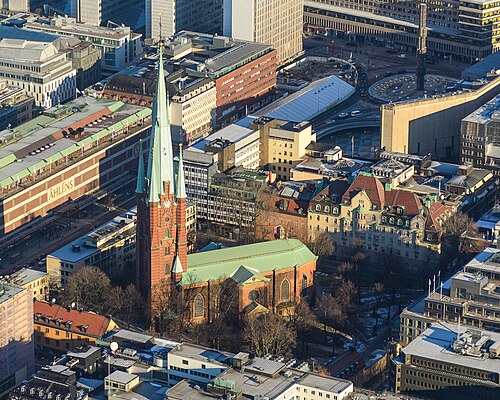
Klara Church, or Klara kyrka, is a historic church in Stockholm’s central Klara district. Its tower is a visible part of the city skyline, and the building remains both a landmark and a functioning place of worship.
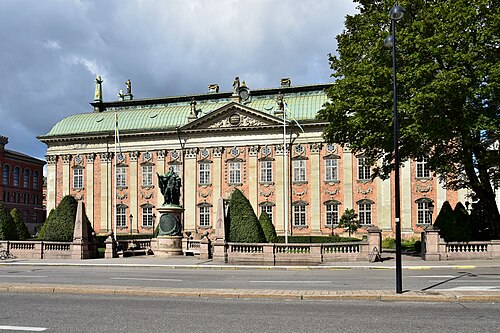
Riddarhuset
The Swedish House of Nobility, known in Stockholm as Riddarhuset, is a historic institution and building in Gamla Stan. It is associated with Sweden's noble families, their records, and the country's earlier system of estate-based political representation.
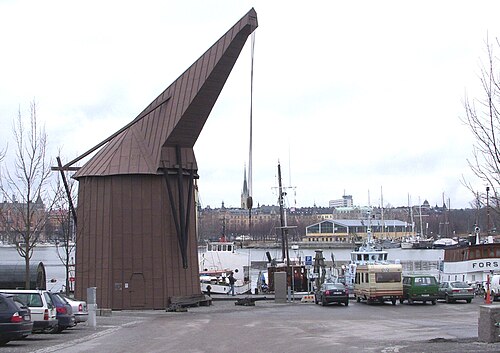
Styckekranen is a mapped place in Stockholm, Sweden, identified by its name and location in OpenStreetMap. Its value lies in adding a less familiar location to a Stockholm walk and in encouraging attention to the city's working and historic landscape.
Stenbockska palatset
Stenbockska Palatset is a historic palace in central Stockholm, associated with the Stenbock family and the city's aristocratic architectural heritage.
Sagerska huset
Sagerska huset, known in English as Sager House, stands as a prominent building in Stockholm. The structure holds official significance within the Swedish capital's urban fabric.
Source: OpenStreetMap contributors, Wikidata ·
Seven to ten days gives Stockholm three or four days and allows one rail-linked city, archipelago stay or northern extension. A journey into Swedish Lapland needs extra nights and should be planned as a distinct leg.
The Swedish Migration Agency sets visitor and short-stay requirements. Check whether the passport needs a visa and which Schengen state should process an application for the complete itinerary.
Stockholm Arlanda is the largest gateway; Gothenburg and the Copenhagen–Malmö route provide alternatives. Long-distance trains link the principal cities, while ferries, regional buses and domestic flights reach the wider country.
May through August brings long daylight and the broadest summer access. Winter aurora or snow travel is a separate seasonal product, particularly in the north, with different transport and clothing requirements.
Sweden uses the krona (SEK), not the euro. Current cash and card acceptance is Not recorded in this file; check the operator’s stated payment method, particularly for unmanned or rural services.
Call 112 for emergencies in Sweden. Type C and F sockets operate at 230 V, and the recorded guidance says mains tap water is safe.