
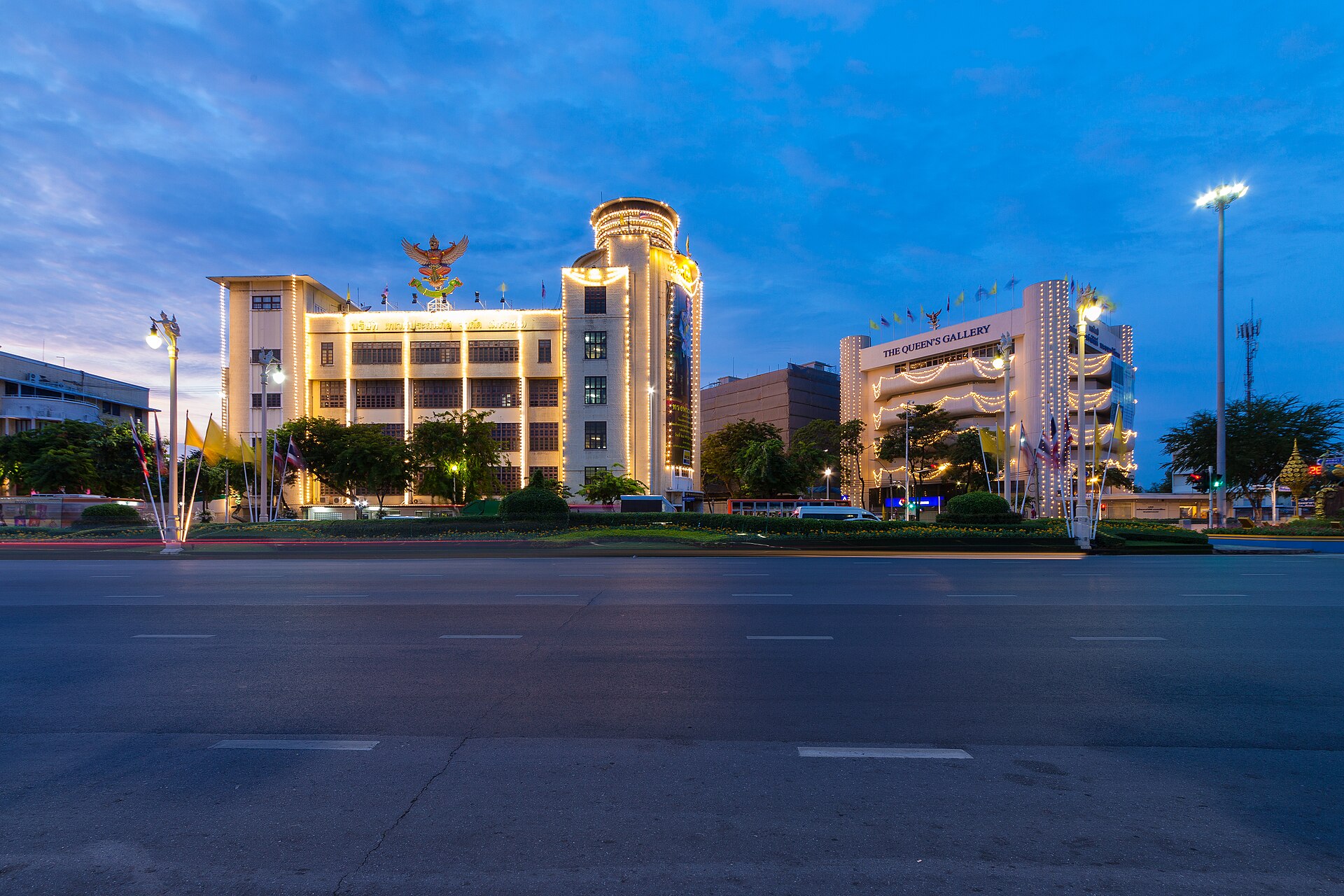
2 min walk · เขตพระนคร
Queen Sirikit Gallery
- Must see
- Art and culture venue
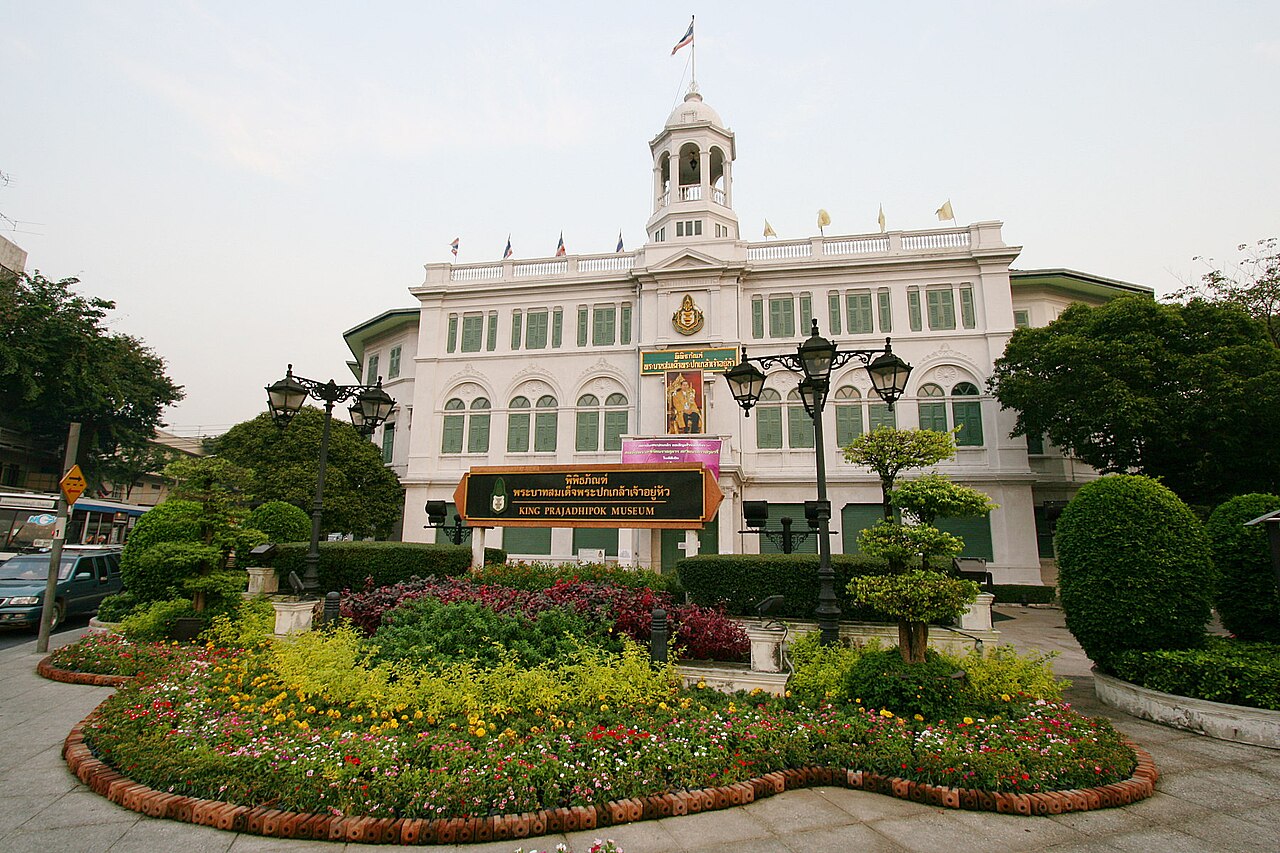
Museum · เขตป้อมปราบศัตรูพ่าย, Bangkok
พิพิธภัณฑ์พระบาทสมเด็จพระปกเกล้าเจ้าอยู่หัว
The King Prajadhipok Museum is a Bangkok institution dedicated to the life and reign of King Prajadhipok, Rama VII, the last absolute monarch and first constitutional king of Siam. Housed in a distinctive building, the museum preserves royal heritage and documents the pivotal 1932 transition from absolute to constitutional monarchy. The institution serves as both historical archive and educational venue, offering visitors insight into early twentieth-century Thai political transformation. Its collections illuminate a critical period of national change through royal memorabilia and documentary materials. The museum's focus on constitutional history and documentary materials may engage older children with established interest in political narrative. Younger visitors might find text-heavy presentations less accessible. Family suitability depends on individual children's engagement capacity with historical content. The museum's focus on constitutional history and documentary materials may engage older children with established interest in political narrative. Younger visitors might find text-heavy presentations less accessible. Family suitability depends on individual children's engagement capacity with historical content.
Checked 2026-08-26 · Source
The museum contains exhibitions focused on King Prajadhipok's biography, his consort Queen Rambai Barni, and the 1932 revolution that reshaped Thai governance. Displays incorporate personal effects, photographs, documents, and historical artifacts from the royal household. Thematic presentations address the king's upbringing, coronation, reign, and eventual abdication. Interpretive materials examine constitutional monarchy establishment. The collection emphasizes political and social context rather than decorative arts, prioritizing historical narrative over aesthetic display.
Checked 2026-08-26 · Source
Visitors typically allocate approximately one to two hours for a comprehensive examination of the museum's contents. This duration permits engagement with documentary materials, photographic archives, and biographical displays at measured pace. The compact institutional scale supports efficient circulation without exhaustive temporal commitment. Readers of extended historical texts or those seeking thorough absorption of political narrative may prefer extended visitation. Casual observers with limited interest in constitutional history may complete circuits more rapidly. Personal pacing varies substantially according to individual engagement with textual interpretation and photographic documentation.
Checked 2026-08-26 · Source
Visitors should consult directly with museum administration or authoritative tourism channels before planning attendance. Bangkok's tropical climate presents consistent heat and humidity year-round, with seasonal monsoon variations affecting comfort. Morning visitation may offer marginally cooler conditions and reduced crowding at centrally located institutions. Holiday periods and royal commemorative dates may influence accessibility or generate increased domestic attendance. Advance verification remains essential given potential unannounced closures for maintenance, private functions, or national observances. The museum's urban location permits flexible scheduling within broader Bangkok itineraries.
Checked 2026-08-26 · Source
Admission structures for Thai national museums typically differentiate between domestic and international visitors, though specific fee schedules at this institution remain unverified. Potential categories may include standard adult entry, student concessions, and senior reductions. Complimentary access provisions for children or designated groups are not confirmed. Currency and accepted payment methods require direct institutional confirmation. Visitors should carry sufficient Thai baht as smaller museums may not accommodate international card transactions. Group arrangements and guided tour supplements, if offered, necessitate advance inquiry with administrative staff.
Checked 2026-08-26 · Source
The museum occupies a position in Bangkok's urban core accessible through multiple transportation modes. The metropolitan rail network provides proximate connectivity, with walking transfer required from nearest stations. Public bus services traverse surrounding thoroughfares with variable reliability. Taxis and motorcycle taxis operate extensively in the district though traffic congestion affects journey predictability. River and canal transport, characteristic of Bangkok's historical infrastructure, may offer alternative approaches depending on precise location relative to waterway terminals. Pedestrian navigation from nearby accommodations or dining venues is feasible for centrally situated visitors. Specific route optimization depends on departure point and temporal constraints.
Checked 2026-08-26 · Source
Visitors should anticipate standard museum protocols including security screening, bag inspection, and behavioral regulations. Photography restrictions may apply to specific exhibits or entire galleries; compliance with posted signage and staff direction is mandatory. Climate-controlled interiors provide relief from external conditions; appropriate layered attire accommodates temperature differentials. Footwear removal requirements for certain spaces should be anticipated. Crowding during peak periods may impede circulation and viewing comfort. Respectful demeanor is expected given the institution's royal commemorative function. Accessibility accommodations for mobility-impaired visitors are not confirmed and should be verified directly. Emergency exit awareness supports visitor safety in unfamiliar environments.
Checked 2026-08-26 · Source
Visitors must observe all posted restrictions and comply promptly with staff instructions regarding image capture. Flash photography typically damages sensitive documentary materials and is commonly prohibited in archival institutions. Tripod and stabilizing equipment may present obstruction hazards and require explicit authorization. Mobile telephone photography may encounter fewer restrictions than dedicated camera apparatus. Commercial or publication-oriented imaging invariably requires advance administrative approval and potential licensing arrangements. When permitted, photography should not disturb fellow visitors or impede circulation patterns through exhibition spaces.
Checked 2026-08-26 · Source
The museum's focus on constitutional history and documentary materials may engage older children with established interest in political narrative. Younger visitors might find text-heavy presentations less accessible. Family suitability depends on individual children's engagement capacity with historical content.
Visitors should contact the museum directly to inquire about scheduled tours, language options, and reservation requirements.
Visitors requiring mobility assistance should contact the institution directly to verify ramp access, elevator availability, and restroom facilities.
Unlike palaces emphasizing ceremonial architecture and decorative arts, this institution concentrates on documentary history and political transition. The thematic focus on constitutional monarchy establishment distinguishes it from broader royal heritage presentations.
Standard museum protocols typically prohibit consumption within exhibition spaces. Visitors should inquire directly or observe posted regulations upon arrival.
Visitors interested in publications or commemorative items should verify availability directly with museum staff during their visit.
Loading the interactive map…
The interactive map could not be loaded.
Last updated:
Source: OpenStreetMap contributors, Wikidata ·