.jpg)

4 min walk · เขตสัมพันธวงศ์
Wat Chakkrawat
- High · Heritage site
- Place of worship
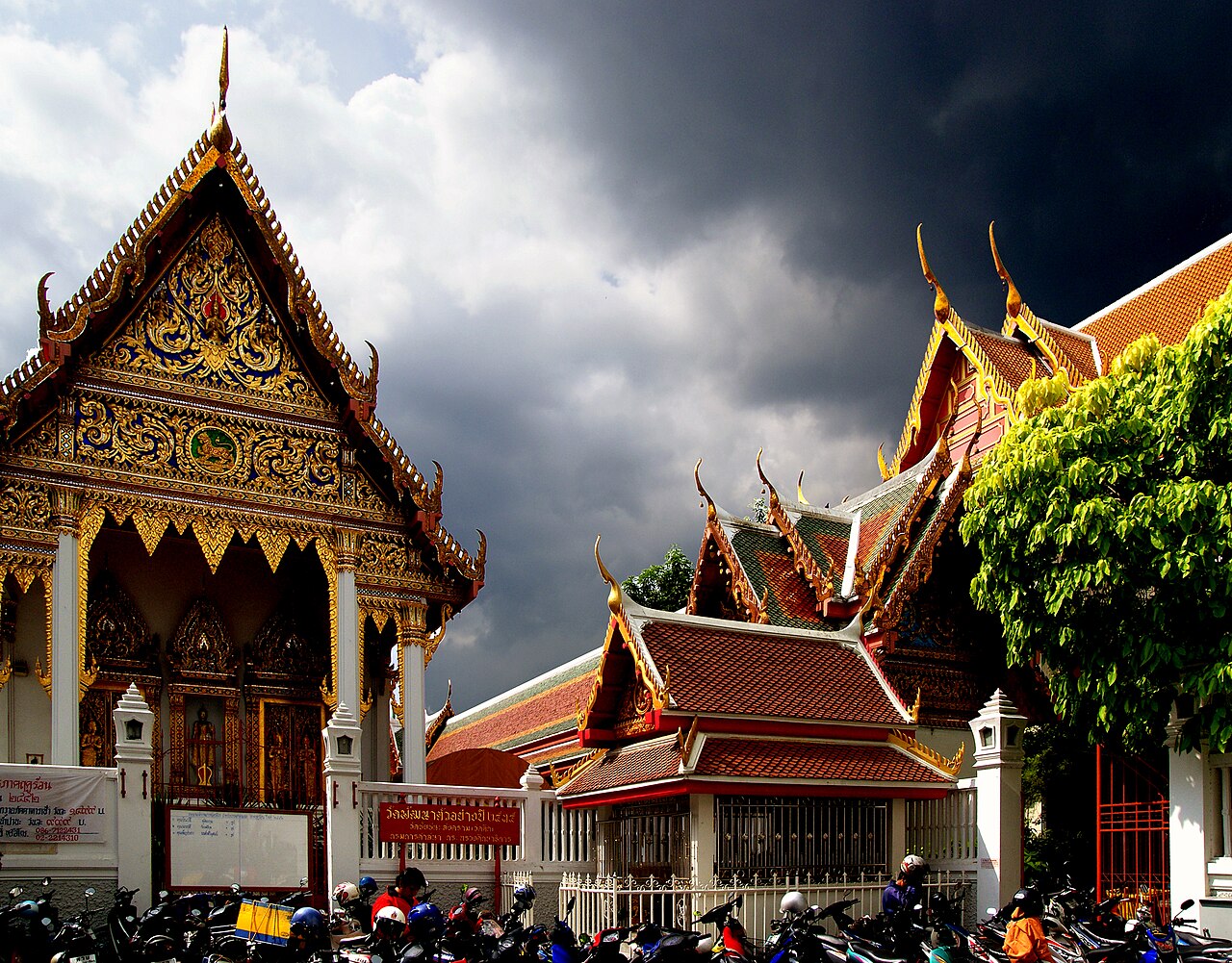
Historic monument · เขตสัมพันธวงศ์, Bangkok
ตลาดสำเพ็ง
Sampeng Market is a historic wholesale and retail market in Bangkok’s Chinatown, running through a narrow lane parallel to Yaowarat Road. It is a working commercial district rather than a staged attraction, with traders serving both shop owners and individual shoppers. Fabrics, textiles, accessories, household goods, stationery, and dry goods create the market’s character. The compact lane reveals an older, walking-oriented side of Bangkok’s Chinese-Thai commercial neighbourhood. Sampeng Market is a historic wholesale and retail market in Bangkok's Chinatown district. Operating primarily as a daytime trading hub, it occupies a narrow lane running parallel to Yaowarat Road. The market has served as a center for Chinese-Thai commerce for generations, with vendors historically selling fabrics, textiles, and household goods. Its compressed alleyway setting creates an immersive urban market atmosphere characteristic of older Bangkok commercial areas. The market reflects the dense, walking-oriented commercial patterns developed before modern retail infrastructure. Visitors should verify current information before traveling.
Checked 2026-08-26 · Source
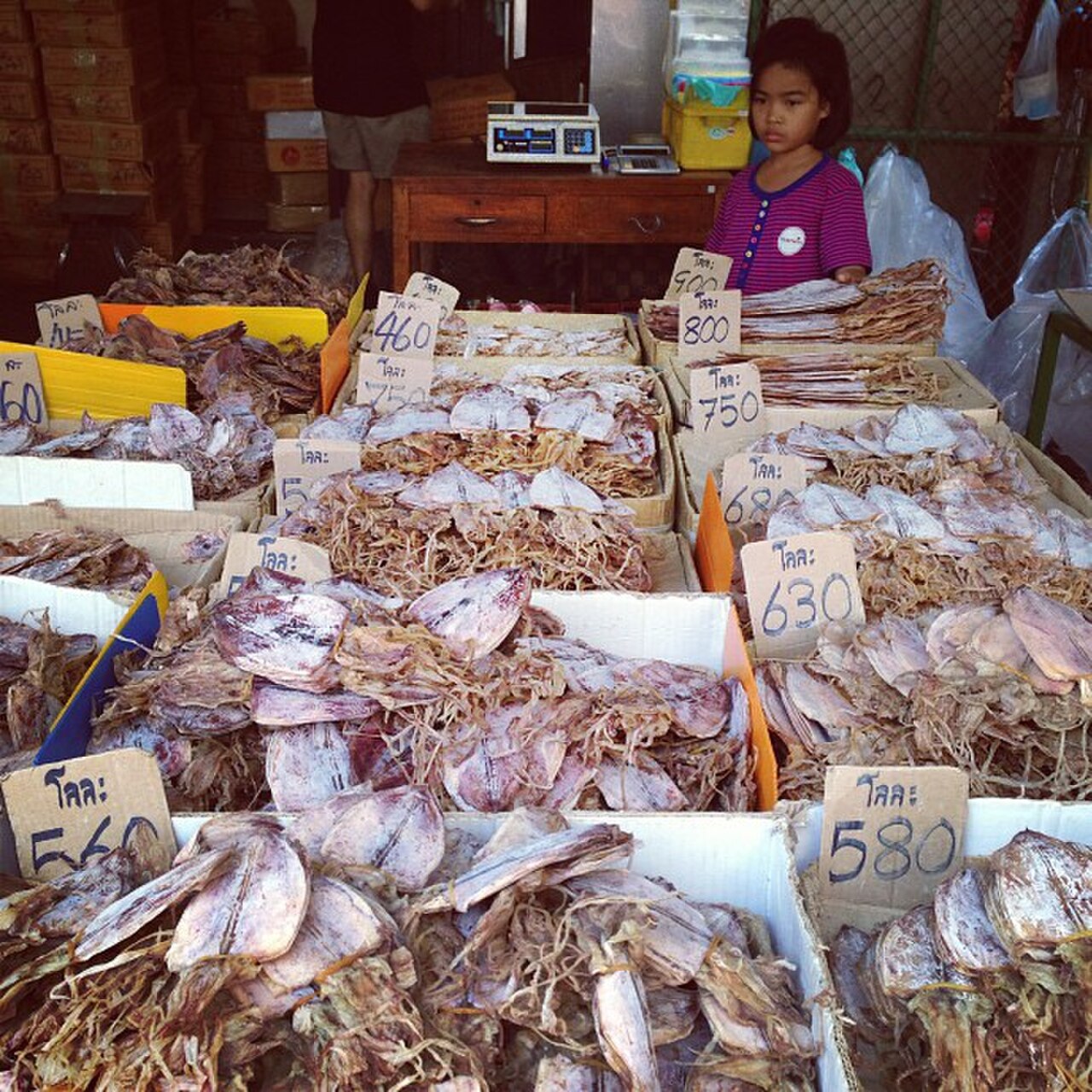
Stalls and small shops line both sides of the constricted passage, with merchandise displayed close to the walking route. Different stretches concentrate on different types of goods, creating informal zones for fabrics, clothing accessories, household items, stationery, and other supplies. Food vendors and small eateries are interspersed among the merchandise. The market’s appeal comes from this dense mix of commerce, movement, and practical shopping rather than from a single landmark building. The market consists of tightly packed stalls and small shops lining both sides of a constricted pedestrian thoroughfare. Merchandise categories include textiles, fabrics, clothing accessories, household items, stationery, and various dry goods. Many vendors operate as wholesalers serving smaller retailers, though individual purchases are accommodated. The narrow passage requires visitors to navigate through crowded conditions with goods displayed at close quarters.
Checked 2026-08-26 · Source
A straightforward walk through the main lane can take around twenty to forty minutes, depending on congestion. Browsing stalls, comparing fabrics, or buying goods extends the visit considerably. Serious shoppers may spend several hours because the physical route is short but the displays demand slow movement. The market has no structured sightseeing sequence, so visitors can choose between a quick Chinatown atmosphere stop and a longer shopping-focused exploration.
Checked 2026-08-26 · Source
Sampeng Market is a daytime trading venue, and morning brings active wholesale commerce through the narrow lane. Afternoon visits offer a different rhythm as shoppers continue to move between stalls and shops. The covered passage gives some protection from direct sun and rain, but Bangkok’s heat and humidity remain noticeable. Weekdays, weekends, and holidays can produce different crowd patterns, so plan around the market’s working atmosphere rather than expecting a quiet walk.
Checked 2026-08-26 · Source
General entry to the market lane is free and does not require a ticket or advance booking. Costs arise from purchases made at individual stalls. The market serves both wholesale and retail customers, so ask about the quantity and price of goods you want before completing a transaction. Carrying cash is practical in this traditional trading environment. The visit is best treated as open street commerce, with each shop handling its own sales.
Checked 2026-08-26 · Source
Sampeng Market is in Samphanthawong district, at the heart of Bangkok’s Chinatown. Ratchawong Pier provides a useful river approach, followed by a walk through Chinatown streets. MRT services reach the broader Chinatown area, with the final approach continuing on foot. Taxis and motorcycle taxis serve the surrounding roads, but the narrow market lane itself is a walking environment. Dense streets and traffic make the last part of the journey slower than the map distance suggests.
Checked 2026-08-26 · Source
The lane is extremely narrow and can become difficult to navigate when shoppers, vendors, goods, and motorcycles share the passage. Keep bags close and watch for merchandise extending into the route. Uneven surfaces create additional care points, especially in dense crowds. Buyers should inspect products and clarify prices directly with vendors. Heat and humidity build in the confined space. Visitors using mobility aids may find the crowded, irregular passage challenging to negotiate.
Checked 2026-08-26 · Source
Sampeng’s compressed lane offers colourful, close-up scenes of textiles, accessories, shop displays, and everyday Chinatown commerce. Movement is restricted, so use a small setup and pause without blocking customers or deliveries. Ask before photographing vendors or focusing closely on personal transactions. Shaded sections and brighter openings create changing exposure conditions. A tripod is impractical in the crowded passage. Respect the fact that this is a working market where photography should remain secondary to people’s businesses.
Checked 2026-08-26 · Source
The market sells fabrics, textiles, clothing accessories, household items, stationery, dry goods, and other merchandise through tightly packed stalls and shops.
Yes. General entry to the market lane is free; visitors pay only for goods or food they choose to buy.
A walk through the main lane takes around twenty to forty minutes, while browsing and shopping can extend the visit to several hours.
Use Ratchawong Pier followed by a walk, reach the broader Chinatown area by MRT and continue on foot, or take a taxi or motorcycle taxi to the surrounding roads.
The extremely narrow, crowded lane and uneven surfaces can make movement difficult for visitors with mobility limitations.
Yes, photography is possible, but ask before photographing vendors or close commercial interactions and avoid blocking the working passage.
Loading the interactive map…
The interactive map could not be loaded.

Last updated:
Source: OpenStreetMap contributors, Wikidata ·