
10 min walk · เขตปทุมวัน
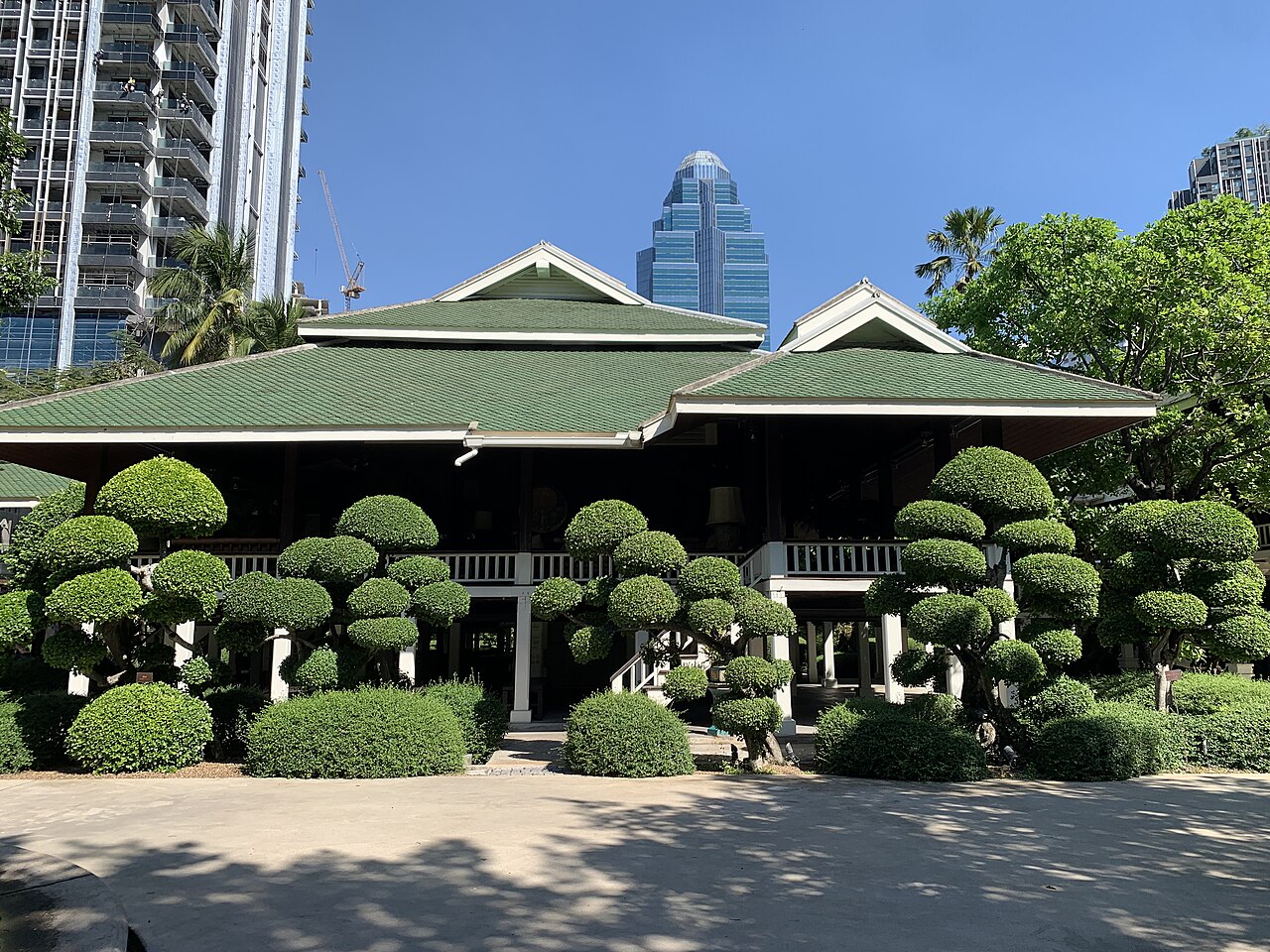
Nai Lert Park Heritage Home
- Notable
- Museum
Language · 11 published
Museum · เขตราชเทวี, Bangkok
พิพิธภัณฑ์แรงงานไทย
Reviewed by Elena Voss · Roavina Travel Editor
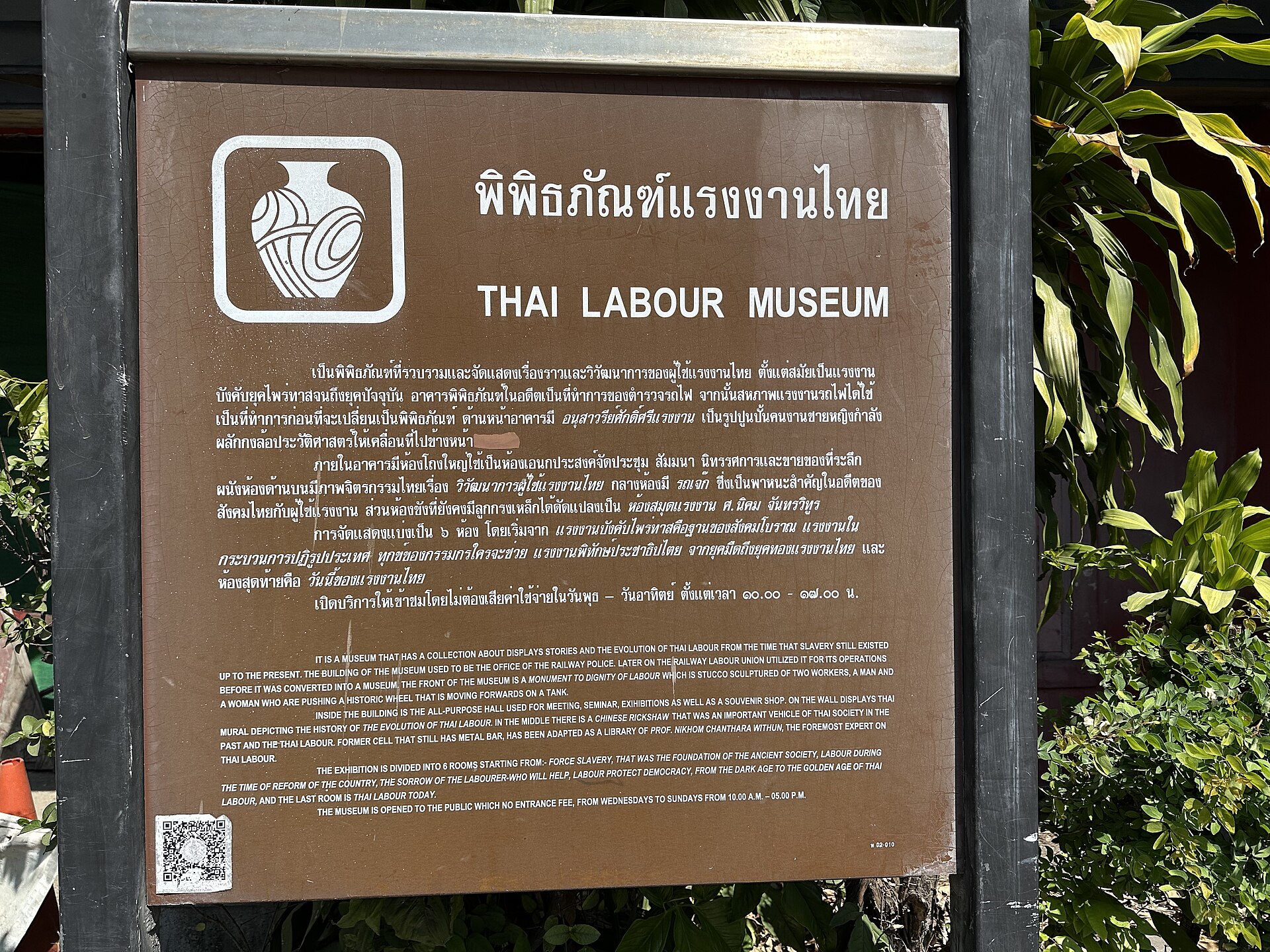
This place is a Museum.
The Thai Labour Museum presents Thailand’s social history through the experiences of workers and the development of labour movements. Its subject is useful for travelers who want to understand the country beyond royal, religious, and commercial narratives. The museum connects working conditions, labour rights, and economic change with the lives of ordinary people. Expect a focused historical visit centered on documentary material and social interpretation. The Thai Labour Museum is a museum in Bangkok dedicated to documenting the history of labour and workers' movements in Thailand. It occupies a building with historical significance to the Thai labour movement. The museum serves as a repository for materials related to working conditions, labour rights, and the social history of Thai workers across different periods. Its establishment reflects efforts to preserve and present narratives often underrepresented in mainstream historical accounts. The institution contributes to public understanding of Thailand's industrial and social development through the lens of its workforce. The museum's specialised focus on labour history and social documentation may not engage younger children. Content addressing workers' struggles and historical hardships requires parental discretion. No specific children's programming or interactive elements are recorded.
Checked 2026-08-26 · Source
The collection covers Thai labour history through documents, photographs, and artefacts connected with workers, workplaces, organisations, and disputes. Displays place the development of employment practices and labour rights within Thailand’s wider social and economic story. The museum is better suited to reading and reflection than to fast entertainment. Give the exhibits time to connect personal working lives with the larger changes that shaped modern Thailand. The museum contains exhibits and collections related to Thai labour history. Thematic presentations may address various industries and sectors that have shaped the nation's economy. The collections preserve materials that document struggles for workers' rights and improved conditions. Visitors should expect historical and social documentation rather than interactive or multimedia-heavy installations typical of larger institutional museums.
Checked 2026-08-26 · Source
Allow one to two hours for the Thai Labour Museum. A shorter visit can provide an overview, while a slower pace is worthwhile for travelers interested in social history, labour rights, or documentary collections. The museum fits comfortably into a wider Bangkok cultural itinerary rather than requiring an entire day. Reading carefully matters here, because the meaning lies in the relationship between individual evidence and historical change. A visit to the Thai Labour Museum typically requires between one and two hours, depending on individual reading pace and interest depth.
Checked 2026-08-26 · Source
A morning visit is a comfortable choice before Bangkok’s heat builds during outdoor travel. Weekdays may provide a quieter setting for reading and considering the displays. Keep enough time in the day for the museum’s documentary pace rather than placing it between two rushed appointments. The subject rewards concentration, so visit when you have the energy to read, reflect, and connect the material with the city’s broader history.
Checked 2026-08-26 · Source
The Thai Labour Museum is a specialised social-history institution, and the visit is best planned as an accessible cultural stop rather than a commercial entertainment expense. Carry Thai baht in case a small museum payment or contribution is needed. The important preparation is allowing time for the exhibits and their human stories. Pair the visit with other Bangkok cultural stops if you want a fuller day of historical context.
Checked 2026-08-26 · Source
Use the museum’s mapped location to build the final route from your accommodation or another Bangkok attraction. The city offers BTS, MRT, buses, river ferries, taxis, and motorcycle taxis, with the most convenient choice depending on your starting point. Road traffic can be heavy, especially during peak periods. Leave extra time for the journey so the museum visit itself remains calm rather than compressed by a late arrival.
Checked 2026-08-26 · Source
The museum’s themes include difficult working conditions, labour disputes, and social hardship, which may feel serious for younger visitors. English interpretation may not cover every detail, so patience helps when reading the displays. Drink water during the journey through Bangkok’s heat, and allow time to settle before entering. Respect photography rules and the documentary character of the collection. Visitors with mobility needs should be prepared for conditions that may limit ease of movement.
Checked 2026-08-26 · Source
Treat photographs at the Thai Labour Museum as records of historical material rather than casual snapshots. Read signs before using a camera, keep flash away from documents and objects, and avoid blocking other visitors. Images involving personal stories or difficult events deserve particular sensitivity. If you share photographs, include the museum context rather than separating objects from the workers’ history they represent. A quiet approach suits the museum’s serious subject and documentary atmosphere.
Checked 2026-08-26 · Source
It focuses on Thailand’s labour history, workers’ lives, working conditions, labour rights, and social change.
Allow one to two hours, depending on how closely you read the documentary exhibits.
Older children and teenagers interested in history may engage with it, while its serious themes may be difficult for younger children.
Expect documents, photographs, and artefacts relating to Thai workers, labour organisations, employment practices, and labour disputes.
Bangkok’s BTS, MRT, buses, river ferries, taxis, and motorcycle taxis can form the route from your starting point.
Read slowly, connect personal stories with wider social change, and allow time for reflection after the exhibits.
Loading the interactive map…
The interactive map could not be loaded.
Last updated:
Source: OpenStreetMap contributors, Wikidata ·