_-_img_01.jpg)
10 min walk · เขตปทุมวัน
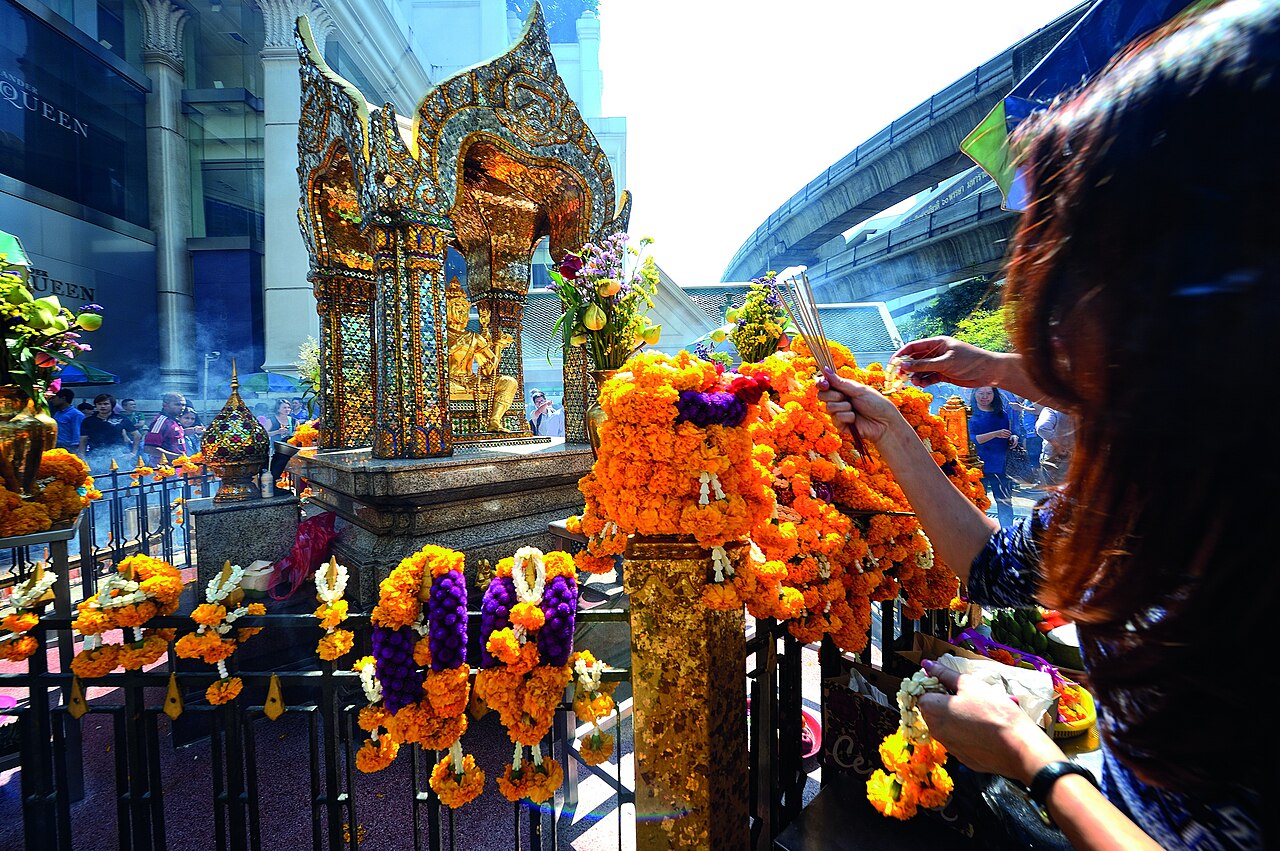
Erawan Shrine
- Must see
- Place of worship
Museum · เขตปทุมวัน, Bangkok
บ้านปาร์คนายเลิศ
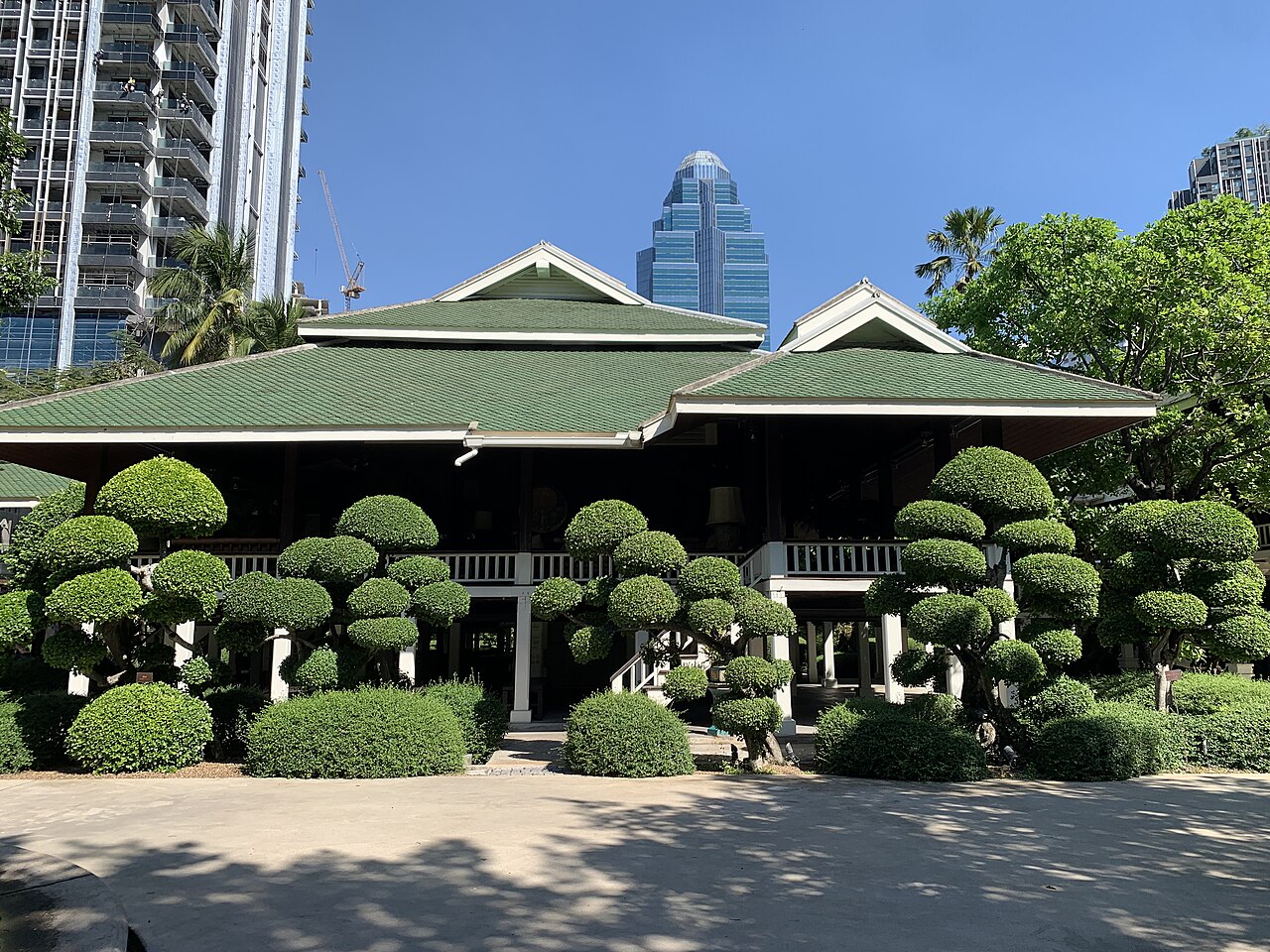
Nai Lert Park Heritage Home is a preserved Bangkok residence linked to the prominent Nai Lert family, whose influence shaped the city’s business and social life. The house brings together traditional Thai architectural heritage and colonial-era influences. Its rooms and setting offer a close, human-scale view of elite domestic life in the capital during the early twentieth century, when Bangkok was changing rapidly through commerce, transport, and international contact. It is best understood as a heritage home rather than a large conventional museum. Nai Lert Park Heritage Home is a historic residence in Bangkok, associated with the prominent Nai Lert family who were influential in Thai business and society. The property represents traditional Thai architectural heritage combined with colonial-era influences. It stands as a preserved example of early twentieth-century elite domestic architecture in the capital. The home reflects the social status and cultural aspirations of its original occupants during a period of significant change in Thailand. The property offers limited child-specific amenities. The historical nature of displays may engage older children with relevant interests. Young children require supervision near fragile objects and original architectural features.
Checked 2026-08-26 · Source
Inside, visitors encounter period furnishings, decorative objects, and architectural details associated with the residence. Wooden structures, historic room layouts, antique furniture, household items, and personal effects create the atmosphere of a lived-in family home. The surrounding gardens add an outdoor layer to the visit and help place the building within its original domestic setting. Expect a curated sequence of rooms and details, with the character of the house itself carrying as much meaning as any individual object on display.
Checked 2026-08-26 · Source
Allow roughly one to two hours for a considered visit. That gives enough time to look through the principal residential spaces, notice construction and decorative details, and walk through the garden areas without rushing. Travelers especially interested in Thai architecture, family history, or Bangkok’s mercantile past may want to stay toward the longer end of that range. If you are pairing the home with other central Bangkok sights, a shorter visit can still provide a useful introduction to the property.
Checked 2026-08-26 · Source
Morning is a comfortable choice because Bangkok is generally cooler before the day’s heat and humidity build. The city remains hot throughout the year, while monsoon rains are more common from approximately May through October. A morning visit also makes it easier to enjoy the garden before strong sun or rain becomes inconvenient. The covered interior offers some shelter, but the property’s historic character means the outdoor portions still matter. Plan the home as a calm heritage stop within a central Bangkok day.
Checked 2026-08-26 · Source
Treat Nai Lert Park Heritage Home as a dedicated heritage attraction rather than a free public park. Admission arrangements can shape the visit, so plan enough flexibility around entry and any time spent moving through the rooms. Smaller historic properties may use procedures different from major Bangkok museums, and the home’s domestic scale rewards a measured pace once inside. The practical value of the visit lies in seeing the preserved residence, its furnishings, and its garden together as one family setting.
Checked 2026-08-26 · Source
The home is in central Bangkok, where BTS Skytrain services, taxis, and motorcycle taxis provide useful ways to approach the surrounding district. Traffic can make road journeys slow even across short distances, so allow extra time if traveling by taxi. Once nearby, walking becomes part of the arrival experience. The property is a worthwhile contrast to Bangkok’s commercial streets: the journey leads from a busy metropolitan setting into a preserved domestic environment associated with the Nai Lert family.
Checked 2026-08-26 · Source
Historic architecture requires careful movement. Original staircases, thresholds, and older floor surfaces may be difficult for visitors with limited mobility, while garden paths can add heat and uneven ground. Wear secure footwear and carry water for the outdoor portions. Inside, treat furnishings, decorative objects, and architectural elements as fragile heritage: do not touch them, sit on antique furniture, or enter areas that are restricted. The atmosphere is residential and intimate, so quiet, respectful behavior improves the experience for everyone.
Checked 2026-08-26 · Source
The house and garden offer different photographic subjects. Outside, frame the residence with its greenery to show how the building sits within its domestic landscape. Indoors, focus on architectural lines, woodwork, furnishings, and small decorative details rather than trying to record every room quickly. Flash can be harsh on historic interiors and may disturb other visitors, so natural light is the more sympathetic choice. Keep equipment compact in narrow rooms, and follow any signs or staff directions governing photography inside the home.
Checked 2026-08-26 · Source
It is a preserved historic residence associated with the Nai Lert family, combining traditional Thai architectural heritage, colonial-era influences, period furnishings, and surrounding gardens.
Visitors can see residential rooms, period furnishings, decorative objects, wooden structures, historic room layouts, household items, personal effects, and garden areas.
Plan approximately one to two hours, depending on how closely you study the rooms, furnishings, architectural details, and gardens.
Bangkok is hot and humid throughout the year, with monsoon rains more common from approximately May through October. Morning visits are generally more comfortable.
The property preserves a tangible example of early twentieth-century elite domestic architecture and connects visitors with the Nai Lert family’s place in Bangkok’s business and social history.
Move carefully, avoid touching furnishings or architectural features, do not sit on antique furniture, respect restricted areas, and keep the atmosphere quiet and considerate.
Loading the interactive map…
The interactive map could not be loaded.

Last updated:
Source: OpenStreetMap contributors, Wikidata ·