
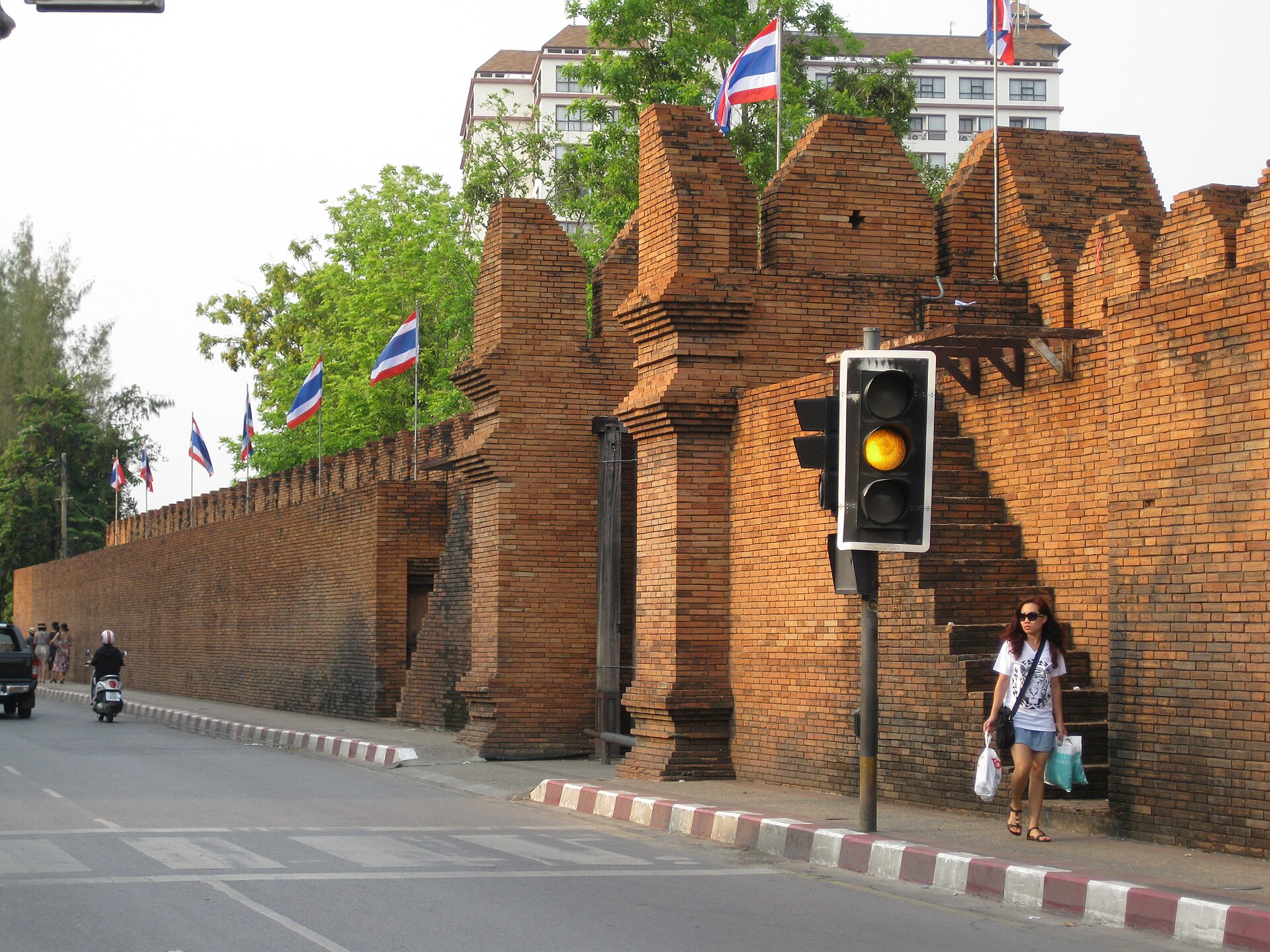
2 min walk
Chiang Mai Old City
- Must see
- Historic monument
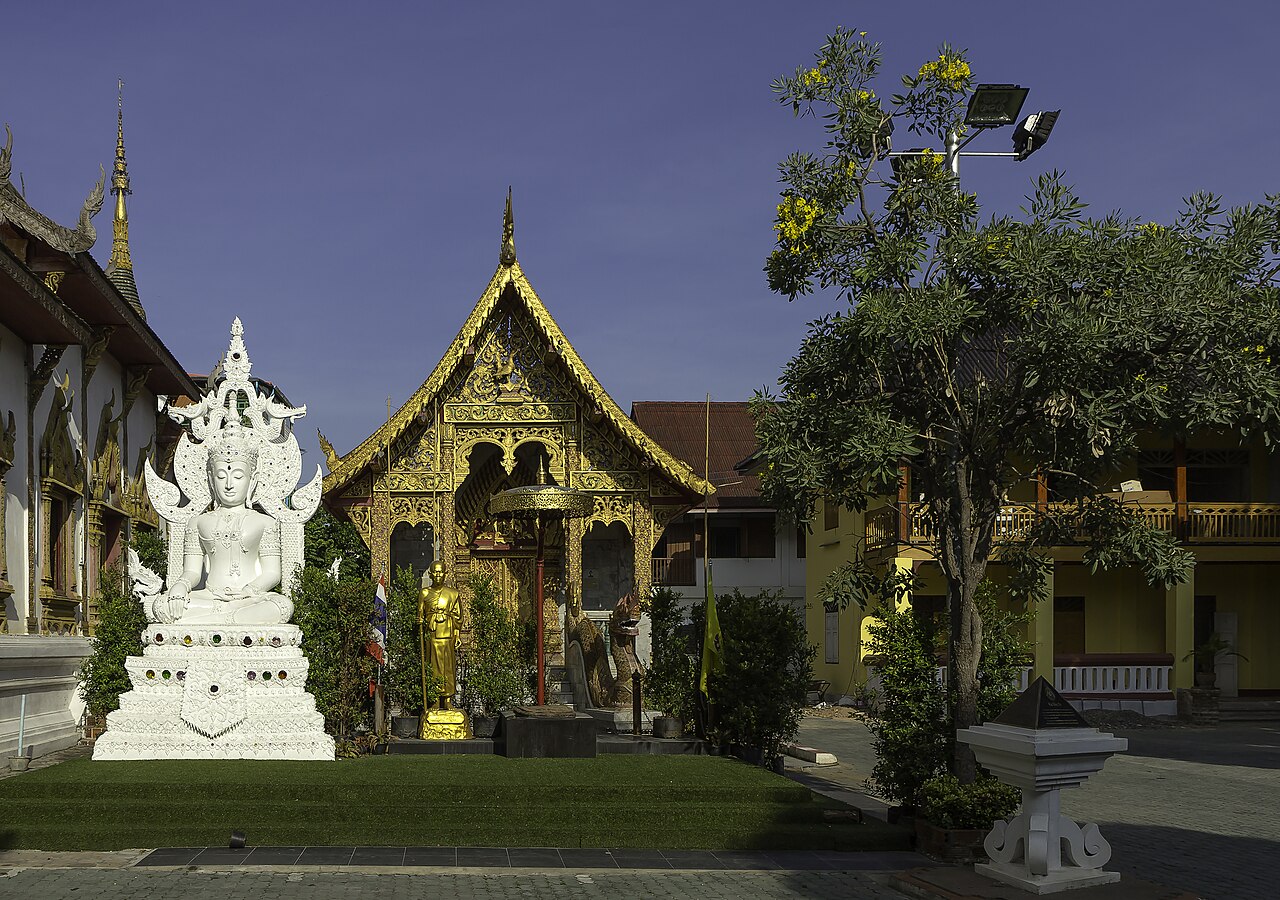
Place of worship · Chiang Mai
วัดทุงยู
| Per person | Free entry |
|---|
Checked 2026-08-31 · Source
Read from the OpenStreetMap access tags; anything not listed has no tag recorded.
Set the group type to family in the planner and the day window contracts to about three quarters of a solo day.
Wat Tung Yu is a Buddhist temple in Chiang Mai, northern Thailand. It stands as one of numerous historic temples dotting the old city and surrounding areas, reflecting the region's deep Lanna heritage. The temple contributes to Chiang Mai's reputation as a city with over three hundred temples, offering visitors insight into traditional Thai religious architecture and monastic life. As a functioning temple, it serves local worshippers while accommodating tourists interested in cultural exploration. Drop-in visits and mindfulness activities take place throughout the day; the operator publishes no fixed clock times.
Checked 2026-08-31 · Source
Typical Lanna temples contain a viharn (assembly hall), chedi (stupa), and various Buddha images, though exact configurations vary by site. Decorative elements may include traditional murals, carved woodwork, or ornamental nagas, common to northern Thai religious buildings. Visitors should observe respectfully to identify actual features rather than assuming standard contents. Booking is unnecessary. The operator lists no scheduled closure day. Free general access; no mandatory admission charge or booking is stated. Voluntary temple donations are welcomed. Separately advertised off-site gong-bath sessions are not general admission.
Checked 2026-08-31 · Source
Duration of visit to Wat Tung Yu depends on individual interest and actual site extent. Casual temple visits in Chiang Mai typically range from fifteen minutes to one hour. Those engaging in meditation, detailed architectural observation, or conversations with resident monks may extend considerably longer. The temple's ranking suggests sufficient substance for meaningful engagement, though without confirmed grounds size or feature density, precise estimation remains speculative. Free general access; no mandatory admission charge or booking is stated. Voluntary temple donations are welcomed. Separately advertised off-site gong-bath sessions are not general admission.
Checked 2026-08-31 · Source
Optimal visiting conditions for Chiang Mai temples generally occur during cooler months, November through February, when temperatures moderate and rainfall diminishes. Morning hours typically offer quieter atmospheres and softer light for observation. Visitors should verify current accessibility before planning, as temple schedules vary and may shift seasonally or for religious observances. Drop-in visits and mindfulness activities take place throughout the day; the operator publishes no fixed clock times. The OSM record is tagged wheelchair=limited, indicating that only part of the temple is step-free. The accessibility tag applies to the temple as a whole and does not identify individual accessible buildings or facilities.
Checked 2026-08-31 · Source
Many Chiang Mai temples operate without entrance fees, relying instead on voluntary donations for maintenance. Some major tourist temples implement modest charges. Visitors should carry small denomination cash for potential donations or unexpected fees. Contribution boxes typically accept Thai baht. Proper attire covering shoulders and knees often serves as implicit expectation regardless of formal ticketing. Free general access; no mandatory admission charge or booking is stated. Voluntary temple donations are welcomed. Separately advertised off-site gong-bath sessions are not general admission. The OSM record is tagged wheelchair=limited, indicating that only part of the temple is step-free.
Checked 2026-08-31 · Source
Wat Tung Yu's specific location within Chiang Mai requires on-ground verification. The city offers red songthaew trucks, tuk-tuks, motorbike taxis, and bicycle rentals as common transport modes. Many central temples prove walkable from accommodation clusters in the old city moat area. Ride-hailing applications operate with varying reliability. Provincial Route 5 circles central Chiang Mai via Wat Phra Singh. Alight at Wat Phra Singh and continue about 290 metres east along Rachadamnoen Road; Wat Tung Yu is opposite Chiang Mai Provincial Police Station. On Sunday evenings, Rachadamnoen Road forms part of the pedestrianised Tha Phae Walking Street.
Checked 2026-08-31 · Source
Temple etiquette demands covered shoulders and knees, removal of footwear before sacred structures, and subdued behavior. Photography restrictions may apply in specific areas without explicit signage. Sun exposure and dehydration present genuine risks during hot season exploration. Scams involving fake monks or aggressive donation solicitation occasionally target tourists at religious sites across Southeast Asia. Structural conditions of older buildings warrant cautious navigation. The OSM record is tagged wheelchair=limited, indicating that only part of the temple is step-free. No. The operator welcomes drop-in visitors and states that booking is unnecessary. They take place in the temple's main hall, the vihara.
Checked 2026-08-31 · Source
General Thai temple conventions suggest exterior photography typically permitted, while interior restrictions vary significantly. Flash photography often prohibited near Buddha images as sign of disrespect. Optimal natural lighting occurs mornings and late afternoons, though temple activity peaks may conflict. Visitors should observe whether others photograph freely or refrain, using contextual cues when explicit guidance absent. Tripods and professional equipment sometimes trigger security attention. Prioritize cultural sensitivity over photographic acquisition in all determinations. They take place in the temple's main hall, the vihara. Yes. The operator directs visitors to its self-guided Wat Tung Yu audio tour when volunteers are unavailable.
Checked 2026-08-31 · Source
No. The operator welcomes drop-in visitors and states that booking is unnecessary.
They take place in the temple's main hall, the vihara.
Yes. The operator directs visitors to its self-guided Wat Tung Yu audio tour when volunteers are unavailable.
Tung Yu refers to a parasol used as an emblem of rank for a ruler or noble.
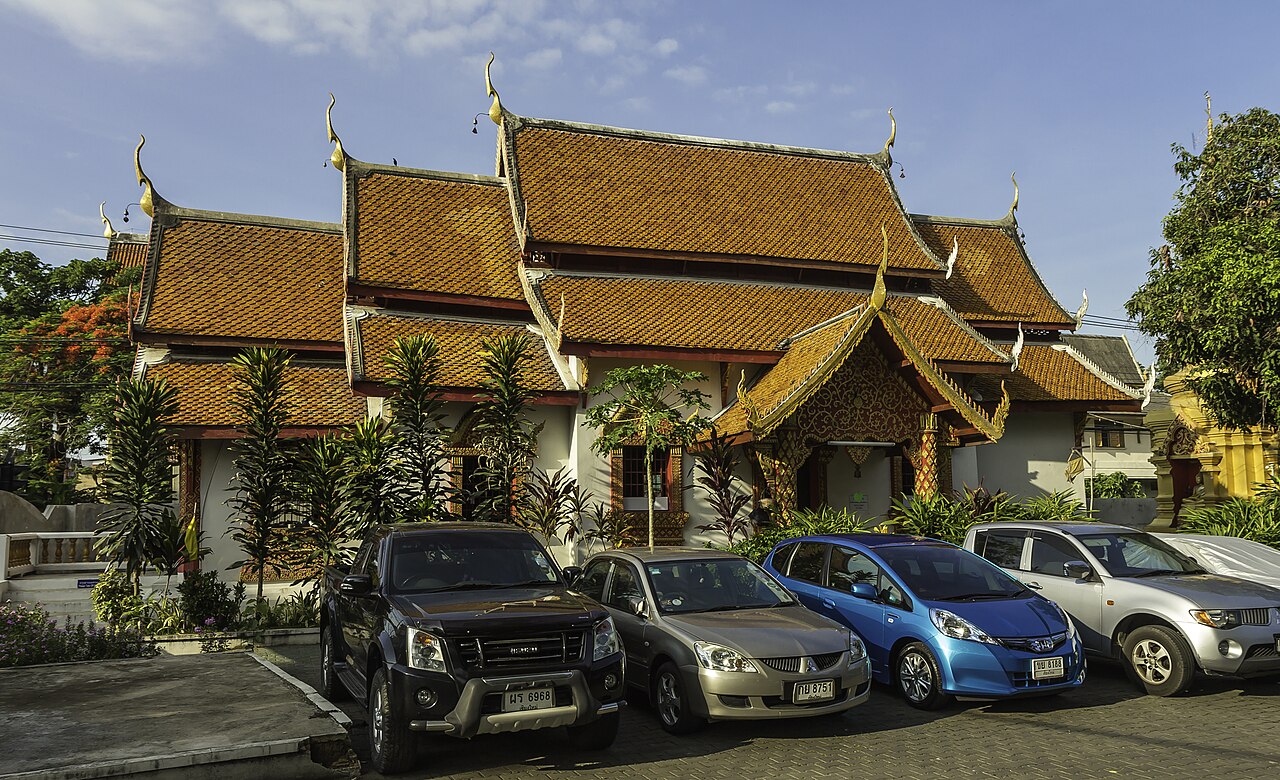
The complex includes a vihara, a round chedi raised on a square base, and a small marble-clad ubosot.
Rachadamnoen Road becomes part of Chiang Mai's Sunday walking street, with the road pedestrianised for the evening market.
Loading the interactive map…
The interactive map could not be loaded.

Last updated:
Source: OpenStreetMap contributors, Wikidata ·