
76
45 min
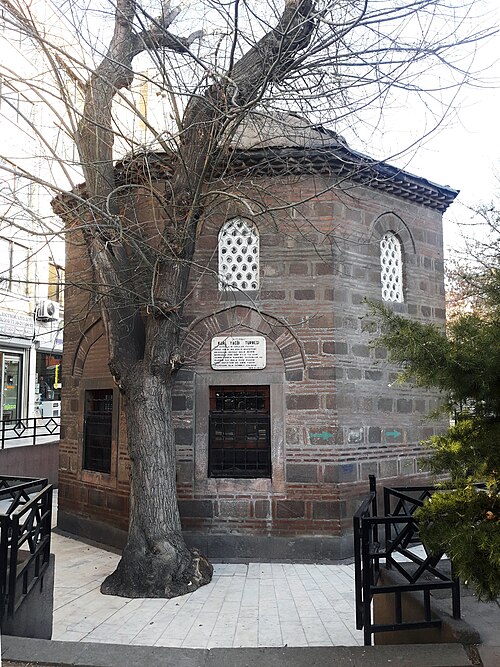
Tomb of Karyağdı Hatun
Karyağdı Hatun Türbesi
The Tomb of Karyağdı Hatun is a small Ottoman funerary monument on Doğan Sokak in Ankara’s Ulus area, close to İtfaiye Meydanı.
- High
- Historic site
City guide · Türkiye
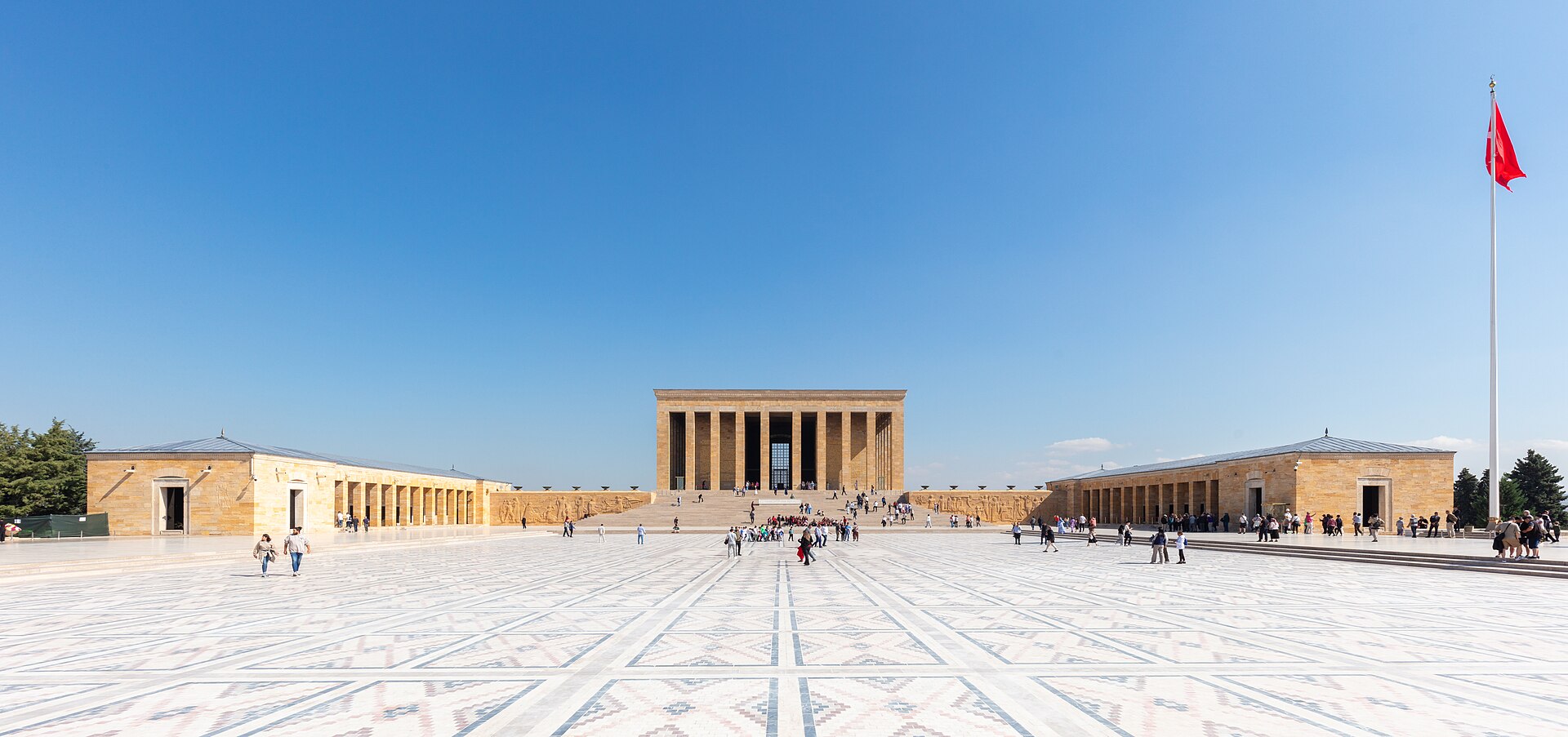
Ankara is Türkiye’s republican capital, where Anıtkabir’s monumental presence, the institutions of the modern state and the layered streets of historic Ulus mee...
Photograph · Diego Delso · CC BY-SA 4.0
Set your days, your pace and the hours you actually want to be out. The planner works around closing days and travel time, and leaves room to eat.
Editorial responsibility: Elena Voss · Roavina Travel Editor
Ankara is Türkiye’s republican capital, where Anıtkabir’s monumental presence, the institutions of the modern state and the layered streets of historic Ulus meet in one inland city. Begin with Anıtkabir and the Museum of Anatolian Civilizations, then follow the old citadel quarter, Roman remains and the museums around Ulus. Ankara also works as a base for district-scale excursions: Gordion in Polatlı and the wider cultural landscape beyond the centre reward travellers who allow time beyond the central museums.
Checked 2026-09-02
November · The Turkish State Meteorological Service records a 13.1°C mean high and 2.6°C mean low for Ankara in November; this offers generally workable conditions for a mixed indoor and outdoor itinerary.
Ranked by importance — sitelinks, pageviews and heritage status, not editor preference.
111 places match
Category
Typical visit duration
Good for
Karyağdı Hatun Türbesi
The Tomb of Karyağdı Hatun is a small Ottoman funerary monument on Doğan Sokak in Ankara’s Ulus area, close to İtfaiye Meydanı.
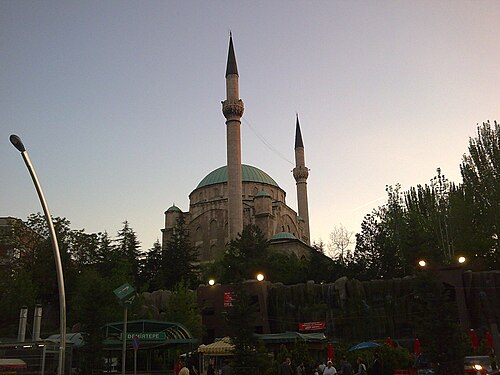
Maltepe Camii
Maltepe Mosque is a functioning place of worship in Maltepe Mahallesi, within Ankara’s Çankaya district. Construction began in 1954 and finished in 1959, while the design adopts the visual language of classical Ottoman mosques.
Suluhan is a sixteenth-century urban han in Ankara’s Ulus district, known in historical records and local heritage inventories as Hasanpaşa Hanı and Ankaravî Hanı.
Turistik Demirciler Çarşısı
Turistik Demirciler Çarşısı is a historic market quarter in Beypazarı district centre, around İrfan Gümüşel Caddesi.
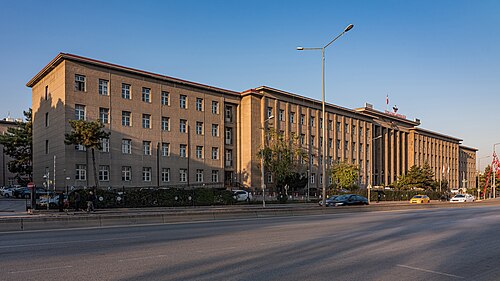
TCDD Genel Müdürlüğü
TCDD General Headquarters Building is the Ankara headquarters of Türkiye's State Railways, at Hipodrom Caddesi beside Ankara railway station in Altındağ. Its identity is tied to railway administration rather than a museum collection or a station's passenger functions.
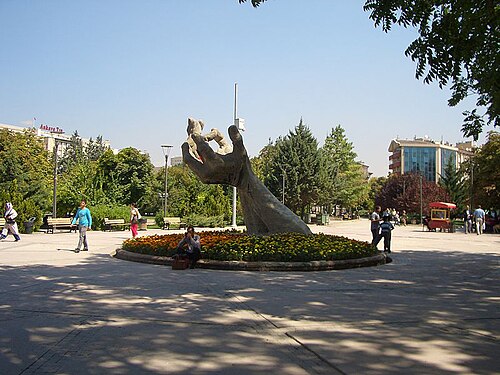
Abdi İpekçi Parkı
Abdi İpekçi Park is a 33,120-square-metre memorial and recreation space on Sıhhiye Square in central Ankara.
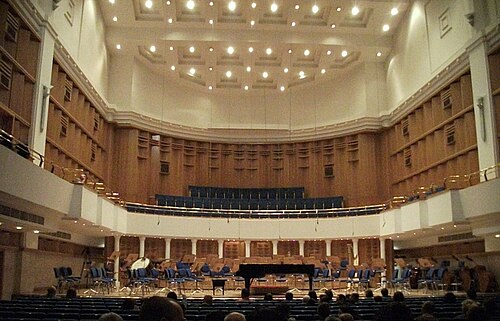
Bilkent Senfoni Orkestrası (BSO) Konser Salonu
Bilkent Concert Hall is a 700-seat performance venue in Bilkent University’s Faculty of Music and Performing Arts and the home stage of the Bilkent Symphony Orchestra.
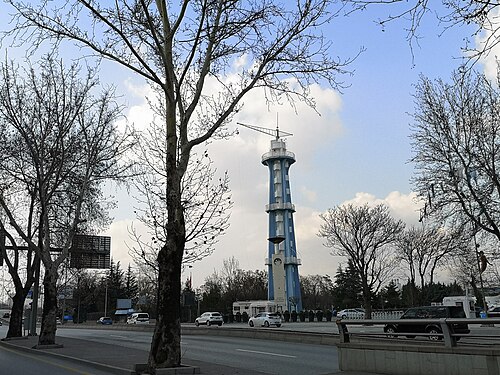
THK Havacılık Müzesi ve Paraşüt Kulesi
Ankara Parachute Tower is a 41-metre aviation landmark in Ulus, beside Ankara Sports Hall and close to Gençlik Park. Opened on 28 October 1937, it was designed around parachute training rather than as a conventional monument or lookout.
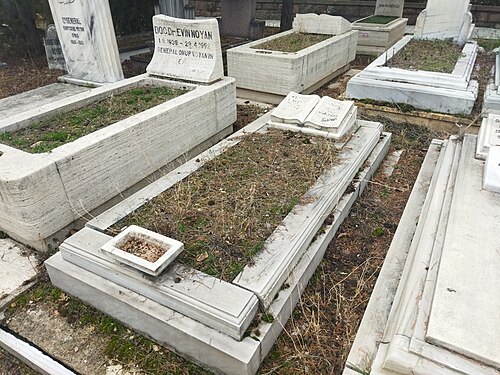
Cebeci Asri Mezarlığı
Cebeci Asri Cemetery is a municipal burial ground in Gültepe Mahallesi, within Ankara’s Altındağ district, and it has served the city since 1935.
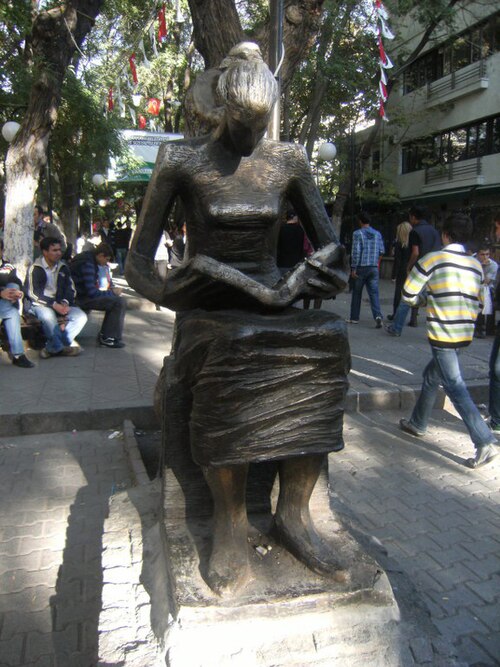
İnsan Hakları
The Human Rights Monument is a bronze civic sculpture at the junction of Yüksel Street and Konur Street in Kızılay, central Ankara. Sculptor Metin Yurdanur made it, and it was installed in 1990.
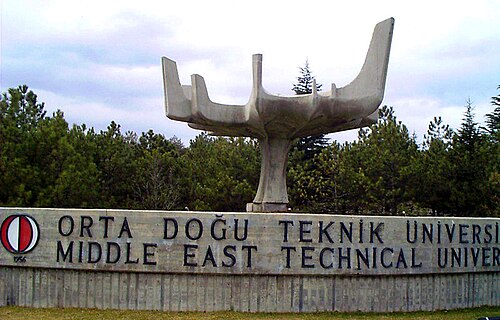
Bilim Ağacı
Tree of Science, called Bilim Ağacı in Turkish, is an outdoor monument at the A1 entrance of Middle East Technical University in Ankara.
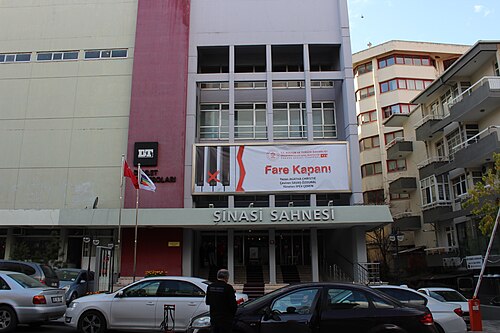
Şinasi Sahnesi
Şinasi Stage is a State Theatres venue in Ankara operated by the General Directorate of State Theatres under Türkiye’s Ministry of Culture and Tourism. Its auditorium opened on 13 March 1988 and contains 490 seats.
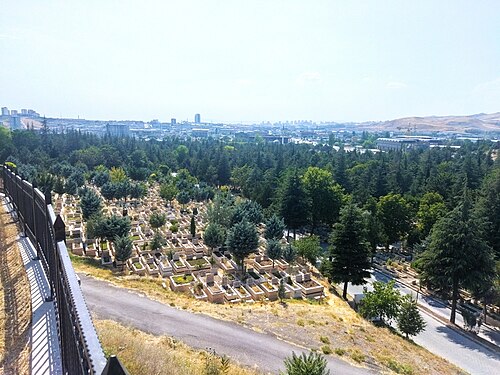
Karşıyaka Mezarlığı
Karşıyaka Cemetery is a large municipal burial ground in Ankara, maintained as an active cemetery by Ankara Metropolitan Municipality. Its purpose is grave visitation, remembrance and cemetery administration, so the experience differs fundamentally from a sightseeing attraction.
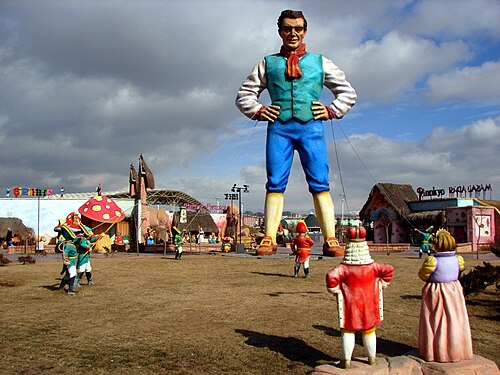
Harikalar Diyarı
Wonderland Ankara is a municipal urban park in Ankara’s Sincan district, around Fatih Mahallesi and Ayaş Yolu.

Juliopolis is an archaeological site in the Gülşehri area of Çayırhan, within Nallıhan district in Ankara Province. Set beside Sarıyar Dam, it combines an ancient settlement with a necropolis on limestone rock along the reservoir’s northern shore.
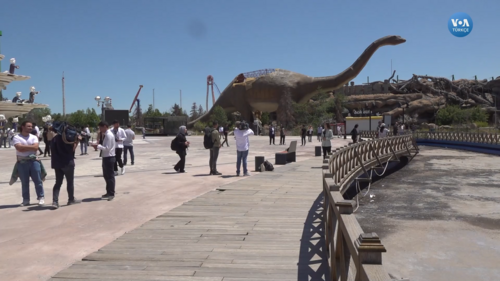
Ankapark
Wonderland Eurasia is the former Ankapark theme-park complex in Ankara’s Gazi Mahallesi, Yenimahalle, beside Fatih Sultan Mehmet Bulvarı.
Aziz Klemens Kilisesi
St. Clemens Church is an archaeological ruin in Ankara’s Altındağ district, in the Ulus area between Anafartalar Caddesi and Çıkrıkçılar Yokuşu.
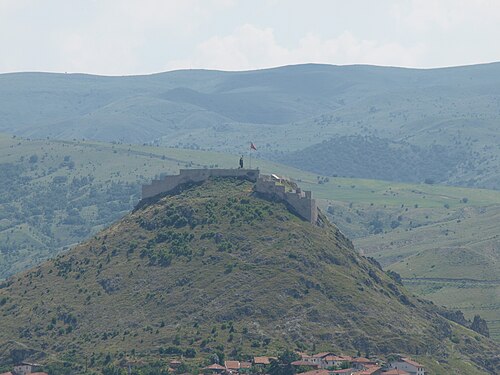
Kalecik Kalesi
Kalecik Castle is a ruined historic site in the centre of Kalecik, Ankara, occupying a steep rocky rise above the town. Public descriptions connect the remains with the Roman or Byzantine period and later Ottoman repairs.
30 Ağustos Zafer Parkı
30 Ağustos Zafer Park is a 166,000-square-metre municipal recreation area beside AŞTİ, Ankara’s intercity bus terminal.
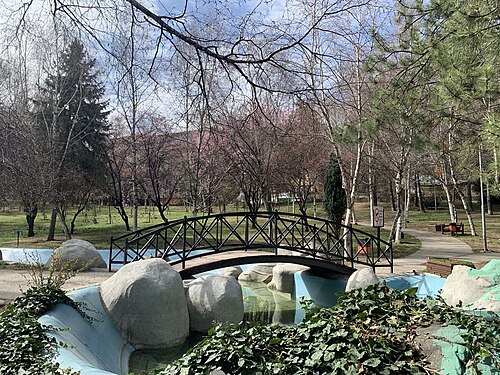
Portakal Çiçeği Vadisi
Orange Blossom Park is a neighbourhood recreation space in Aziziye, within Ankara’s Çankaya district, on Portakal Çiçeği Park İçi Yolu.
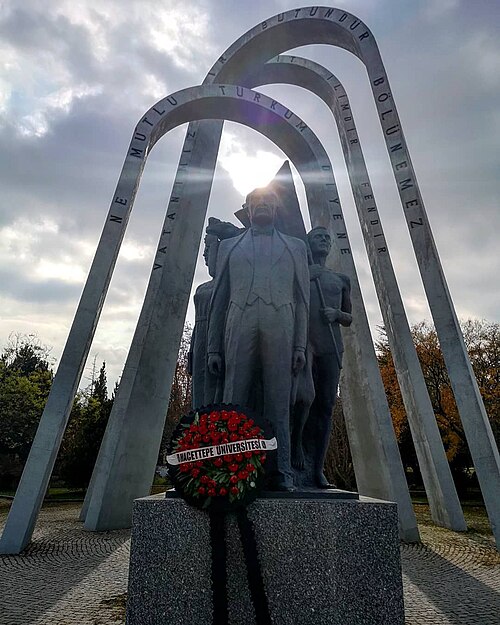
Atatürk Anıtı
Atatürk and the Youth Monument is an open-air work by the sculptor Remzi Savaş, located within Hacettepe University’s Beytepe Campus in Ankara’s Çankaya district. Its approximate position is 39°52′05.1″N, 32°44′10.4″E.
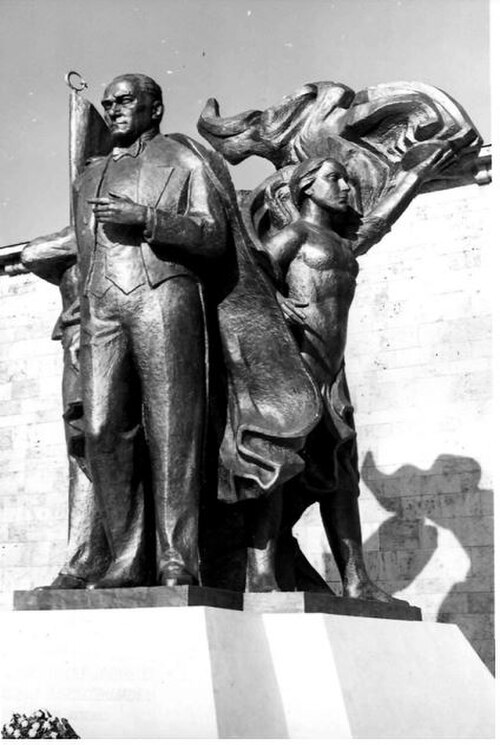
Atatürk Anıtı
Atatürk Monument is a commemorative landmark inside the Grand National Assembly of Türkiye (TBMM) campus in Ankara.
Hacıtuğrul Höyüğü is a large archaeological mound in Polatlı district of Ankara Province, also known as Karahöyük and Yenidoğan Höyük.
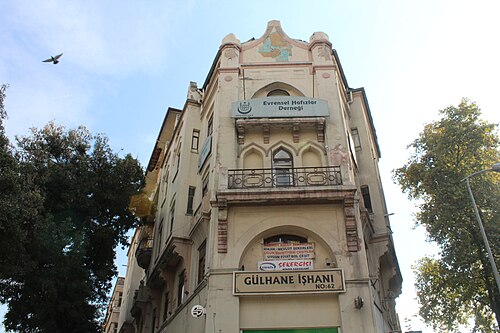
Hasan Fehmi Ataç Apartmanı
Hasan Fehmi Ataç Apartment is a historic building in Ankara’s Ulus district, at the intersection of Anafartalar Caddesi and Denizciler Caddesi. It belongs to Altındağ district and is associated with the First National Architecture Movement.
Karaoğlan Höyüğü
Karaoğlan Mound is an open-air archaeological settlement in Karaoğlan Mahallesi, within Ankara’s Gölbaşı district, about 25 kilometres south of Ankara.
Ankara is easiest to understand as a set of distinct urban areas rather than one continuous sightseeing centre. Ulus is the historic core, with the citadel above it and major museums, Roman-era remains and civic landmarks concentrated nearby. Anıtkabir stands separately on the central Anıttepe ridge, while Kızılay and Tunalı Hilmi form the contemporary central axis for shopping, cafés and everyday city life. The metropolitan municipality’s rail network links these areas, but the final approach to hilltop and citadel sights is still best planned as a walk or short local connection. Gordion, west of the capital in Polatlı district, is a separate excursion rather than a central neighbourhood stop.
Checked 2026-09-02
Use Ankara’s municipal public-transport network to connect the main urban areas: EGO buses serve the metropolitan road network, while Metro, Ankaray and Başkentray provide rail links across the city. Check EGO’s current route, timetable and fare information before travelling, because service details can change. For a museum-and-Ulus day, rail or bus can bring you close to the historic core, followed by walking between nearby sights; Anıtkabir is a separate stop. Reaching Gordion requires an intercity or district connection to Polatlı and onward local travel, so treat it as a planned day trip. Ankara’s scale and slopes make comfortable shoes and extra transfer time worthwhile.
Checked 2026-09-02
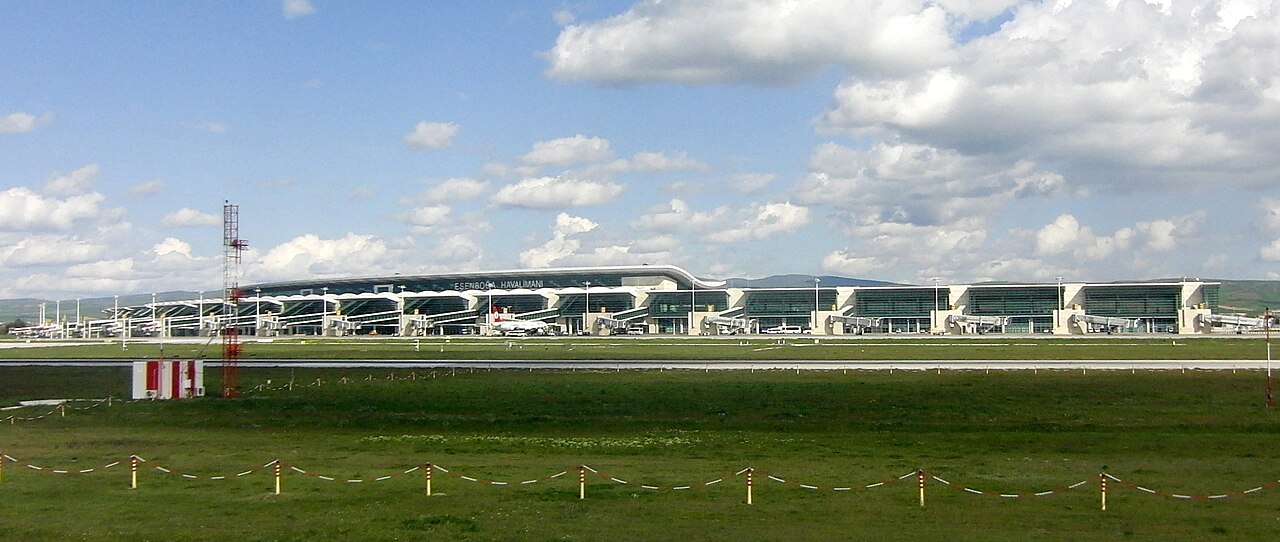
Anıtkabir is the mausoleum and memorial complex of Mustafa Kemal Atatürk, the founder of the Republic of Türkiye. Its ceremonial approach, courtyards and museum make it the clearest starting point for understanding Ankara as the republican capital. Check the official visitor information before going, as access arrangements and visiting details can change.
Build a compact Ulus circuit around the Museum of Anatolian Civilizations, Ankara Castle and the Roman-era remains in and around the old centre. The district is where Ankara’s ancient, Ottoman and early republican layers are most legible together. Allow time for uphill walking around the citadel and verify each museum’s current visitor information on its official site.
The Museum of Anatolian Civilizations provides the strongest archaeological introduction, while the Republic Museum and the Independence War Museum place Ankara in the political history of the Turkish Republic. The Ethnography Museum adds cultural context. They are a good counterpoint to Anıtkabir: together, the collections explain both the deep history of central Anatolia and the capital’s modern national role.
Yes. Gordion is in Polatlı district, west of Ankara, and is best treated as a full excursion rather than a quick central-city stop. The archaeological site and museum are associated with the Phrygian capital and the Gordion archaeological landscape. Plan the transport connection and confirm current site information with the Ministry of Culture and Tourism before travelling.
Suggested stay for a first visit: 2–3 days. The practical answer depends on whether your plan is limited to Anıtkabir, Ulus and the central museums or includes Gordion and other district-scale excursions. Treat the stay as an itinerary choice, not a fixed official rule.
For the metropolitan area, combine EGO buses with Metro and Ankaray, using Başkentray where its rail corridor fits your journey. Walking is especially useful for linked sights in Ulus, although the citadel approach is uphill. Gordion is outside the central sightseeing area in Polatlı district, so check the relevant rail, bus and local connection information before setting out.

