


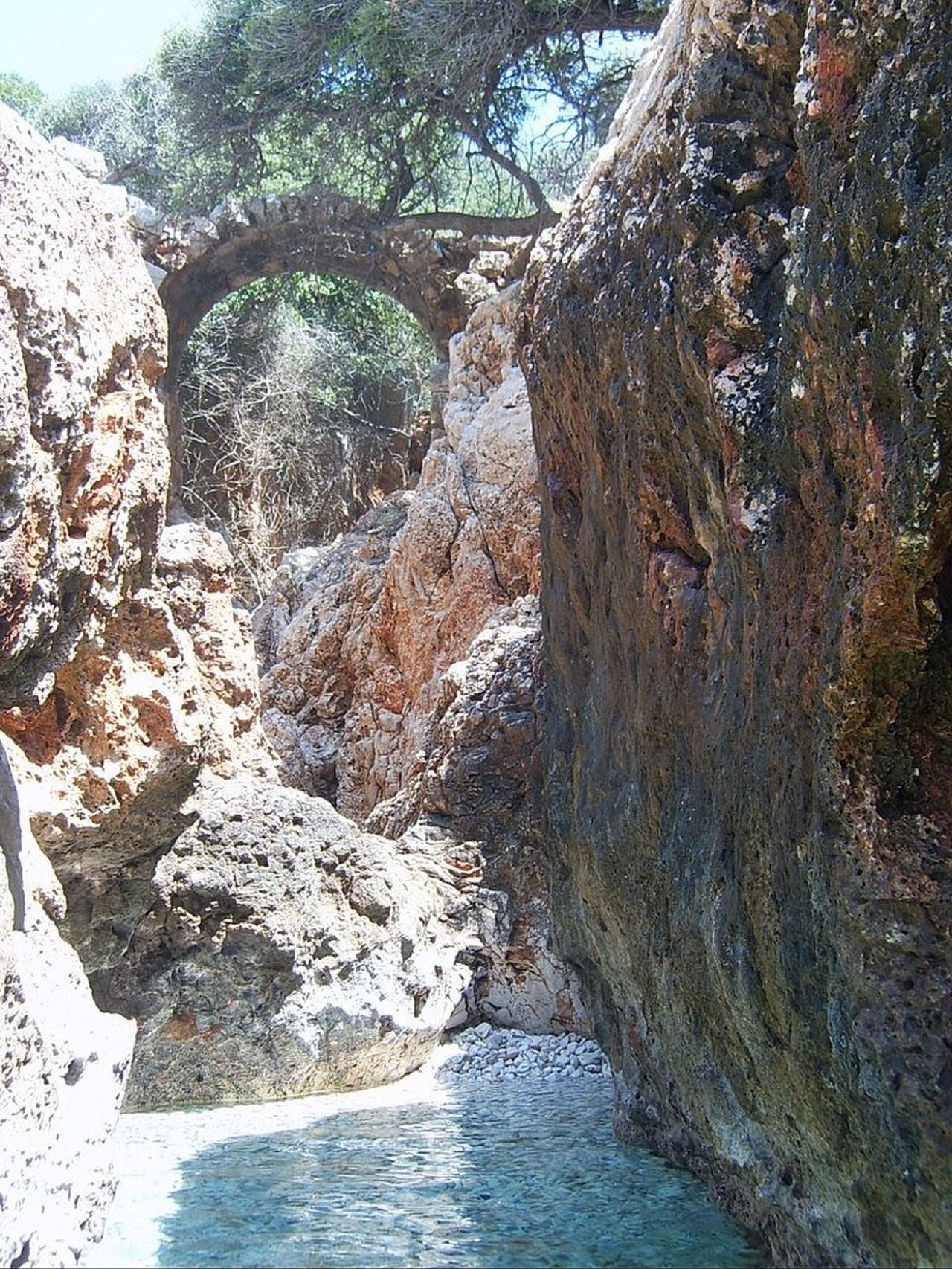
43 min walk
Aperlae
- Notable
- Historic monument
Language · 11 published
Historic monument · Antalya
Reviewed by Elena Voss · Roavina Travel Editor
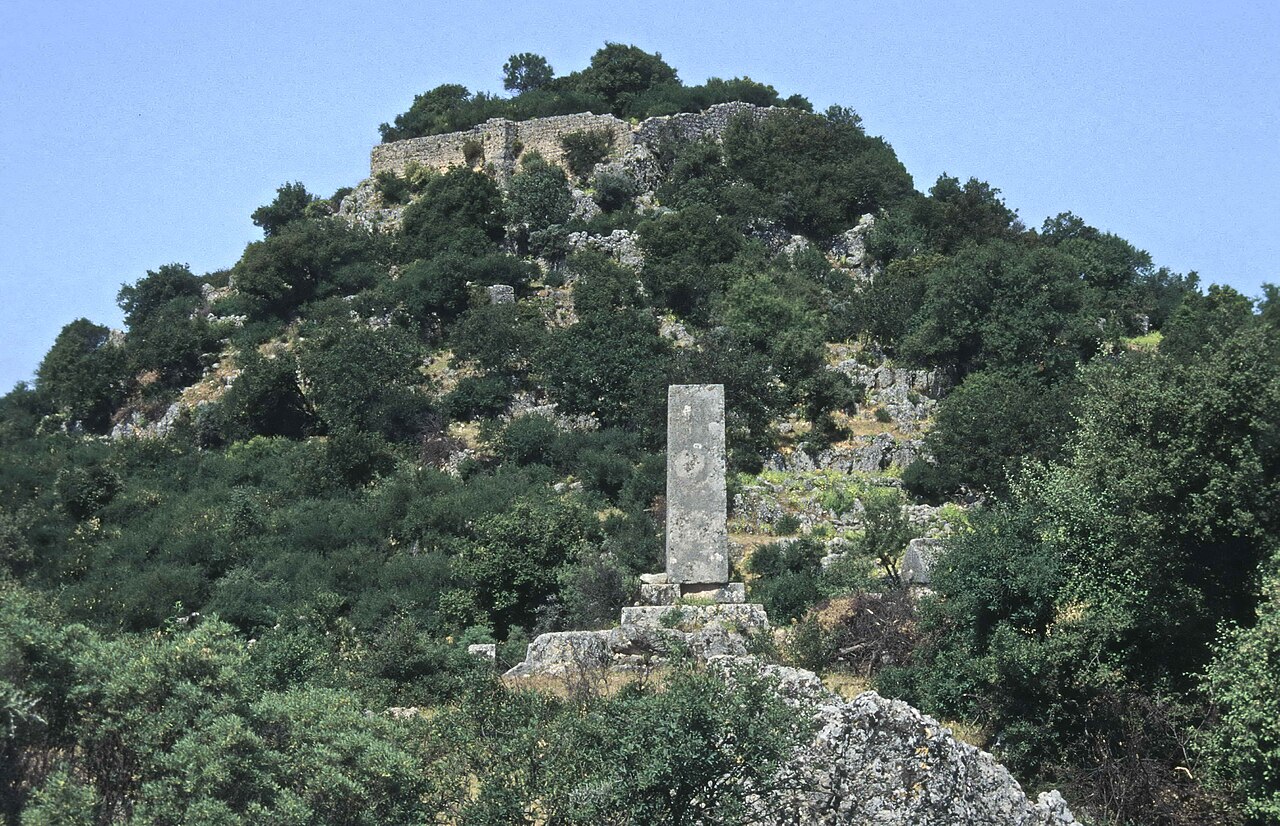
This place is a Archaeological site.
Apollonia is an ancient archaeological site located in the Antalya region of Turkey. The settlement was established as a Greek colony and later developed under Roman influence, reflecting the layered history of the Mediterranean coast. Its ruins represent one of the many classical sites scattered across the Turkish Riviera. The location offers visitors a connection to antiquity amid the natural landscape of the region. The site stands as testament to the area's significance in ancient trade and cultural exchange networks that once dominated these coastal waters.
Checked 2026-08-26
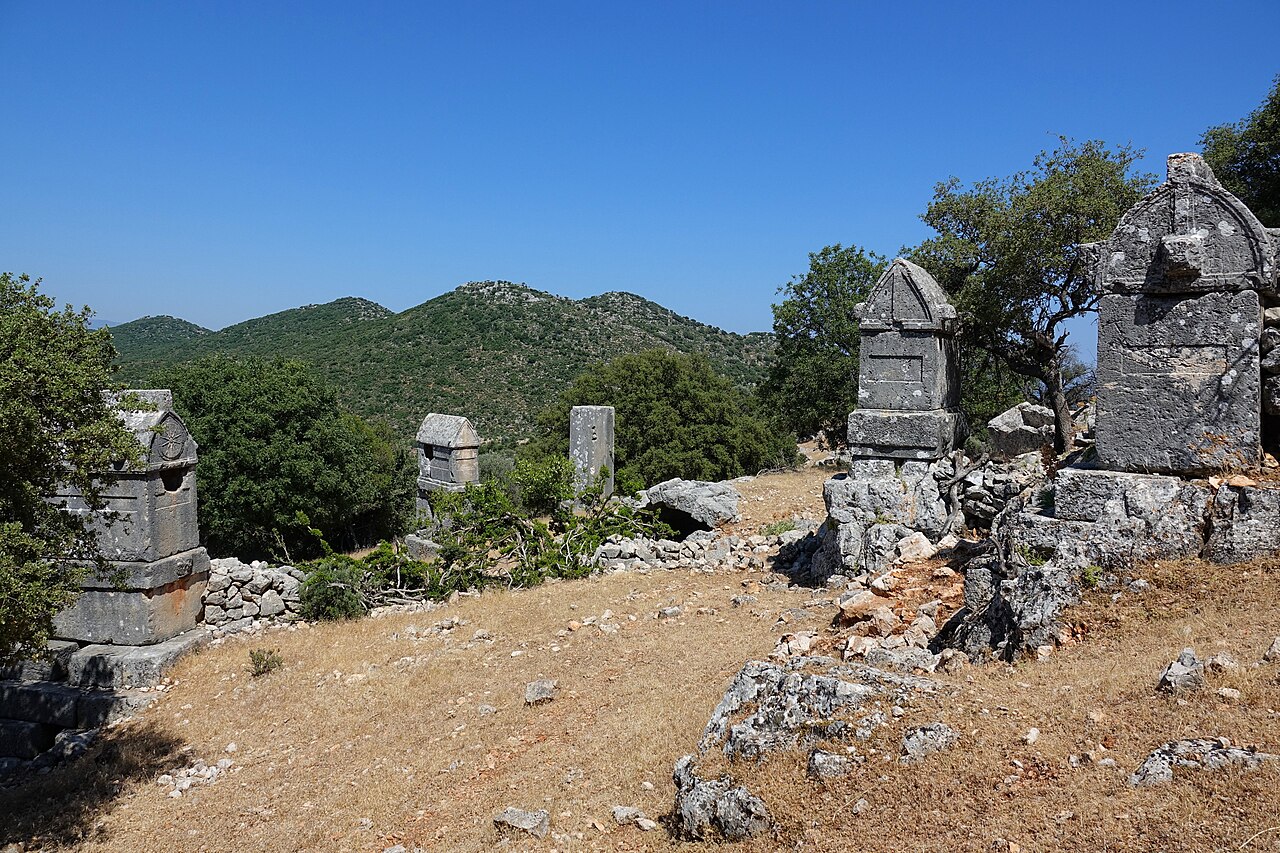
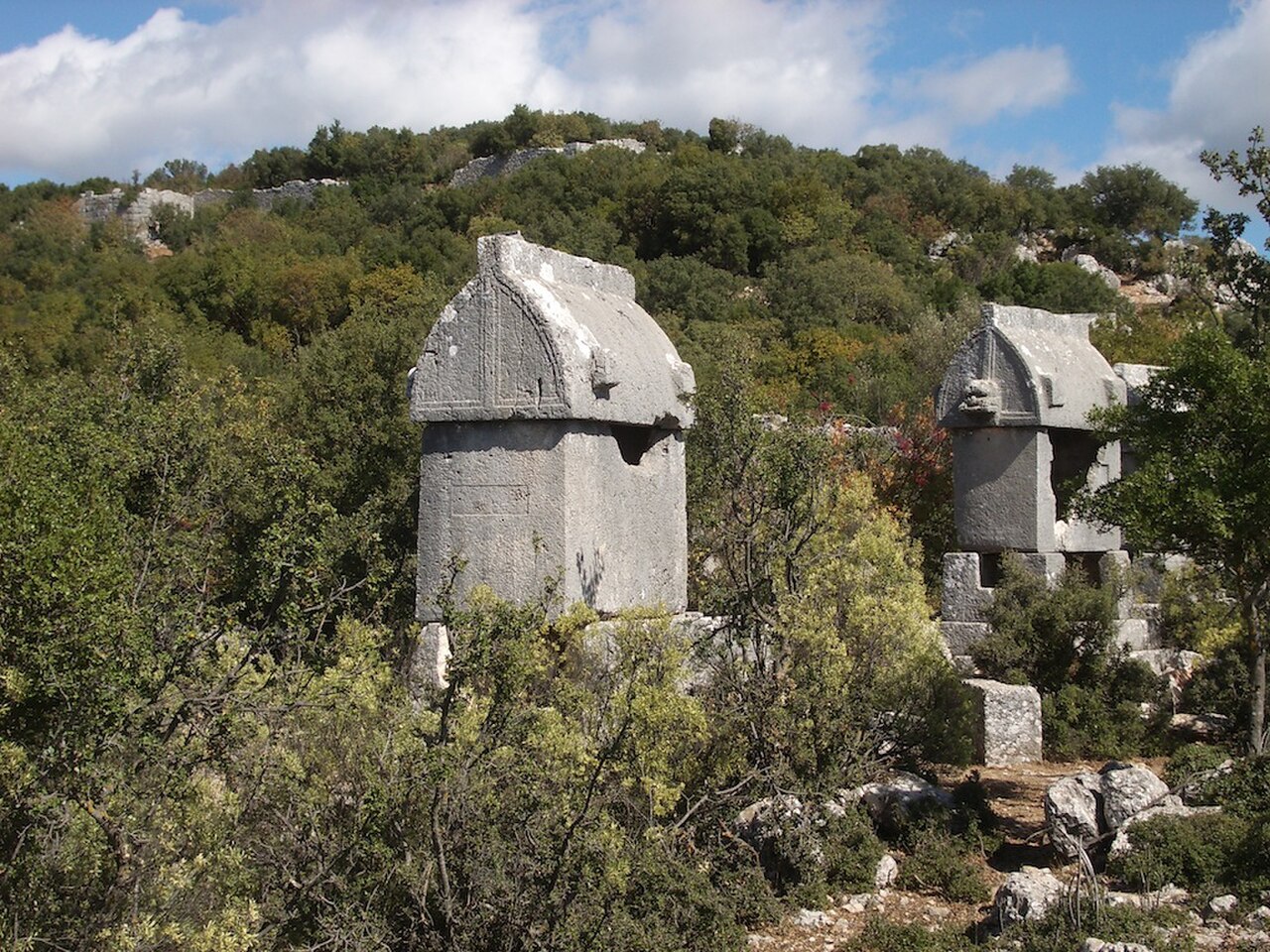
The archaeological remains at Apollonia include structural foundations, wall segments, and scattered stone elements typical of ancient settlements in this region. Visitors can observe the physical traces of former buildings and urban planning. The exact inventory of visible features depends on excavation progress and preservation conditions. The site lacks comprehensive interpretive signage or reconstructed elements. Monumental architecture such as temples, theaters, or agoras may be present in fragmentary form. The surrounding terrain incorporates the archaeological zone into its natural setting, with vegetation interspersed among the ancient stones.
Checked 2026-08-26
A visit to Apollonia typically requires between forty-five minutes and two hours, depending on individual interest in archaeological examination and photography. The site is not extensive compared to major ancient attractions in the region. Casual visitors may complete a circuit relatively quickly, while those with specialized interest in classical remains might linger longer. No guided tour infrastructure or visitor center extends the duration. The uneven ground and scattered ruins necessitate careful pacing. Combining this site with nearby coastal or mountain destinations would constitute a fuller day of regional exploration.
Checked 2026-08-26
The optimal visiting period for Apollonia aligns with Antalya's broader Mediterranean climate patterns, favoring spring and autumn months for moderate temperatures. Summer visits expose travelers to intense heat with minimal shade coverage across the archaeological zone. Winter precipitation may render paths slippery and reduce accessibility. Visitors should verify current opening arrangements through official channels before traveling, as seasonal variations or administrative changes may affect site accessibility. Early morning hours generally offer cooler conditions and preferable lighting for examination of stone details and landscape photography. Check the operator's own site for the travel date before relying on a schedule or fare.
Checked 2026-08-26
Admission requirements for Apollonia remain unverified in available documentation. The site may operate under Turkish Ministry of Culture and Tourism oversight, or alternatively under local municipal management with different fee structures. Some archaeological sites in the Antalya region participate in combined museum pass programs, though specific inclusion cannot be assumed. Visitors should carry Turkish lira for potential entrance fees, as remote sites rarely process card payments. Annual museum cards available at major attractions may or may not extend to this location. Check the operator's own site for the travel date before relying on a schedule or fare.
Checked 2026-08-26
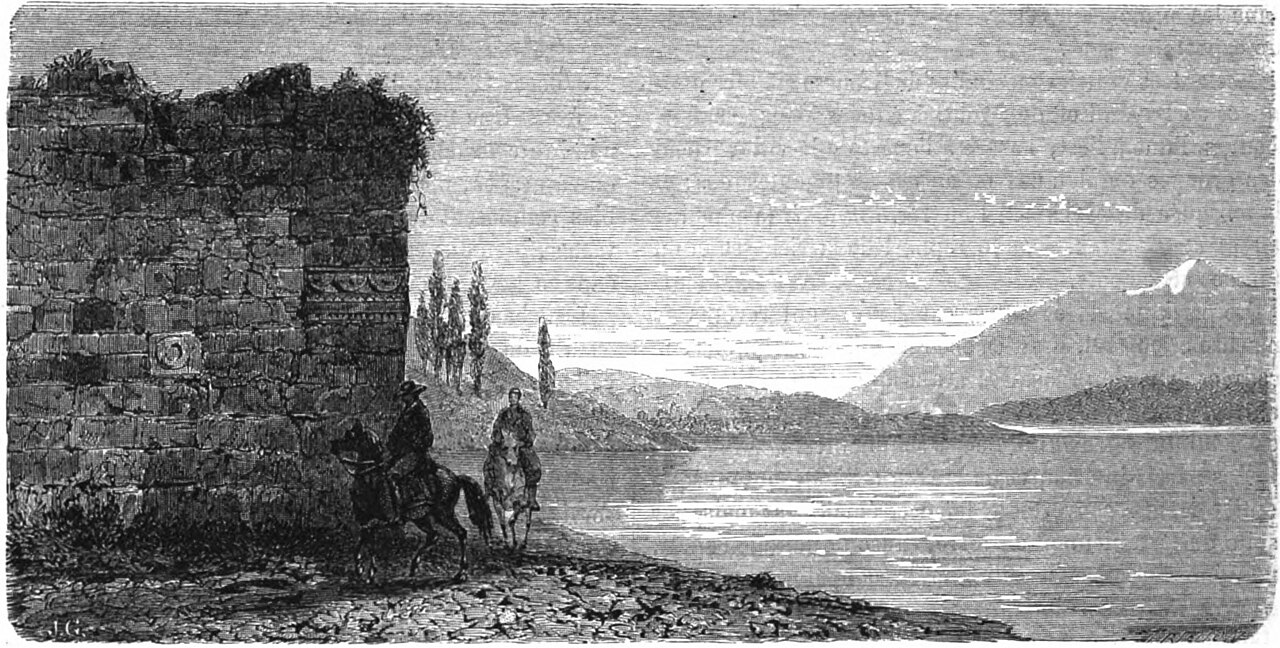
Apollonia occupies a position within Antalya's broader coastal hinterland, requiring private vehicle or organized transport for practical access. Public transportation connections to the immediate vicinity appear limited based on available information. Road conditions vary across rural routes leading to archaeological zones. Rental vehicles should suit unpaved or deteriorated surface segments. Navigation applications may imprecisely locate minor sites. Visitors should download offline maps and confirm coordinates against the osmId reference. Fuel stations and services become sparse outside main corridors. Journey planning must account for return transportation, as remote sites lack taxi stands or ride-hailing availability.
Checked 2026-08-26
The terrain at Apollonia presents uneven walking surfaces with loose stones, exposed roots, and variable elevation changes. Appropriate footwear with ankle support and tread is essential. No guardrails or barriers protect visitors from drops or unstable structural elements. Sun exposure is substantial with minimal tree cover; water, head protection, and sun protection require proactive carrying. No medical facilities or emergency services operate nearby. Mobile telephone coverage may be intermittent. Wildlife including snakes and insects inhabits the Mediterranean scrub. Visitors should inform accommodation of intended destination and return timeframe before departure.
Checked 2026-08-26
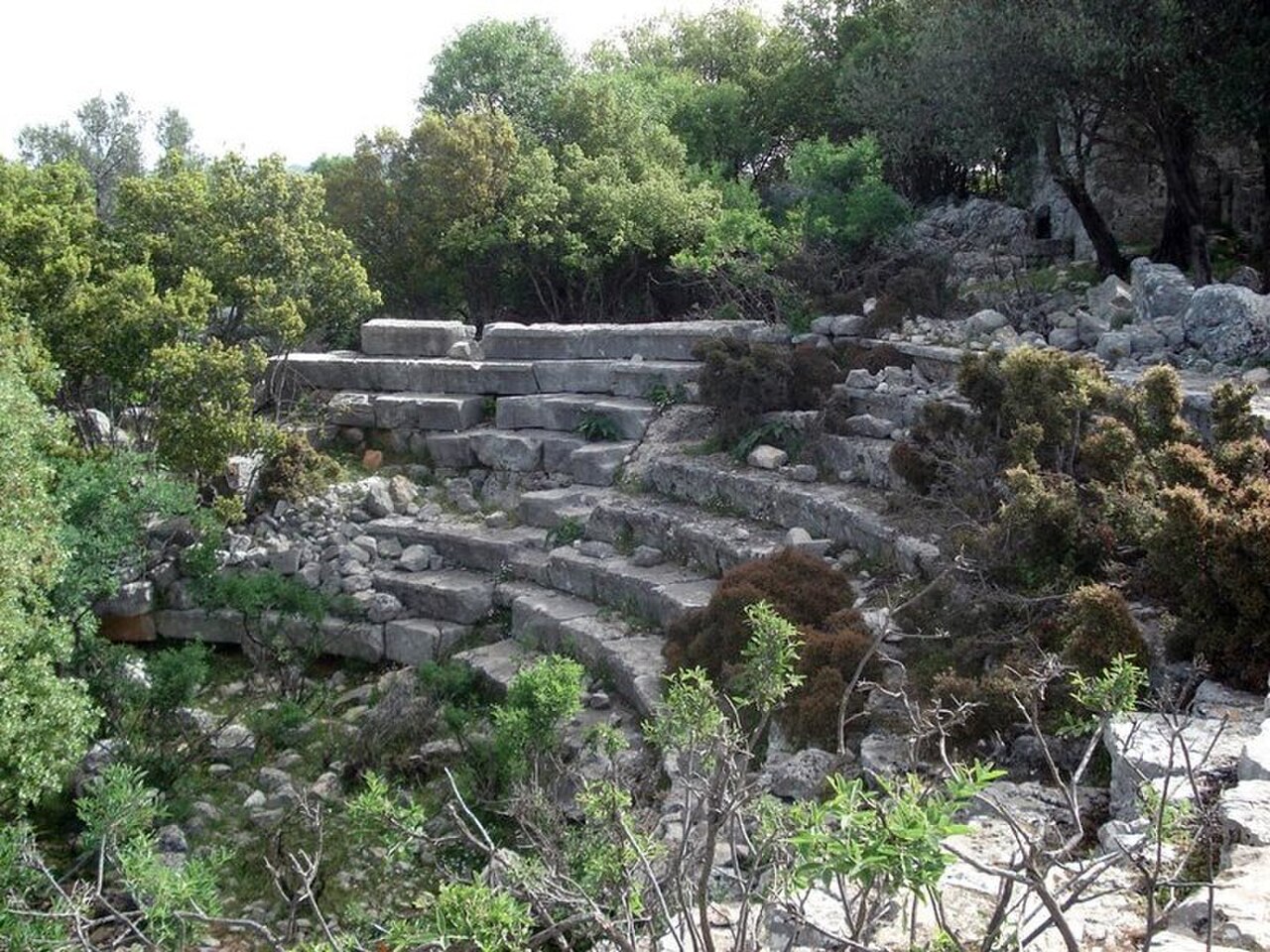
Photographic opportunities at Apollonia emphasize archaeological detail against coastal mountain backdrops. The scattered ruins permit varied compositional approaches without crowds. Morning and late afternoon provide directional lighting that enhances stone texture and dimensional definition. Overcast conditions flatten visual depth but reduce harsh shadow contrast. Tripod use appears unrestricted though visitors should respect structural integrity by avoiding contact with ancient fabric. Drone operation falls under Turkish aviation regulations requiring permits near archaeological sites. No dedicated viewpoints or cleared vistas exist; photographers must identify angles through personal exploration of the terrain.
Checked 2026-08-26
No. Multiple ancient settlements bore this name across the Greek and Roman world. The Antalya Apollonia represents a distinct site on the southern Turkish coast, unrelated to the larger Albanian archaeological zone.
Not recorded. Visitors should not expect amenities at this archaeological location and should plan accordingly before arrival.
Self-guided visitation appears possible given the absence of mandatory tour structures, though interpretive materials are not confirmed available.
The uneven terrain presents mobility challenges. Cautious judgement suggests limited suitability for unsteady walkers or stroller-dependent young children.
Not recorded. The remote positioning implies absence of commercial services within immediate walking distance.
The extent of archaeological investigation is not recorded. Visible remains suggest partial exposure with substantial portions potentially remaining underground.
Loading the interactive map…
The interactive map could not be loaded.

Last updated:
Source: OpenStreetMap contributors, Wikidata ·