
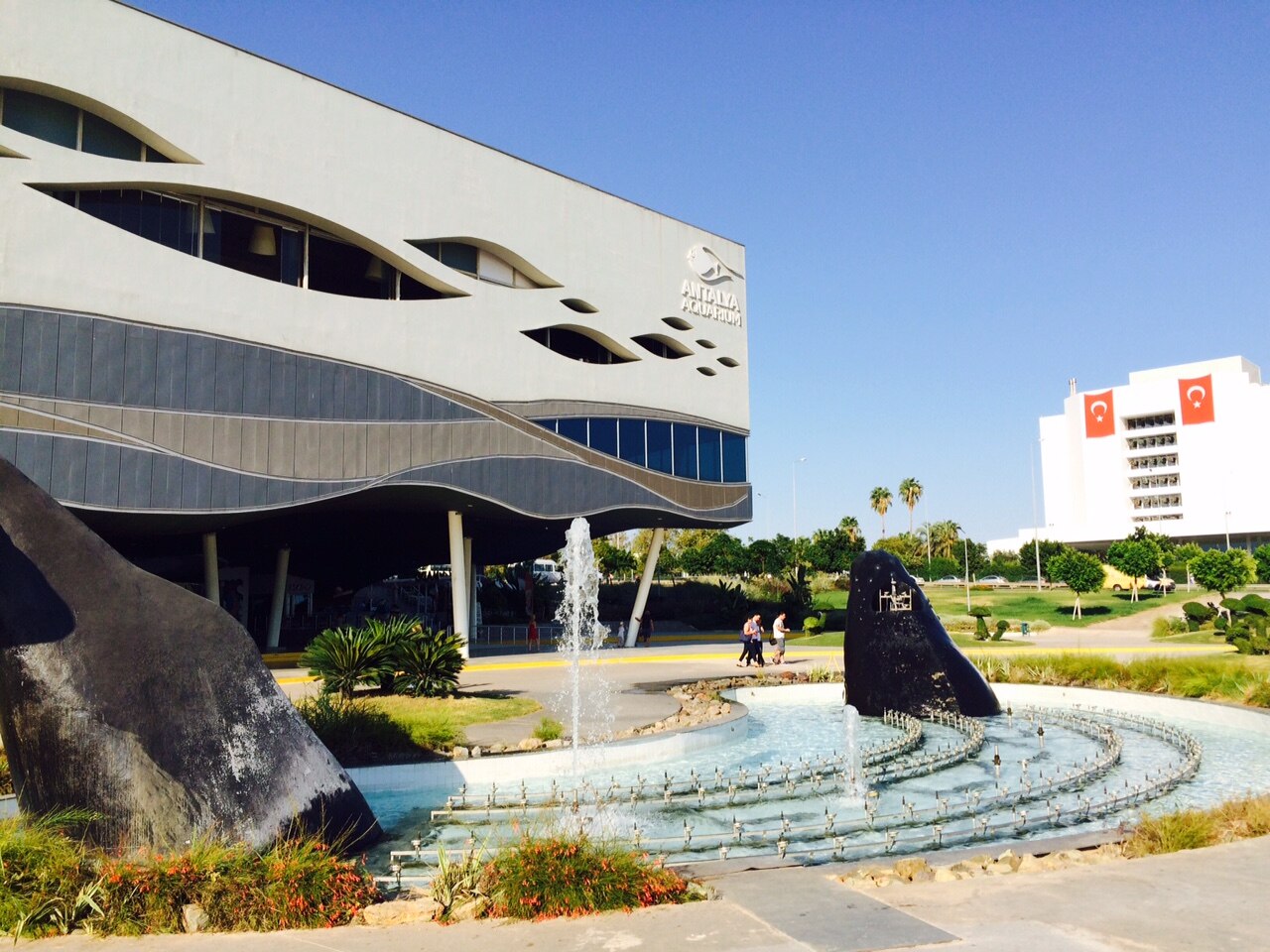
3 min walk
Antalya Aquarium
- Must see
- Family attraction
Language · 11 published
Historic monument · Antalya
Arapsu bridge
Reviewed by Elena Voss · Roavina Travel Editor
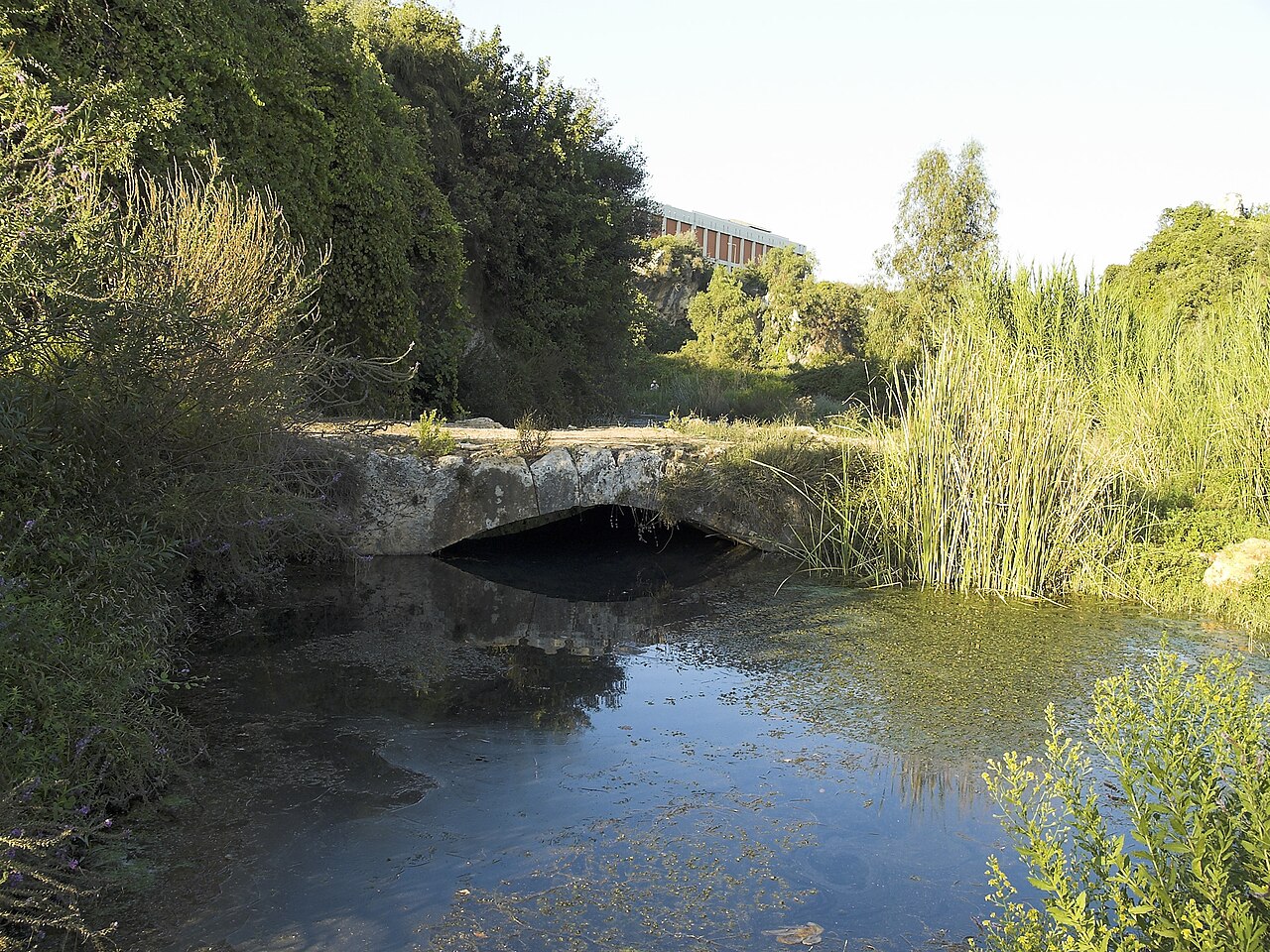
It is built of stone.
Arapsu Bridge is a historic stone crossing associated with the Arapsu stream in Antalya. Its appeal comes from the bridge as practical infrastructure: a structure made to carry movement across a watercourse, rather than a museum created for display. The masonry, arches and relationship with the stream give the site its identity. Arapsu Bridge makes a concise heritage stop for visitors interested in older crossings, local construction and the way historic infrastructure remains part of Antalya’s urban landscape. The bridge is best approached as a specific fragment of the city’s built history, with the surrounding watercourse completing the scene.
Checked 2026-08-26 · Source
There is no enclosed visitor attraction to tour at Arapsu Bridge. The crossing and its visible stone construction are the principal features, while the watercourse and surrounding landscape provide the setting. Look at the relationship between the roadway, supporting masonry and arches, and the stream beside it. The site does not have recorded museum rooms, exhibitions, interpretation, ticket facilities, toilets, seating areas or commercial services at the bridge itself. Visitors should therefore expect an outdoor heritage observation, not a managed complex with several rooms or a programme of activities. The setting, structure and details of the crossing make up the visit.
Checked 2026-08-26 · Source
Allow about 15 to 30 minutes for a focused visit to Arapsu Bridge. That time is enough to view the crossing, study its stonework, consider its position beside the stream and take photographs. A shorter stop is possible when the bridge is encountered during a wider journey through Antalya. Visitors with a strong interest in historic construction may stay longer to examine the masonry and the relationship between the arches, roadway and banks. Because there is no recorded exhibition, visitor programme or group of facilities at the site, Arapsu Bridge fits most naturally into a larger day rather than a half-day itinerary of its own.
Checked 2026-08-26 · Source
Daylight is the most useful time to visit Arapsu Bridge because it makes the stonework, approach and streamside surroundings easier to see. Spring and autumn are generally comfortable seasons for an outdoor heritage stop in Antalya, while summer heat can make an exposed visit less pleasant around midday. Rain may affect the ground and the watercourse, so conditions after wet weather deserve attention. No visitor timetable is recorded for the bridge. In practical terms, plan around daylight, weather and the conditions visible on arrival, rather than around a published opening schedule or timed programme.
Checked 2026-08-26 · Source
No admission charge is recorded for Arapsu Bridge. The site should be treated as an outdoor heritage feature rather than a ticketed attraction with a ticket office, timed entry or staffed admissions desk. Transport, food and other activities elsewhere in Antalya may involve costs, but those expenses are separate from viewing the bridge. Visitors do not need to plan a ticket purchase for the stop on the information currently available. The main practical considerations are reaching the crossing, allowing enough daylight to see it clearly and taking care around the approach and streamside ground.
Checked 2026-08-26 · Source
Arapsu Bridge is located in Antalya’s urban area. Antalya generally has municipal buses and taxis, but no specific service to Arapsu Bridge is confirmed in the available site information. Walking from nearby accommodation may be possible, depending on distance and the condition of the approach. Allow extra time to locate the crossing rather than relying on an unverified route description.
Checked 2026-08-26 · Source
Take care on the approach and around the watercourse at Arapsu Bridge. The surface may be uneven or slippery, particularly after rain, and the available information does not confirm the presence or condition of protective barriers. Keep children close, avoid climbing on the masonry and do not treat the historic structure as suitable for every kind of crossing or load. Wear shoes with a secure grip and visit in daylight. No visitor safety infrastructure or on-site emergency service is recorded, so personal caution is important throughout the stop.
Checked 2026-08-26 · Source
Arapsu Bridge is most rewarding to photograph as part of its setting. Include the arches or stonework with the stream, banks and surrounding urban landscape so the image explains both the structure and the place it serves. Side-on views can make the form of the crossing easier to read, while closer photographs bring out masonry texture. Daylight helps with both composition and footing around the approach. Keep cameras, bags and tripods clear of routes used by others. Visitors planning aerial or commercial photography should follow the applicable local rules and permissions rather than assuming that ordinary personal photography covers every use.
Checked 2026-08-26 · Source
No visitor timetable or gate schedule is recorded for Arapsu Bridge. Daylight is the practical choice because it makes the stonework, approach and streamside conditions easier to see.
No admission charge is recorded for Arapsu Bridge. Transport, food and other Antalya activities may cost money, but those expenses are separate from viewing the bridge.
The available site information does not confirm the current condition, barriers or suitability of the structure for crossing.
If you arrive by car, use only lawful parking in the surrounding area and expect to assess the final approach on foot.
No guided tour or on-site interpretation is recorded for this specific bridge. Most visitors should expect an independent, short outdoor stop that can be combined with a broader Antalya itinerary.
Children can look at the bridge with close adult supervision, but the approach, uneven ground, watercourse and unrecorded barrier arrangements require care. Keep children away from edges and do not allow climbing on the structure.
Loading the interactive map…
The interactive map could not be loaded.
Last updated:
Source: OpenStreetMap contributors, Wikidata ·