
216 min walk
Alakilise
- High
- Historic monument
Language · 11 published
Historic monument · Antalya
Arneai
Reviewed by Elena Voss · Roavina Travel Editor
This place is a Archaeological site.
Arneae, also known as Arneai, is an archaeological site in the Antalya region of Türkiye. It belongs on a cultural itinerary for travelers interested in ancient settlements and the many layers of Anatolian history beyond the region's most famous ruins. The attraction is the archaeological landscape itself, where surviving traces can be read at a slower pace. Plan it as a regional heritage stop and pair it with other places that fit the route. Arneae, known locally as Arneai, is an archaeological site situated in the Antalya region of Türkiye. This ancient settlement represents a visitor-relevant point of interest that has been matched to the production city pool with stored identity, local name and coordinates copied without approximation. The site contributes to the rich historical tapestry of the Antalya area, which is promoted by Go Türkiye as a destination for cultural exploration. Visitors interested in ancient Anatolian civilisations may find Arneae of particular significance as part of their broader Antalya itinerary.
Checked 2026-08-26 · Source
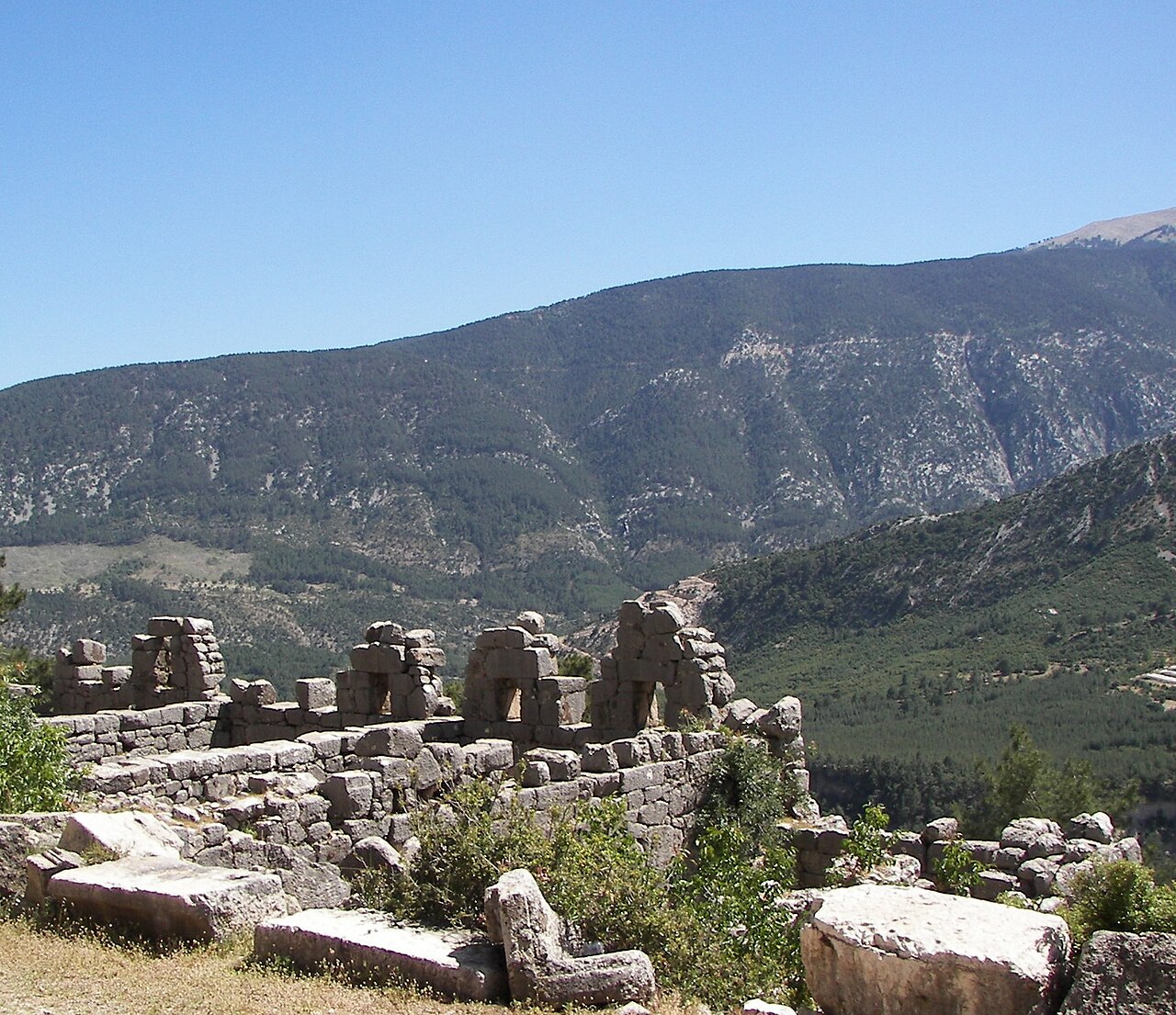
Arneae is experienced through its visible archaeological remains rather than a modern indoor exhibition. Look for the surviving outlines of ancient construction, exposed foundations, walls, and changes in the ground that reveal how the settlement occupied its site. The amount of visible fabric may vary across the area, so take time to scan the wider landscape instead of concentrating on one isolated feature. Do not move stones or walk over fragile remains. As an archaeological site in the Antalya region, visitors might reasonably expect to encounter remnants of ancient construction, possibly including foundations, walls, or other structural elements typical of settlements in this part of Anatolia. The precise extent of preservation and any ongoing excavation activities remain unknown. Visitors should approach with appropriate expectations for an archaeological site of this nature, understanding that visible remains may range from substantial to minimal depending on preservation conditions and research priorities.
Checked 2026-08-26 · Source
Allow between thirty minutes and two hours, depending on how closely you enjoy studying archaeological remains and taking photographs. A short visit covers the main visible traces, while a longer stop gives time to walk carefully through the site and understand its wider setting. Add the driving time separately, because Arneae works best as one part of a full regional day rather than a quick city-center attraction.
Checked 2026-08-26 · Source
Spring and autumn offer the most comfortable temperatures for outdoor archaeology in the Antalya region. Summer visits are easier early in the morning or later in the afternoon, when sun exposure is lower. Winter rain can affect unpaved ground and walking between remains. Use daylight for the entire visit and departure, and place Arneae within a route that leaves enough time for the drive back before evening.
Checked 2026-08-26 · Source
Plan Arneae as an archaeological landscape, not as a museum with a guaranteed ticket routine. The guide material does not describe a ticket office, timed entry, or a staffed exhibition. Keep admission planning for larger managed archaeological attractions separate from this stop, and carry ordinary travel necessities for a rural outing. If an access arrangement is displayed at the site, follow it and protect the remains by staying within permitted areas.
Checked 2026-08-26 · Source
Navigate with OpenStreetMap way/501643498 and plan the journey as a rural archaeological excursion from Antalya. A private car, rental vehicle, or organized tour is the most practical format for reaching a lesser-known site and combining it with nearby heritage places. Download or review the route before departure, leave time for the final approach, and carry water, food, and fuel before services become less frequent outside the city.
Checked 2026-08-26 · Source
Archaeological ground can include loose stones, exposed foundations, sudden changes in level, and unmarked edges. Wear sturdy shoes and keep to surfaces that do not damage remains. Carry water, a hat, and sun protection, particularly in summer. Stay close to companions in a broad or quiet site, and keep children within sight. Do not climb walls, remove objects, or enter a fragile structure simply to improve a photograph.
Checked 2026-08-26 · Source
Photograph Arneae as a landscape first, showing how the remains sit within the Antalya countryside. Follow with medium views of walls and foundations, then close details of masonry and surviving architectural lines. Early and late daylight bring texture to stone and create longer shadows across the ground. Keep away from fragile edges, never move archaeological material, and follow any restrictions on tripods, flash, or aerial equipment at the site.
Checked 2026-08-26 · Source
Arneae, also known as Arneai, is an archaeological site in the Antalya region, suited to travelers interested in ancient settlements and Anatolian heritage.
Allow thirty minutes to two hours, depending on how much time you want for walking, observation, and photography.
Bring water, food, sun protection, sturdy shoes, and enough fuel for a rural archaeological outing.
Use way/501643498 for navigation and plan a private vehicle, rental car, or organized regional tour from Antalya.
Older children who enjoy outdoor history can visit, provided adults supervise them carefully over uneven archaeological ground.
Yes. Wide landscape views and close architectural details work well, provided you stay off fragile remains and follow site restrictions.
Loading the interactive map…
The interactive map could not be loaded.
Last updated:
Source: OpenStreetMap contributors, Wikidata ·