
279 min walk
Kibyra
- Must see · Heritage site
- Historic monument
Language · 11 published
Historic monument · Antalya
Reviewed by Elena Voss · Roavina Travel Editor
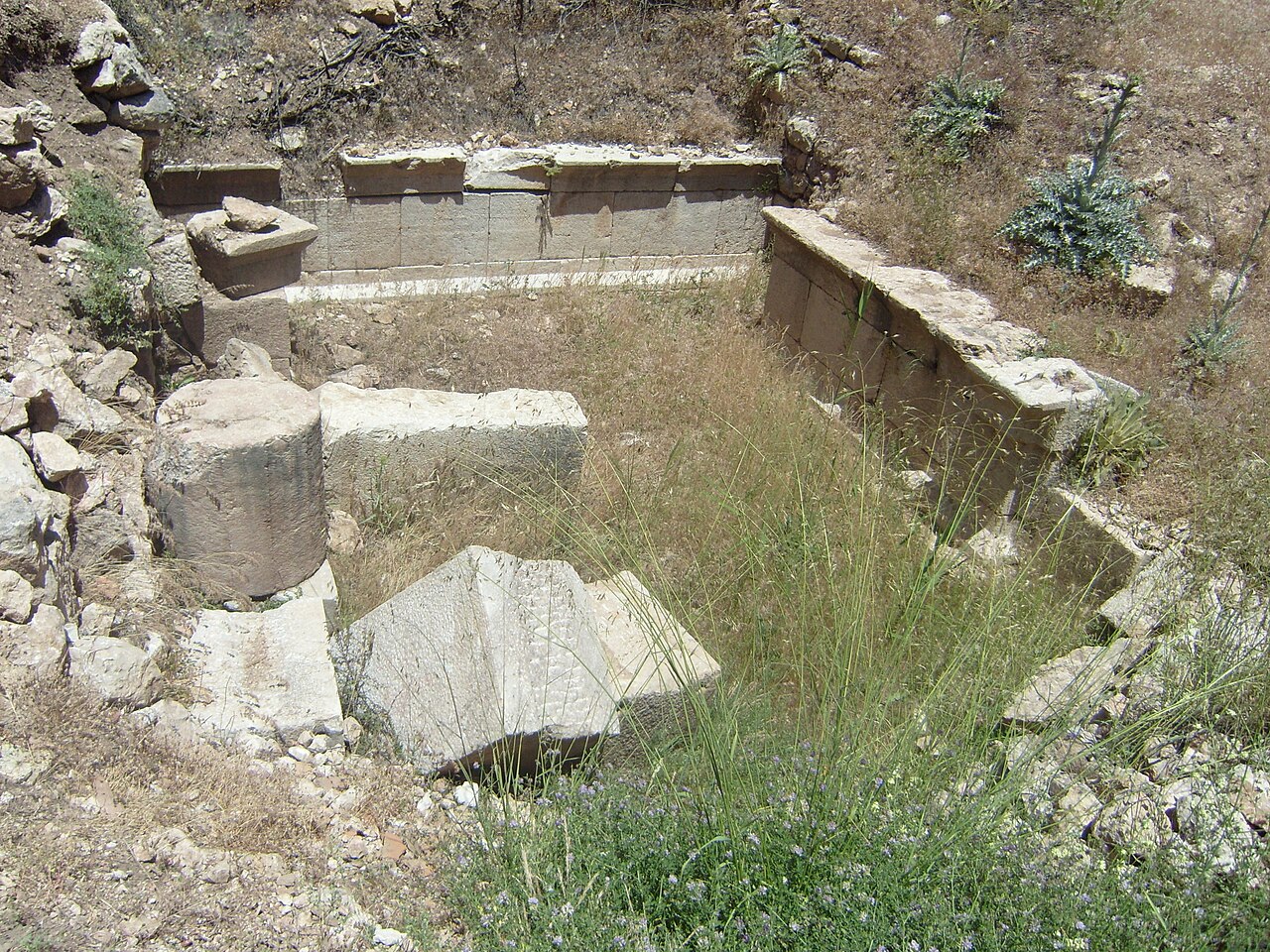
This place is a Archaeological site.
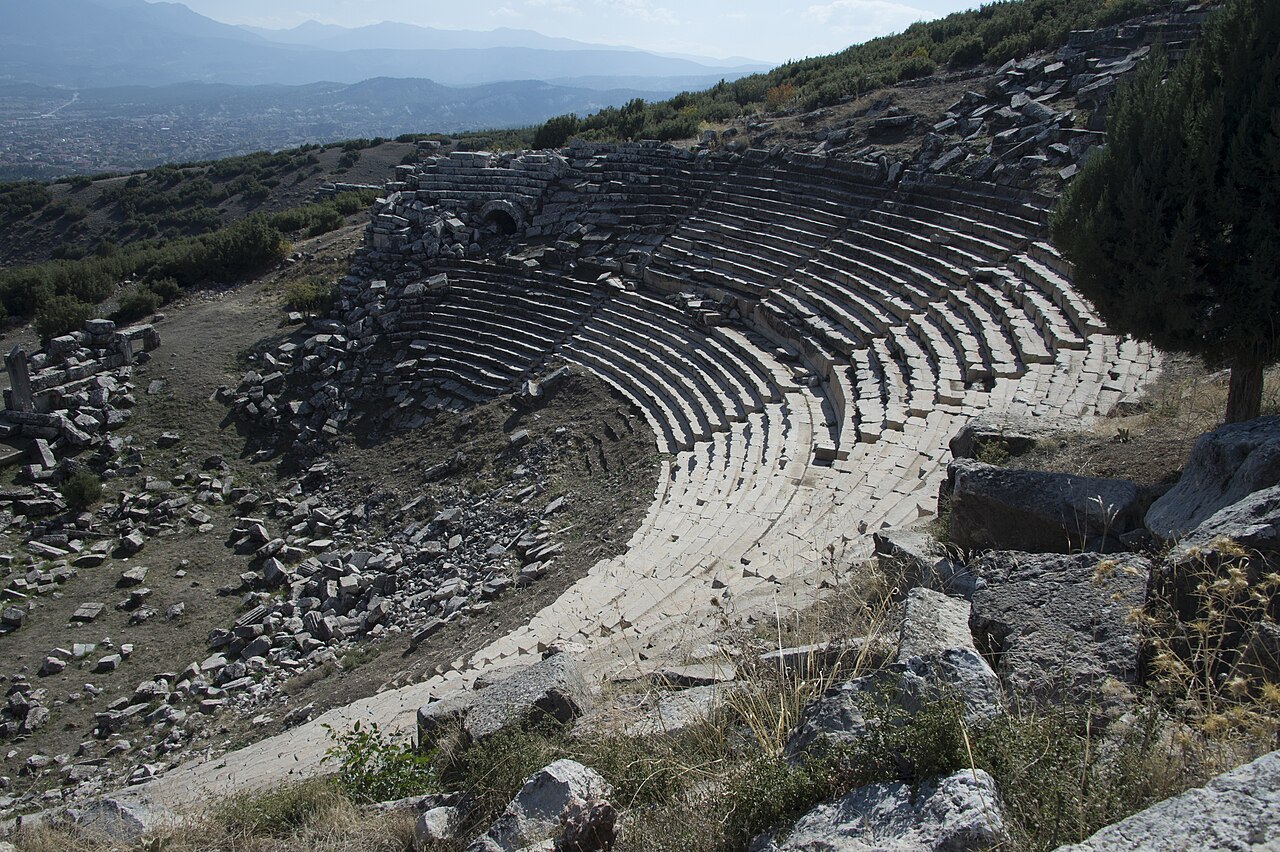
Bubon is an ancient archaeological settlement in Antalya Province, Türkiye, encountered as a quiet rural heritage site rather than a developed attraction with museum galleries, extensive interpretation or a large visitor complex. Its appeal lies in the direct relationship between ancient remains and the inland landscape of southwestern Anatolia. Travellers interested in archaeology, ancient settlements and lesser-visited heritage places may value the sense of exploration. Plan for a field visit focused on the site and its surroundings, not a reconstructed monument or a highly managed sightseeing experience. The available location record identifies Bubon as a point of interest, but does not establish a more specific historical attribution, protected-site arrangement or visitor ranking. Bubon is a specialist archaeological stop in Antalya Province, not a large developed attraction with the visitor infrastructure associated with the region’s best-known ancient sites. Its appeal is a quieter encounter with an ancient settlement and its rural setting.
Checked 2026-08-26 · Source
Bubon is best approached as an archaeological landscape in an outdoor setting. Ancient traces are encountered among open ground, vegetation and surrounding hills rather than inside a documented museum or a clearly described reconstructed complex. The available record does not provide an inventory of a theatre, temple, civic building, residential quarter or displayed artefacts, so the visit should not be planned around a particular monument. Walk carefully and observe how the remains relate to the terrain. Leave stones, fragments and other possible archaeological material where they are, and avoid treating the site as a place for collecting souvenirs.
Checked 2026-08-26 · Source
Allow flexible time for Bubon because the available record does not define a formal visitor circuit, interpretation route or fixed programme. A short stop may suit travellers incorporating the site into a broader journey, while archaeology enthusiasts may want longer to walk, pause and examine the relationship between the visible traces and the landscape. The time required will depend on what can be seen during the visit, the condition of approach paths and how far visitors can comfortably explore. Add a margin for rural navigation and the final approach. Bubon is better suited to an unhurried field visit than to a tightly timed city itinerary.
Checked 2026-08-26 · Source
Bubon is an outdoor archaeological destination, so daylight, temperature and ground conditions shape the experience. Spring and autumn are generally more comfortable seasons for walking in Antalya Province than the hottest part of summer. Summer visits may be tiring around midday because of heat and glare, while winter rain can make rural roads and paths more difficult. Keep the day flexible for slower travel and changing conditions.
Checked 2026-08-26 · Source
Do not budget a specific fare, describe entry as free, or assign a museum-card benefit. The location may differ from a staffed archaeological attraction, but its access and payment status are not confirmed. Keep ticket costs separate from assumptions based on better-known archaeological sites in Türkiye. If entrance control, a barrier or an instruction is encountered during the visit, follow the responsible authority’s directions and do not enter restricted areas.
Checked 2026-08-26 · Source
Treat Bubon as a rural excursion and prepare the final approach before leaving Antalya’s wider urban area. Study the roads in advance, save navigation information for places with weak mobile coverage and allow time for a slow or uncertain last section. A private vehicle or organised excursion may be more practical than relying on an unverified public-transport connection. Road surfaces, signage and the point at which walking begins can vary, so avoid building a tight itinerary around an exact arrival time. Local accommodation providers or tourism offices may help with regional orientation, but the supplied record does not give a precise route to the site.
Checked 2026-08-26 · Source
Prepare for an undeveloped archaeological landscape. Sturdy footwear is important where ground may be uneven, loose or sloping, and visitors should avoid climbing masonry or entering unstable structures. Do not remove objects or disturb remains, and respect any barrier or instruction at the site. Travellers going alone should share their route and expected return time, particularly where mobile coverage may be limited. Take particular care in heat, glare and changing rural ground conditions.
Checked 2026-08-26 · Source
Bubon’s setting makes wide photographs useful: include the archaeological traces with the surrounding hills, vegetation and open ground to show how the ancient settlement is encountered. Follow any signs or instructions, keep away from fragile remains and never climb structures for a better angle. Morning or late-afternoon light can bring out surface texture, while seasonal vegetation and weather may change what is visible from one visit to the next. Keep equipment and movement unobtrusive in this quiet rural setting.
Checked 2026-08-26 · Source
Bubon is a specialist archaeological stop in Antalya Province, not a large developed attraction with the visitor infrastructure associated with the region’s best-known ancient sites. Its appeal is a quieter encounter with an ancient settlement and its rural setting.
Visitors should not plan on an on-site guide, scheduled interpretation or a regular organised departure being part of the visit.
Keep the description general unless an authoritative heritage source is added.
Visitors should assess the rural archaeological setting, uneven outdoor ground and possible walking requirements against their own mobility needs before planning the visit.
Plan the visit as an outdoor rural excursion and bring the supplies needed for the journey rather than relying on on-site services.
Check the route carefully before combining it with another site on the same day.
Loading the interactive map…
The interactive map could not be loaded.
Last updated:
Source: OpenStreetMap contributors, Wikidata ·