164 min walk
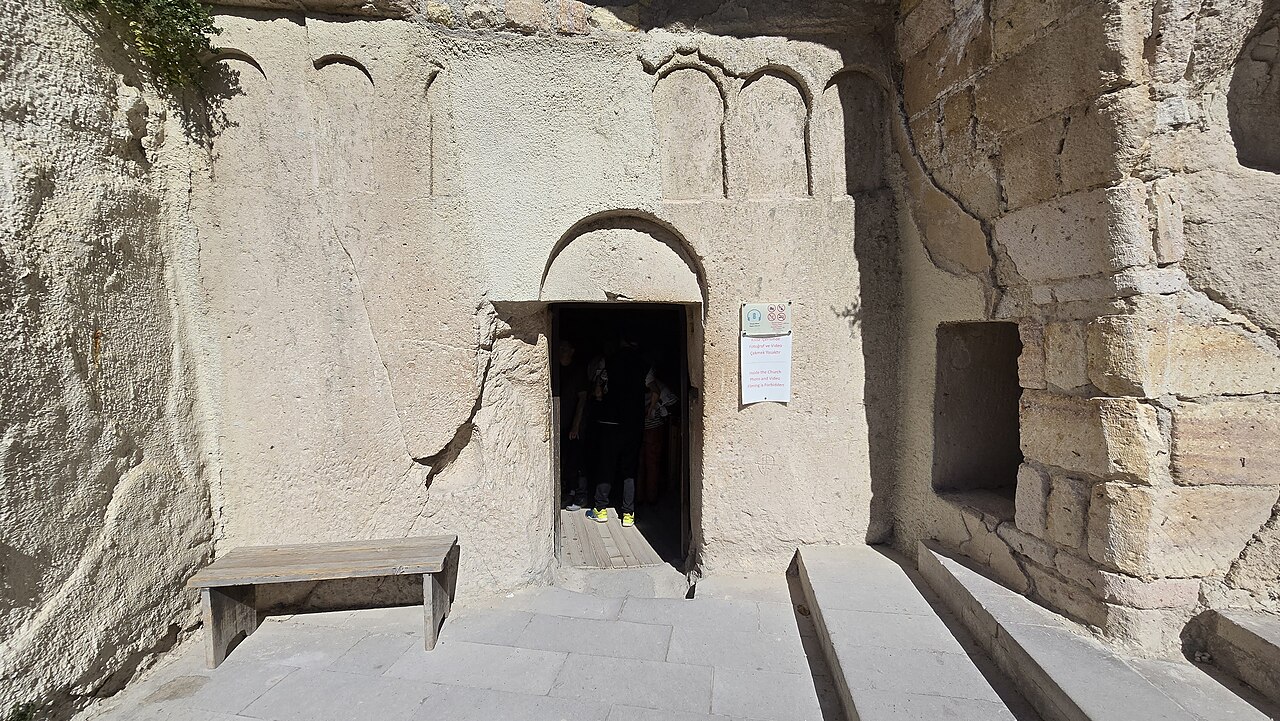
Elmalı Museum
- Must see
- Museum
Language · 11 published
Historic monument · Antalya
Hacımusalar Höyüğü
Reviewed by Elena Voss · Roavina Travel Editor
This place is a Attraction.
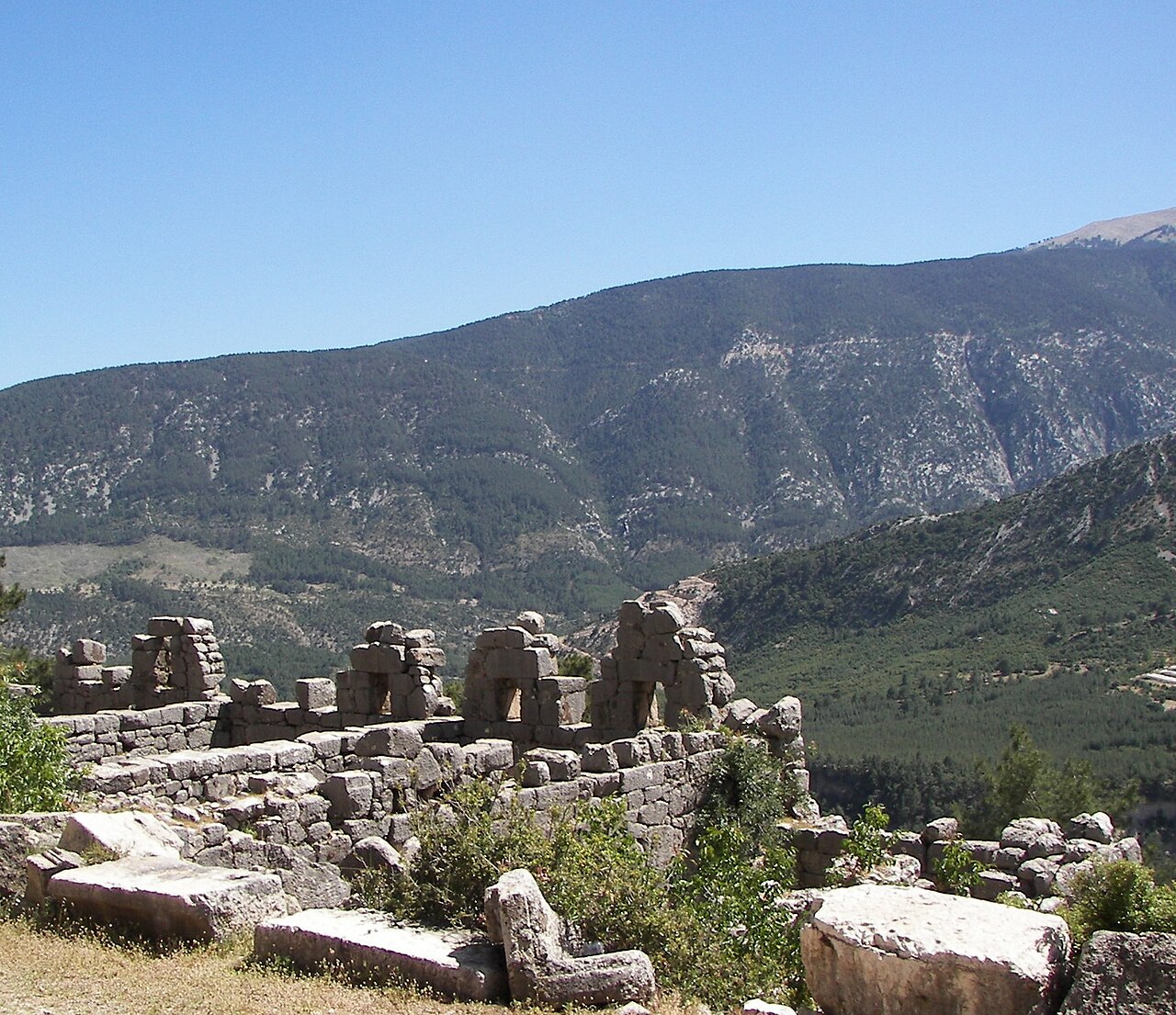
Choma, also known as Hacımusalar Höyüğü, is an archaeological mound in the Antalya region. The raised landscape reflects the long sequence of human occupation associated with höyük settlements in southwestern Anatolia. This is a place for travellers interested in archaeology, terrain and the deeper history beneath the modern Mediterranean landscape. Expect a quiet heritage experience focused on the mound itself rather than reconstructed buildings, galleries or a conventional museum visit. Choma, known locally as Hacımusalar Höyüğü, is an archaeological site in the Antalya region of Turkey. The area represents a significant mound settlement that contributes to understanding the layered human occupation of southwestern Anatolia. Such höyük sites typically preserve sequential cultural deposits from multiple periods, offering researchers stratified evidence of ancient settlement patterns. The site forms part of the broader archaeological heritage that draws visitors to the Turkish Mediterranean coast. Its inclusion in visitor-oriented resources indicates recognition of its cultural value. Yes, Hacımusalar Höyüğü is the local Turkish name for the site identified in visitor resources as Choma.
Checked 2026-08-26 · Source
The attraction at Choma is the archaeological mound and the evidence of layered occupation held within its terrain. Visitors should look for the shape of the höyük, surface textures and any visible traces that explain how settlement accumulated over time. The site is best approached as an archaeological landscape, not as an interior exhibition. Its strongest quality is the chance to connect a modest visible setting with the long human story represented by buried cultural deposits. Archaeological mounds of this type commonly contain buried structural remains, pottery fragments, and other material culture from successive occupation layers. Excavated sections may reveal foundation walls, storage facilities, or burial contexts depending on the periods represented.
Checked 2026-08-26 · Source
Allow around thirty minutes to one hour for a focused visit to Choma. That is enough time to take in the mound, walk through its immediate setting and make photographs. Visitors deeply interested in Anatolian archaeology may spend longer observing the terrain and considering its successive occupation layers. Because the site works best within a wider regional outing, include travel time and combine it with other cultural or countryside stops rather than planning a full day around the mound alone.
Checked 2026-08-26 · Source
Spring and autumn provide comfortable conditions for exploring an open archaeological mound. In summer, an early-morning or late-afternoon visit helps reduce the strain of Antalya’s midday heat. Rain in winter can make the ground softer and walking less pleasant. Choma suits travellers who enjoy quiet observation, open landscapes and archaeological context. Schedule it as one part of a road-based day, leaving enough flexibility for the approach and for time spent examining the mound at an unhurried pace.
Checked 2026-08-26 · Source
Choma is presented as an archaeological mound, with no practical admission details included in this guide. Its appeal is the landscape and archaeological perspective rather than a scheduled indoor exhibition. Keep the itinerary flexible and allow the stop to fit naturally alongside other sights in the Antalya region. The visit is most rewarding when travellers give attention to the mound’s form, its setting and the idea of successive occupation, rather than measuring the experience by facilities or programmed activities.
Checked 2026-08-26 · Source
Hacımusalar Höyüğü is a rural archaeological destination in the Antalya region, so a private car, rental car or organised excursion is the practical way to include it in a route. Use the mapped location for navigation and build in extra time for the approach. The mound is better suited to a deliberate countryside itinerary than a tightly timed public-transport day. Combine it with other regional stops to make the journey worthwhile.
Checked 2026-08-26 · Source
Choma is an outdoor mound, so uneven ground, loose stones and concealed changes in level require careful walking. Choose footwear with a secure tread and avoid unstable edges. Carry water and protect yourself from the sun, particularly during warmer months. Archaeological material belongs to the site: do not collect, move or disturb anything. Keep to respectful routes around the mound and be attentive to nearby agricultural land and boundaries while exploring.
Checked 2026-08-26 · Source
Photograph Choma as a landscape: the mound’s profile, its textures and the surrounding Antalya countryside create the strongest visual story. Early or late daylight can reveal the shape of the terrain more clearly than harsh midday light. Wide frames show the setting, while close images capture soil, stone and changes in elevation. Keep equipment and footsteps away from fragile areas, and avoid climbing or creating poses that damage the archaeological character of the site.
Checked 2026-08-26 · Source
Choma is also known as Hacımusalar Höyüğü.
It is an archaeological mound in the Antalya region.
Allow around thirty minutes to one hour for a focused visit.
Wear secure, sturdy footwear and use sun protection for the open mound.
No. Do not collect, move or disturb archaeological material at the site.
A private car, rental car or organised excursion is the practical approach to this rural site.
Loading the interactive map…
The interactive map could not be loaded.
Last updated:
Source: OpenStreetMap contributors, Wikidata ·