


73 min walk
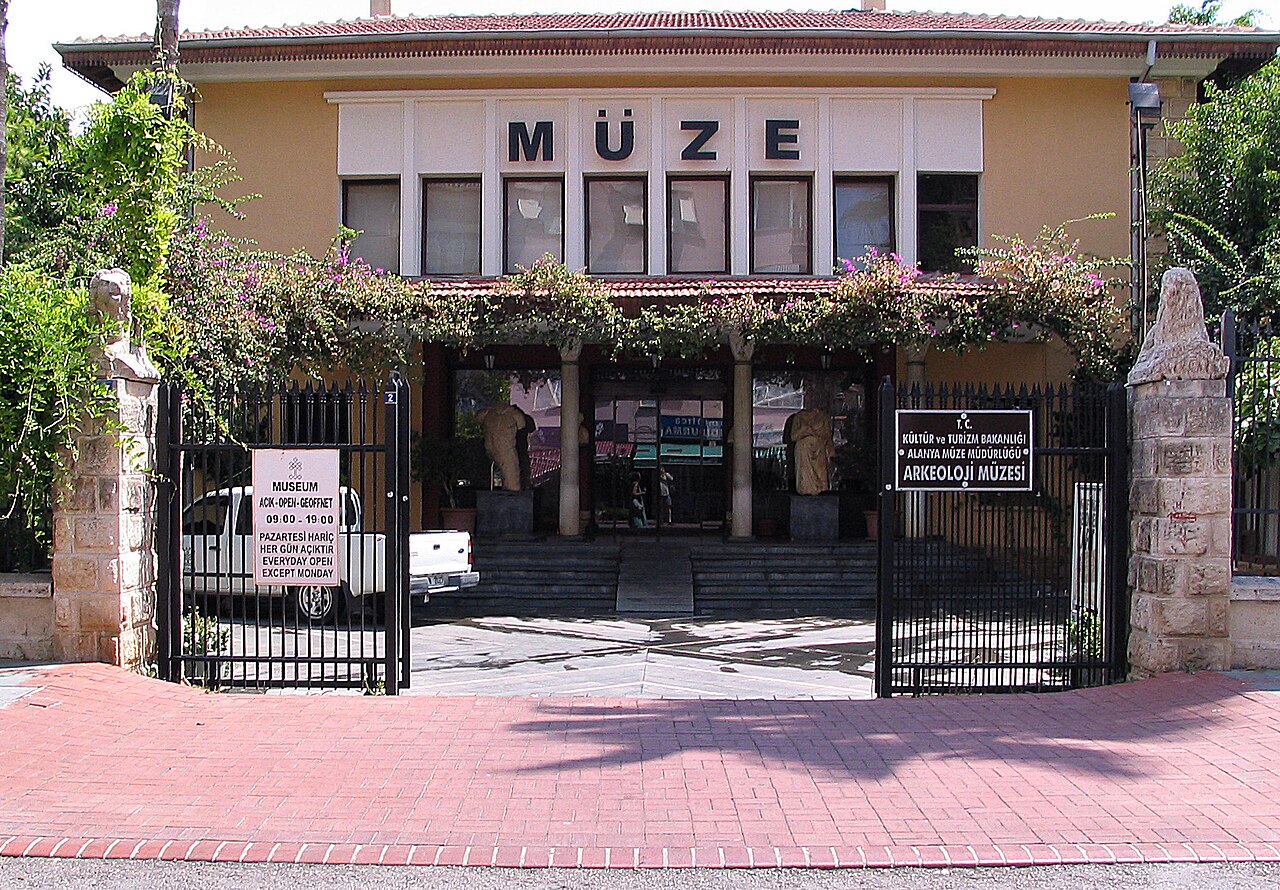
Alanya Archaeological Museum
- Must see
- Museum
Language · 11 published
Historic monument · Antalya
Hemaksia
Reviewed by Elena Voss · Roavina Travel Editor
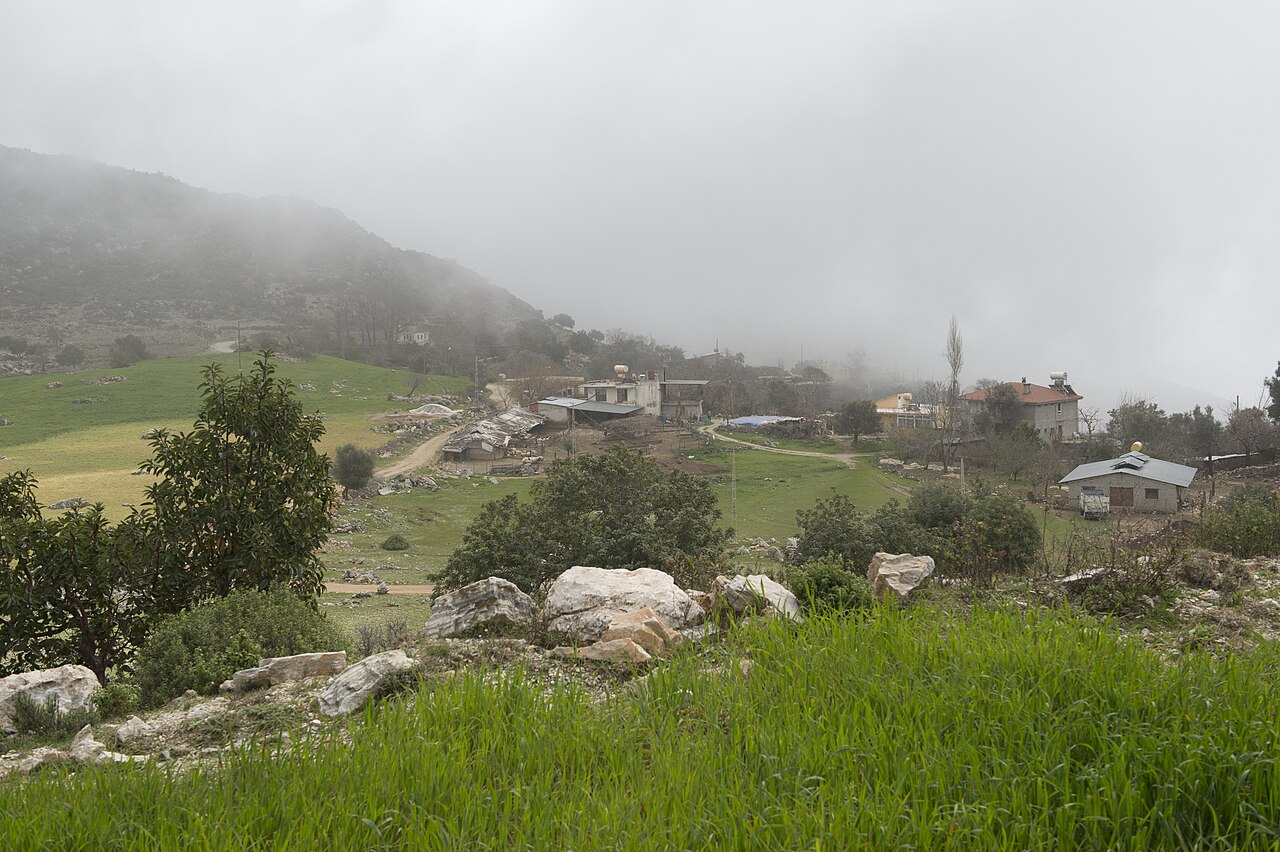
This place is a Archaeological site.
Hamaxia, known locally as Hemaksia, is an ancient settlement near Antalya in southern Turkey. This archaeological site represents a lesser-visited historical location in the region, offering visitors exposure to Mediterranean antiquity away from heavily trafficked attractions. The settlement sits within Antalya's broader cultural landscape, contributing to the area's layered historical narrative spanning multiple civilizations. Hamaxia provides context for understanding rural settlement patterns and agricultural economies of ancient Pamphylia. Visitors seeking quieter archaeological experiences may find this site noteworthy for its relative seclusion and authentic atmosphere compared to more developed ancient attractions in the vicinity.
Checked 2026-08-26
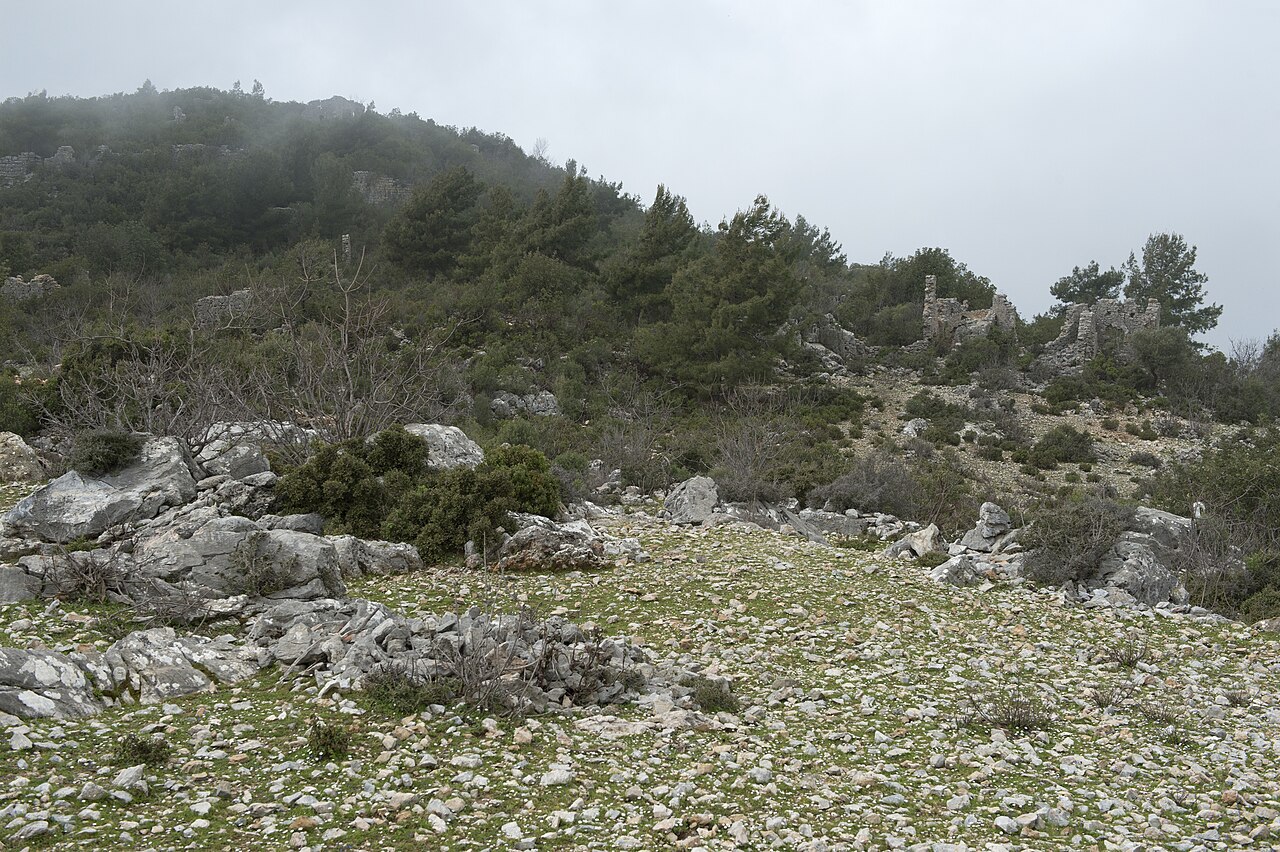
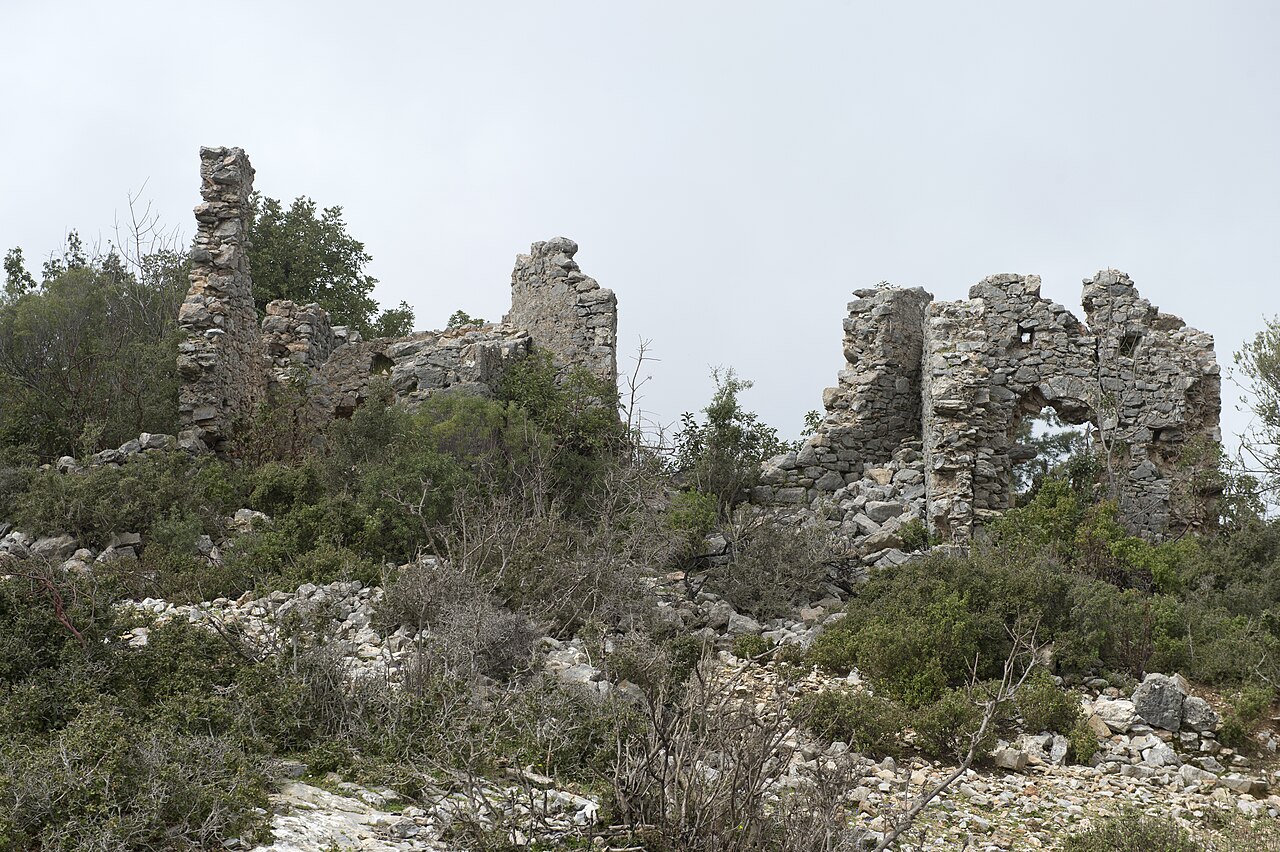
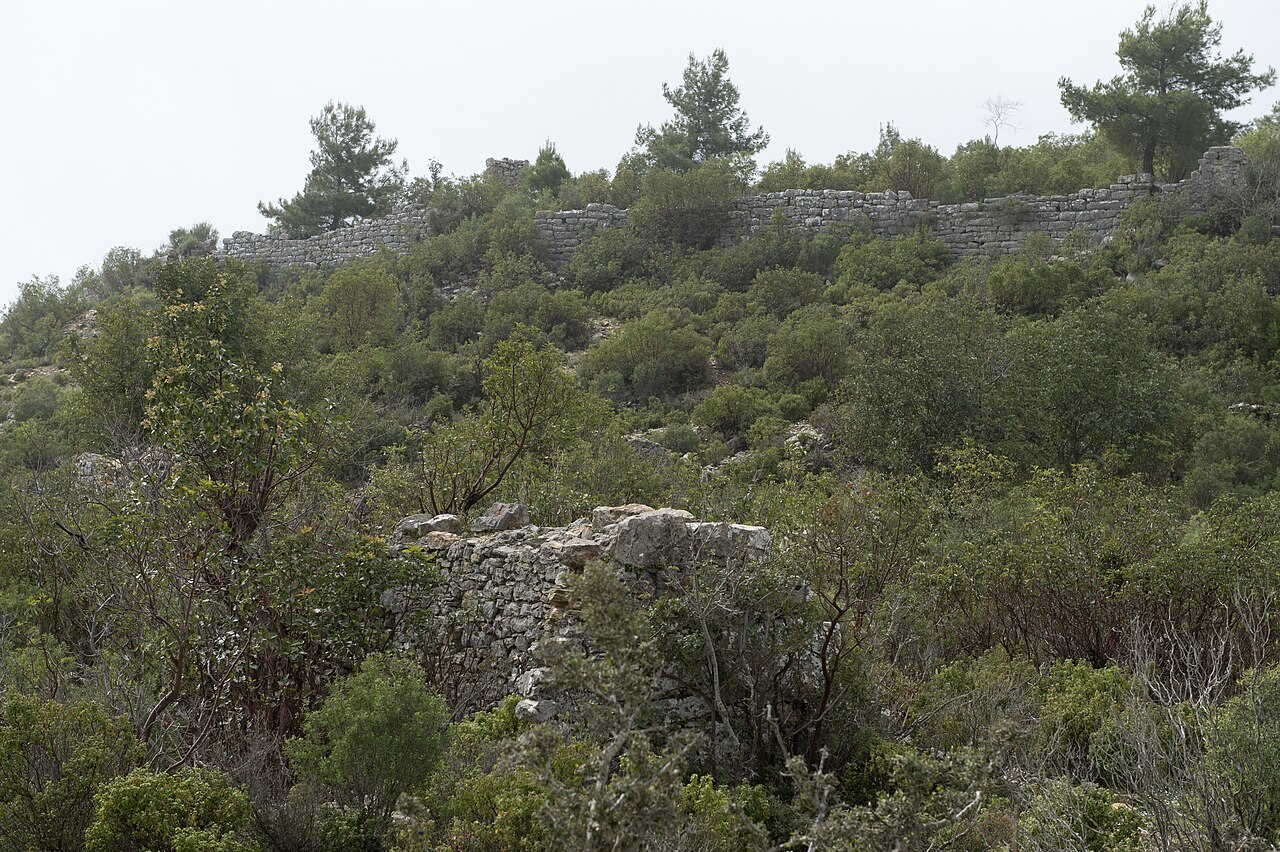
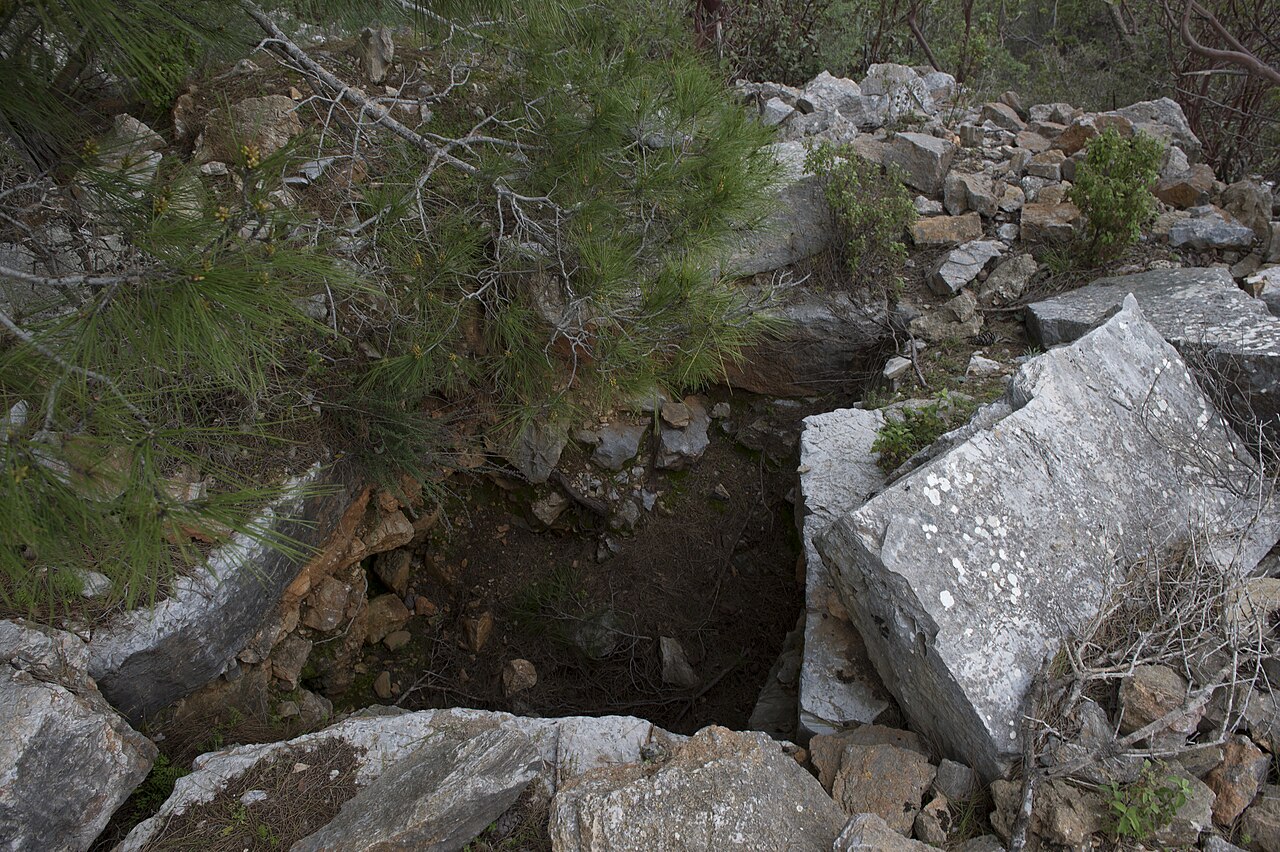
The site contains remains of ancient structures including building foundations, walls, and terraced construction indicative of settlement organization. Agricultural terraces suggest the community's economic focus on cultivation in this mountainous terrain. Cisterns and water management features demonstrate adaptation to local hydrological conditions. Funerary monuments and rock-cut elements may be present, reflecting burial customs of the period. The scattered ruins require careful observation and contextual imagination from visitors. Interpretive signage or on-site guidance is minimal or absent. Visitors should anticipate an unmediated archaeological encounter where architectural fragments and landscape features constitute the primary tangible heritage elements without reconstructed buildings or museum displays.
Checked 2026-08-26
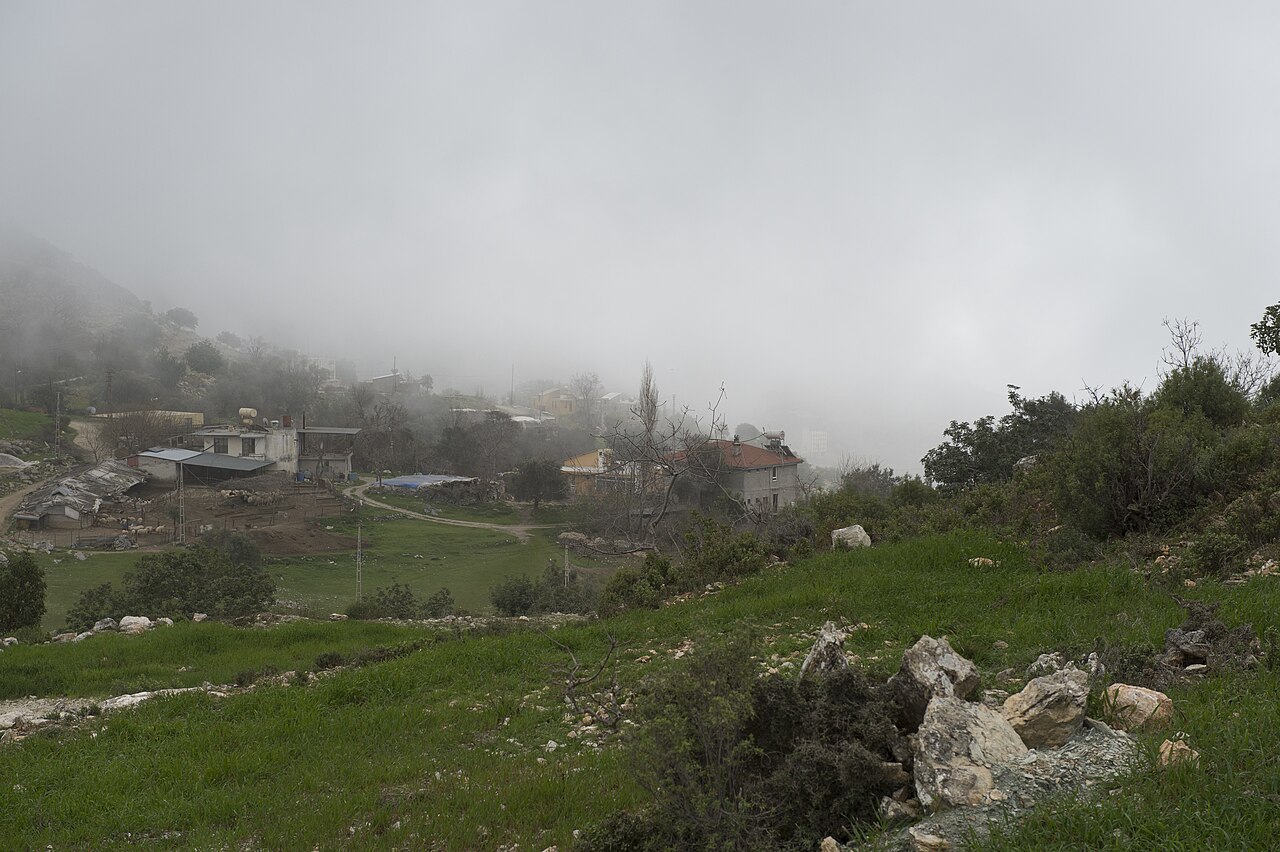
A thorough visit to Hamaxia typically requires between forty-five minutes and ninety minutes depending on individual interest in archaeological detail and physical exploration scope. The uneven terrain and dispersed nature of remains necessitate deliberate pacing. Photography enthusiasts or those studying architectural fragments may extend their stay. The site lacks amenities, seating, or shelter, influencing practical duration limits especially during warmer periods. Visitors often combine this destination with other regional attractions rather than dedicating a full day. Appropriate footwear and water provision affect comfortable exploration time. The compact overall area prevents extended wandering, though careful examination of specific features rewards patient observation.
Checked 2026-08-26
Antalya experiences hot Mediterranean summers and mild, occasionally rainy winters. Spring and autumn offer generally favorable conditions for outdoor archaeological exploration with moderate temperatures and reduced intense sun exposure. Summer midday visits demand substantial heat precautions including hydration and sun protection. Winter visits may encounter muddy conditions on unpaved access routes. Dawn and dusk periods provide favorable lighting for observation and photography while avoiding peak temperature periods. Seasonal vegetation changes affect site visibility and path conditions. Local agricultural activity may influence access during specific periods. Check the operator's own site for the travel date before relying on a schedule or fare.
Checked 2026-08-26
Admission arrangements for Hamaxia remain informal compared to major archaeological parks. Formal ticketing infrastructure may be minimal or absent at this less-developed site. The site's administrative status under regional cultural heritage authorities affects access protocols. Visitors carrying valid museum passes applicable to Turkish archaeological sites should inquire regarding acceptance. Group visits or guided tours may involve separate arrangements through local operators. Cash preparation in small denominations is prudent where informal contribution systems operate. Advance verification through local tourism offices is recommended. Check the operator's own site for the travel date before relying on a schedule or fare.
Checked 2026-08-26
Hamaxia occupies a rural location requiring private transportation or organized tour access from Antalya city center. Public transit options are limited or nonexistent for final approach segments. Road conditions on approach routes vary; standard vehicles generally suffice though caution is warranted on unpaved sections. Navigation requires attention as signage may be minimal. Distance from central Antalya necessitates planning for approximately one hour travel time depending on departure point and route. Rental vehicles provide maximum flexibility for combining this site with other regional destinations. Parking availability at or near the site is unverified. Local guidance from accommodation providers or tourism offices assists logistical planning.
Checked 2026-08-26
Terrain hazards include uneven ground, loose stones, and steep gradients without safety barriers. Appropriate sturdy footwear is essential; open shoes present significant risk. Limited or absent emergency services coverage necessitates self-sufficiency and conservative behavior. No potable water sources exist on-site; adequate personal supply is mandatory. Sun exposure is substantial with minimal shade; protective clothing, hats, and sunscreen are necessary. Mobile telephone signal may be unreliable for emergency communication. Wildlife encounters, while generally benign, warrant awareness. Structural remains may be unstable; climbing on ancient walls is inadvisable. No medical facilities or supplies are available nearby. Solo visitors should inform others of their itinerary given remote location characteristics.
Checked 2026-08-26
The site offers photographic opportunities emphasizing landscape-archaeology integration and textured stone surfaces in natural lighting conditions. Early morning and late afternoon provide optimal directional light across terraced terrain and architectural remnants. Wide-angle lenses capture settlement layout relationships with surrounding topography. Macro capabilities benefit detail recording of construction techniques and surface weathering. Tripod use is generally unrestricted though stability on uneven ground requires care. No artificial lighting infrastructure exists for low-light conditions. Drone operation falls under Turkish regulatory requirements requiring appropriate permissions regardless of site-specific rules. Commercial or publication photography may involve additional clearance from cultural heritage authorities. Respect for site integrity prohibits moving objects for compositional purposes.
Checked 2026-08-26
The uneven terrain, steep sections, and absence of facilities present challenges for young children and individuals with mobility limitations. Families and older visitors should assess physical capability carefully before attempting access.
Formal on-site guided services are not established. Visitors typically explore independently or arrange private guides through Antalya-based operators familiar with regional archaeological sites.
Essential items include sturdy footwear, abundant water, sun protection, snacks, and basic first-aid supplies. Navigation aids and charged communication devices are prudent given remote location characteristics.
Geographic proximity to other Pamphylian archaeological locations permits combined itineraries with adequate planning and private transportation, though rushed scheduling diminishes individual site appreciation.
Heavy rainfall may render access routes impassable and create hazardous conditions on slopes and stone surfaces. Visitors should monitor forecasts and avoid visitation during or immediately after significant precipitation events.
No restroom facilities exist at this undeveloped archaeological location. Visitors must plan accordingly before arrival and observe responsible waste management practices throughout their visit.
Loading the interactive map…
The interactive map could not be loaded.
Last updated:
Source: OpenStreetMap contributors, Wikidata ·