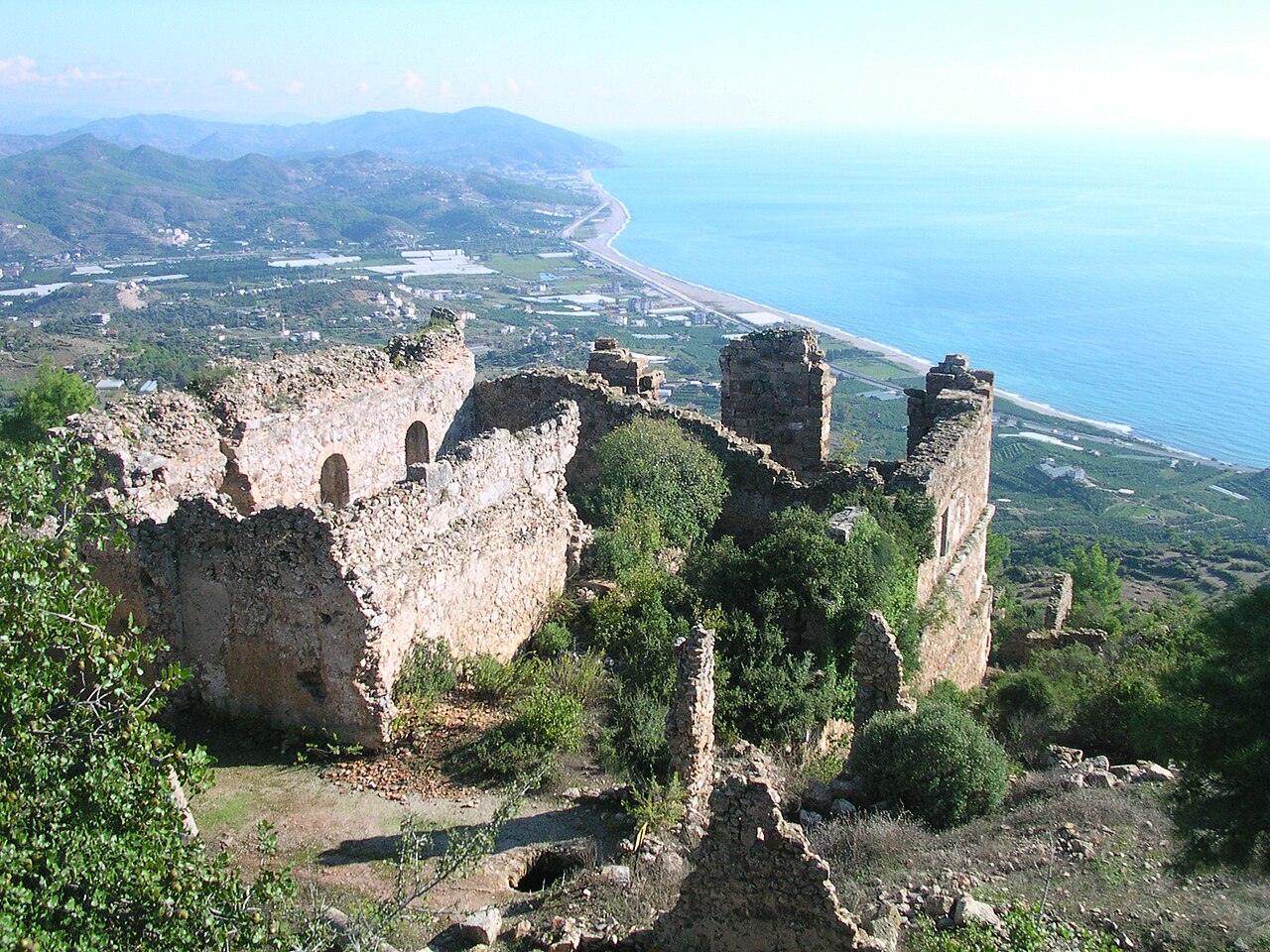
111 min walk
Syedra
- Must see
- Historic monument
Language · 11 published
Historic monument · Antalya
Herkül Köprüsü
Reviewed by Elena Voss · Roavina Travel Editor
Hercules Bridge, known locally as Herkül Köprüsü, is a historical bridge in Antalya. It is best approached as a short architectural stop rather than a major attraction with a formal visitor programme. The bridge adds a quieter heritage moment to an Antalya itinerary, especially for travelers who enjoy examining older structures within their surrounding urban or rural setting. Its local name is useful when asking for directions or identifying the site on a map. Herkül Köprüsü is a historical bridge in Antalya, Turkey, identified in OpenStreetMap data as way/106952760. The structure carries the local name Herkül Köprüsü and is categorized as a HISTORICAL point of interest. It holds curated rank 52 of 100 in the production city pool for Antalya visitor-relevant sites. The bridge's identity, local name, and coordinates were matched exactly to the production database without approximation. Visitors should approach with appropriate expectations given limited documented background.
Checked 2026-08-26 · Source
The main experience is the bridge itself: its span, surface, masonry, and relationship with the route around it. No museum rooms, exhibition galleries, or formal interpretation are identified for this stop. Travelers should focus on the structure's proportions, surviving construction details, and the way people or vehicles use the crossing. Look closely without touching fragile surfaces, and leave space for local movement if the bridge remains part of an active route. As a historical bridge, typical elements may include stone or masonry construction, arch spans, pedestrian walkways, or vehicle passages, though none of these are confirmed. Decorative elements, inscriptions, plaques, or commemorative features are unknown. Visitors may encounter basic architectural elements consistent with regional bridge-building traditions, but specific details require on-site observation. No information exists about surrounding amenities, explanatory signage, or visitor facilities at this location.
Checked 2026-08-26 · Source
Allow around twenty to thirty minutes for a focused visit. That gives enough time to reach the bridge, walk around the visible approach, study its form, and take a few photographs. Travelers with a strong interest in historic engineering may stay longer to compare the structure with its surroundings. It works well as a secondary stop between larger Antalya sights, rather than as the sole focus of a half-day plan.
Checked 2026-08-26 · Source
Daylight is the practical choice because the bridge is an outdoor heritage feature and the visit depends on seeing its structure clearly. Spring and autumn are comfortable seasons for walking around Antalya, while summer visits are easier earlier or later in the day when direct heat is lower. Rain can make old surfaces slippery, so choose a dry period when possible. Keep the visit flexible within a wider sightseeing route.
Checked 2026-08-26 · Source
Hercules Bridge is presented as a historical bridge rather than a ticketed museum or enclosed archaeological attraction. Plan the stop as an outdoor viewing experience and do not build the visit around a ticket counter, timed entry, or guided exhibition. If access is part of a managed heritage area, follow the arrangements shown at the site. Keep the bridge visit separate from admission planning for Antalya's paid museums and monuments.
Checked 2026-08-26 · Source
Use the OpenStreetMap location for way/106952760 as the navigation reference, then complete the approach on foot when the road or path requires it. The bridge is within Antalya's wider area, so its position should be combined with the rest of the day's route instead of treated as a central-city landmark. A taxi or private car can simplify the final approach, while walking travelers should leave extra time for locating the crossing itself.
Checked 2026-08-26 · Source
Treat the bridge as a real crossing, not only as a photo prop. Watch for uneven ground, moving vehicles, other pedestrians, and worn edges around the structure. Do not climb masonry, stand in a traffic lane, or lean over a parapet for a better view. Comfortable shoes are sensible for historic surfaces. Visit in daylight and keep children close where the bridge approach narrows or the surrounding ground becomes irregular.
Checked 2026-08-26 · Source
Photograph the bridge from its approaches first, using the surrounding landscape to show scale and context. Detail images of stonework, arches, joints, and weathering can complement wider views. Morning or late-afternoon light will usually give the masonry more texture than harsh midday sun. Keep equipment out of the route, avoid blocking traffic, and do not use a drone or tripod where either would interfere with people using the crossing.
Checked 2026-08-26 · Source
It is a historical bridge known locally as Herkül Köprüsü, best visited as a brief architectural and heritage stop in the Antalya area.
Plan about twenty to thirty minutes for viewing the bridge, walking around its approach, and taking photographs.
Wear comfortable shoes suitable for uneven historic surfaces and outdoor walking.
Yes, use the approaches for wide views and keep your camera equipment clear of traffic and pedestrian movement.
Yes. Its compact format makes it suitable between larger Antalya attractions or as a brief heritage detour.
Navigate to OpenStreetMap way/106952760 and follow the mapped approach, allowing extra time for the final walk to the crossing.
Loading the interactive map…
The interactive map could not be loaded.
Last updated:
Source: OpenStreetMap contributors, Wikidata ·