

19 min walk
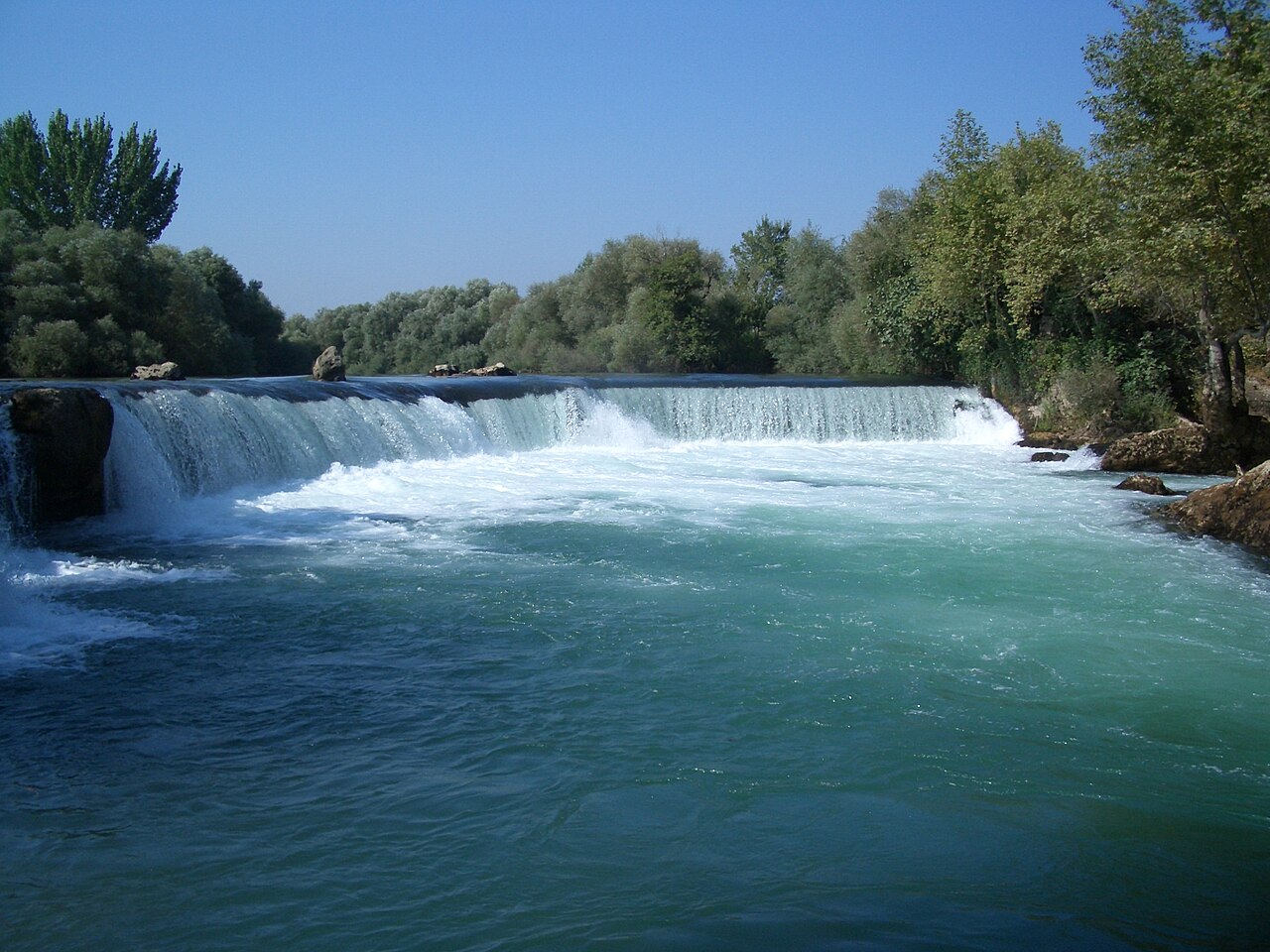
Manavgat Waterfall
- Must see
- Nature site
Language · 11 published
Historic monument · Antalya
Naras Köprüsü
Reviewed by Elena Voss · Roavina Travel Editor
This place is a Attraction.
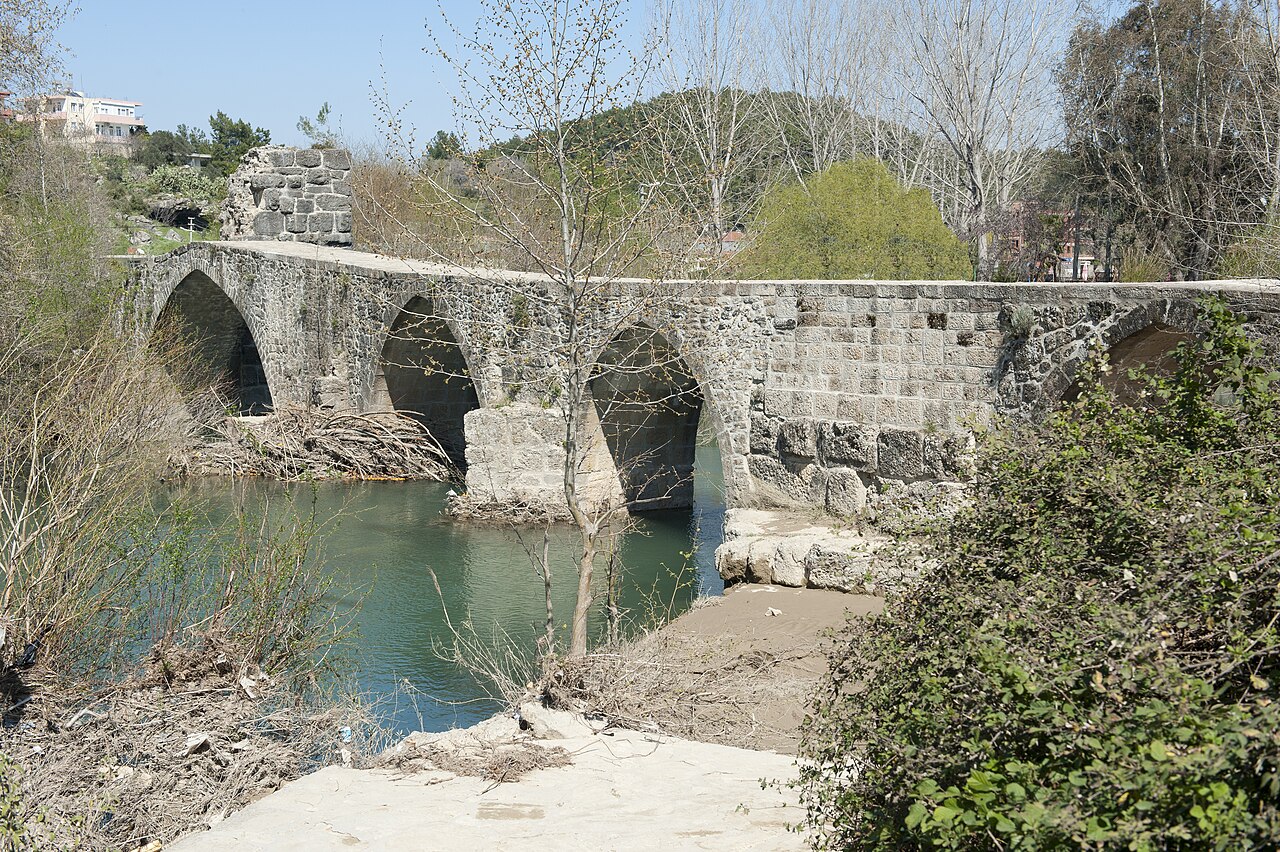
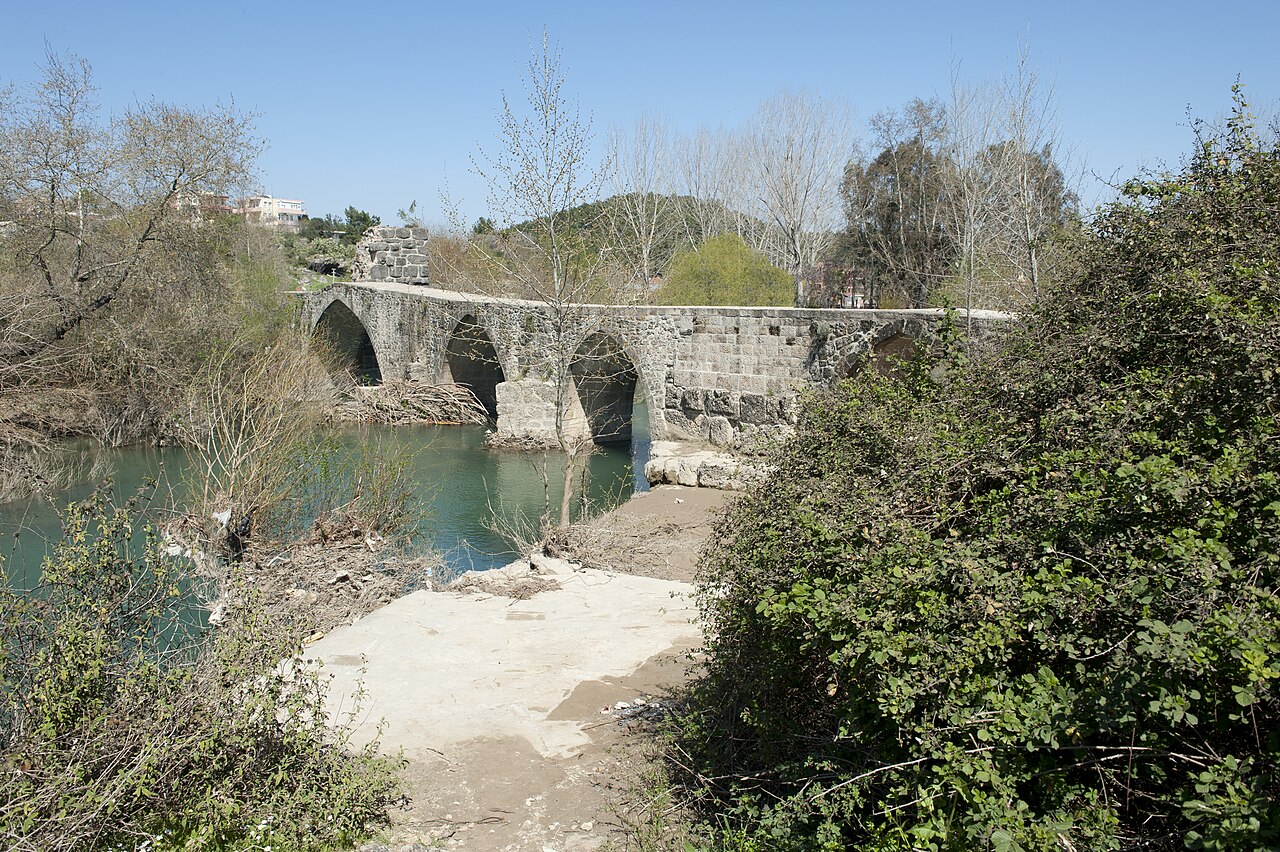
Naras Bridge, locally known as Naras Köprüsü, is a historic stone bridge in Antalya Province. It offers a compact encounter with traditional Ottoman bridge engineering in a rural setting. The structure connects heritage with landscape: the arch, masonry, and watercourse show how an older route was built into the countryside. It suits travellers who enjoy modest historic landmarks, quiet surroundings, and infrastructure with a direct practical purpose. Naras Bridge, known locally as Naras Köprüsü, is a historical stone bridge located in the Antalya region of Türkiye. The structure represents traditional Ottoman bridge engineering, spanning a watercourse in the area. As a heritage site within the broader Antalya cultural landscape, it forms part of the region's rich collection of historical infrastructure. The bridge serves as a tangible connection to past transportation and engineering practices in this part of southern Anatolia.
Checked 2026-08-26 · Source
The bridge itself is the attraction. Look at the stone arch, the abutments, the pattern of the masonry, and the way the structure meets the surrounding landscape. There is no museum-style collection or exhibition to work through; the visit is an act of close looking. The natural setting adds context, turning a short architectural stop into a small lesson in movement, materials, and historic rural construction. The bridge itself is the primary feature, constructed from stone in a style characteristic of the period. Visitors can observe the architectural details of the stonework, including the arch construction and abutments. The surrounding area includes natural landscape features typical of the Antalya hinterland. There are no recorded visitor facilities, exhibitions, or interpretive materials on-site. The experience centers on appreciating the structural engineering and the setting in which the bridge was constructed and continues to stand.
Checked 2026-08-26 · Source
Most visitors need around fifteen to thirty minutes to view the bridge, walk around its approaches, and take photographs. Allow extra time if you enjoy examining stonework or want to include the surrounding countryside in your visit. Naras Bridge works best as a brief stop within a broader Antalya heritage drive, with enough time left for other rural and historic places nearby. A visit to Naras Bridge typically requires a brief stop, as the site consists of the bridge structure itself without extensive additional features. Most visitors would spend approximately fifteen to thirty minutes observing the architecture and taking photographs. Those with particular interest in Ottoman engineering or historical infrastructure may wish to spend longer examining construction details.
Checked 2026-08-26 · Source
Spring and autumn offer pleasant conditions for an outdoor bridge stop in Antalya Province. Summer can be hot, particularly around midday, while early morning and late afternoon bring softer light and more comfortable temperatures. After rain, stone surfaces and the ground around the watercourse may be slippery. Choose a time that gives you both safe footing and enough daylight to appreciate the masonry and landscape.
Checked 2026-08-26 · Source
Naras Bridge is described as an open-access heritage structure rather than a conventional ticketed attraction. Its value lies in seeing the bridge in its landscape, so include it as a short countryside stop rather than planning around a museum admission process. Keep local currency available for ordinary travel expenses during a rural outing.
Checked 2026-08-26 · Source
Naras Bridge is a rural road destination in Antalya Province. A private vehicle or organised tour provides the most practical approach for combining the bridge with other countryside sights. The final route may be narrower or less formal than an urban street, so drive carefully and allow time for the approach. Use the mapped location for navigation and treat the bridge as a planned stop within a road journey.
Checked 2026-08-26 · Source
Historic stone surfaces can become slippery when wet, and the bridge does not provide the modern protective features found at many purpose-built visitor attractions. Walk slowly, keep children close, and stay attentive near edges and the watercourse. Wear shoes with reliable grip, carry water, and protect yourself from the sun. Respect the masonry by avoiding climbing, scraping, or placing objects on the structure.
Checked 2026-08-26 · Source
Photograph Naras Bridge from several angles to show the arch, stone texture, and relationship with the countryside. A wider composition can place the entire span in its natural setting, while closer views bring out construction details. Morning or evening light gives the masonry more relief. If water is visible beneath the bridge, include it as a foreground element, while keeping equipment and movement clear of the historic structure.
Checked 2026-08-26 · Source
Naras Bridge is a historic stone bridge, with its arch and abutments providing the main architectural features for visitors to examine.
A focused stop usually takes fifteen to thirty minutes, including time to view the masonry, walk around the approaches, and take photographs.
No. It is an outdoor historic structure in the Antalya countryside, experienced through its stonework, arch, watercourse, and setting.
Wear shoes with good grip and clothing suited to the weather. Stone and surrounding ground may be slippery after rain, while summer sun can be strong.
Use wide views for the full span and closer compositions for the masonry. Morning and late-afternoon light can emphasise the texture of the stone.
It is a rural heritage landmark representing traditional Ottoman bridge engineering and forming a brief, landscape-based stop within an Antalya road outing.
Loading the interactive map…
The interactive map could not be loaded.
Last updated:
Source: OpenStreetMap contributors, Wikidata ·