

.JPG)


11 min walk
Perge
- Must see · Heritage site
- Historic monument
Historic monument · Antalya
Perge Theatre
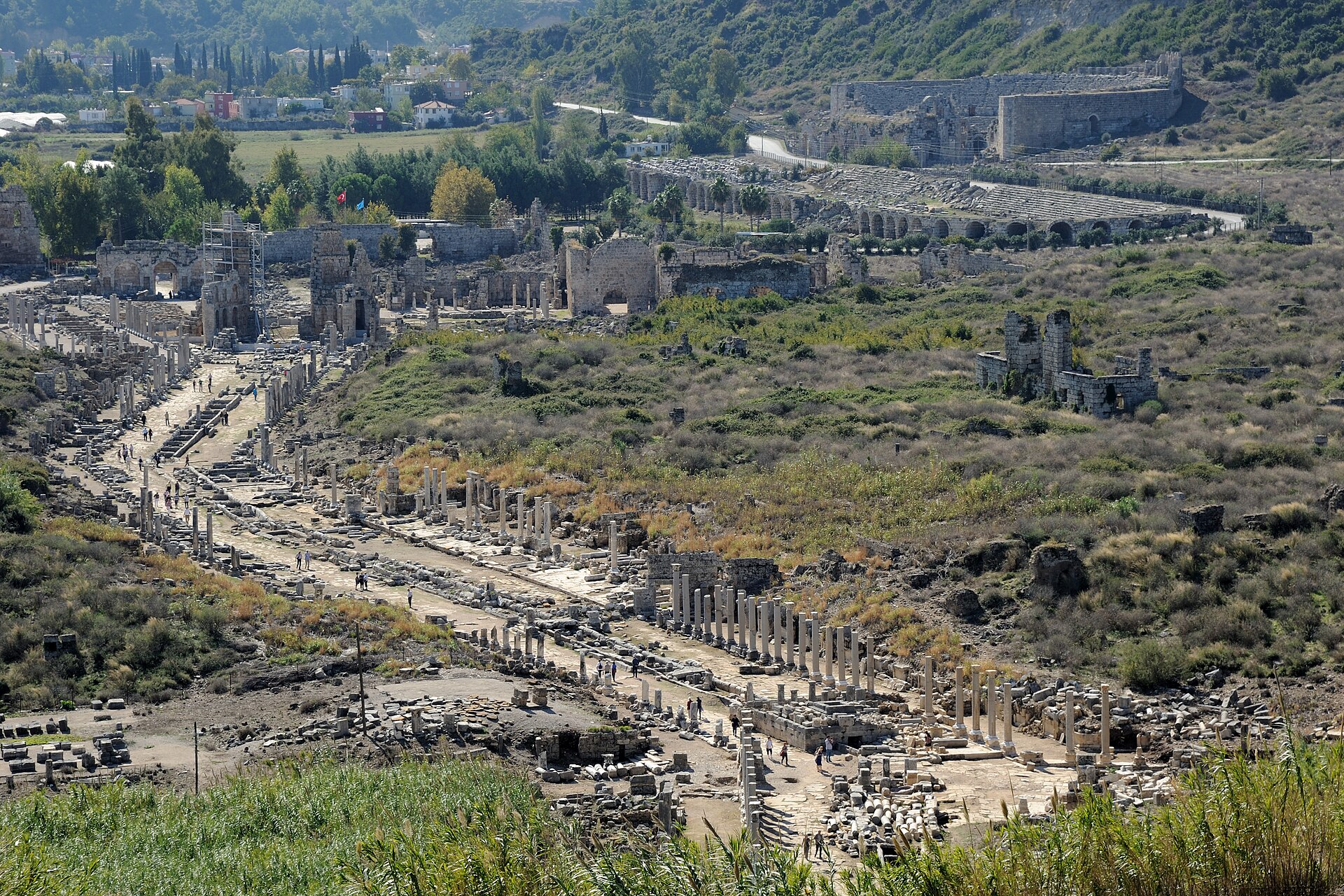
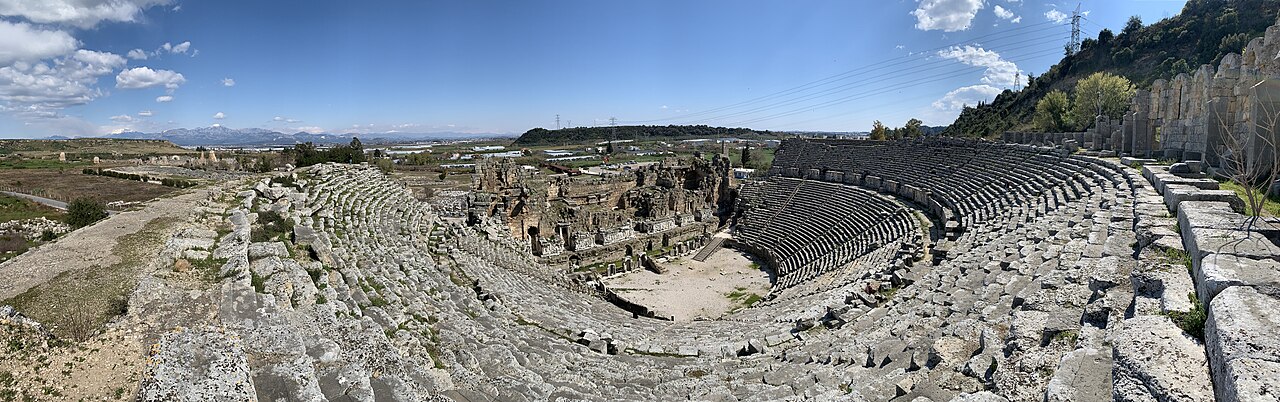
The Roman theatre of Perge is a performance monument within the ancient city of Perge, east of Antalya near Aksu. Its importance comes from its setting as part of a planned Pamphylian city rather than from being an isolated modern venue. The theatre helps visitors understand how public entertainment occupied a defined place within the wider urban landscape of streets, civic buildings and monumental ruins. Its stone construction and surviving form make it one of the clearest stops for reading Perge as a substantial ancient settlement. The monument is best visited as part of the ancient city rather than as a stand-alone attraction.
Checked 2026-08-26 · Source
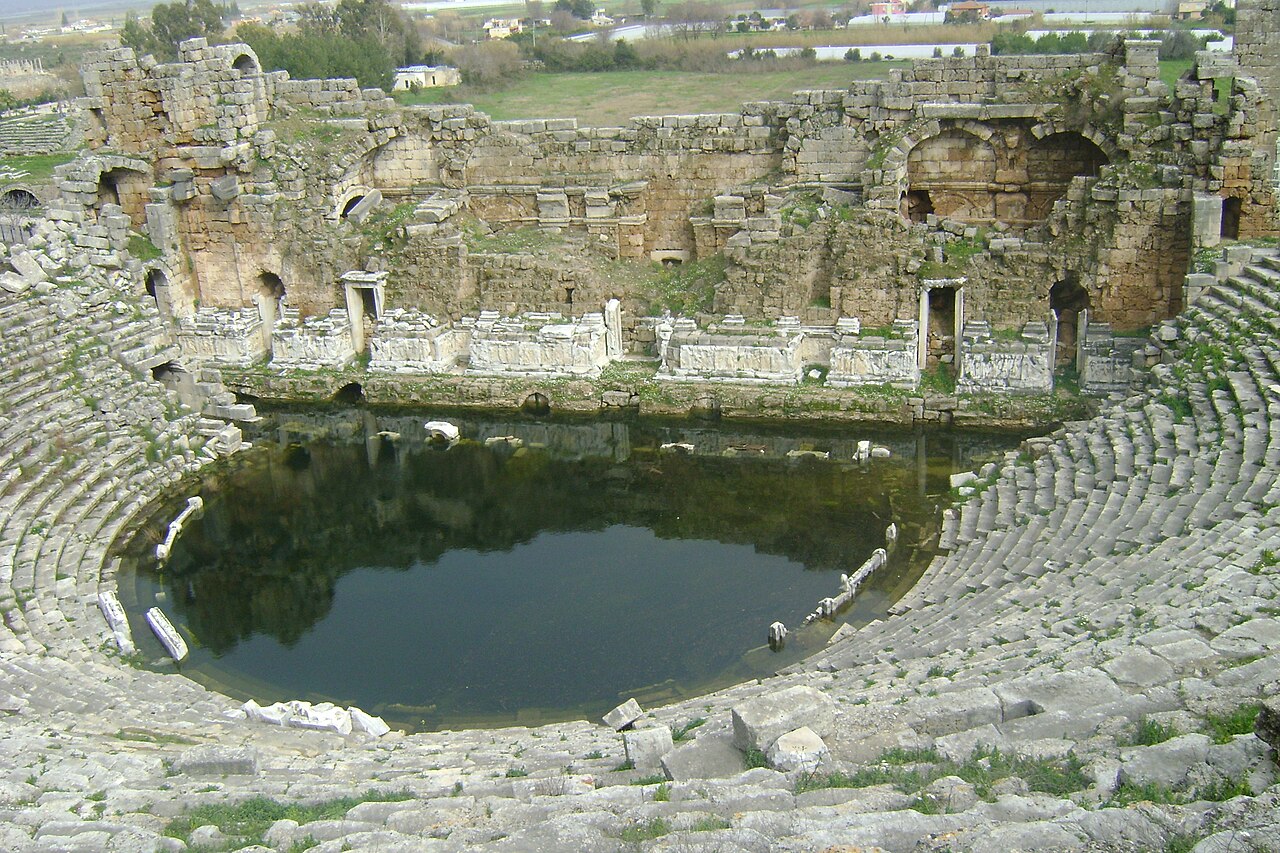
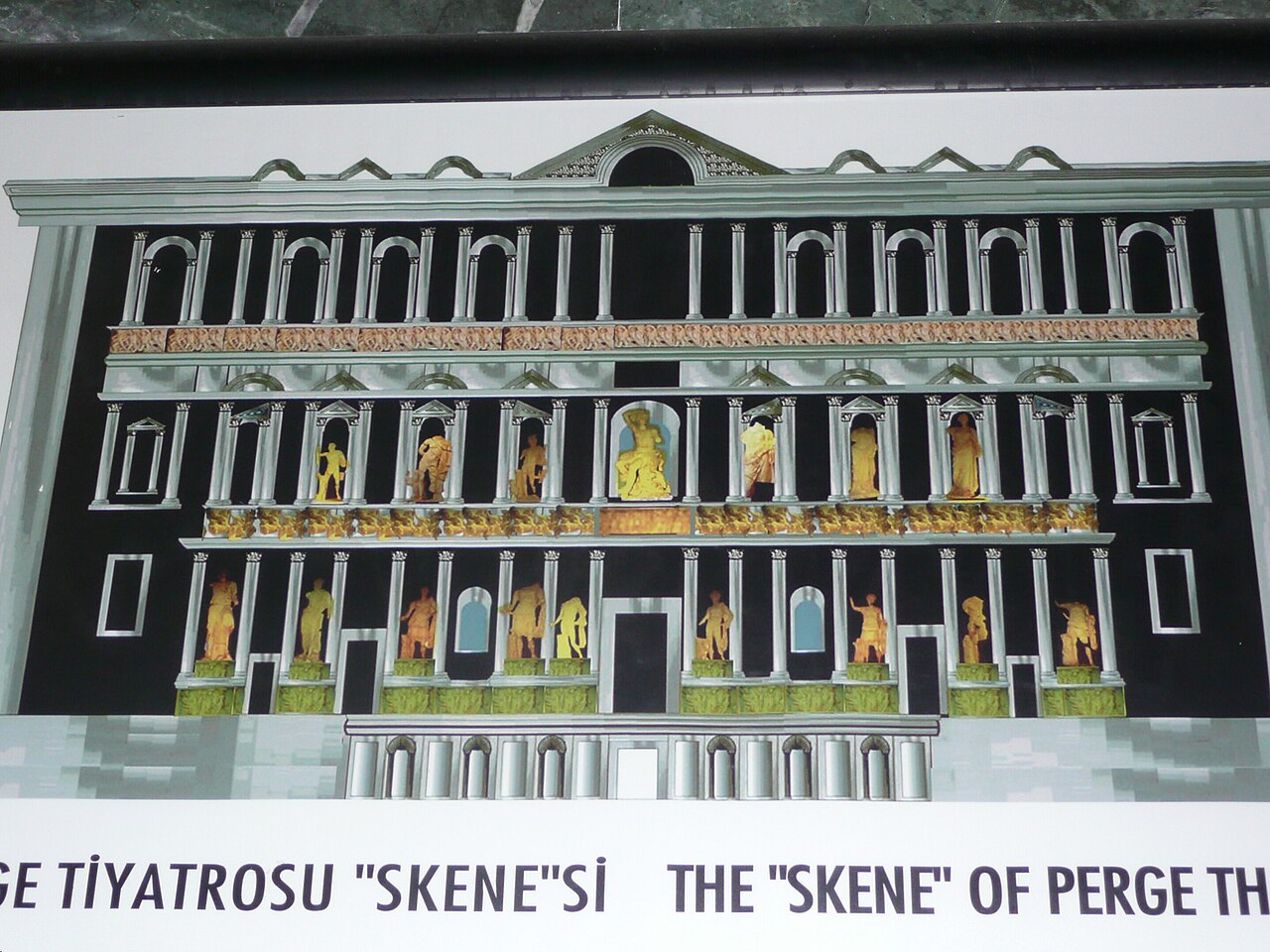
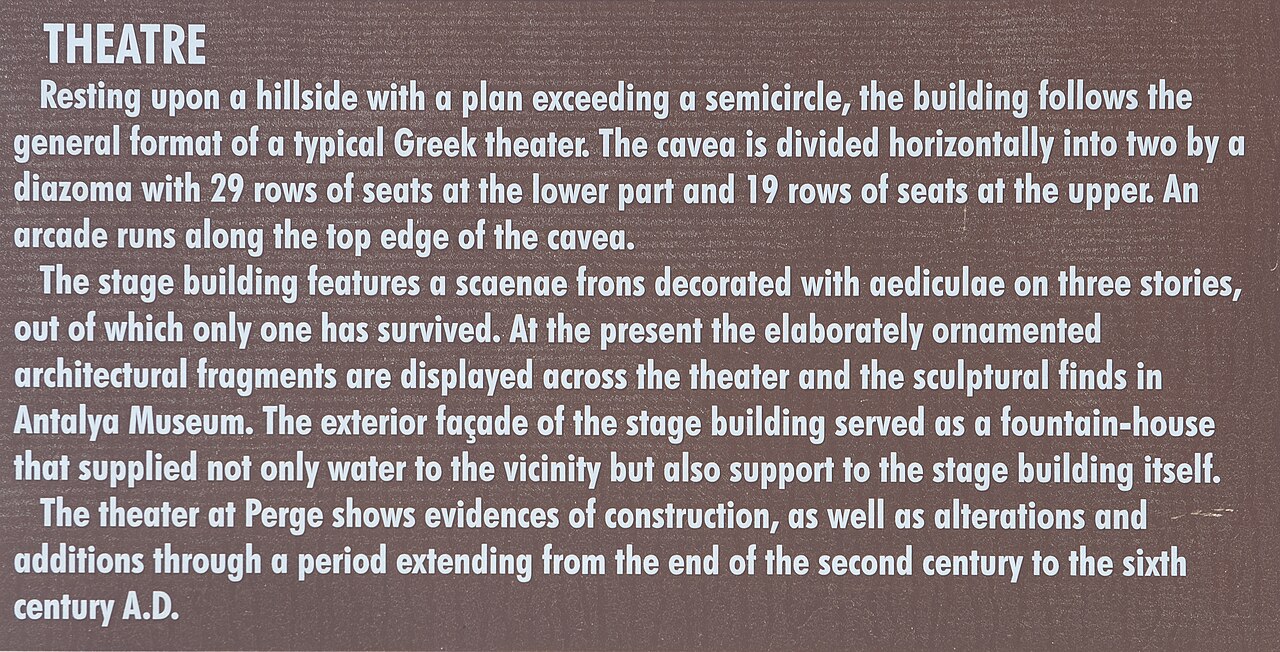
Look first at the semicircular cavea, the orchestra in front of the audience and the remains of the stage building. Together, these elements show how spectators, performers and architecture were arranged around a single performance space. The theatre is only one part of the archaeological site: walking beyond it reveals additional ruins and open areas that place the monument within Perge’s larger plan. Expect exposed masonry, outdoor circulation and surfaces that are not arranged like a modern cultural venue. Viewing the seating, orchestra and stage together gives the clearest impression of the theatre’s original purpose.
Checked 2026-08-26 · Source
Allow one to two hours for the theatre and its immediate surroundings, then add further time if you plan to explore Perge as a complete archaeological visit. A slower circuit is worthwhile: compare the curve of the seating with the orchestra and stage area, and view the monument from more than one angle. The wider site involves walking between separate ruins, so a theatre visit can become substantially longer when combined with the ancient city’s other remains. Visitors interested in architectural detail should leave room for pauses rather than treating the theatre as a brief photo stop.
Checked 2026-08-26 · Source
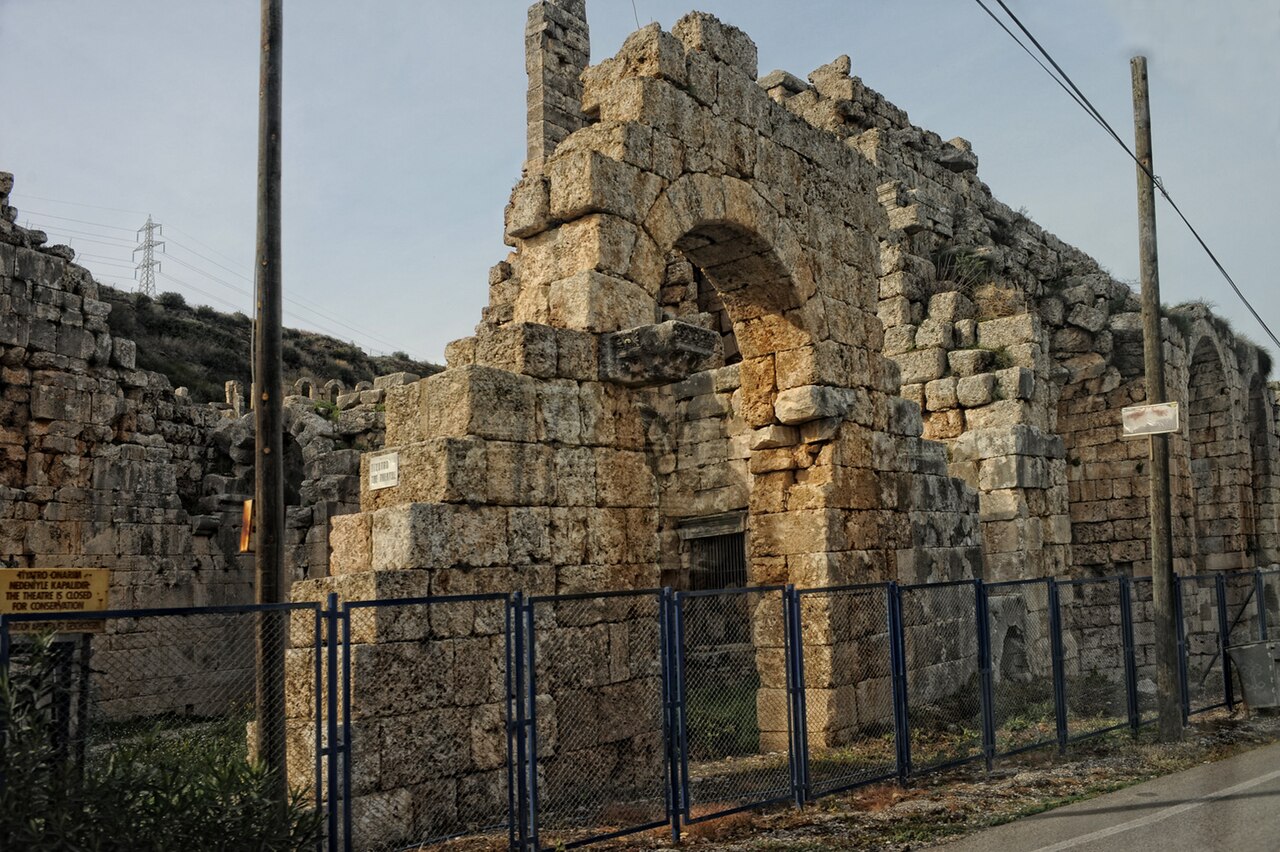
Perge is an open-air archaeological destination, so season and time of day affect comfort. Spring and autumn are generally more forgiving for walking among exposed ruins, while summer visits are easier in the cooler part of the day. Morning light can reveal the theatre’s depth and masonry without the strongest midday glare; late afternoon can add pronounced shadows across the stone. Heat matters particularly when the theatre is combined with Perge’s broad open spaces, where shade is limited. A cooler visit also makes the walking route between the theatre and the other monuments easier to manage.
Checked 2026-08-26 · Source
The theatre belongs to the Perge archaeological site and should be treated as part of the wider ancient-city visit, not as a separately priced attraction. No admission amount is recorded from an operator or responsible public body for this place, so this guide does not state a ticket price or suggest that entry is free. Any ticketing arrangement is therefore outside the confirmed practical information available for this record. The theatre should not be planned as an independently ticketed stop separate from the archaeological site.
Checked 2026-08-26 · Source
Perge is approximately 17 kilometres east of central Antalya, near the Aksu district. The site can be reached by road from Antalya, with the final journey time depending on the departure point and traffic. Public transport serving the Perge area may help independent visitors, while organised tours from Antalya commonly include the ancient city in a day’s programme. If driving, follow current road directions towards the entrance, where parking is available nearby. Route conditions and transport schedules can change, so the practical journey depends on the day and starting point.
Checked 2026-08-26 · Source
Treat the theatre as an exposed archaeological monument, not as a modern venue. Uneven ground, loose stones, steps, slopes and weathered edges can make the route tiring, especially for children, older visitors or anyone unsteady on their feet. Wear shoes with reliable grip and carry water in hot weather. Stay on permitted paths, respect barriers and do not climb fragile masonry. Strong sun can make the wider Perge circuit demanding, so plan the visit around your stamina and conditions. The open layout also means that visitors should expect little shelter while moving between monuments.
Checked 2026-08-26 · Source

Photograph the theatre from viewpoints that show the relationship between the curved seating, orchestra and stage building. A wide composition communicates the monument’s scale, while closer views of joints, blocks and weathered surfaces bring out architectural detail. Early or late light helps separate the tiers and creates texture across the stone; midday light is harsher and flatter. Protect equipment from dust and heat, and follow any site rules concerning restricted areas or aerial photography. Including the surrounding archaeological landscape in a wider frame helps distinguish Perge’s theatre from an isolated ruin.
Checked 2026-08-26 · Source
It is an open-air archaeological monument, so visitors should expect direct sun and changing weather while walking around the theatre and the wider Perge site.
The theatre is part of the wider Perge archaeological site, whose monuments are experienced together as one ancient-city landscape. A theatre-only visit would miss much of the setting that gives it meaning.
Organised tours from Antalya may include Perge, but a specific guiding service at the theatre is not confirmed for this place.
The ancient terrain includes uneven surfaces, steps and slopes, which can make movement difficult for visitors with mobility limitations.
Both are Roman theatres in the Antalya region, but they offer different experiences. Aspendos is especially known for the preservation of its theatre structure, while Perge’s theatre is encountered as one monument within the larger ancient city.
The theatre is an archaeological stop within an open ancient-city site. Visitors planning a longer visit should arrange food and shopping separately from the monument circuit.
Loading the interactive map…
The interactive map could not be loaded.
Last updated:
Source: OpenStreetMap contributors, Wikidata ·