


.jpg)
2 min walk
Phaselis
- Must see
- Historic monument
Historic monument · Antalya
Theater
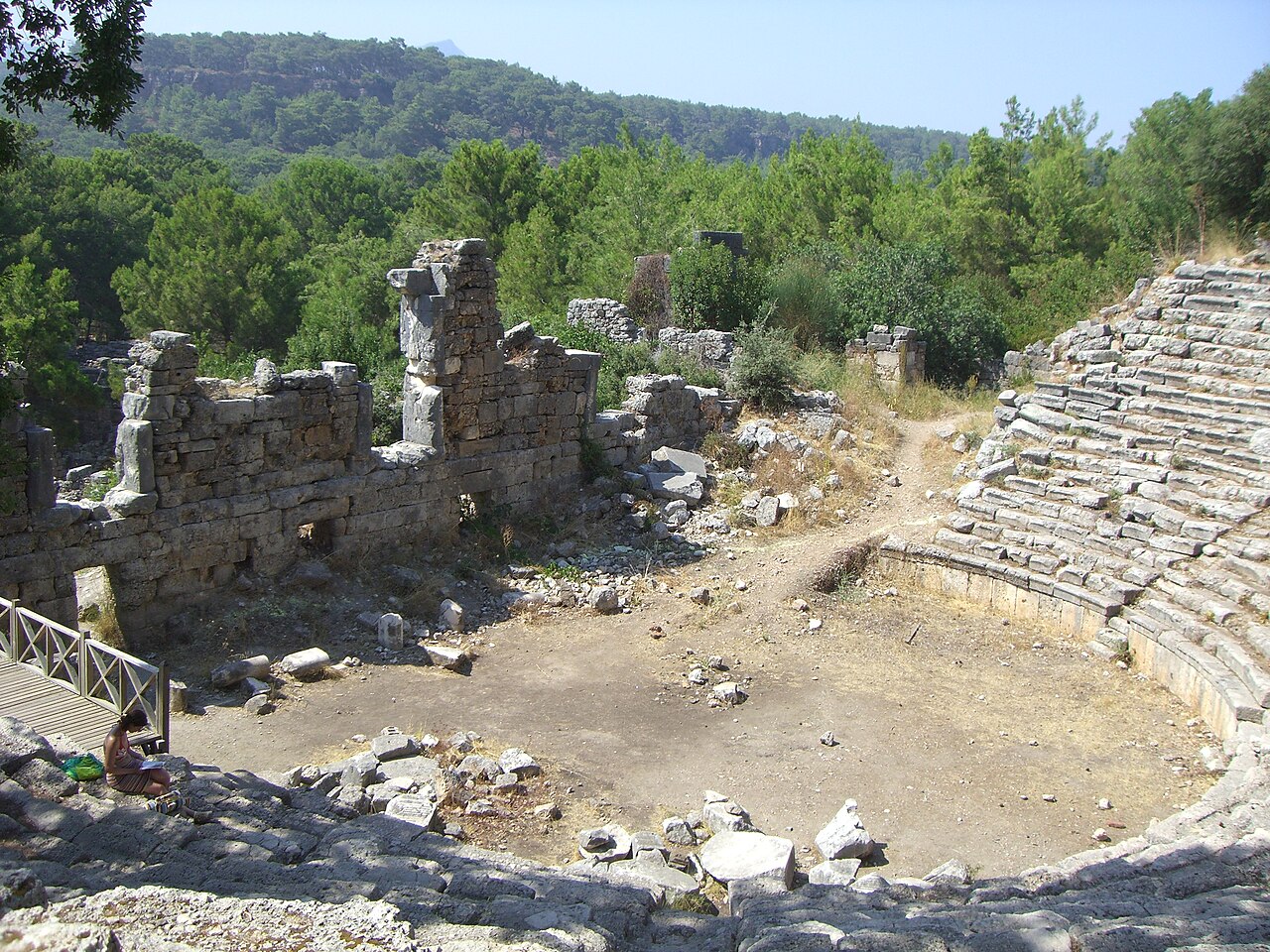
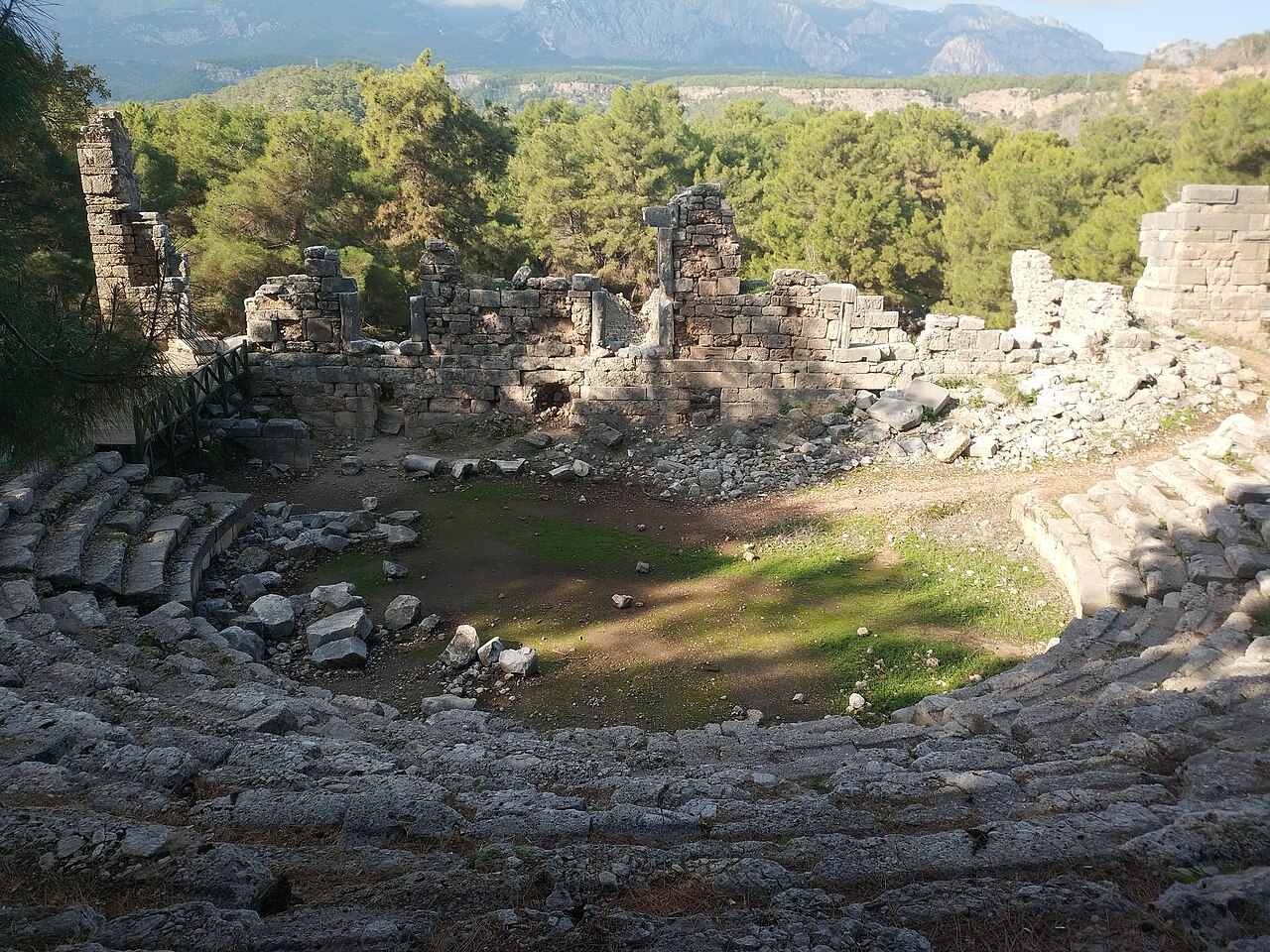
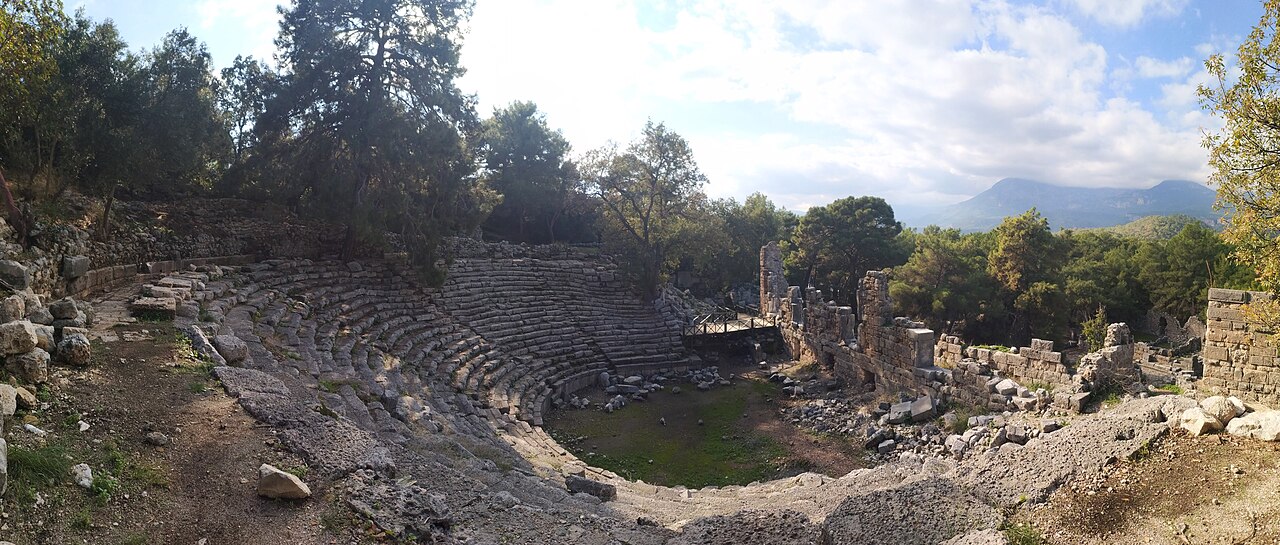
The Roman theatre of Phaselis is an ancient performance venue located within the archaeological site of Phaselis on the Mediterranean coast near Antalya. Phaselis was a major Lycian port city with three harbours, and the theatre forms part of its extensive ruins. The structure dates to the Roman period and sits on the hillside overlooking the ancient agora. The site lies within a national park setting with pine forests extending to the shoreline. Visitors encounter remains of a once-thriving commercial and cultural centre that served maritime trade routes across the ancient Mediterranean world. The site presents significant challenges due to uneven stone surfaces, moderate slopes, and lack of modern accessibility infrastructure. The cavea seating requires climbing irregular steps. Visitors with mobility concerns should assess conditions carefully.
Checked 2026-08-26 · Source
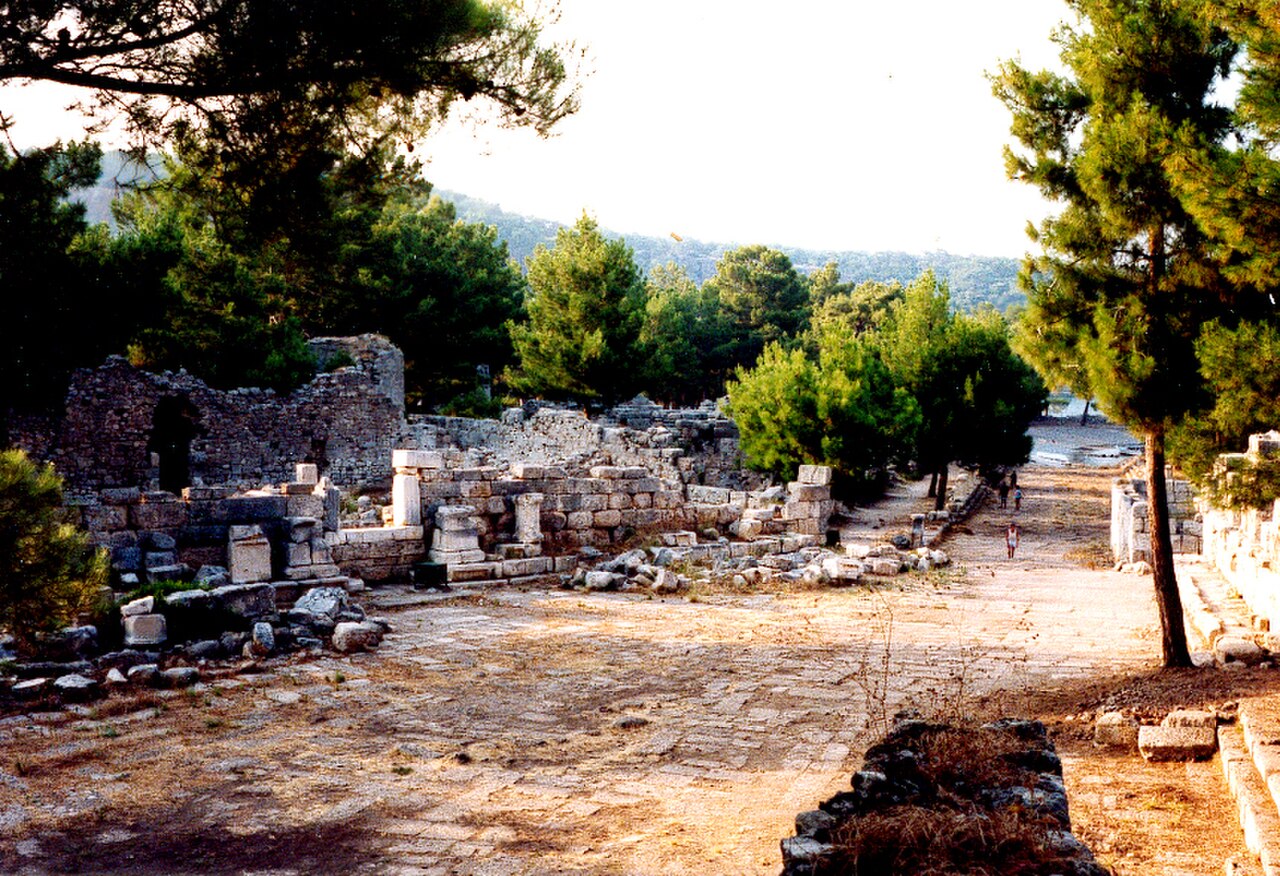
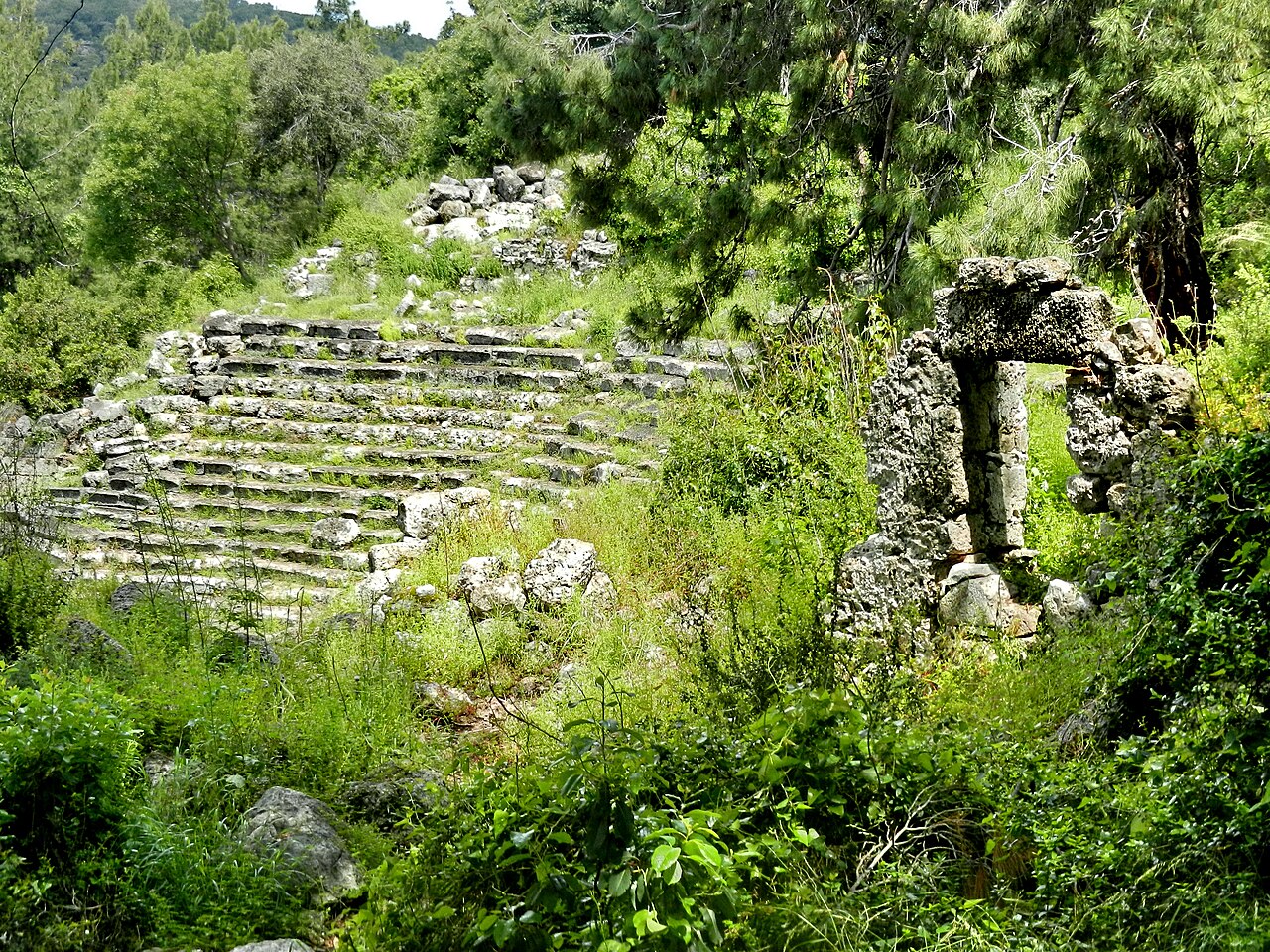
The theatre follows the typical Roman semicircular design with a cavea of stone seating rows ascending the slope. The orchestra area and stage building foundations remain visible, though much of the original superstructure has collapsed or been removed over centuries. Surrounding the theatre, visitors find the broader Phaselis archaeological zone including agora remains, bath complexes, defensive walls, and harbour installations. The combination of ancient ruins with coastal scenery creates a distinctive atmosphere. Pine trees grow among the stones, and the nearby beaches allow swimming within sight of the archaeological remains, making this a mixed heritage and recreational destination.
Checked 2026-08-26 · Source
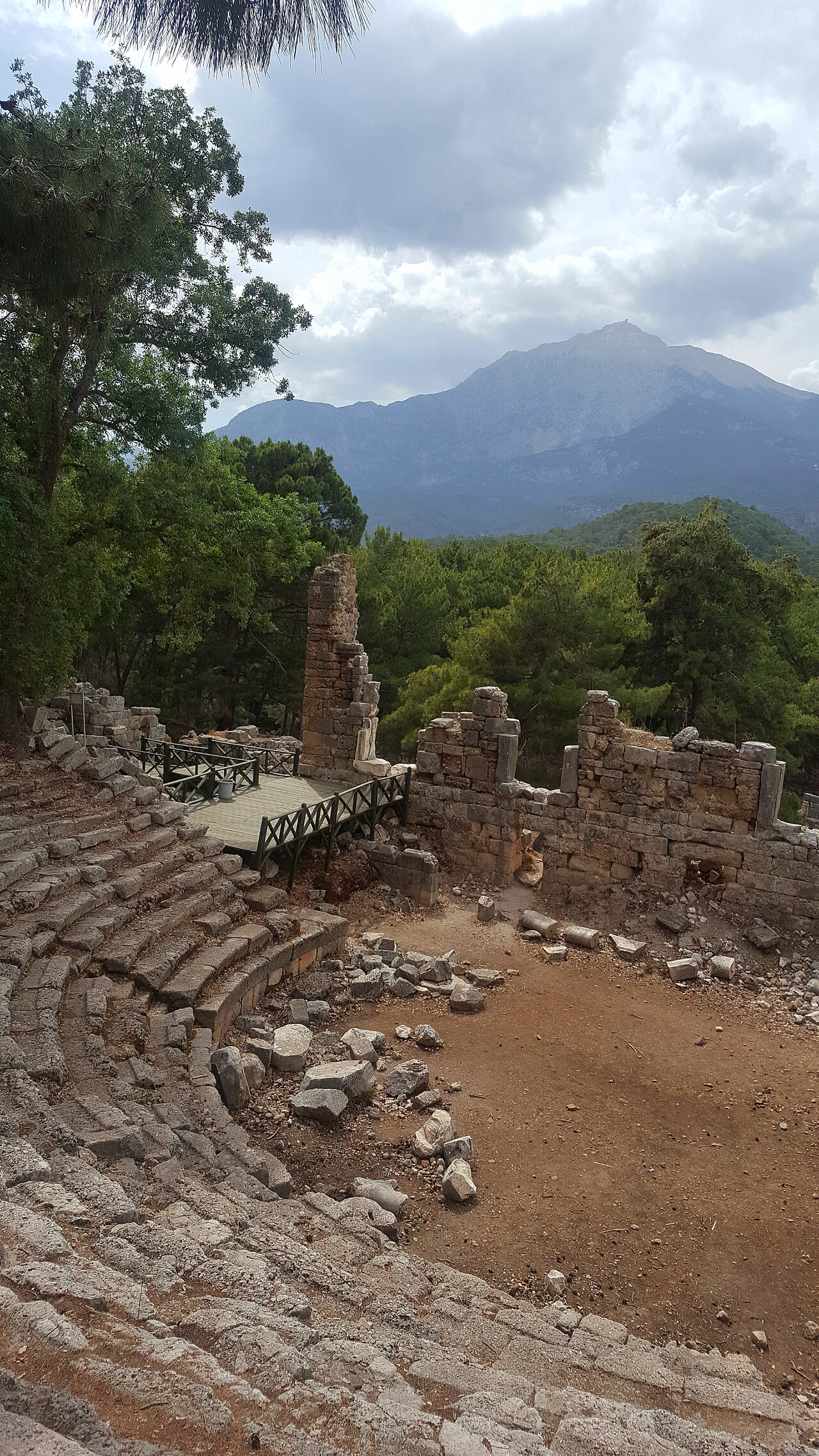
A thorough visit to the theatre itself requires approximately thirty to forty-five minutes for examination of the seating, orchestra, and stage area. Most visitors combine this with exploration of the wider Phaselis site, extending total duration to two or three hours. Those wishing to swim at the adjacent beaches or walk between the three ancient harbours should allocate half a day. The terrain involves uneven stone surfaces and moderate slopes around the theatre cavea, necessitating sturdy footwear. Photography enthusiasts and those interested in ancient construction techniques may spend additional time studying architectural details.
Checked 2026-08-26 · Source
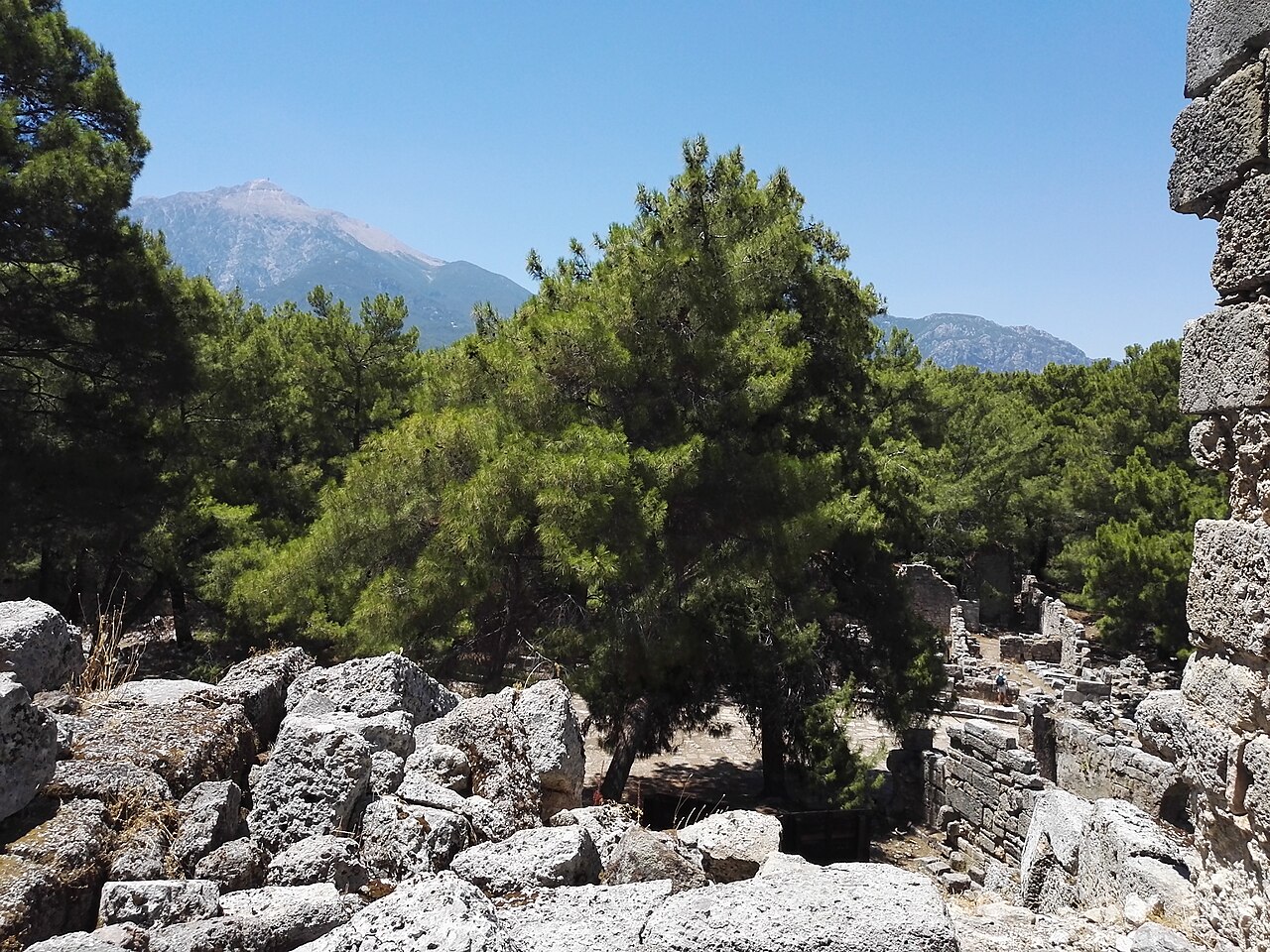
The Mediterranean climate brings hot, dry summers and mild, wet winters to the Antalya region. Spring and autumn offer more comfortable temperatures for walking the exposed archaeological site. Midday summer heat can be intense with limited shade over the theatre seating area. Morning visits avoid peak temperatures and encounter fewer visitors. Sea breezes provide some relief near the harbours. Visitors should verify current opening times through official channels before travelling, as seasonal variations and maintenance schedules may affect access to the archaeological zone.
Checked 2026-08-26 · Source
Access to Phaselis typically requires payment of an entrance fee for the archaeological site, which includes the theatre among its monuments. Visitors should confirm current admission costs through official Turkish tourism channels or on-site signage. The national park status may involve separate or combined ticketing arrangements. Cash payment in Turkish lira is standard at most archaeological sites in the region.
Checked 2026-08-26 · Source
Phaselis lies approximately fifty to sixty kilometres southwest of Antalya city centre along the D400 coastal highway toward Kemer. Public buses serve the main road, requiring a walk of roughly one kilometre to the site entrance. Organised tours from Antalya and Kemer frequently include Phaselis in their itineraries. Private vehicles can access parking near the entrance, though spaces may fill during peak season. The final approach to the theatre from the entrance involves walking through the ancient city remains along paths of varying condition. Water taxis occasionally connect the harbours during summer months.
Checked 2026-08-26 · Source
The stone surfaces throughout the theatre and surrounding ruins become extremely slippery when wet and remain uneven in all conditions. Steep drops exist at the upper cavea edges without protective barriers. Summer heat demands adequate water, sun protection, and head covering due to limited shade. Swimming near archaeological remains requires awareness of submerged stones and changing water conditions. The site has minimal permanent facilities; visitors should carry supplies. Mobile phone coverage may be intermittent in the coastal park area. Informal path routes can confuse visitors attempting to locate specific monuments within the extensive ruin field.
Checked 2026-08-26 · Source
The theatre offers strong photographic potential combining ancient stonework with Mediterranean seascapes. Morning light illuminates the cavea from the east, while late afternoon creates dramatic shadows across the seating rows. The stage building area frames harbour views effectively. Wide-angle lenses accommodate the full semicircle from the orchestra centre. Drone operation requires awareness of national park regulations and potential restrictions near archaeological sites. Tripods may attract attention during busy periods. The juxtaposition of pine forest, ancient stone, and turquoise water provides distinctive compositions unavailable at inland archaeological locations. Underwater photography near the ancient harbour remains presents technical challenges.
Checked 2026-08-26 · Source
The site presents significant challenges due to uneven stone surfaces, moderate slopes, and lack of modern accessibility infrastructure. The cavea seating requires climbing irregular steps. Visitors with mobility concerns should assess conditions carefully.
Swimming is possible at beaches adjacent to the archaeological site, including near the ancient harbours. Visitors should exercise caution regarding submerged stones, marine traffic, and changing conditions.
Guided tours from Antalya and Kemer regularly include Phaselis. Self-guided exploration with reference materials is common.
Sturdy footwear, sun protection, drinking water, and snacks are essential. Shade is limited and on-site facilities are minimal. Swimming gear is optional for those using the beaches.
Visitors should bring provisions or plan to eat in nearby towns such as Tekirova or Kemer.
The Phaselis theatre is smaller and less restored than Aspendos or Perge. Its distinctive value lies in the coastal setting among pine forests with harbour views, offering a different atmosphere from inland alternatives.
Loading the interactive map…
The interactive map could not be loaded.

Last updated:
Source: OpenStreetMap contributors, Wikidata ·