
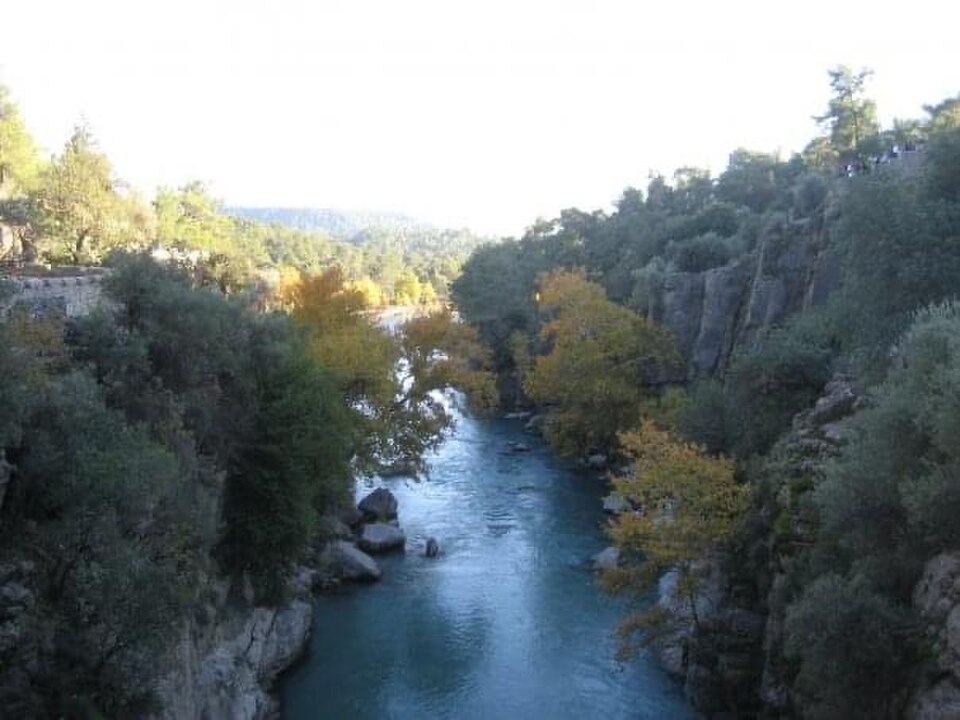
62 min walk
Köprülü Canyon National Park
- Must see
- Nature site
Language · 11 published
Historic monument · Antalya
Reviewed by Elena Voss · Roavina Travel Editor
This place is a Attraction.
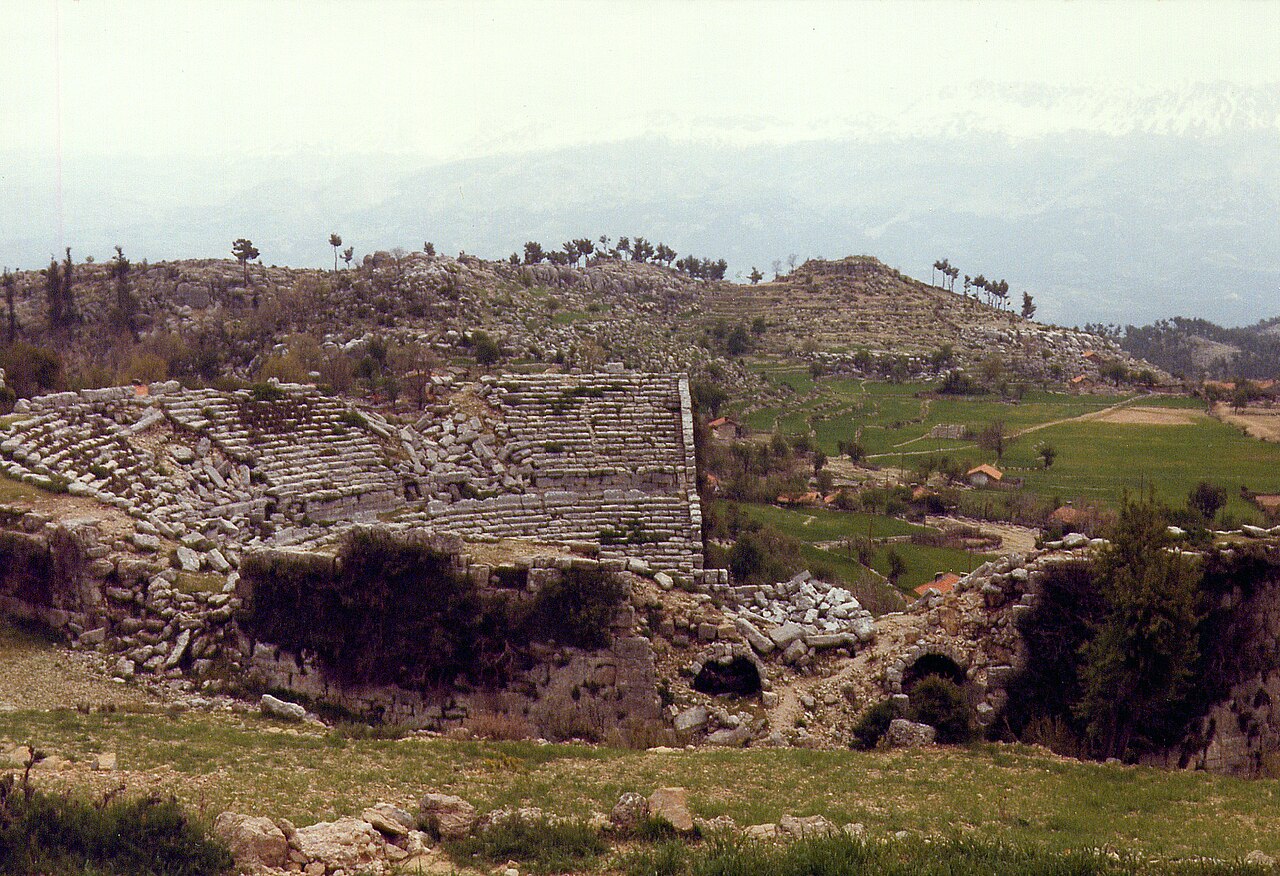
Selge is an ancient Pisidian city situated in the Taurus Mountains north of Antalya. Founded by Greek colonists, it developed into a significant mountain stronghold in classical antiquity. The site occupies a dramatic natural setting on a plateau with steep slopes providing natural defense. Selge is recognized as a visitor-relevant point of interest within Antalya's tourism portfolio, matched precisely to the production city pool with coordinates copied without approximation. Selge also earns time in a antalya itinerary because A visitor-relevant POI matched exactly to the production city pool; stored identity, local name and coordinates were copied without approximation. Its value becomes clearer when the stop is compared with the surrounding streets and the other ranked places nearby.
Checked 2026-08-26
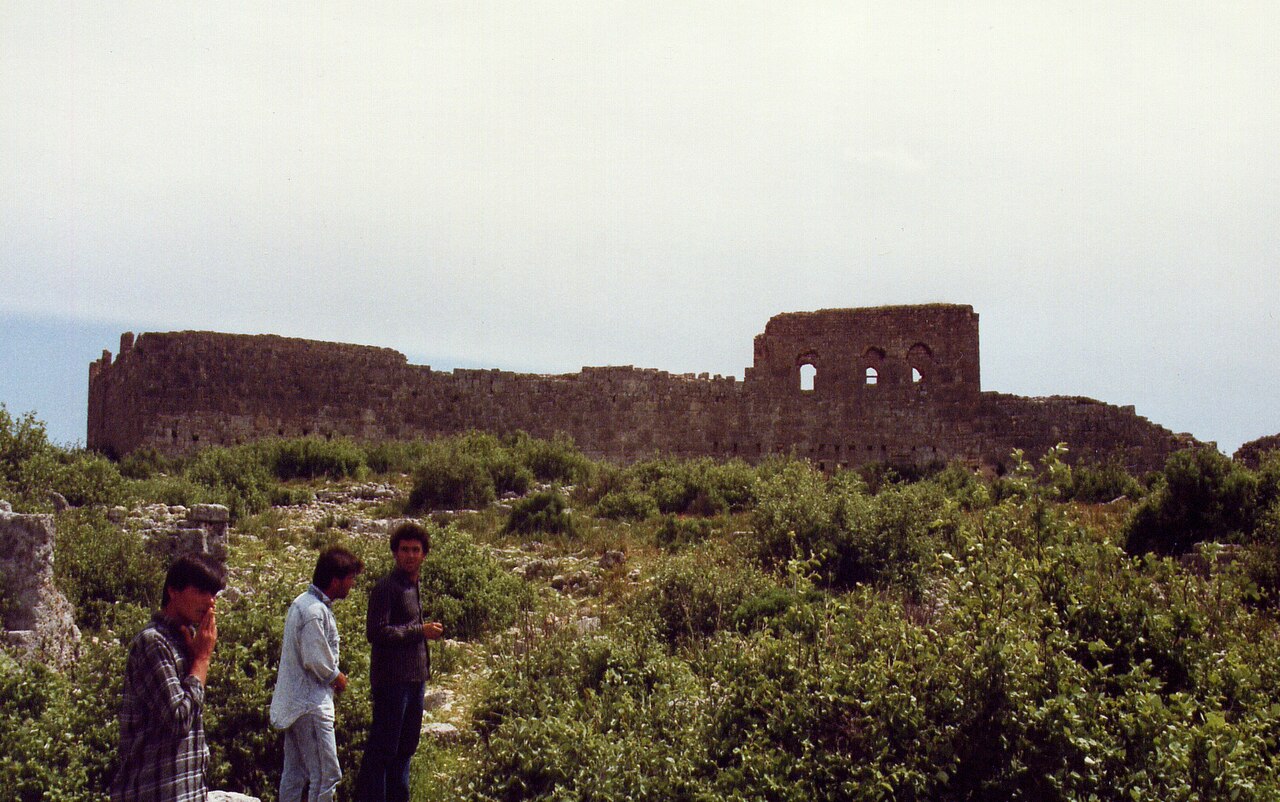
The archaeological remains at Selge include substantial vestiges of its ancient urban fabric. Visitors can observe remnants of the city's fortification walls, theatre, stadium, and temple structures scattered across the mountainside location. The settlement's layout reflects its adaptation to challenging topography. Stone construction survives in various states of preservation throughout the site. The natural surroundings of pine forest and mountain scenery complement the archaeological interest, creating a destination that combines historical exploration with dramatic landscape. A flexible visit lets travellers connect Selge with the rest of the day without treating one room, viewpoint or photograph as the whole experience. The useful pace depends on personal interest and conditions on arrival.
Checked 2026-08-26
A thorough visit to Selge requires careful planning due to its remote mountain location. Most visitors allocate a half-day to full-day excursion from Antalya, accounting for substantial driving time on mountain roads. The actual archaeological site demands several hours of walking on uneven terrain to appreciate its extent. Physical fitness is essential given the elevation and rugged ground conditions. Combining Selge with other regional attractions may extend the itinerary, though this depends on individual pacing and interest in detailed archaeological examination.
Checked 2026-08-26
The mountain location of Selge offers cooler temperatures than coastal Antalya during summer months, potentially making this season preferable for the strenuous access. Spring and autumn provide moderate conditions for hiking and exploration. Winter visits may encounter snow or ice on mountain roads, creating access difficulties. Visitors should verify current accessibility before departure, as mountain weather can change rapidly and local road conditions may affect feasibility regardless of season. Check the operator's own site for the travel date before relying on a schedule or fare.
Checked 2026-08-26
Admission arrangements for Selge are Not recorded pending review. As an archaeological site without extensive modern visitor infrastructure, formal ticketing may differ from major museum complexes. Visitors should anticipate that facilities such as restrooms, refreshments, or informational signage may be minimal or absent. Cash in local currency is advisable for any on-site payments. The remote location means that banking services, ATMs, or card payment options are unlikely to be available nearby, requiring advance preparation for all anticipated expenses.
Checked 2026-08-26
Selge lies approximately 80 kilometers north of Antalya city center, accessible via Köprülü Canyon direction. The final approach involves narrow, winding mountain roads requiring confident driving skills and appropriate vehicle. Public transportation options appear limited to nonexistent for the final segment. Organized tours from Antalya may include Selge within broader regional itineraries. Self-driving visitors should ensure adequate fuel, as mountain routes offer no services. Journey time substantially exceeds distance due to road conditions, demanding realistic scheduling and daylight consideration for return travel.
Checked 2026-08-26
The mountain environment presents genuine hazards requiring visitor vigilance. Steep drops occur throughout the archaeological site without protective barriers. Loose stone and uneven surfaces create slip and trip risks. Remote location means limited or absent mobile phone coverage, complicating emergency communication. Weather can deteriorate rapidly with fog or storms. Vehicle reliability is essential given isolation. No medical facilities exist nearby. Visitors should carry water, food, sun protection, and appropriate footwear. Informing others of intended return time represents prudent practice given the area's isolation from regular tourist monitoring.
Checked 2026-08-26
Selge offers exceptional photographic potential combining ancient ruins with dramatic mountain scenery. Early and late daylight enhances the theatrical topography and stone textures. The theatre and stadium provide classical architectural subjects, while panoramic viewpoints capture the settlement's strategic position. Pine forest frames many compositions naturally. The lack of crowds permits unhurried photography without visitor interference. Drone operation should follow Turkish aviation regulations. Weather changes create varied atmospheric conditions. Battery conservation matters without charging facilities. The challenging terrain demands secure equipment carrying to prevent damage or loss on steep slopes.
Checked 2026-08-26
The steep, uneven terrain and remote location make Selge challenging for young children and those with limited mobility. Cautious visitor judgement suggests assessing individual fitness and sure-footedness before attempting the site.
Formal on-site guiding services are Not recorded pending review. Visitors may arrange private guides from Antalya or explore independently with advance research on the site's history and layout.
Sturdy hiking boots with ankle support are essential. Layered clothing accommodates mountain temperature variations. Sun protection and rain gear are advisable given exposure and changeable weather.
Geographical proximity makes combined visits theoretically possible, though mountain driving demands realistic time allocation. Rushing either destination compromises safety and experience quality.
On-site or immediate proximity accommodation is Not recorded pending review. Most visitors base in Antalya or coastal towns, accepting the driving commitment for mountain excursions.
The final mountain approach involves narrow, winding surfaces. Cautious visitor judgement suggests confirming current conditions locally and ensuring adequate vehicle clearance and driver confidence for unpaved or poorly maintained sections.
Loading the interactive map…
The interactive map could not be loaded.

Last updated:
Source: OpenStreetMap contributors, Wikidata ·