
3 min walk · Fatih
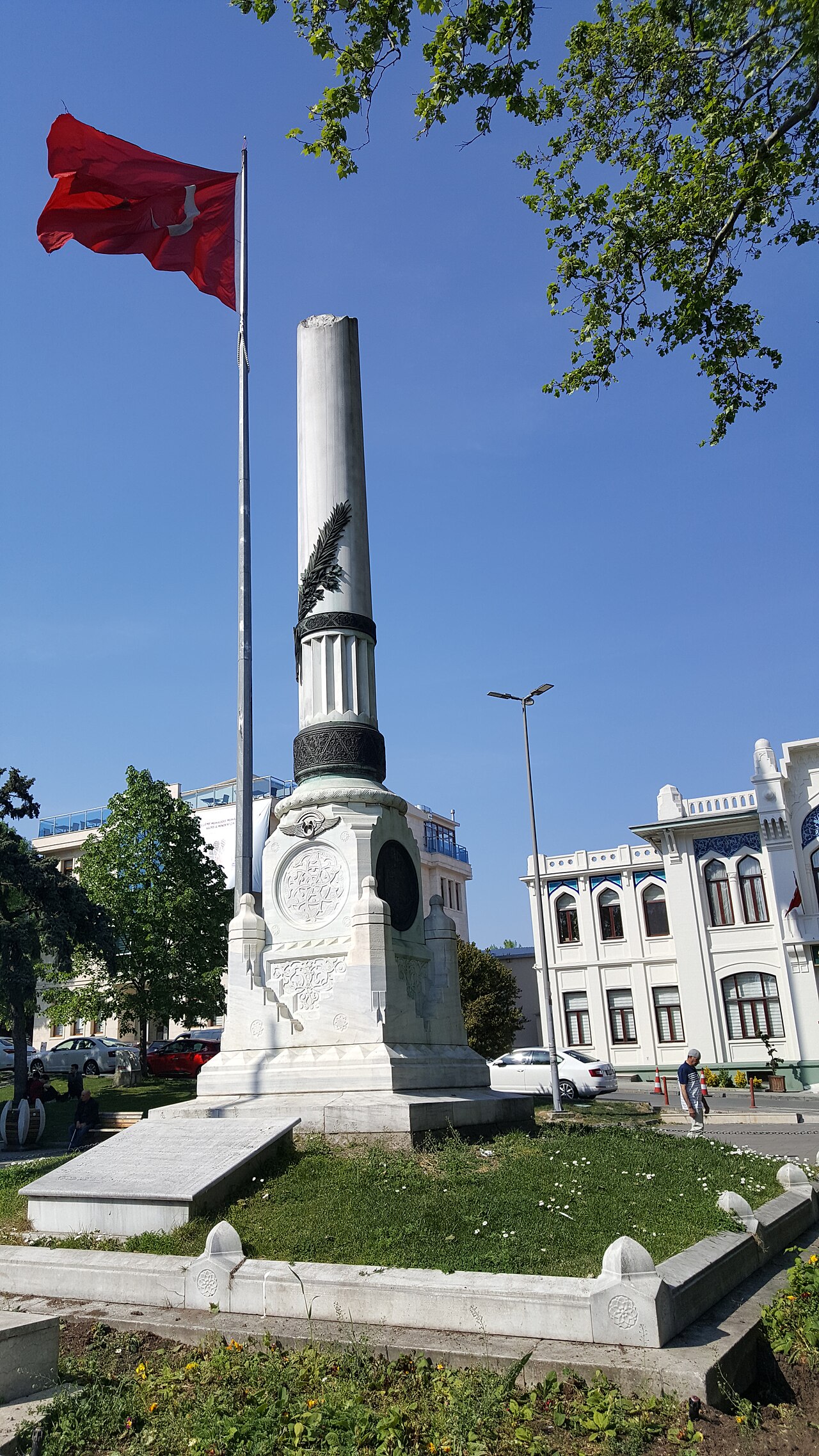
Aviation Martyrs' Monument
- Notable
- Historic monument
Historic monument · Fatih, Istanbul
Ayios Polieuktos Kilisesi
| Monday | 09:00 – 17:00 |
|---|---|
| Tuesday | 09:00 – 17:00 |
| Wednesday | 09:00 – 17:00 |
| Thursday | 09:00 – 17:00 |
| Friday | 09:00 – 17:00 |
| Saturday | 09:00 – 17:00 |
| Sunday | 09:00 – 17:00 |
Checked 2026-08-31 · Source
| Per person | TRY 0.00 |
|---|
Checked 2026-08-31 · Source
Read from the OpenStreetMap access tags; anything not listed has no tag recorded.
Set the group type to family in the planner and the day window contracts to about three quarters of a solo day.
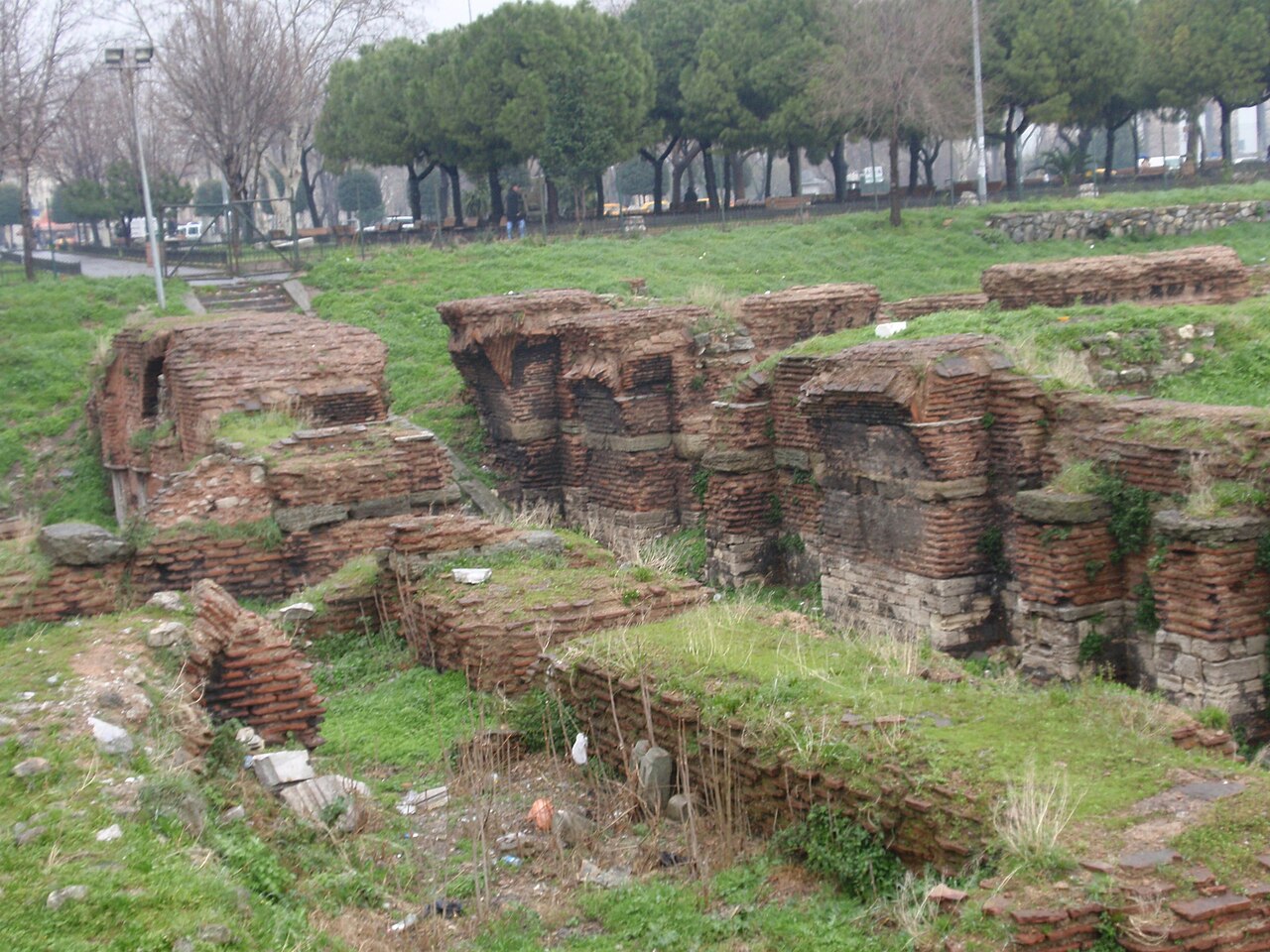
For a few years in the sixth century this was the largest church in Constantinople, and it was built by a woman making a point. Anicia Juliana, descended from Western Roman emperors and outranking the reigning house in blood if not in power, raised St Polyeuctus between 524 and 527, during the reign of Justin I, on the site of an earlier church built by her great-grandmother Eudocia. Two epigrams totalling seventy-six lines were inscribed on its walls and survive in the Anthologia Graeca. The Saraçhane archaeological remains sit in public park space with continuous outdoor access; conservation works can fence individual areas. Paved park approaches are step-free, but excavated masonry, grass, kerbs and protected ruin edges are uneven. The Saraçhane archaeological remains sit in public park space with continuous outdoor access; conservation works can fence individual areas. Base public or worship access is free. Accessibility is LIMITED: Paved park approaches are step-free, but excavated masonry, grass, kerbs and protected ruin edges are uneven. Use Vezneciler M2 or buses to İstanbul Büyükşehir Belediyesi/Saraçhane; the ruins are in Saraçhane Archaeology Park beside Atatürk Boulevard. Religious services, conservation, ceremonies, weather or dated operator notices can alter ordinary access. Follow barriers, staff directions and heritage-protection rules. The Saraçhane archaeological remains sit in public park space with
Checked 2026-08-31 · Source
Nothing, in the ordinary sense. What survives at Sarachane is a foundation plan and a scatter of carved marble, and the reason the site matters is what those foundations imply. Martin Harrison reconstructed a roughly square basilica about fifty-two metres on a side, nave and two aisles, with foundations strong enough to argue for a dome standing over thirty metres high. Two walls each eight metres thick and eight metres deep are part of that argument. An underpass ran from beneath the narthex to a crypt under the altar. Base public or worship access is free. Use Vezneciler M2 or buses to İstanbul Büyükşehir Belediyesi/Saraçhane; the ruins are in Saraçhane Archaeology Park beside Atatürk Boulevard.
Checked 2026-08-31 · Source
Twenty minutes, and that is a full and unhurried twenty. The excavation is largely fenced and read from the perimeter rather than entered, so the visit is a circuit of the railing, a look down into the substructure, and the interpretive panels. There is no interior to walk and no route to follow. Anyone who has read about the church beforehand gets far more out of those twenty minutes than anyone who arrives cold, because almost everything interesting here is inference rather than sight. Accessibility is LIMITED: Paved park approaches are step-free, but excavated masonry, grass, kerbs and protected ruin edges are uneven.
Checked 2026-08-31 · Source
The Saraçhane archaeological remains sit in public park space with continuous outdoor access; conservation works can fence individual areas. Worship, weather, restoration and events can replace ordinary access. Use Vezneciler M2 or buses to İstanbul Büyükşehir Belediyesi/Saraçhane; the ruins are in Saraçhane Archaeology Park beside Atatürk Boulevard.
Checked 2026-08-31 · Source
General public or worship access is free; independently operated activities can cost extra. The base amount and currency follow the operator tariff; premium products and separate institutions remain excluded unless named. Religious services, conservation, ceremonies, weather or dated operator notices can alter ordinary access.
Checked 2026-08-31 · Source
Use Vezneciler M2 or buses to İstanbul Büyükşehir Belediyesi/Saraçhane; the ruins are in Saraçhane Archaeology Park beside Atatürk Boulevard. Use the named entrance or stop because hills, security and historic streets change the approach. Follow barriers, staff directions and heritage-protection rules.
Checked 2026-08-31 · Source
Paved park approaches are step-free, but excavated masonry, grass, kerbs and protected ruin edges are uneven. The Saraçhane archaeological remains sit in public park space with continuous outdoor access; conservation works can fence individual areas. Base public or worship access is free. Accessibility is LIMITED: Paved park approaches are step-free, but excavated masonry, grass, kerbs and protected ruin edges are uneven. Historic surfaces, crowds and security remain relevant.
Checked 2026-08-31 · Source
This is a hard site to photograph well and an easy one to photograph badly. Shot flat from the fence at eye level, the foundations read as rubble. The photographs that work are the ones that get some height or some angle: from the raised ground on one side of the enclosure, looking down and across so that the plan of the church starts to resolve into lines rather than lumps. Low sun does the rest. General public or worship access is free; independently operated activities can cost extra.
Checked 2026-08-31 · Source
The Saraçhane archaeological remains sit in public park space with continuous outdoor access; conservation works can fence individual areas.
Base public or worship access is free.
Accessibility is LIMITED: Paved park approaches are step-free, but excavated masonry, grass, kerbs and protected ruin edges are uneven.
Use Vezneciler M2 or buses to İstanbul Büyükşehir Belediyesi/Saraçhane; the ruins are in Saraçhane Archaeology Park beside Atatürk Boulevard.
Religious services, conservation, ceremonies, weather or dated operator notices can alter ordinary access.
Follow barriers, staff directions and heritage-protection rules.
Loading the interactive map…
The interactive map could not be loaded.
Last updated:
Source: OpenStreetMap contributors, Wikidata ·