Hospital Mound
Hastane Höyüğü
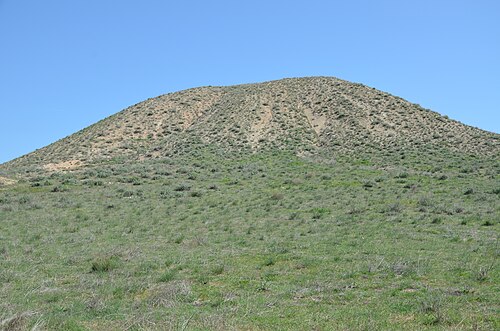
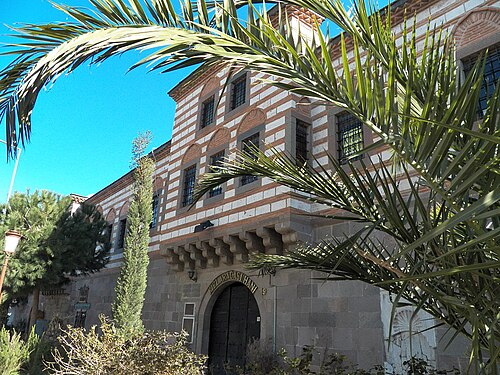
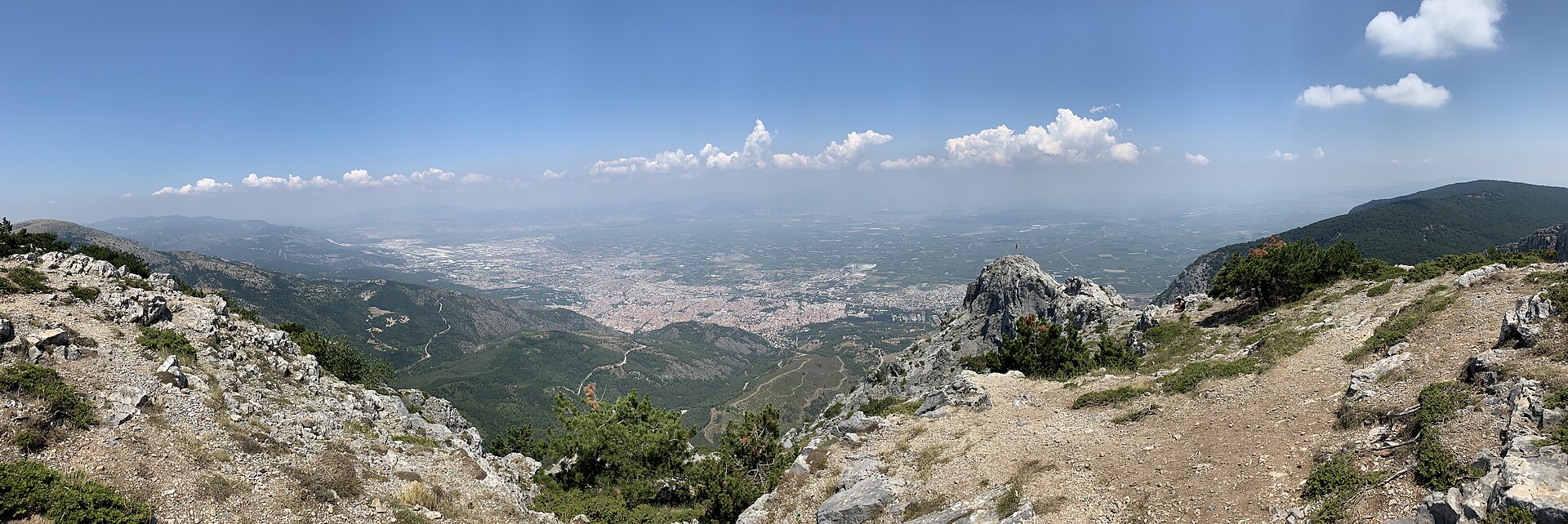
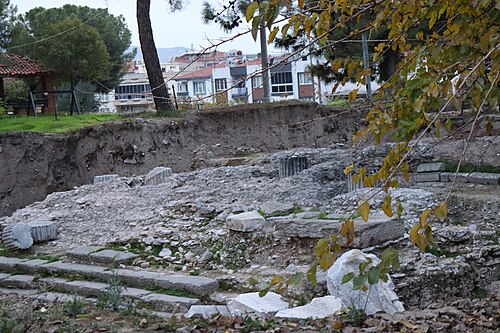
Hastane Höyüğü, the Hospital Mound, is an archaeological tell within the same site area as ancient Thyatira, in Akhisar, Manisa province.
- High
- Historic monument
- Manisa
Country guide
Türkiye is 783,562 km² across 81 provinces, most of it Anatolia in West Asia with East Thrace on the European side of the straits. It has three coasts to choose...
Photograph · Benh LIEU SONG · CC BY-SA 4.0
Reviewed by Elena Voss · Roavina Travel Editor
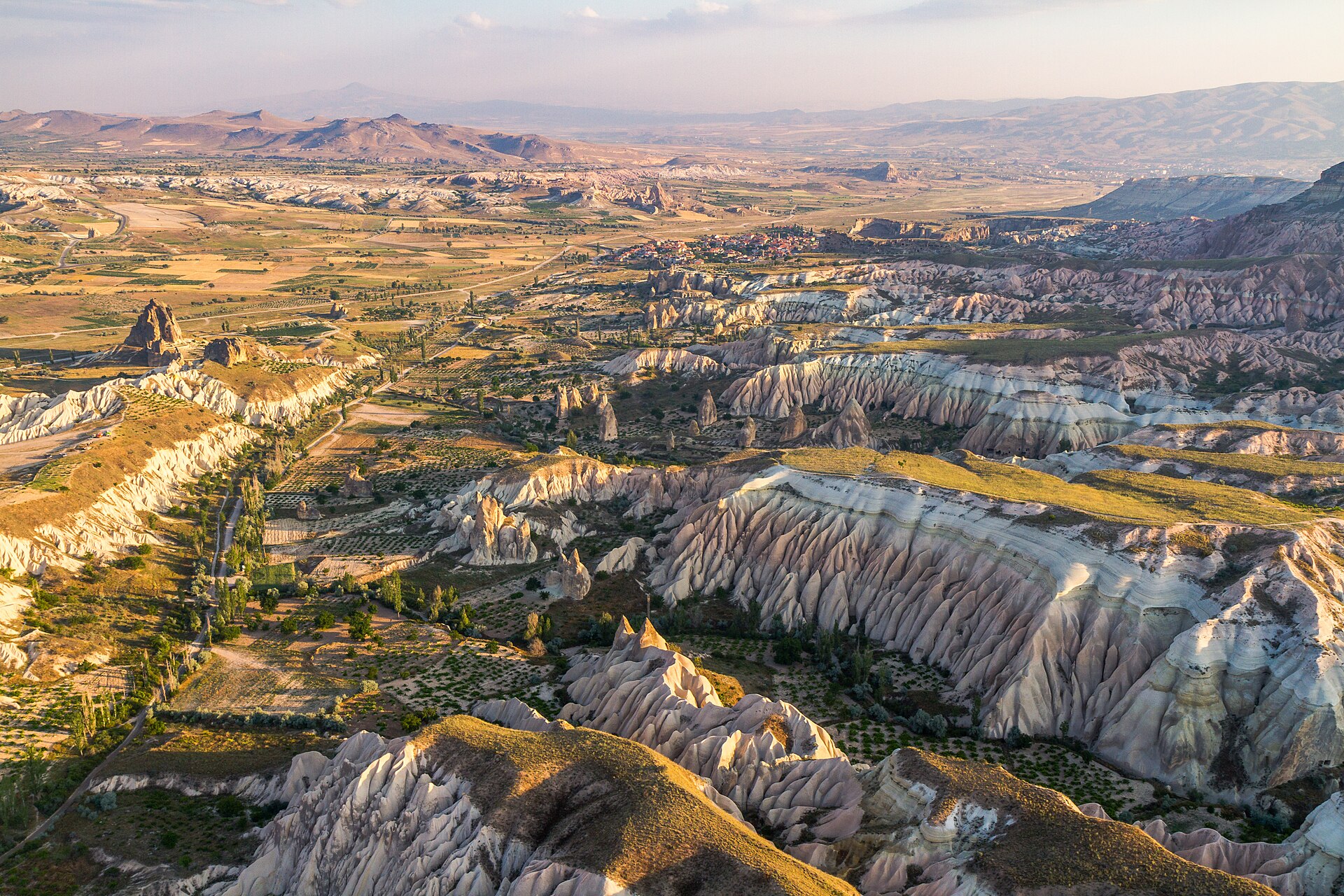
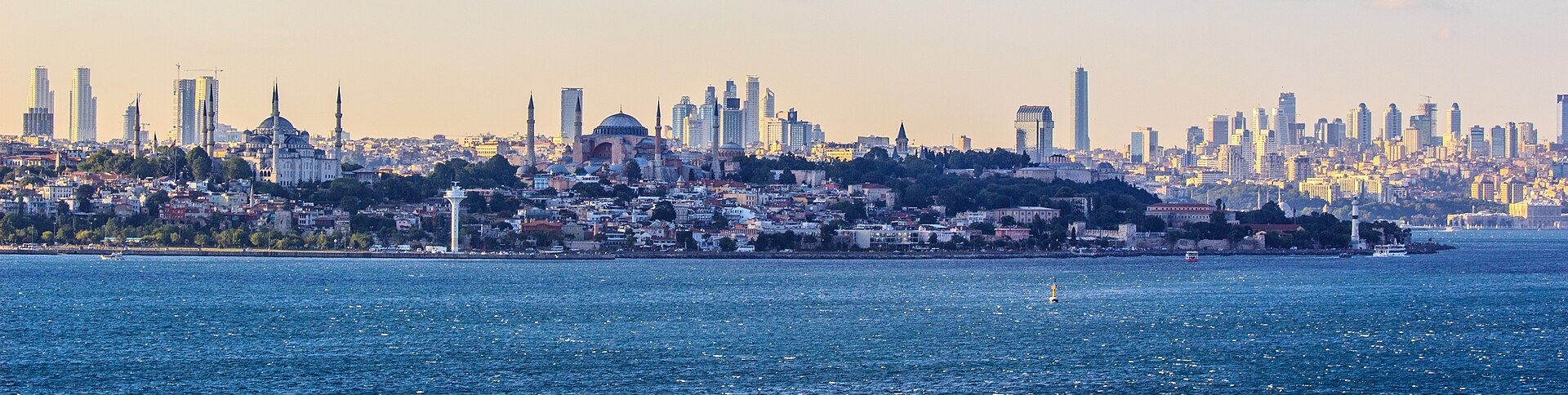
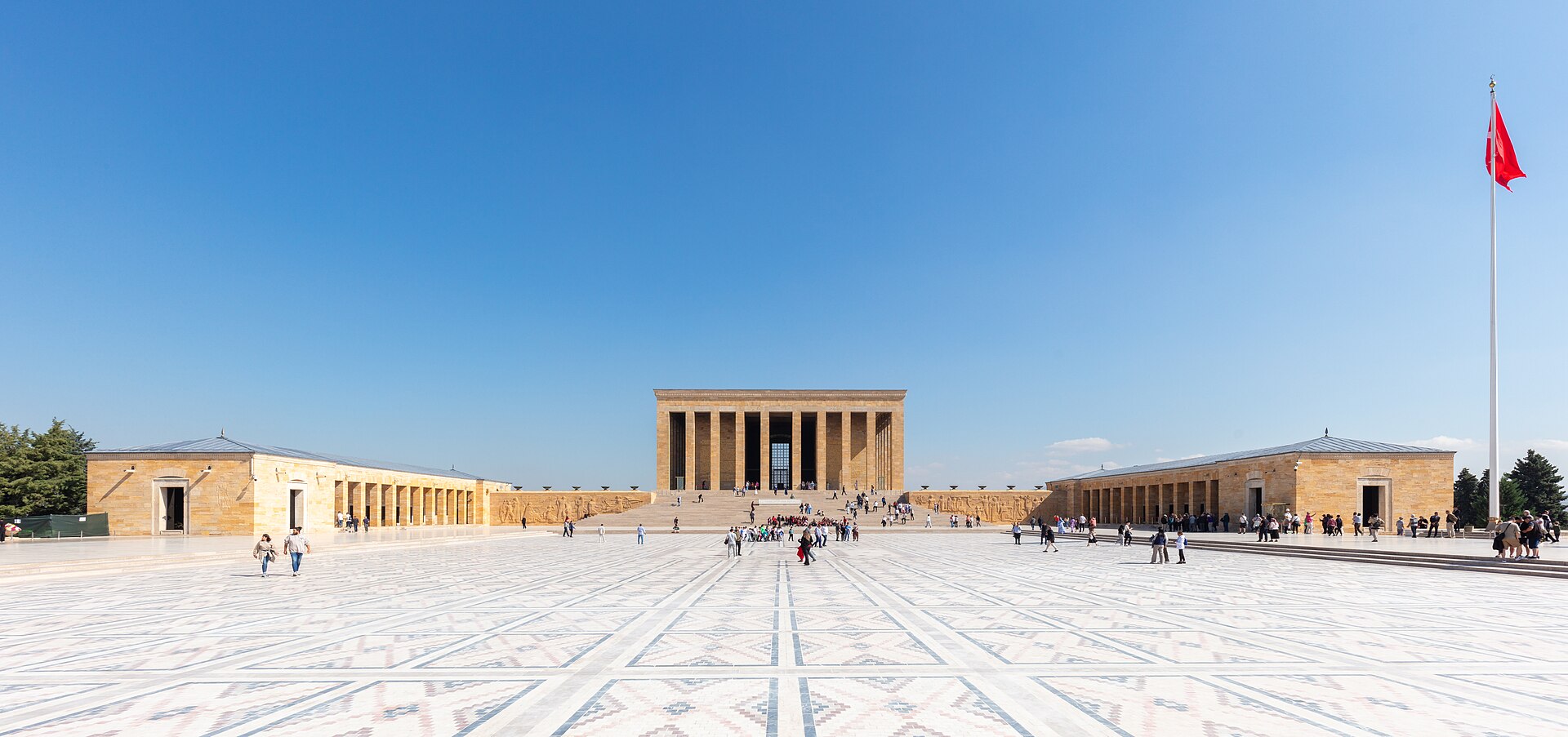
Türkiye is 783,562 km² across 81 provinces, most of it Anatolia in West Asia with East Thrace on the European side of the straits. It has three coasts to choose between — the Black Sea to the north, the Aegean to the west, the Mediterranean to the south — and an interior plateau that behaves like a different country in winter. Istanbul is the largest city and the economic centre, Ankara the capital and the second-largest, and the December 2025 population of 86,092,168 is weighted heavily to the west. A first trip is usually Istanbul and one coast; the plateau is the second trip.
Checked 2026-08-25
Every city catalogued in this country so far, ranked by how much there is to see.
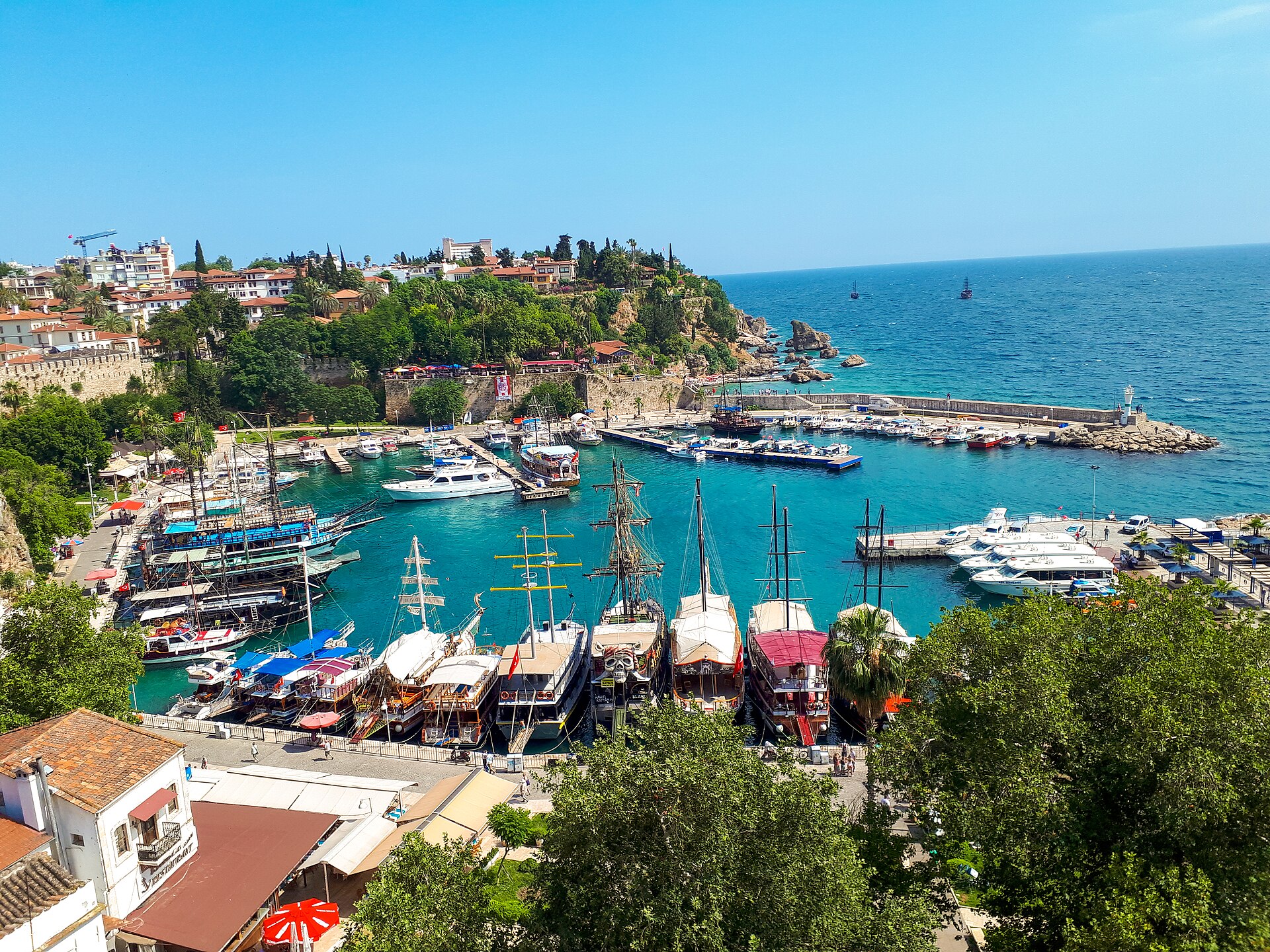
Photograph · Ben Morlok · CC BY-SA 2.0
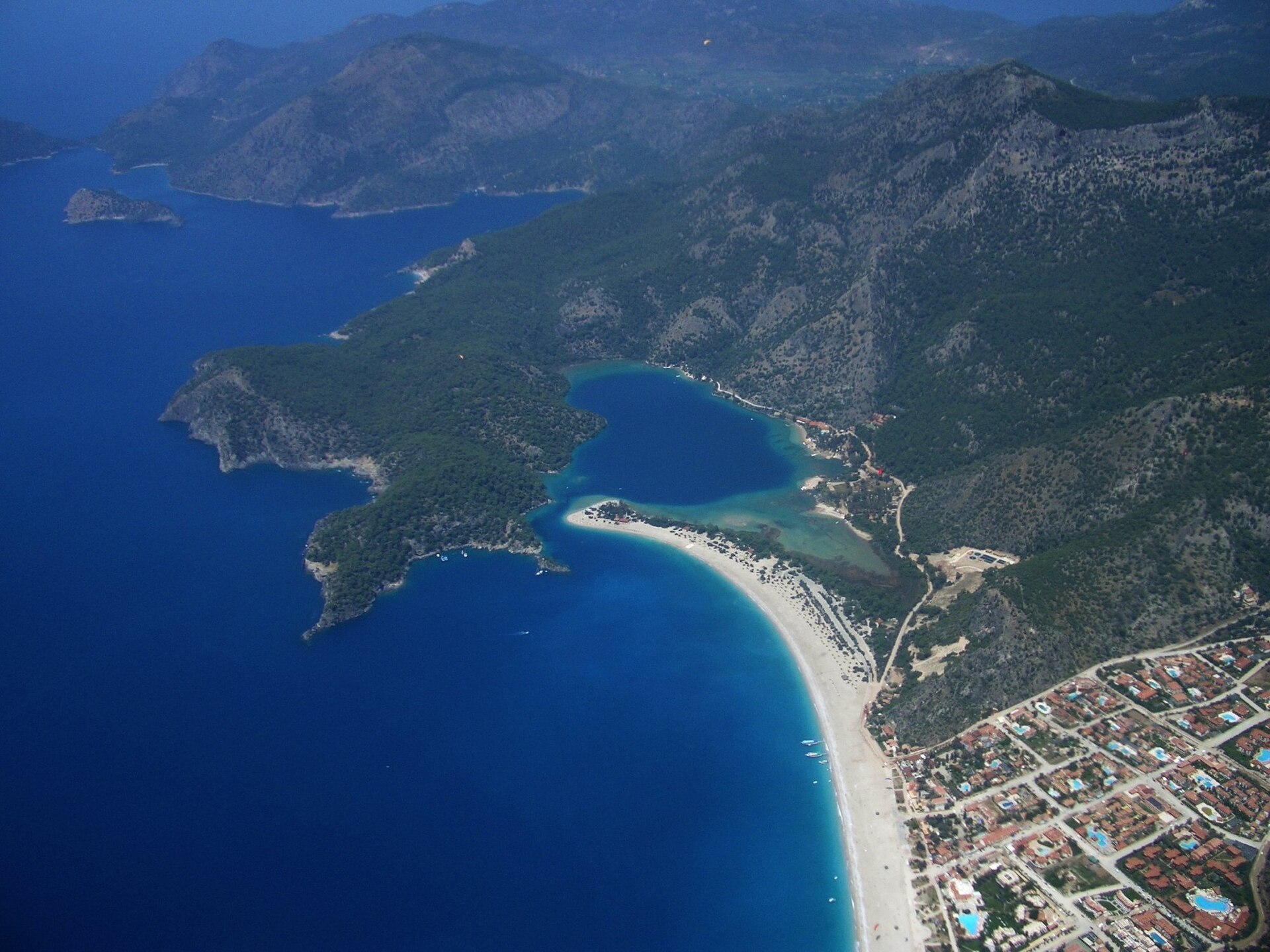
Photograph · Diego Delso · CC BY-SA 4.0
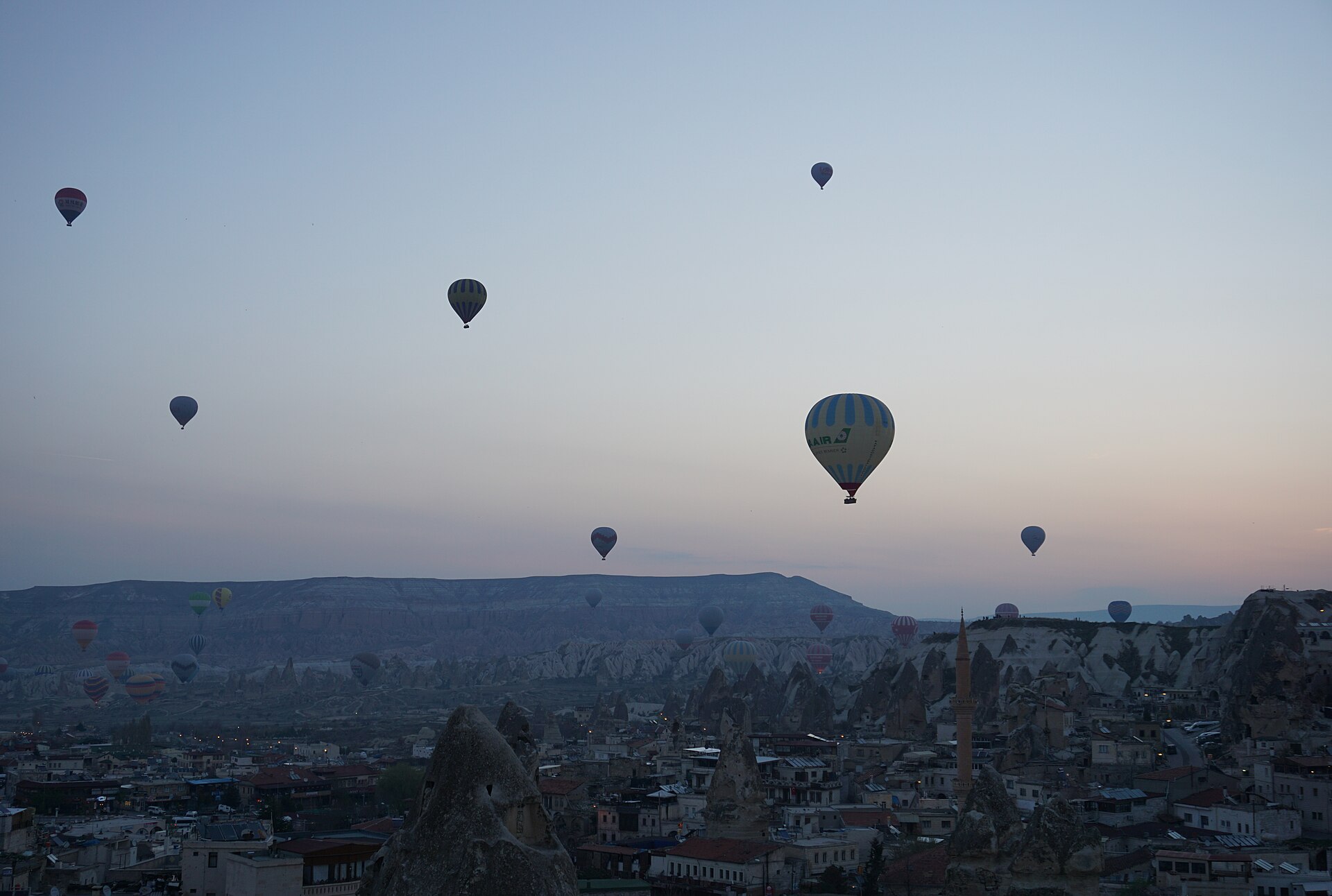
Photograph · REHBER0770 · CC BY-SA 4.0
Photograph · Anonymous · CC0
Photograph · Dan Taylor · CC BY 2.0
Photograph · Dogaaunlu · CC BY-SA 4.0
Photograph · Egemenakgul · CC BY-SA 4.0
Ranked by importance — sitelinks, pageviews and heritage status, not editor preference.
421 places match
Category
Typical visit duration
Interests
Hastane Höyüğü
Hastane Höyüğü, the Hospital Mound, is an archaeological tell within the same site area as ancient Thyatira, in Akhisar, Manisa province.
Tiyatro
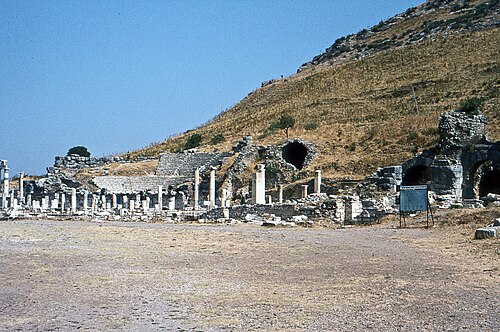
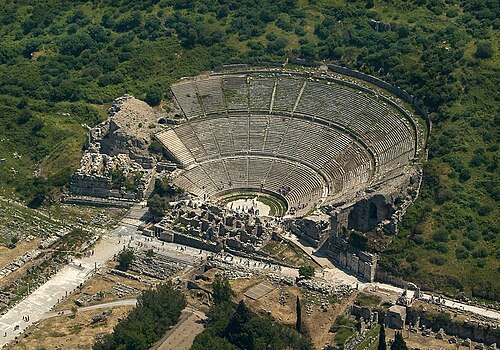
The Great Theater of Ephesus is a vast ancient performance and civic building positioned where the city’s principal harbour route begins.
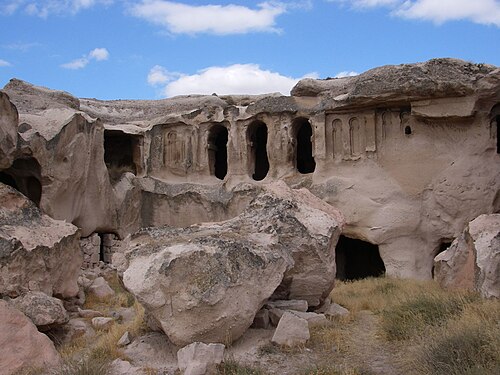
Açıksaray is an open-air archaeological site near Gülşehir in Cappadocia, on the Nevşehir–Gülşehir road about 3 km from Gülşehir. Its name, meaning “Open Palace”, describes rooms, halls and other spaces carved into soft volcanic tuff.
Estergon Kalesi Türk Kültür Merkezi
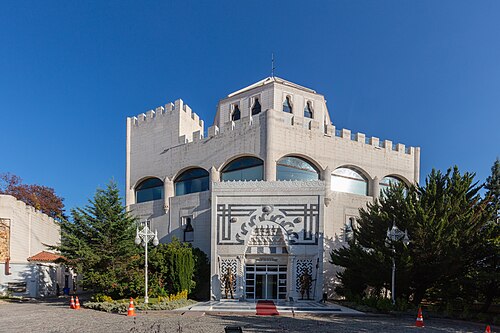
Estergon Turkish Cultural Centre is a castle-inspired municipal complex in Güçlükaya, Keçiören, rather than a surviving medieval fortress.
Trayan Tapınağı
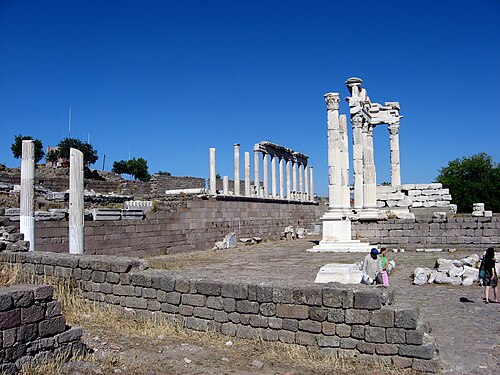
The Temple of Trajan occupies the highest terrace of the Pergamon Acropolis on Kale Hill above Bergama, İzmir.
Hoca Seyfettin Köprüsü
Hoca Seyfettin Bridge is a historic stone crossing in the Gediz River valley, about 13 kilometres north of Kula in Manisa Province.
Ayasolouk
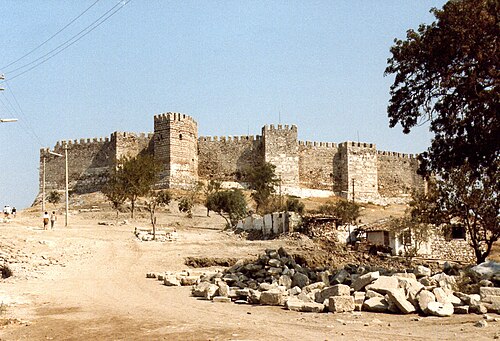
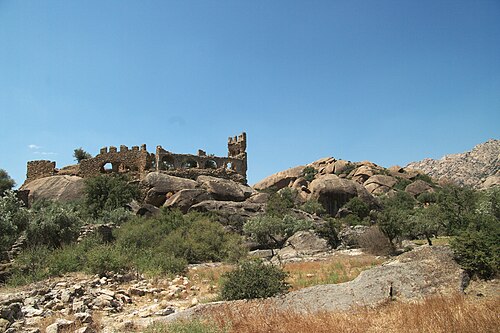
Ayasuluk Citadel occupies the summit of Ayasuluk Hill in Selçuk, where the town’s central heritage landscape rises into a defended archaeological enclosure. Its surviving walls belong to a layered setting associated with Byzantine, Aydınoğlu and Ottoman periods.
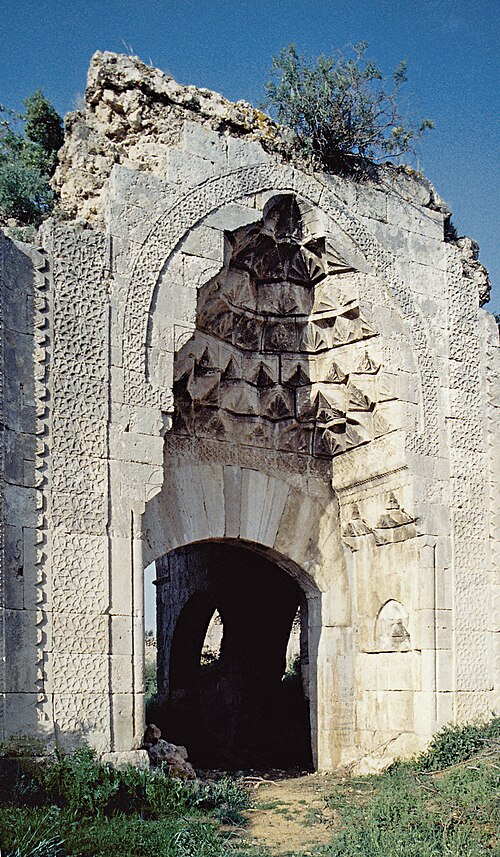
Evdir Han is a Seljuk caravanserai near Antalya, built as a roadside stopping place for people, pack animals and goods moving through the region.
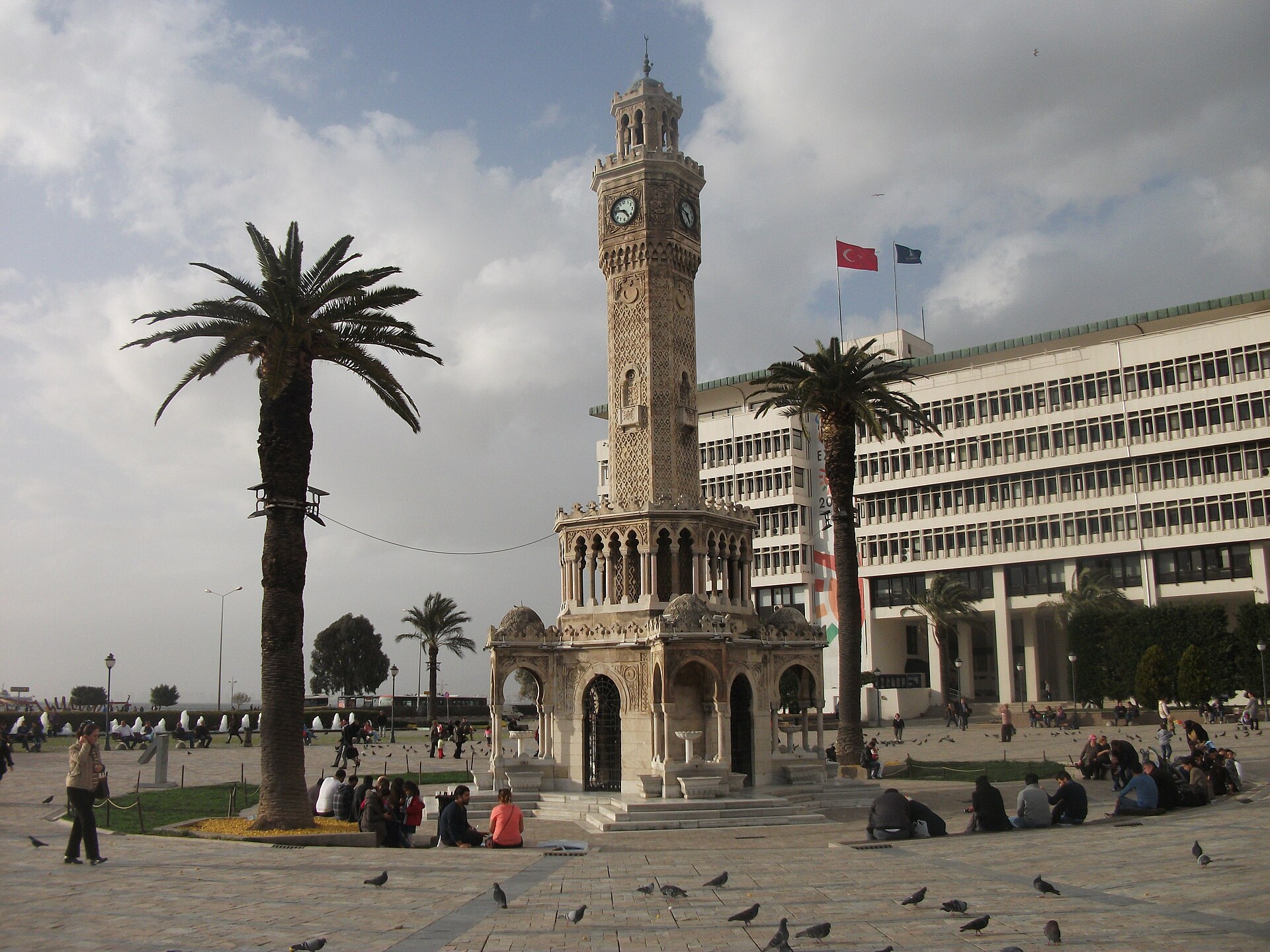
Saat Kulesi
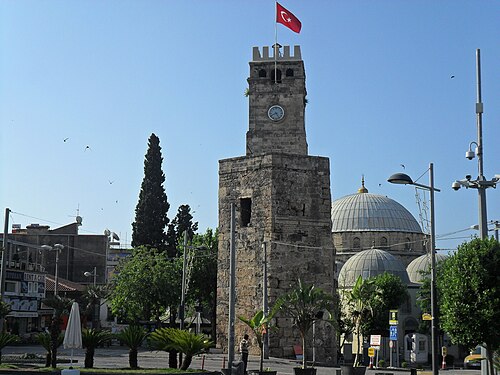
Antalya Clock Tower, also called Saat Kulesi, is a prominent historic marker at the edge of Kaleiçi, Antalya’s old town.
Bademağacı Höyüğü
Bademağacı Höyüğü is an archaeological mound in Antalya Province, Türkiye, where the visible landform represents a settlement built up through repeated occupation over time.
Sarıhan Kervansaray
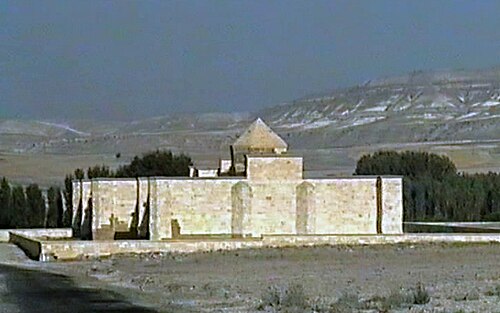
Sarıhan Caravanserai is a Seljuk roadside inn built in 1249 during the reign of Seljuk Sultan Izzeddin Keykavus II.
State Agora
The State Agora of Ephesus is the ancient city’s civic square: an open archaeological space where the surviving footprint and stonework help explain how public life was organised in Ephesus.
Aziz Klemens Kilisesi
St. Clemens Church is an archaeological ruin in Ankara’s Altındağ district, in the Ulus area between Anafartalar Caddesi and Çıkrıkçılar Yokuşu.
Midas'ın Tümülüsü
Tumulus MM is a monumental Phrygian burial mound at ancient Gordion near Yassıhöyük in Ankara Province.
Meryem Ana Kilisesi is a former Greek Orthodox church in Zaferiye Mahallesi, central Kula, on Mustafa Sapcı Sokak. Its history is tied to Kula’s Rum community, including the Turkish-speaking Karamanlı population.
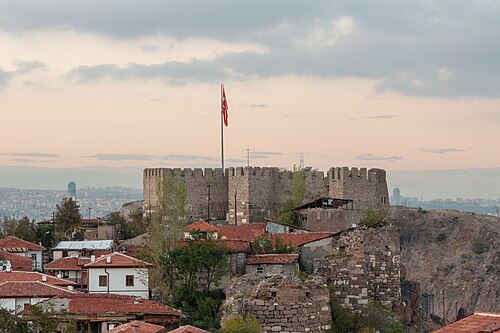
Akkale is the highest bastion of Ankara Castle, at the summit of the fortress above Ankara’s historic Ulus centre. Its identity is architectural and defensive: this is a prominent part of the castle complex, not a separate public museum.
Atatürk Anıtı
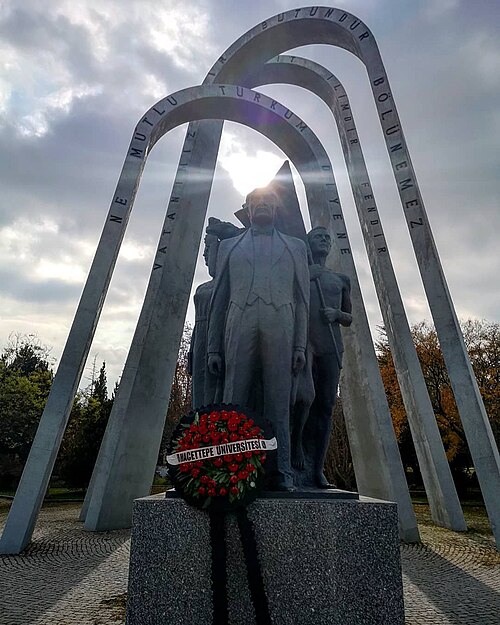
Atatürk and the Youth Monument is an open-air work by the sculptor Remzi Savaş, located within Hacettepe University’s Beytepe Campus in Ankara’s Çankaya district. Its approximate position is 39°52′05.1″N, 32°44′10.4″E.
Atatürk Anıtı
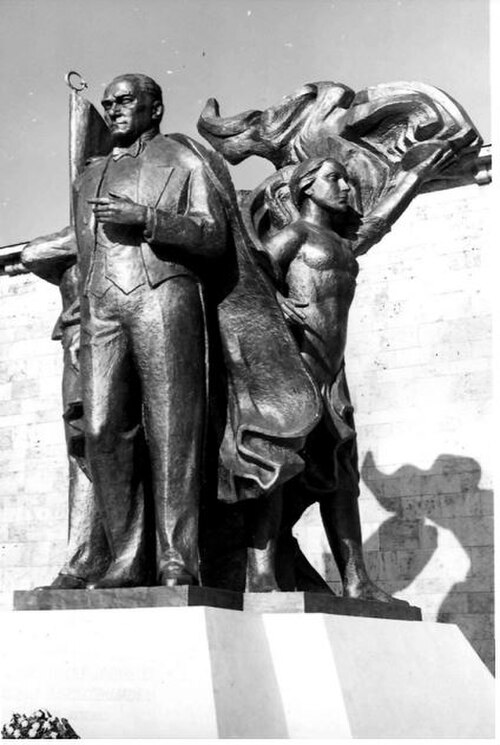
Atatürk Monument is a commemorative landmark inside the Grand National Assembly of Türkiye (TBMM) campus in Ankara.
Hacıtuğrul Höyüğü is a large archaeological mound in Polatlı district of Ankara Province, also known as Karahöyük and Yenidoğan Höyük.
Hasan Fehmi Ataç Apartmanı
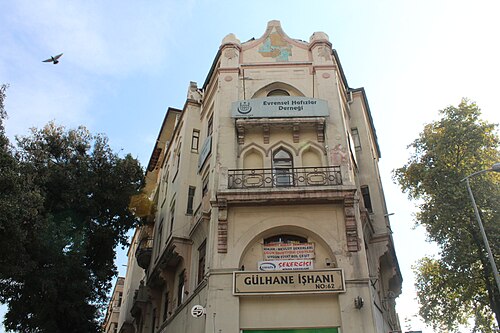
Hasan Fehmi Ataç Apartment is a historic building in Ankara’s Ulus district, at the intersection of Anafartalar Caddesi and Denizciler Caddesi. It belongs to Altındağ district and is associated with the First National Architecture Movement.
İnciraltı Kent Ormanı
İnciraltı City Forest is a broad public green space in Bahçelerarası, Balçova, on İzmir’s coastal side. Visit İzmir describes approximately 620,000 square metres of open area, giving the site a scale closer to a landscape destination than a compact attraction.
Karaoğlan Höyüğü
Karaoğlan Mound is an open-air archaeological settlement in Karaoğlan Mahallesi, within Ankara’s Gölbaşı district, about 25 kilometres south of Ankara.
Yediler Manastırı
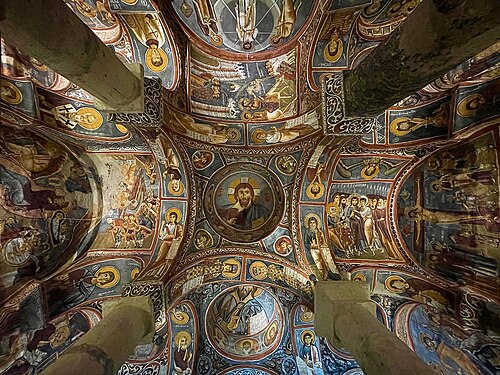
Kellibaron Monastery is the site identified in official material as Yediler Monastery, set near Gölyaka village in Bafa Mahallesi, Milas, Muğla. Its character comes from the combination of monastic remains, painted decoration and the Beşparmak, or Latmos, mountain setting.
Kızlarağası Hanı
Kızlarağası Han is an eighteenth-century Ottoman commercial inn in İzmir’s Konak district, embedded in the working lanes of Kemeraltı rather than set apart as a museum.
Gate of Magnesia
Magnesian Gate is the surviving city gate identified within the ancient city of Ephesus at Selçuk.
Ten to fourteen days allows about four days in İstanbul and at least three around Antalya when coastal archaeology is included. Cappadocia needs its own regional stay, and a one-way coastal route is more workable than returning to the same city each night.
Türkiye's visa position varies by passport and purpose. Verify the rule through the Ministry of Foreign Affairs and, when eligible, use only the official e-Visa service rather than an intermediary.
İstanbul's two airports and Antalya are the principal gateways for this itinerary. Domestic flights cover long cross-country legs, coaches serve many city pairs, and high-speed rail is most useful on the İstanbul-Ankara axis rather than as a universal substitute.
April to May and September to October are broad choices for combining İstanbul with the Mediterranean coast. Cappadocia nights, inland heat, and Antalya's coastal conditions differ, so confirm weather for each overnight base.
Türkiye uses the Turkish lira (TRY). Keep lira available for smaller transport and market transactions even when cards are accepted, and review the displayed amount in TRY before agreeing to any card conversion.
Dial 112 for emergencies in Türkiye. Electricity is 230 V through Type C and F sockets; tap-water safety is not recorded here, so obtain current local advice at each stop.