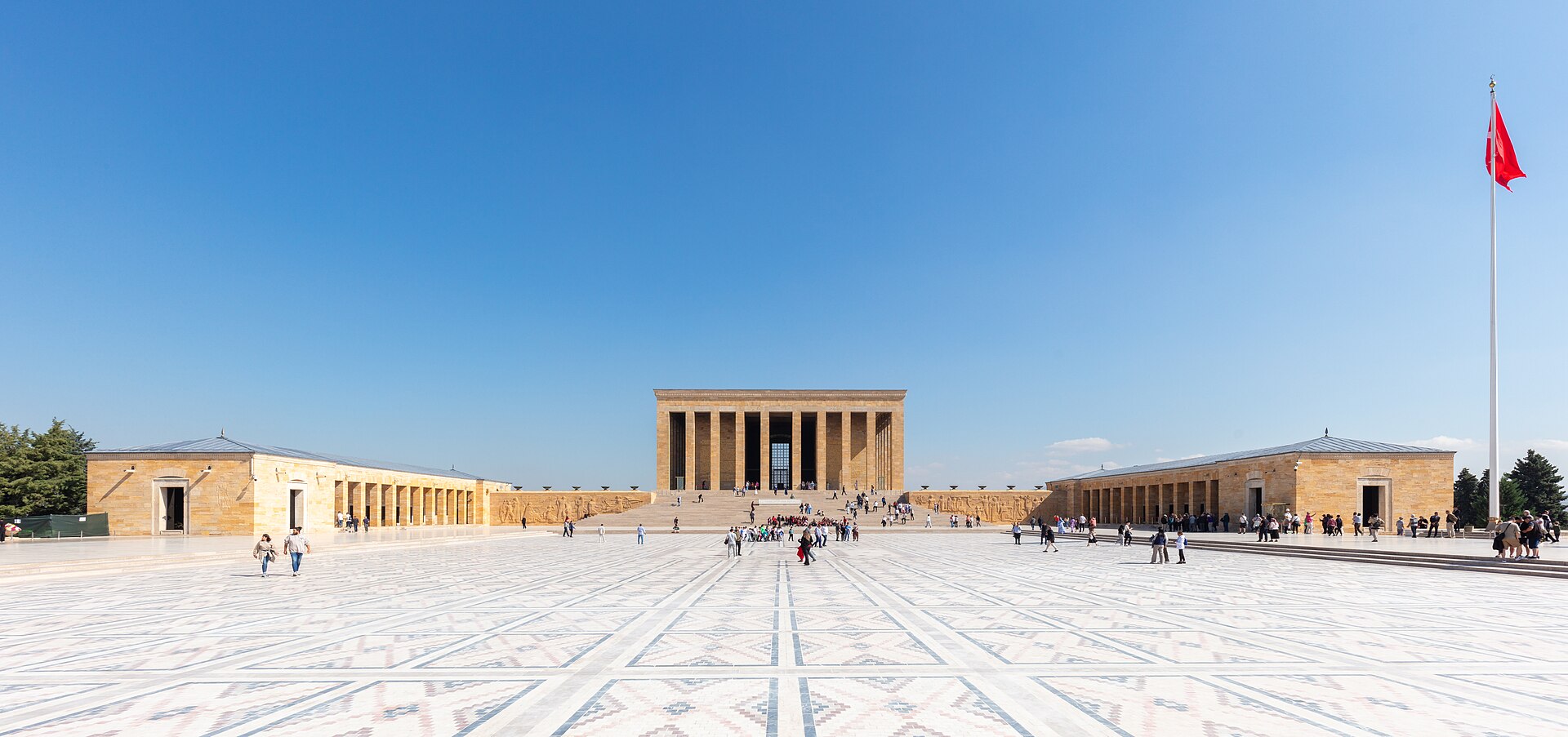
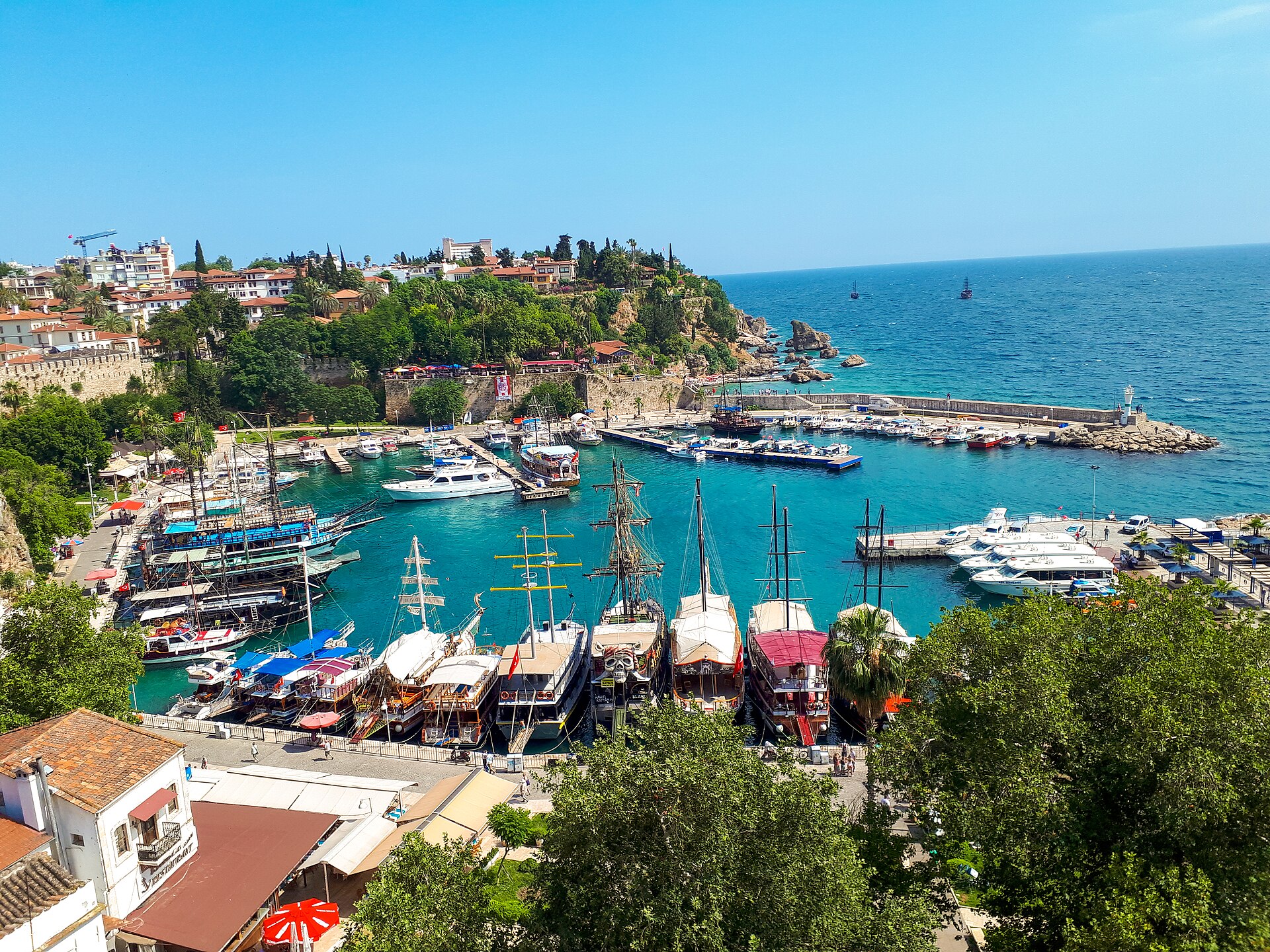
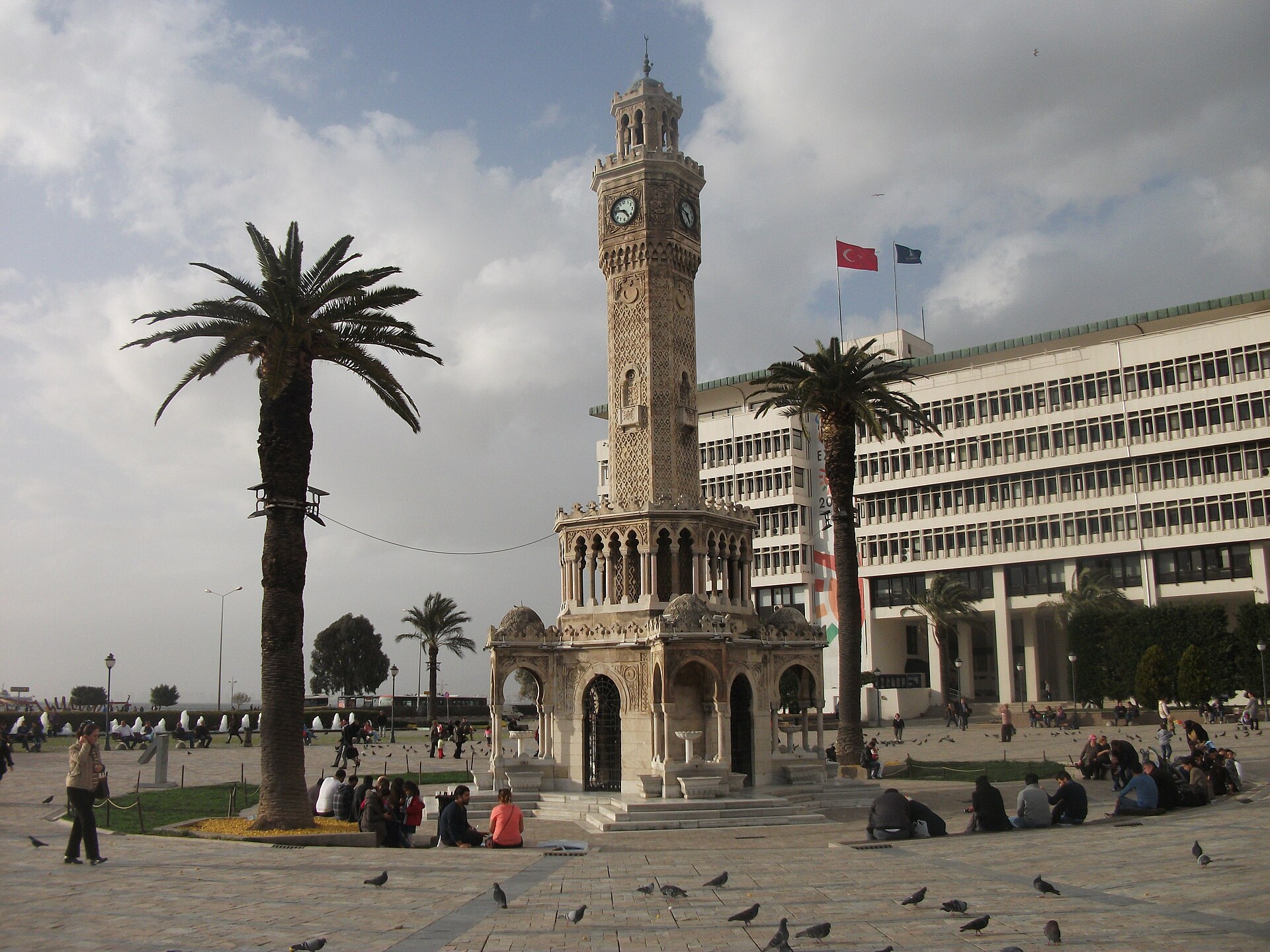
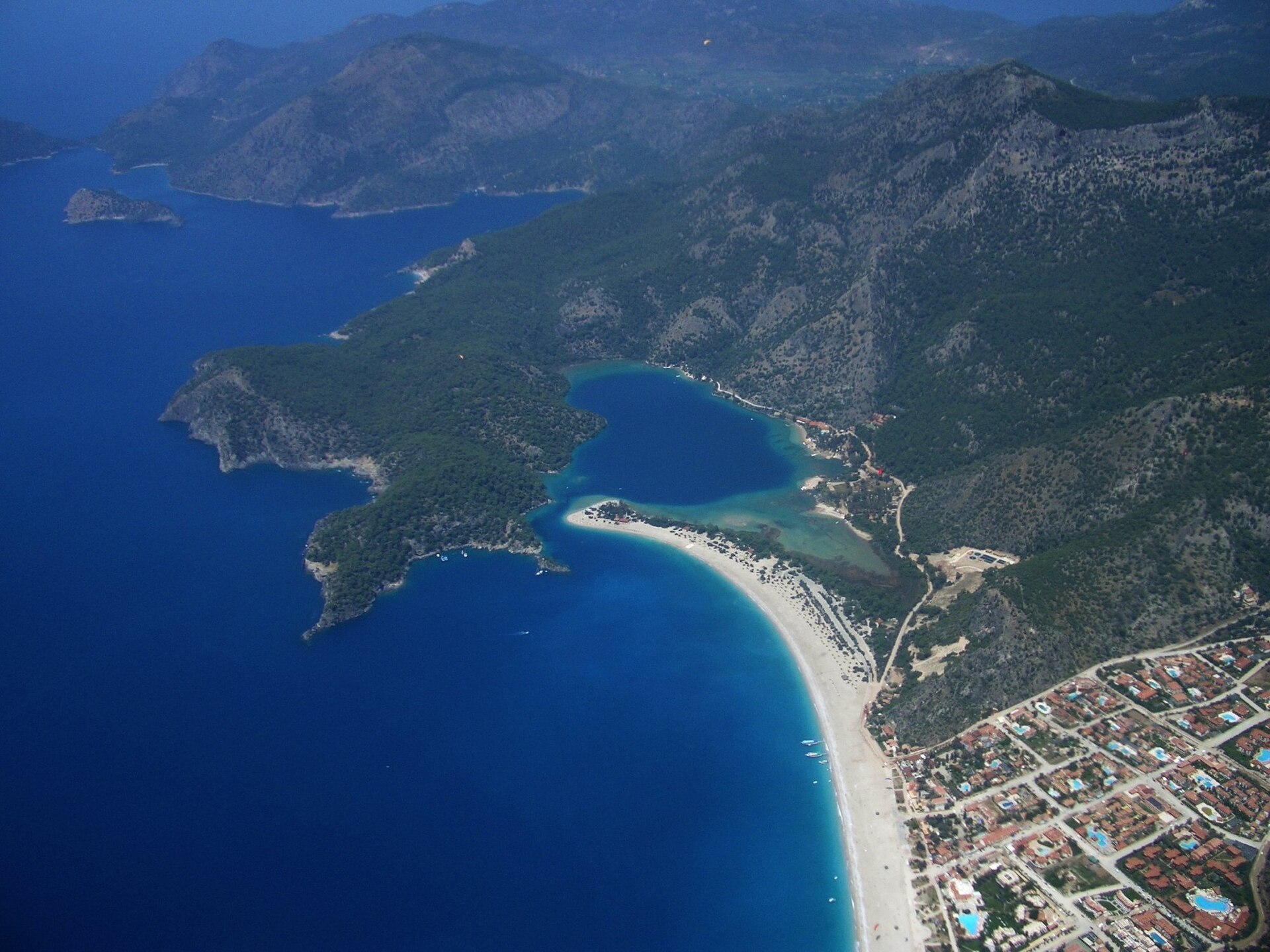
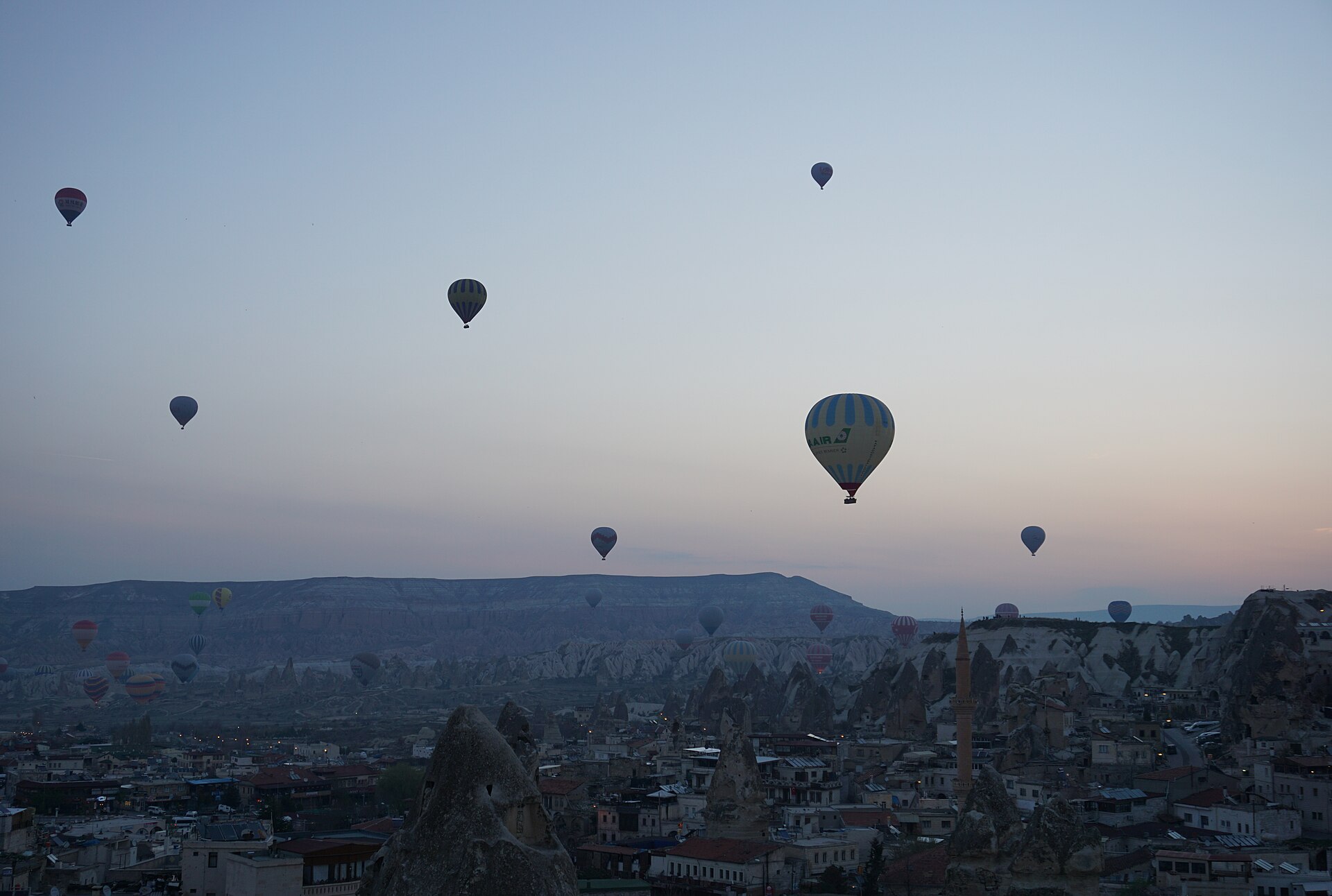
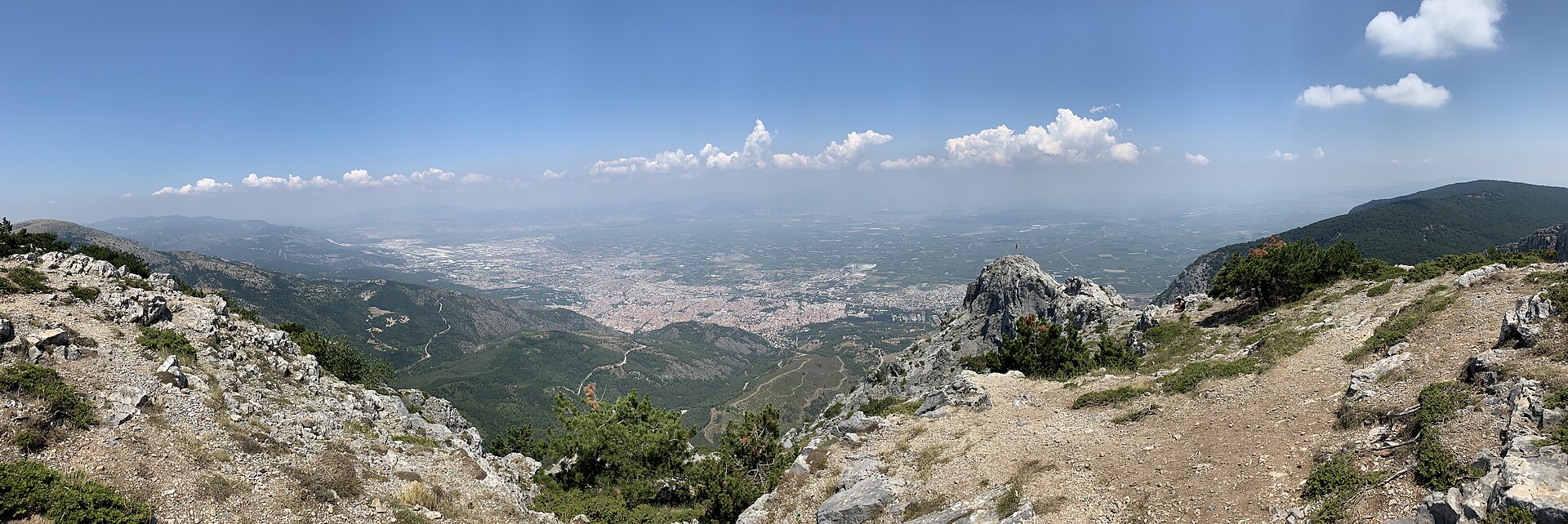
A photograph of Türkiye

Country guide

Türkiye

Türkiye is 783,562 km² across 81 provinces, most of it Anatolia in West Asia with East Thrace on the European side of the straits. It has three coasts to choose...

Photograph · Benh LIEU SONG · CC BY-SA 4.0

26,399 Places
7Cities

Reviewed by Elena Voss · Roavina Travel Editor

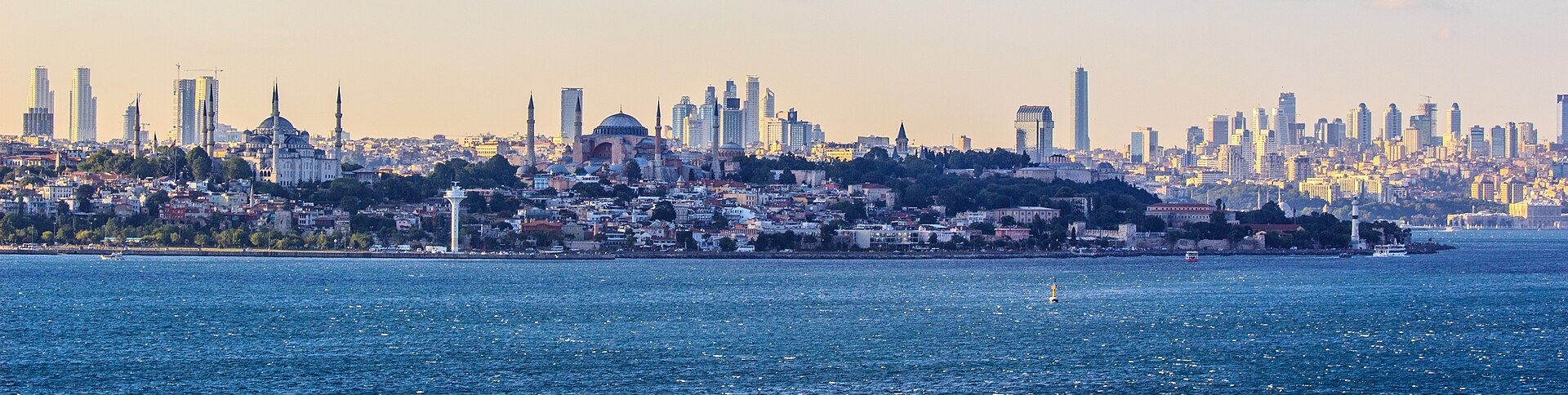
Türkiye is 783,562 km² across 81 provinces, most of it Anatolia in West Asia with East Thrace on the European side of the straits. It has three coasts to choose between — the Black Sea to the north, the Aegean to the west, the Mediterranean to the south — and an interior plateau that behaves like a different country in winter. Istanbul is the largest city and the economic centre, Ankara the capital and the second-largest, and the December 2025 population of 86,092,168 is weighted heavily to the west. A first trip is usually Istanbul and one coast; the plateau is the second trip.

Checked 2026-08-25

Cities

Every city catalogued in this country so far, ranked by how much there is to see.

Practical information

Language spoken
Turkish
The official language of the Republic of Turkiye
Dialling code
+90
The international dialling code for Turkiye
Currency
Turkish lira (₺, TRY)
The official currency; one lira is divided into 100 kurus
Emergency number
112
One number for ambulance, fire and police
Plug type
European two-pin · 220 V
The national living guide records 220 V and European-style two-pin plugs
Tap water
Not recorded
No verified national source in the dataset

Top things to see

Ranked by importance — sitelinks, pageviews and heritage status, not editor preference.

  1. Myndos Gate Myndos Gate
    201 45 min

    Myndos Gate

    Myndos Kapısı

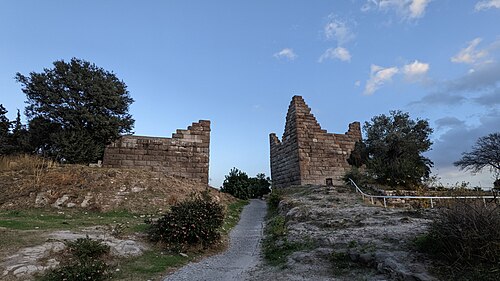
    Myndos Gate is a surviving western entrance to ancient Halicarnassus, at the western exit of modern Bodrum on the road toward Gümbet. Bodrum Municipality places its construction broadly in the 360s BC, during the rule of Mausolus.

    • High
    • Historic monument
    • Muğla
  2. Sığacık Castle Sığacık Castle
    202 45 min

    Sığacık Castle

    Sığacık Kalesi

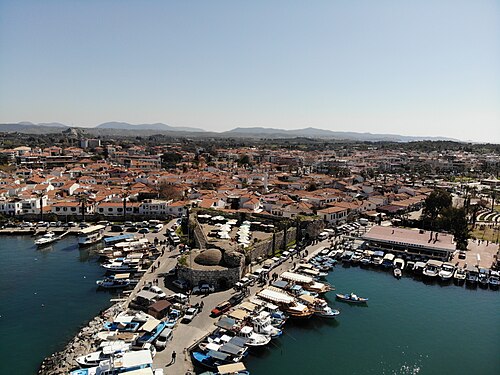
    Sığacık Castle is a living historic settlement in Sığacık Mahallesi, Seferihisar, İzmir.

    • High
    • Historic monument
    • İzmir
  3. Sobesos Sobesos
    203 45 min

    Sobesos

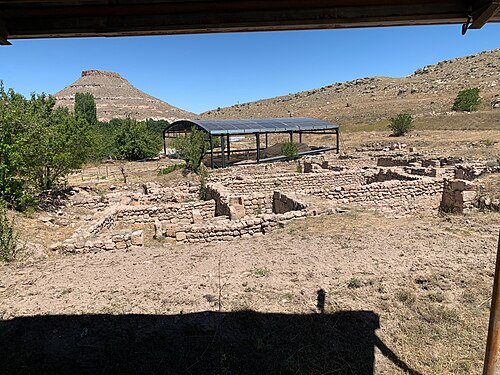
    Sobesos is an open archaeological site in Şahinefendi village, within Ürgüp district of Nevşehir. Discovered in 2002, it preserves the remains of a small rural town that began in the 4th century CE.

    • High
    • Historic monument
    • Nevşehir
  4. South Basilica of Side South Basilica of Side
    204 45 min

    South Basilica of Side

    Basilica at Side

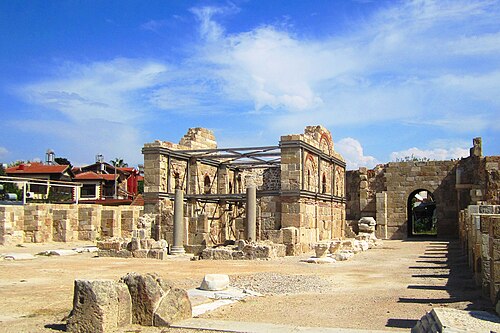
    The South Basilica of Side is an ancient ecclesiastical ruin located in the Side archaeological zone within Antalya province. This basilica represents part of the extensive Roman and early Byzantine remains that characterize the ancient port city of Side.

    • High
    • Historic monument
    • Antalya
  5. Temple of Mén (Side) Temple of Mén (Side)
    205 45 min

    Temple of Mén (Side)

    Men Tapınağı

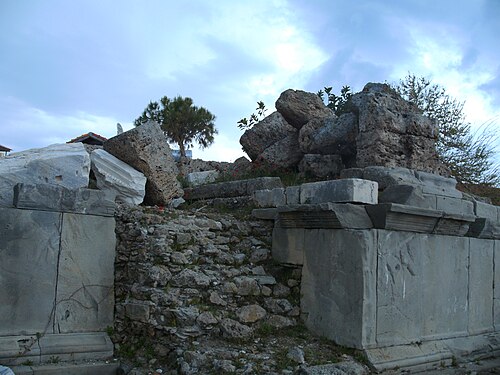
    The Temple of Mén is a sanctuary associated with Mén, a lunar deity worshipped in parts of ancient Anatolia. At Side, its remains are encountered within the ancient city's wider archaeological landscape rather than as a complete, freestanding monument.

    • High
    • Historic monument
    • Antalya
  6. Termessos Minor
    206 45 min

    Termessos Minor

    Kemerarası

    Termessos Minor is a small archaeological place in Ceylan, within Seydikemer district of Muğla, where surviving remains are encountered in an open landscape rather than inside a museum.

    • High
    • Historic monument
    • Muğla
  7. Uçhisar Castle Uçhisar Castle
    207 45 min

    Uçhisar Castle

    Uçhisar Kalesi

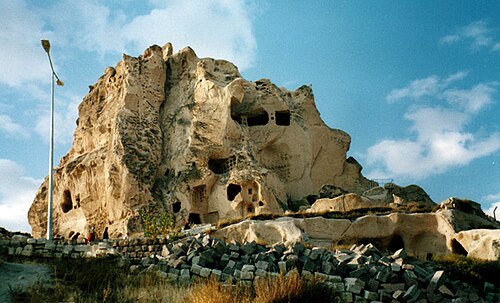
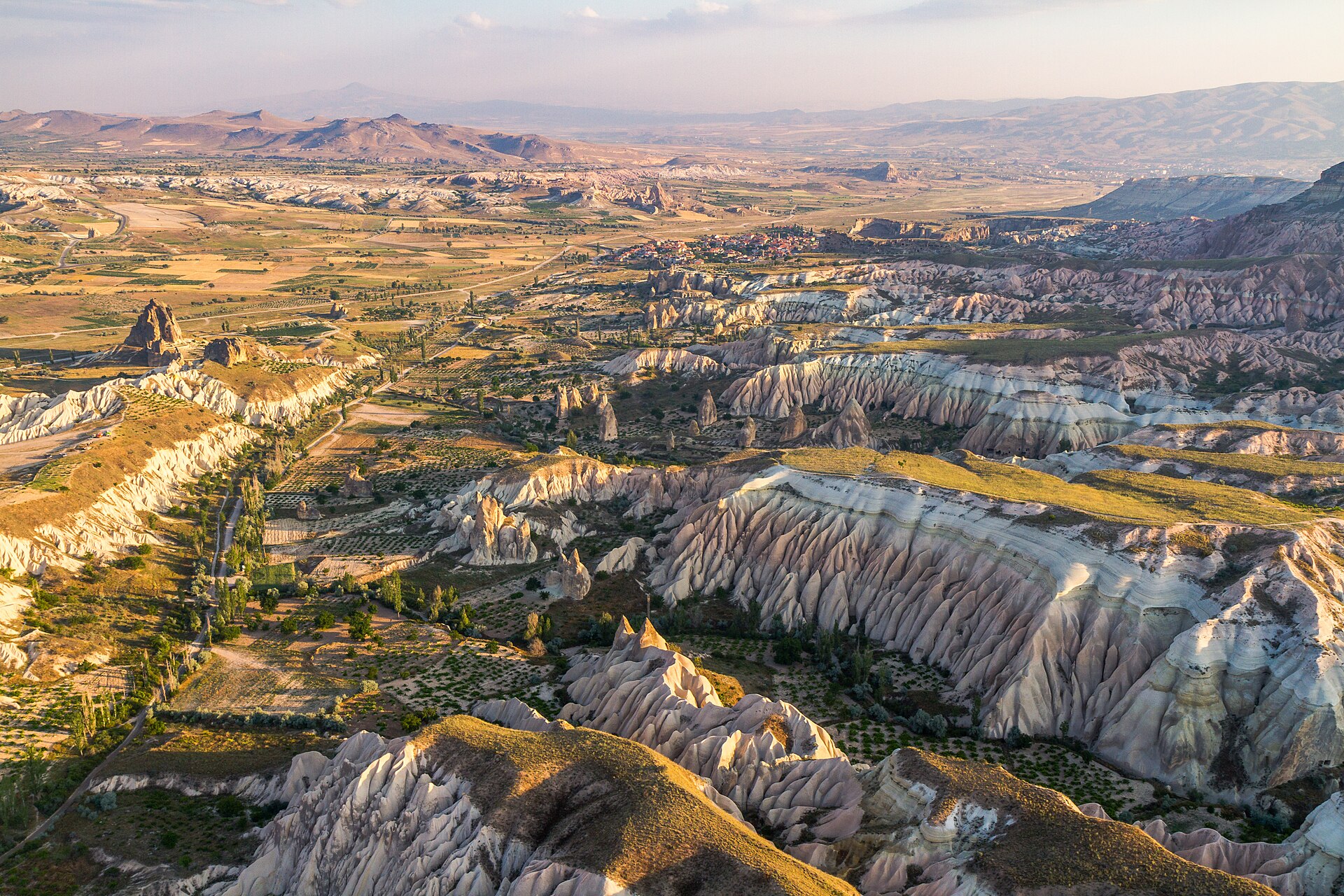
    Uçhisar Castle is a massive volcanic tuff formation rising from the centre of Uçhisar village in Cappadocia. It is not a separate masonry building: rooms, tunnels, stairways and lookout spaces were carved directly into the soft rock.

    • High
    • Historic monument
    • Nevşehir
  8. Yumurtatepe Tumulus Yumurtatepe Tumulus
    208 45 min

    Yumurtatepe Tumulus

    Yumurtatepe Tümülüsü

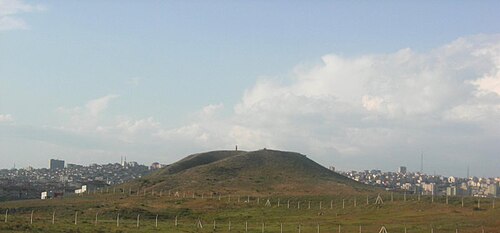
    Yumurtatepe Tumulus is a protected archaeological mound in Ankara’s Yenimahalle district, at the Çiftlik–Demetevler junction. Its identity is tied to an urban landform that survives beside a busy road, rather than to a museum building or reconstructed monument.

    • High
    • Historic monument
    • Ankara
  9. Zank Höyük
    209 45 min

    Zank Höyük

    Zank Höyük is a substantial archaeological mound near Sarılar in Avanos district, Nevşehir. Rising approximately 29–30 metres and measuring about 300 metres across, it reads as a broad settlement landscape rather than a standing monument.

    • High
    • Historic monument
    • Nevşehir
  10. Aspendos Roman aqueduct Aspendos Roman aqueduct
    210 45 min

    Aspendos Roman aqueduct

    Su kemeri

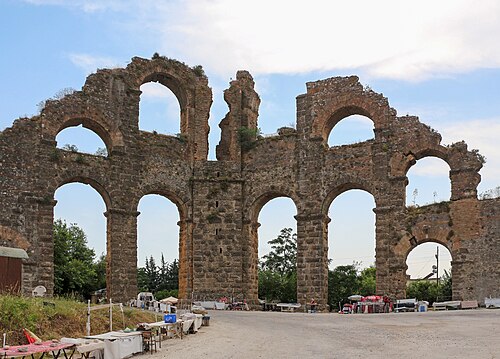
    The Aspendos Roman aqueduct, locally known as Su kemeri, stands as an ancient engineering landmark near Antalya. This surviving remnant of Roman infrastructure once formed part of an extensive water-supply network serving the ancient city of Aspendos.

    • High
    • Historic monument
    • Antalya
  11. Monastery of Afkule
    211 45 min

    Monastery of Afkule

    Afkule Monastery

    The Monastery of Afkule is a remote religious ruin above Kayaköy in Fethiye district, reached through woodland rather than by a formal museum entrance.

    • High
    • Historic monument
    • Muğla
  12. Ağıl Höyük (Mucur)
    212 45 min

    Ağıl Höyük (Mucur)

    Ağıl Höyük

    Ağıl Höyük (Mucur) is a named archaeological mound in Mucur district, near Küçükburunağıl and Kırlangıç Hill.

    • High
    • Historic monument
    • Nevşehir
  13. Ahi Abu Bakr Tomb
    213 45 min

    Ahi Abu Bakr Tomb

    Ahi Ebubekir Türbesi

    Ahi Abu Bakr Tomb is a small local shrine on Ahi Sokak in Akyol Mahallesi, Yatağan, Muğla. Local historical accounts connect Ahi Abu Bakr with the founding of the settlement once known as Ahiköy, alongside his brother Ahi Sinan.

    • High
    • Historic monument
    • Muğla
  14. Dağdeviren Höyüğü
    214 45 min

    Dağdeviren Höyüğü

    Dağdeviren Höyüğü is a registered archaeological mound in the Kayalıoğlu area of Akhisar, Manisa Province. It is also known as Dağdeviren Çiftliği Höyüğü, while older references call it Akırbey Çiftliği.

    • High
    • Historic monument
    • Manisa
  15. Doğala Han
    215 45 min

    Doğala Han

    Doğala Han is a Seljuk-period caravanserai ruin in Doğala village, Derinkuyu district, Nevşehir, with its surviving remains inside the village cemetery.

    • High
    • Historic monument
    • Nevşehir
  16. Dolay Han
    216 45 min

    Dolay Han

    Dolayhan

    Dolay Han is a ruined Seljuk caravanserai southeast of Til Village, in Derinkuyu district, approximately 30 kilometres southeast of Nevşehir.

    • High
    • Historic monument
    • Nevşehir
  17. El Nazar Church El Nazar Church
    217 45 min

    El Nazar Church

    El Nazar Kilisesi

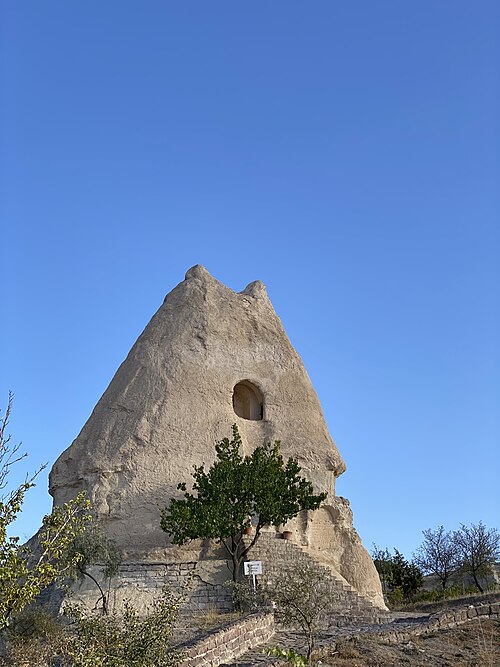
    El Nazar Church is a small Byzantine sanctuary carved into a fairy chimney in Zemi Valley, east of Göreme in Nevşehir.

    • High
    • Historic monument
    • Nevşehir
  18. Hercules Bridge
    218 45 min

    Hercules Bridge

    Herkül Köprüsü

    Hercules Bridge, known locally as Herkül Köprüsü, is a historical bridge in Antalya. It is best approached as a short architectural stop rather than a major attraction with a formal visitor programme.

    • High
    • Historic monument
    • Antalya
  19. Kalecik Castle Kalecik Castle
    219 45 min

    Kalecik Castle

    Kalecik Kalesi

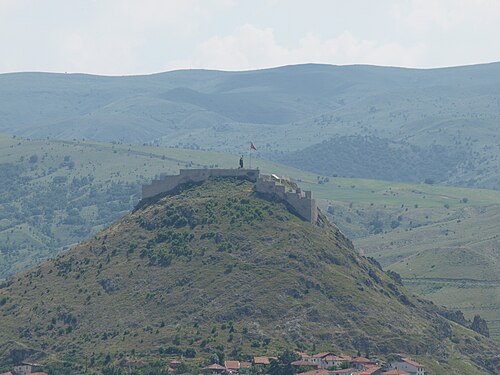
    Kalecik Castle is a ruined historic site in the centre of Kalecik, Ankara, occupying a steep rocky rise above the town. Public descriptions connect the remains with the Roman or Byzantine period and later Ottoman repairs.

    • High
    • Historic monument
    • Ankara
  20. Korucu Bridge
    220 45 min

    Korucu Bridge

    Korucu Köprüsü

    Korucu Bridge, known locally as Korucu Köprüsü, is a historical stone bridge located in the Antalya region of Türkiye.

    • High
    • Historic monument
    • Antalya
  21. Monastery of Doyran
    221 45 min

    Monastery of Doyran

    Doyran Monastery

    Monastery of Doyran is a named historical and cultural point of interest in the Doyran area of Antalya Province. Its identity is tied to this locality and to a mapped place associated with the region’s religious heritage.

    • High
    • Historic monument
    • Antalya
  22. Naras Bridge Naras Bridge
    222 45 min

    Naras Bridge

    Naras Köprüsü

    Naras Bridge, locally known as Naras Köprüsü, is a historic stone bridge in Antalya Province. It offers a compact encounter with traditional Ottoman bridge engineering in a rural setting.

    • High
    • Historic monument
    • Antalya
  23. Ömer Dede Tomb
    223 45 min

    Ömer Dede Tomb

    Ömer Dede Türbesi

    Ömer Dede Tomb is a small, named religious heritage site in Eskicami Mahallesi, within Selendi İlçe Mezarlığı in Manisa. Its character comes from the place itself: a tomb set inside an active cemetery, rather than a museum or formal exhibition.

    • High
    • Historic monument
    • Manisa
  24. Pilav Hill (Milas)
    224 45 min

    Pilav Hill (Milas)

    Mylasa

    Pilav Hill, also known as Pilavtepe, is a modest natural rise near Milas with an unusually specific archaeological story.

    • High
    • Historic monument
    • Muğla
  25. Saint Catherina Chapel Saint Catherina Chapel
    225 45 min

    Saint Catherina Chapel

    Aziz Basil Şapeli

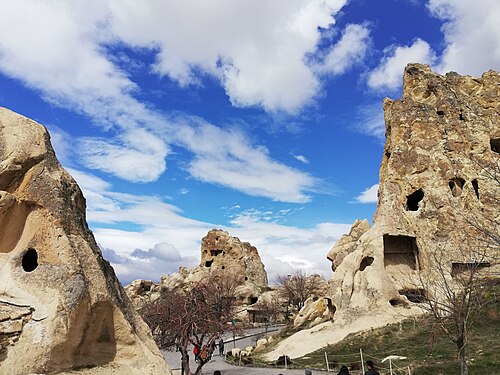
    Aziz Basil Chapel is a compact rock-cut Byzantine chapel at the entrance to Göreme Open-Air Museum.

    • High
    • Historic monument
    • Nevşehir

Source: OpenStreetMap contributors, Wikidata ·

Common questions

How long should a first trip to Türkiye be?

Ten to fourteen days allows about four days in İstanbul and at least three around Antalya when coastal archaeology is included. Cappadocia needs its own regional stay, and a one-way coastal route is more workable than returning to the same city each night.

What entry documents are needed for Türkiye?

Türkiye's visa position varies by passport and purpose. Verify the rule through the Ministry of Foreign Affairs and, when eligible, use only the official e-Visa service rather than an intermediary.

What is the best way to travel around Türkiye?

İstanbul's two airports and Antalya are the principal gateways for this itinerary. Domestic flights cover long cross-country legs, coaches serve many city pairs, and high-speed rail is most useful on the İstanbul-Ankara axis rather than as a universal substitute.

When is a practical time to visit Türkiye?

April to May and September to October are broad choices for combining İstanbul with the Mediterranean coast. Cappadocia nights, inland heat, and Antalya's coastal conditions differ, so confirm weather for each overnight base.

What money and payment basics apply in Türkiye?

Türkiye uses the Turkish lira (TRY). Keep lira available for smaller transport and market transactions even when cards are accepted, and review the displayed amount in TRY before agreeing to any card conversion.

What practical safety details should I save for Türkiye?

Dial 112 for emergencies in Türkiye. Electricity is 230 V through Type C and F sockets; tap-water safety is not recorded here, so obtain current local advice at each stop.