
2 min walk
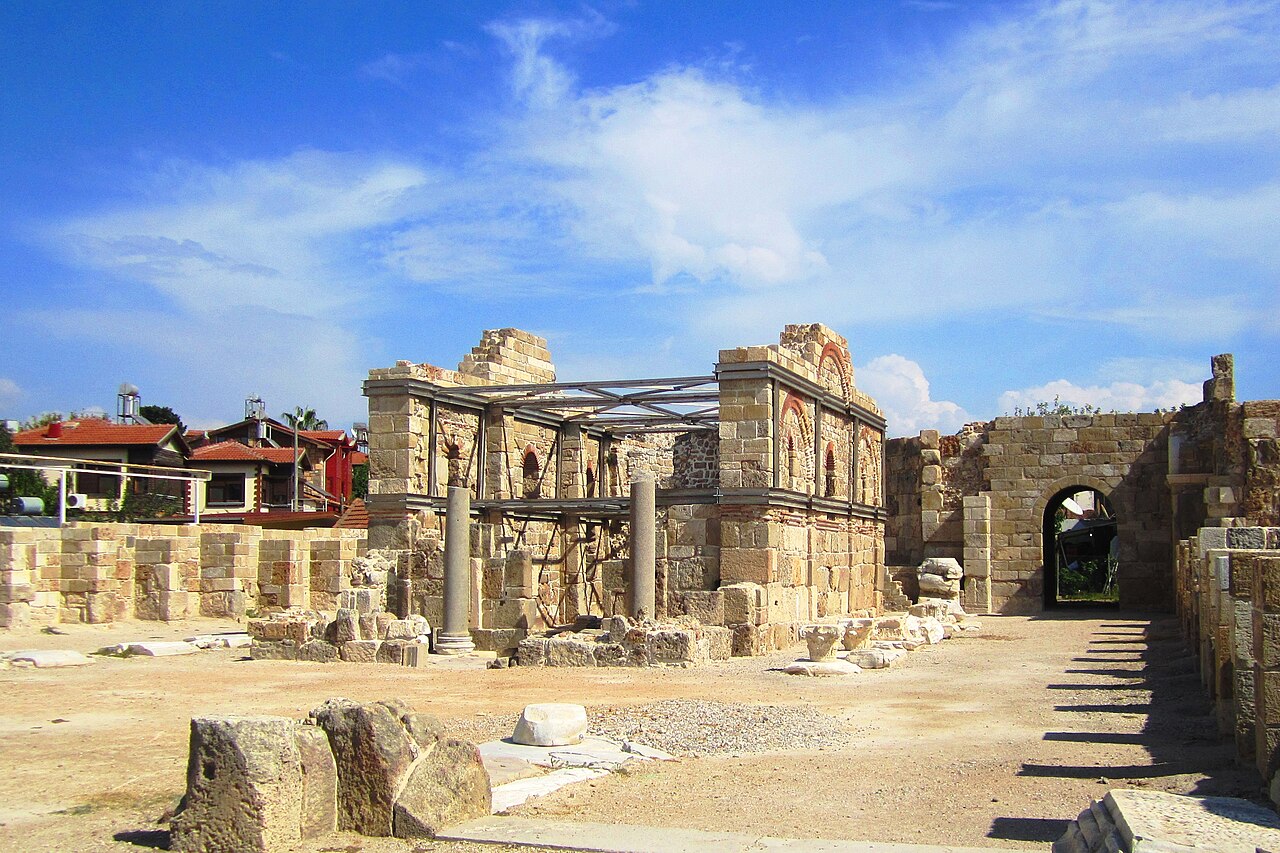
South Basilica of Side
- Must see
- Historic monument
Historic monument · Antalya
Men Tapınağı
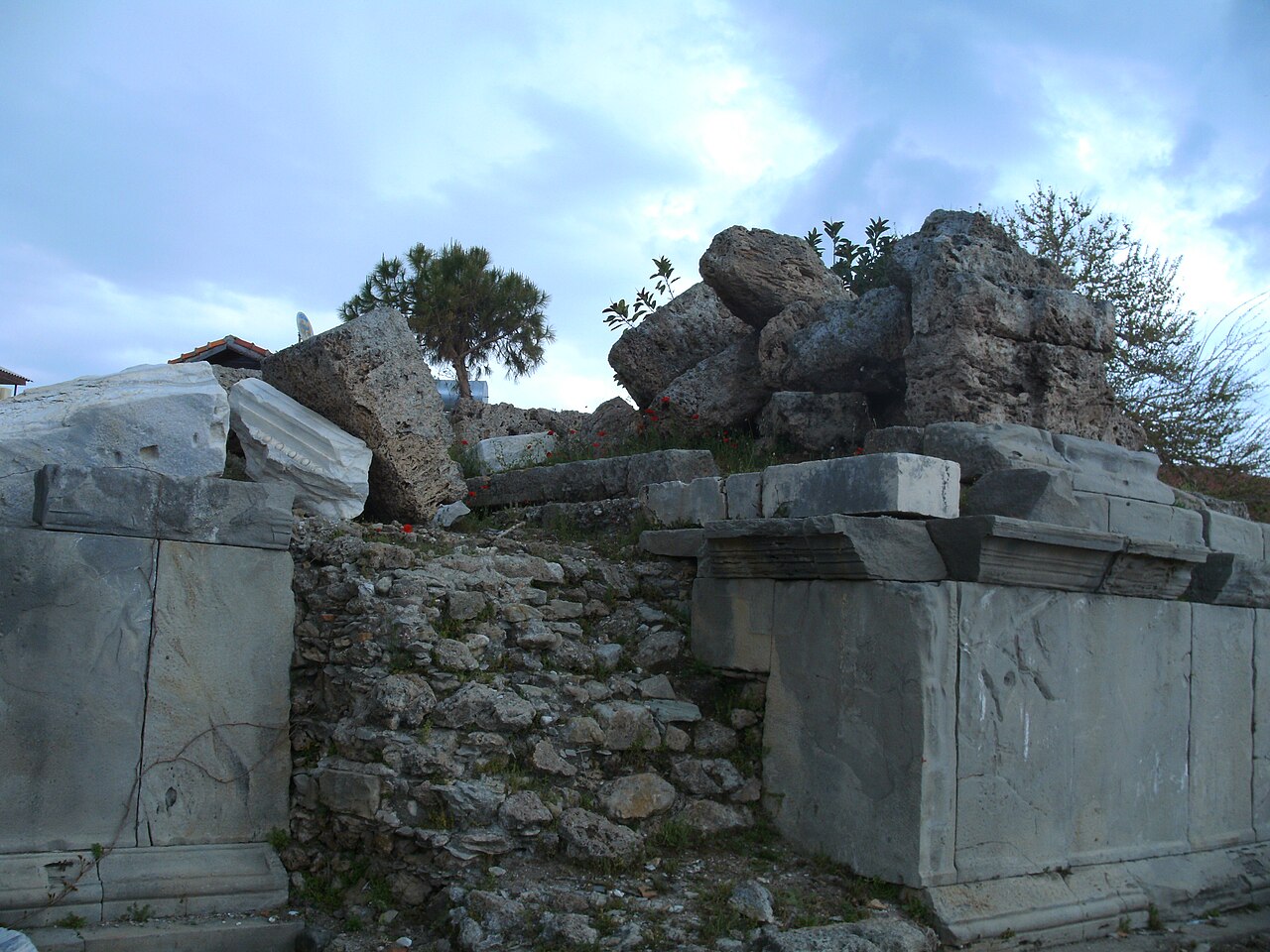
The Temple of Mén is a sanctuary associated with Mén, a lunar deity worshipped in parts of ancient Anatolia. At Side, its remains are encountered within the ancient city's wider archaeological landscape rather than as a complete, freestanding monument. That setting matters: the temple is one point in a dense historic peninsula where religious, civic and commercial remains stand close together. A visit is therefore most rewarding when the sanctuary is read alongside Side's other ruins, including the theatre, agora and harbour monuments. The fragmentary stonework does not offer a reconstructed interior, but it provides a concise glimpse into the variety of cults present in the ancient city. No. The temple lies within the unified Side archaeological zone under Ministry of Culture and Tourism management. It is not separately ticketed.
Checked 2026-08-26 · Source
Expect archaeological remains rather than an intact temple building. The surviving fabric should be approached as part of Side's open-air ancient-city setting, with foundations, masonry and scattered architectural evidence needing careful interpretation. Mén is commonly represented in ancient religious imagery with lunar associations and a distinctive Phrygian cap, but those attributes should not be treated as surviving objects at this particular monument. The surrounding Side complex adds substantially to what can be seen during the same outing: the theatre, agora, necropolis areas, fortifications and other sanctuaries create the broader context for understanding how this coastal city was organised and worshipped.
Checked 2026-08-26 · Source
Allow about fifteen to thirty minutes for a focused look at the Temple of Mén, depending on how closely you study the remains and surrounding archaeological setting. In practice, the sanctuary belongs in a longer Side visit: seeing the principal monuments across the ancient peninsula commonly takes roughly two to four hours. Walking between points is part of the experience, so the total time depends on your route, pace and interest in the theatre, agora, harbour area, necropolis and other temple remains. Comfortable shoes are especially useful on uneven ancient surfaces.
Checked 2026-08-26 · Source
This is an open-air archaeological stop on the Mediterranean coast, so comfort depends strongly on sun and heat. June through August is typically hottest, with the exposed stone landscape offering limited shade; spring and autumn are generally easier seasons for walking and close viewing. Within any season, early morning or late afternoon usually gives softer light and less intense midday sun. The best time also depends on the wider Side visit you are planning, because the Temple of Mén is reached as part of a walk through the ancient-city area rather than as an isolated indoor attraction.
Checked 2026-08-26 · Source
The monument is identified within Side's wider archaeological landscape, but no operator or responsible public-body source provides a ticket amount, admission category, payment method or confirmed separate-entry arrangement for this fragment. Visitors should treat the temple as one stop within a broader visit to ancient Side and check the responsible authority's current admission information before travelling.
Checked 2026-08-26 · Source
Side is on the Mediterranean coast of Antalya province, about seventy-five kilometres east of central Antalya. By road, the D400 connects the regional capital with Manavgat, Side and destinations farther east. Regional buses run between Antalya and Manavgat, with onward connections possible toward Side's historic centre. If you drive, parking near the archaeological area is followed by walking through modern Side; the temple itself lies farther inside the ancient-city landscape, so allow for additional pedestrian distance after arrival. Organised excursions from Antalya-area resorts may also include Side.
Checked 2026-08-26 · Source
Ancient ground can be uneven, with stone surfaces, foundations and architectural fragments creating trip hazards. The open setting can also mean strong sun and heat, especially in summer, while shade may be limited. Do not climb, sit on or handle fragile masonry: apart from the risk of injury, contact can damage archaeological fabric. The commercial activity of modern Side can make orientation distracting, so keep the monument within the wider archaeological route as you walk.
Checked 2026-08-26 · Source
The Temple of Mén is best photographed as a fragment within Side's wider ancient landscape. Morning or late-afternoon light can soften contrast across weathered stone and help separate the remains from the brighter Mediterranean surroundings. Wider compositions can place the sanctuary in relation to the ancient city's streets and neighbouring monuments, while closer views are useful for masonry details. Use a handheld camera discreetly and avoid touching, leaning equipment against or climbing on the remains. Drone use should not be presumed permissible at a protected archaeological site without the required Turkish authorisation.
Checked 2026-08-26 · Source
Check the current arrangements for the wider Side archaeological area before travelling.
No specific facilities are recorded for the Temple of Mén. The monument is an open-air archaeological stop within Side, so nearby town services should not be treated as facilities at the temple itself.
Visitors should not touch, climb, sit on or handle the remains. Uneven masonry can cause injury, and contact or climbing can damage fragile archaeological fabric.
A general Side archaeological tour may provide context, but its coverage of this sanctuary is not established here.
No accessibility provision is recorded for this monument. The ancient terrain includes uneven surfaces, so visitors with mobility limitations should assess the route carefully before setting out.
The remains are protected archaeological fabric, so normal heritage-site care and visitor rules should be followed.
Loading the interactive map…
The interactive map could not be loaded.
Last updated:
Source: OpenStreetMap contributors, Wikidata ·