


201
45 min
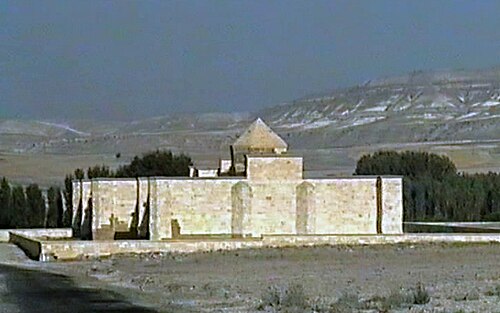
Sarıhan Caravanserai
Sarıhan Kervansaray
Sarıhan Caravanserai is a Seljuk roadside inn built in 1249 during the reign of Seljuk Sultan Izzeddin Keykavus II.
- High
- Historic monument
- Nevşehir
Language · 11 published
Country guide
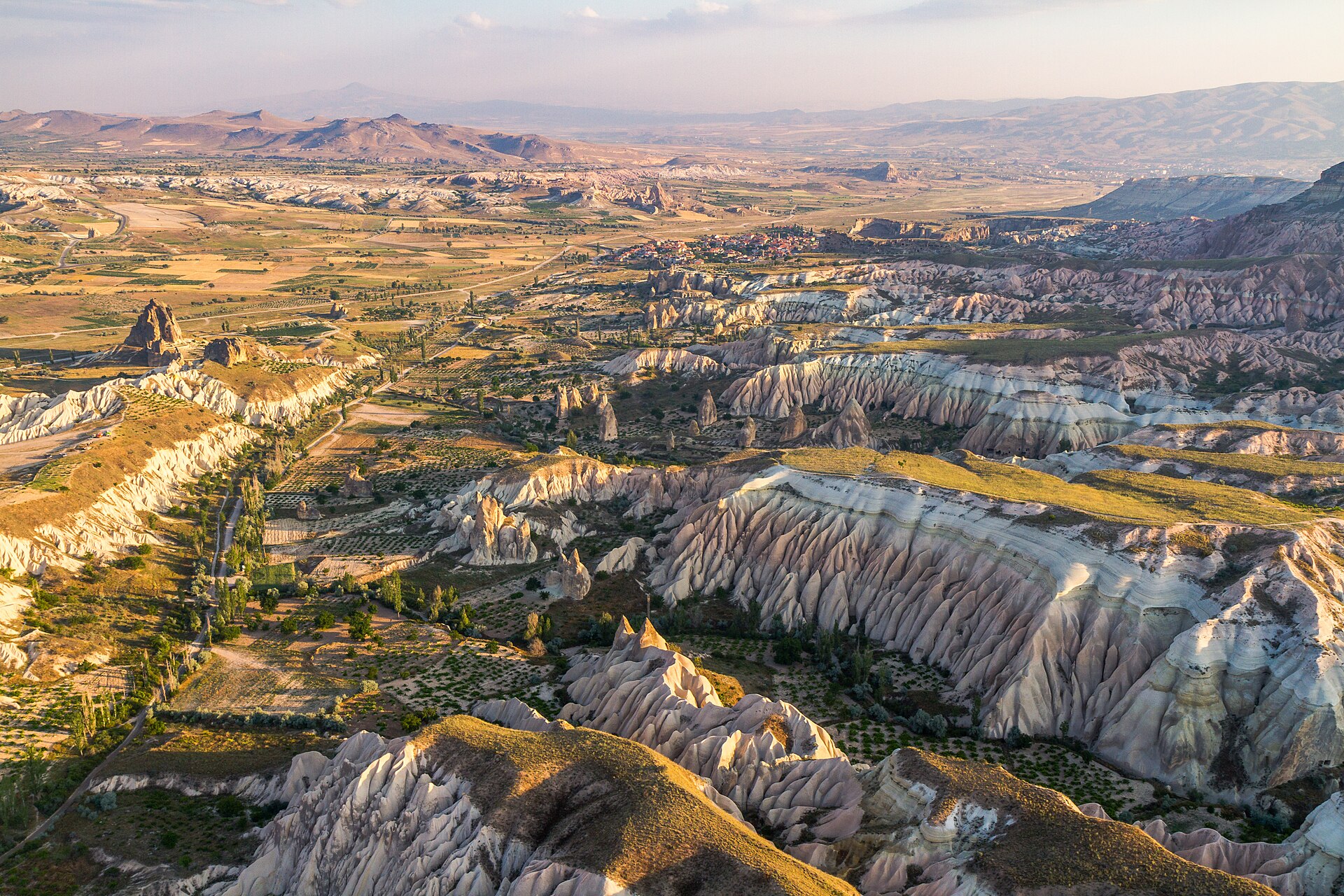
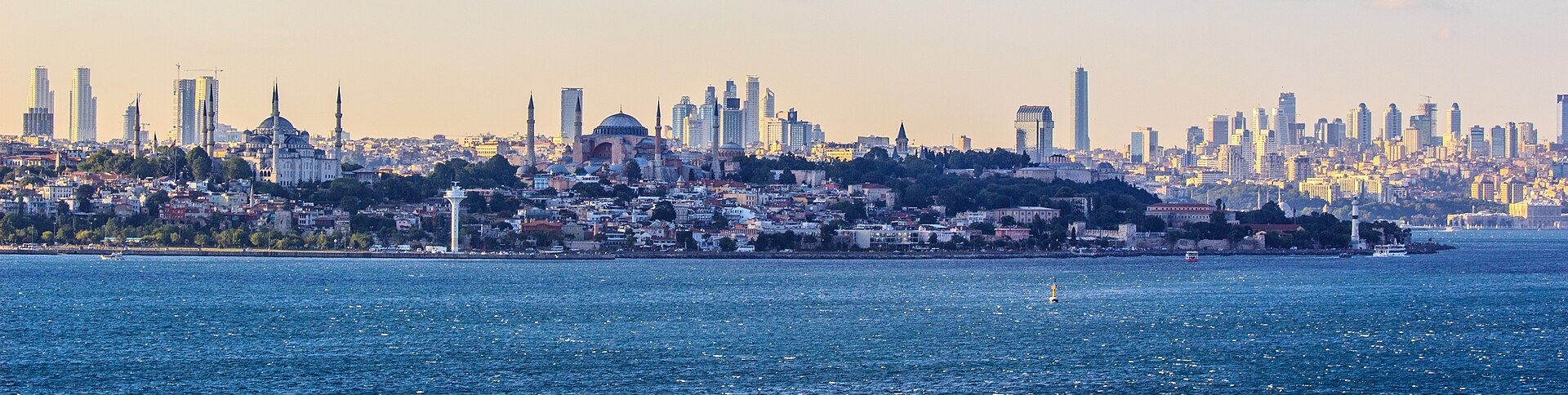
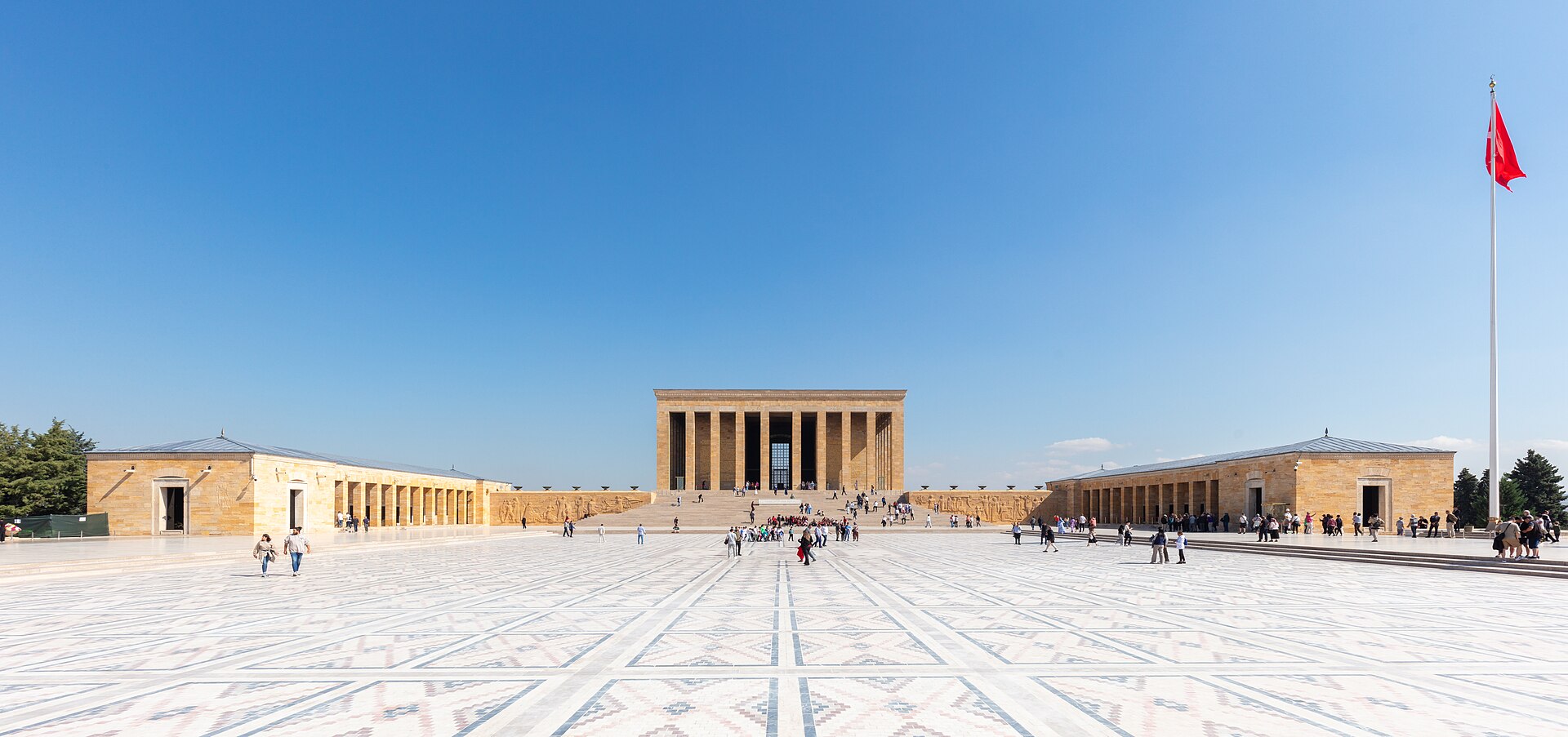
Türkiye is 783,562 km² across 81 provinces, most of it Anatolia in West Asia with East Thrace on the European side of the straits. It has three coasts to choose between — the Black Sea to the north, the Aegean to the west, the Mediterranean to the south — and an interior plateau that behaves like a different country in winter. Istanbul is the largest city and the economic centre, Ankara the capital and the second-largest, and the December 2025 population of 86,092,168 is weighted heavily to the west. A first trip is usually Istanbul and one coast; the plateau is the second trip.
Reviewed by Elena Voss · Roavina Travel Editor
Every city catalogued in this country so far, ranked by how much there is to see.
Photograph · Ben Morlok · CC BY-SA 2.0
Photograph · Diego Delso · CC BY-SA 4.0
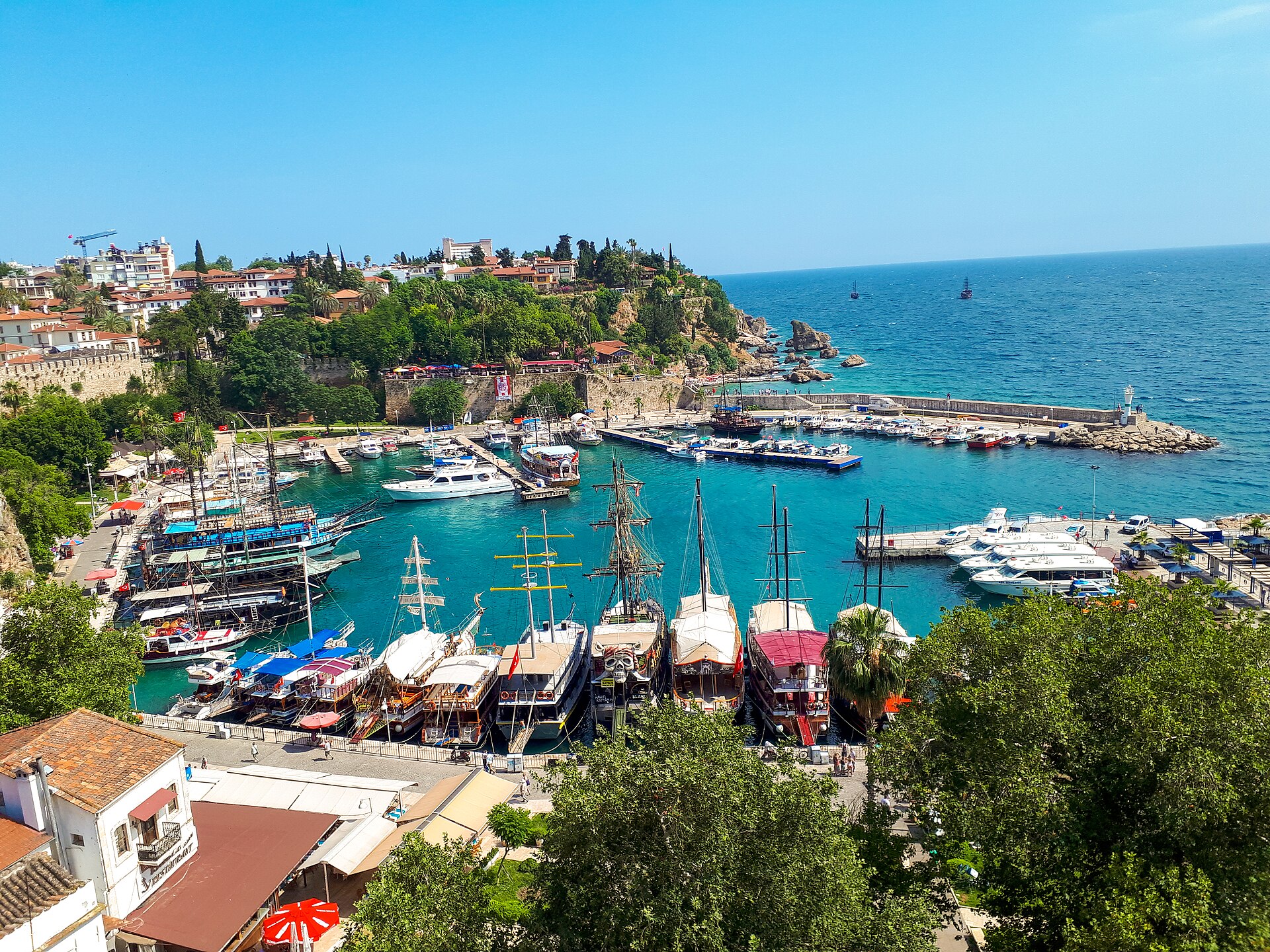
Photograph · REHBER0770 · CC BY-SA 4.0
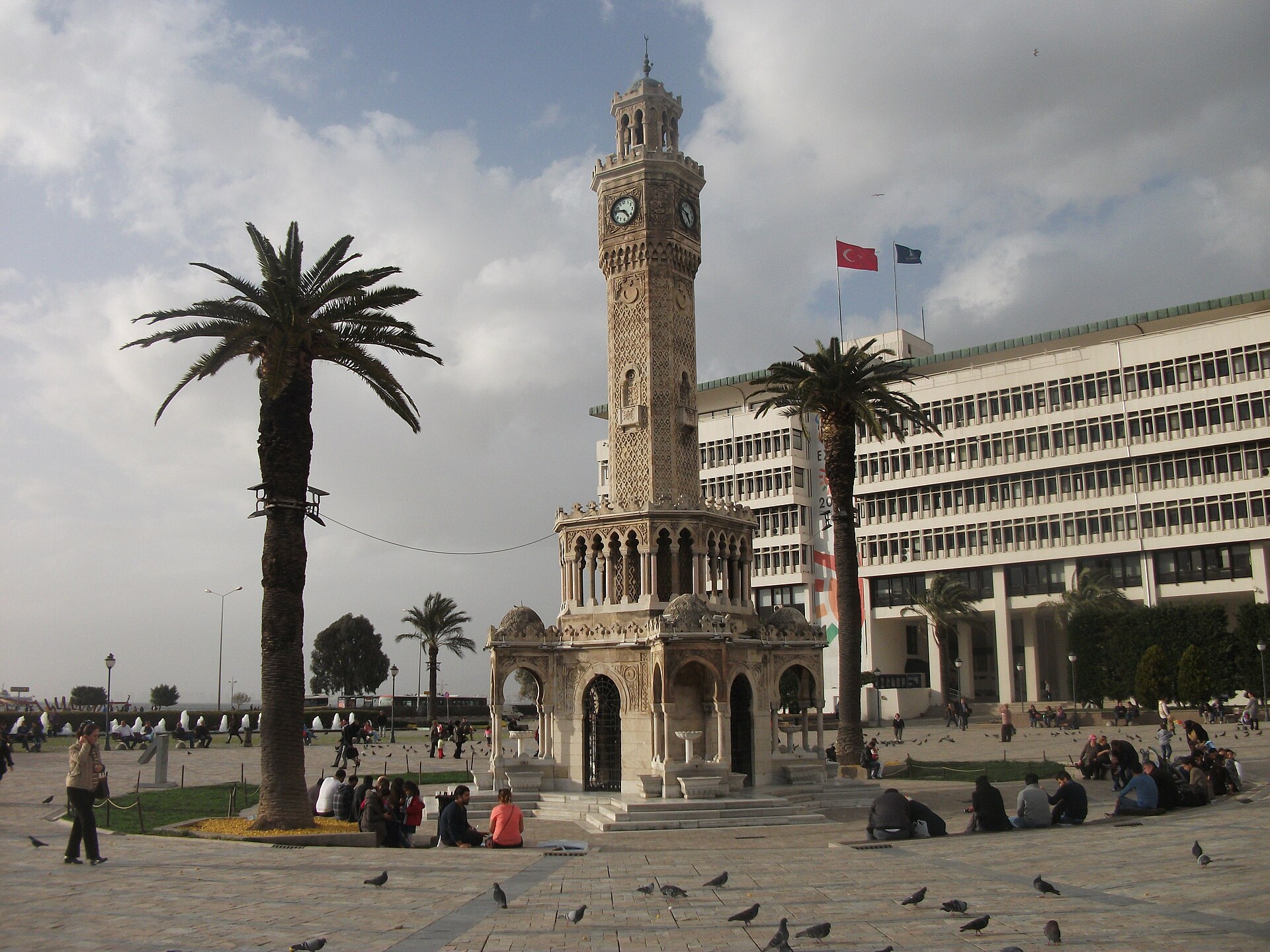
Photograph · Anonymous · CC0
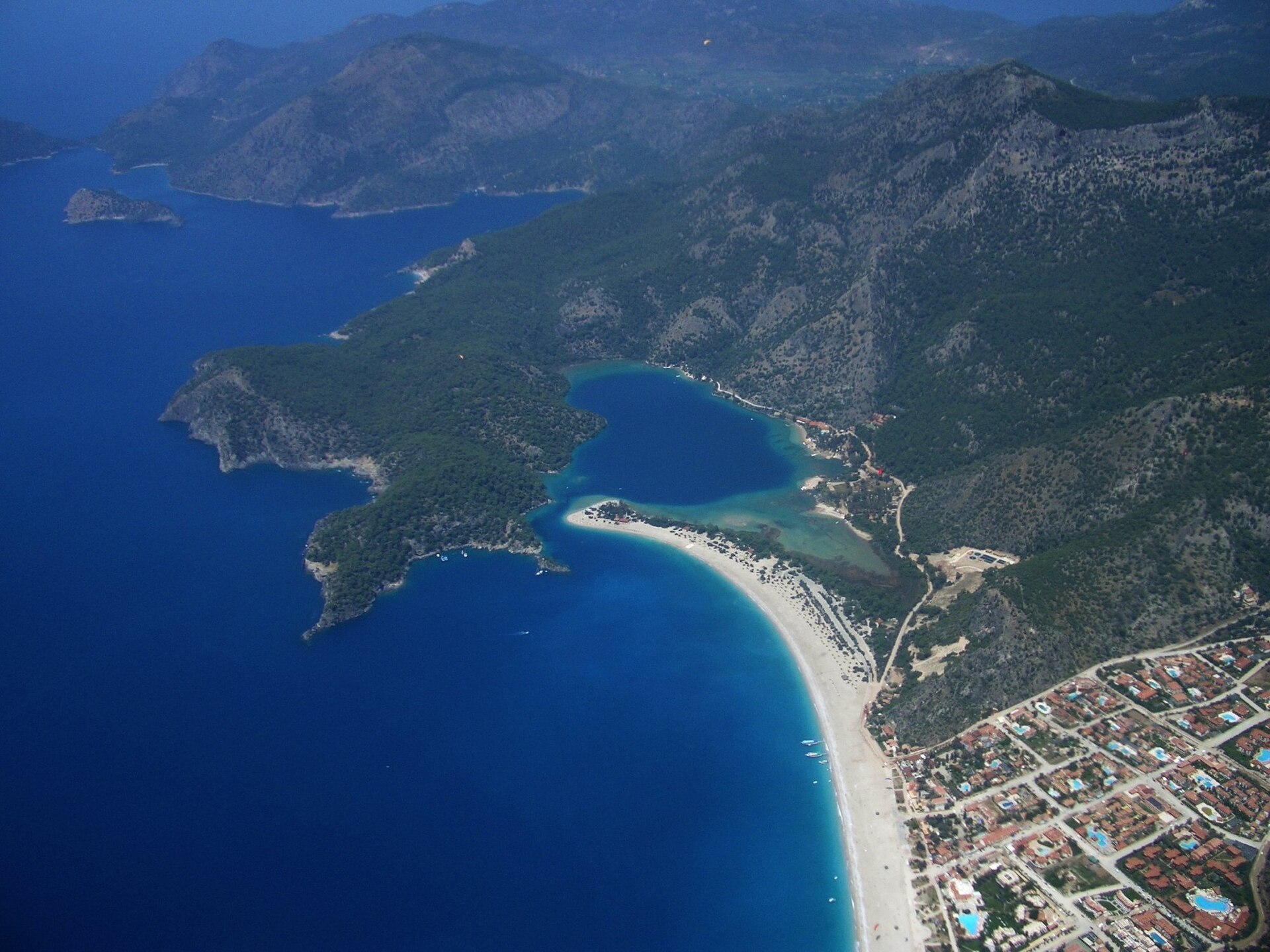
Photograph · Dan Taylor · CC BY 2.0
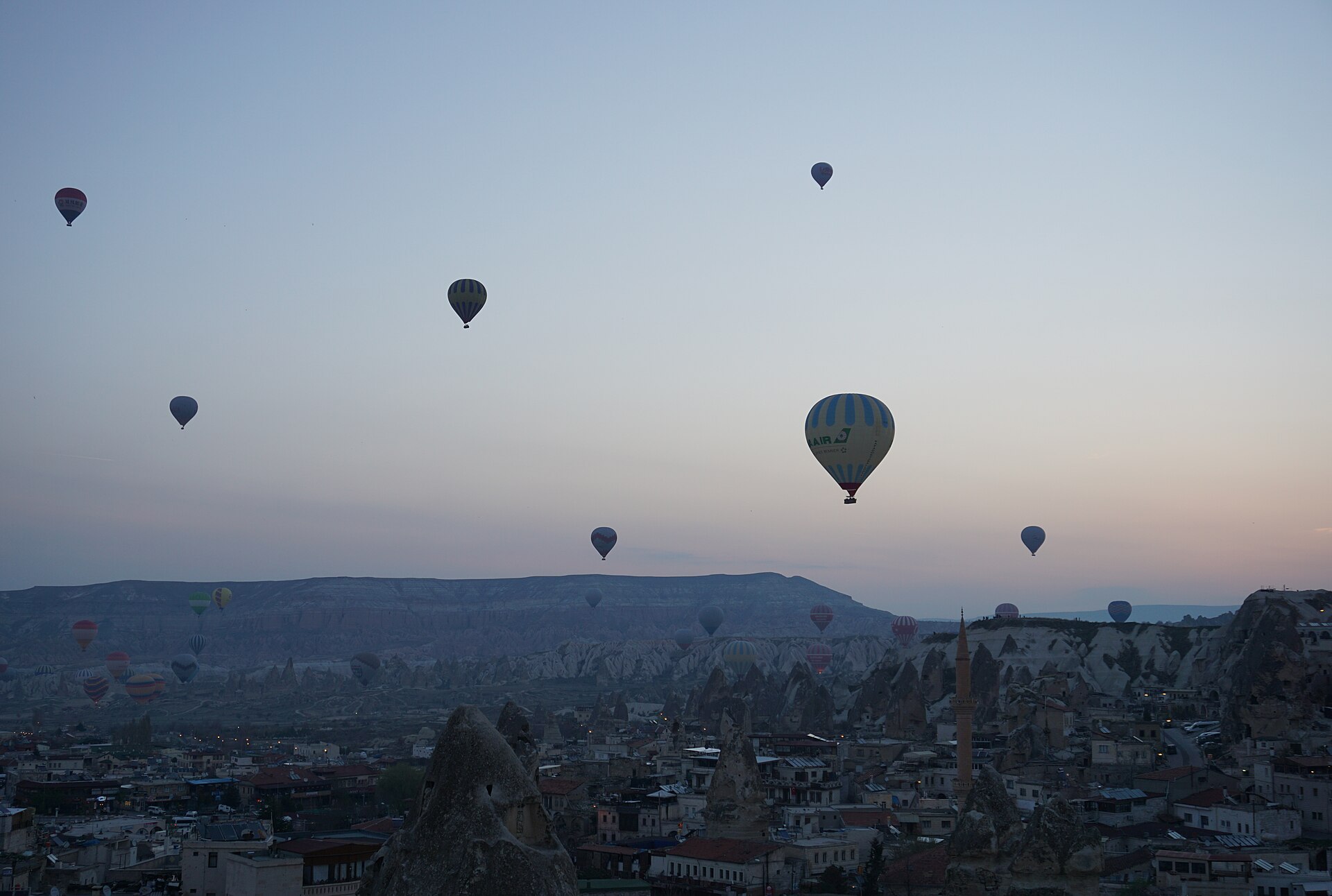
Photograph · Dogaaunlu · CC BY-SA 4.0
Photograph · Egemenakgul · CC BY-SA 4.0
Ranked by importance — sitelinks, pageviews and heritage status, not editor preference.
438 places match
Category
Typical visit duration
Interests
Sarıhan Kervansaray
Sarıhan Caravanserai is a Seljuk roadside inn built in 1249 during the reign of Seljuk Sultan Izzeddin Keykavus II.
State Agora
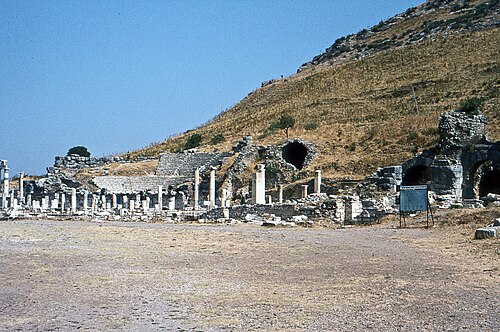
The State Agora of Ephesus is the ancient city’s civic square: an open archaeological space where the surviving footprint and stonework help explain how public life was organised in Ephesus.
Aziz Klemens Kilisesi
St. Clemens Church is an archaeological ruin in Ankara’s Altındağ district, in the Ulus area between Anafartalar Caddesi and Çıkrıkçılar Yokuşu.
Midas'ın Tümülüsü
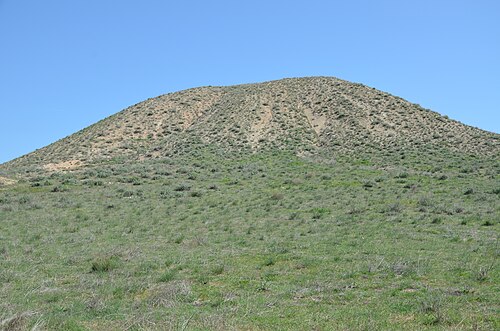
Tumulus MM is a monumental Phrygian burial mound at ancient Gordion near Yassıhöyük in Ankara Province.
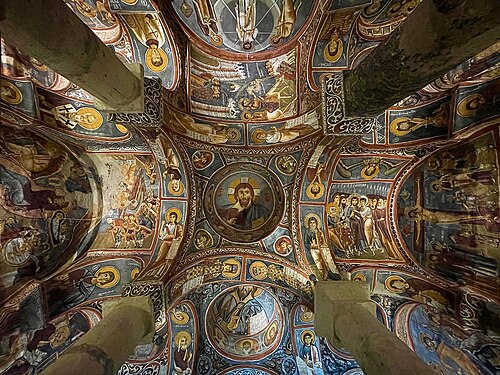
Meryem Ana Kilisesi is a former Greek Orthodox church in Zaferiye Mahallesi, central Kula, on Mustafa Sapcı Sokak. Its history is tied to Kula’s Rum community, including the Turkish-speaking Karamanlı population.
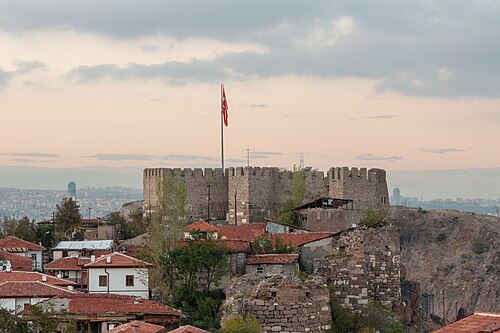
Akkale is the highest bastion of Ankara Castle, at the summit of the fortress above Ankara’s historic Ulus centre. Its identity is architectural and defensive: this is a prominent part of the castle complex, not a separate public museum.
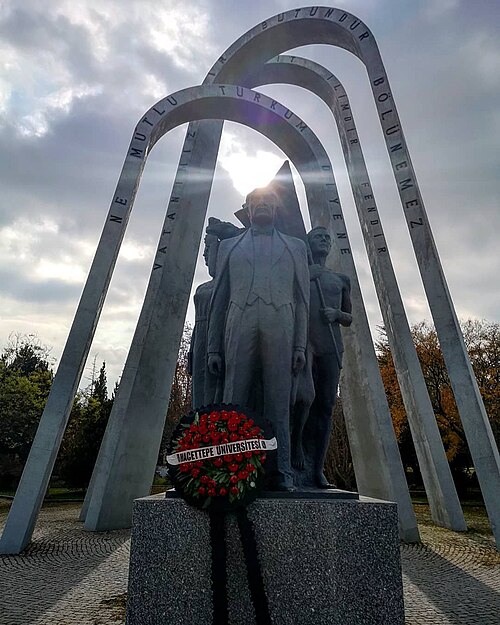
Atatürk Anıtı
Atatürk and the Youth Monument is an open-air work by the sculptor Remzi Savaş, located within Hacettepe University’s Beytepe Campus in Ankara’s Çankaya district. Its approximate position is 39°52′05.1″N, 32°44′10.4″E.
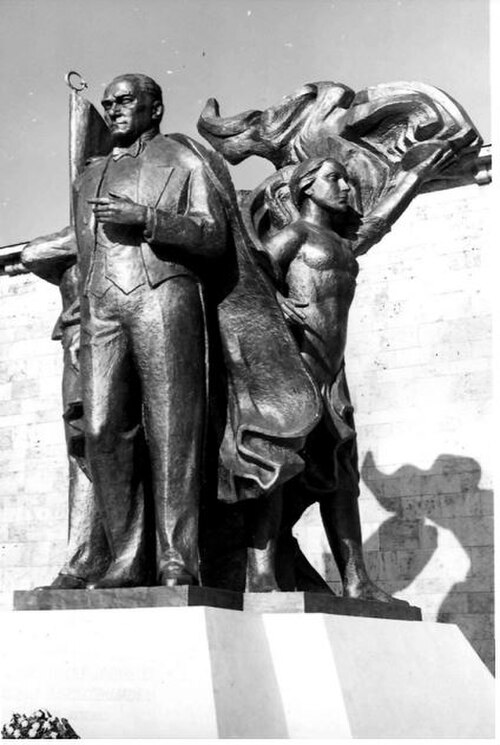
Atatürk Anıtı
Atatürk Monument is a commemorative landmark inside the Grand National Assembly of Türkiye (TBMM) campus in Ankara.
Hacıtuğrul Höyüğü is a large archaeological mound in Polatlı district of Ankara Province, also known as Karahöyük and Yenidoğan Höyük.
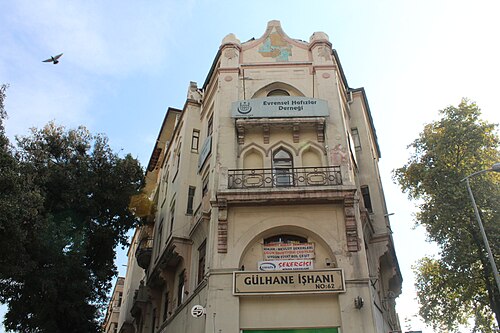
Hasan Fehmi Ataç Apartmanı
Hasan Fehmi Ataç Apartment is a historic building in Ankara’s Ulus district, at the intersection of Anafartalar Caddesi and Denizciler Caddesi. It belongs to Altındağ district and is associated with the First National Architecture Movement.
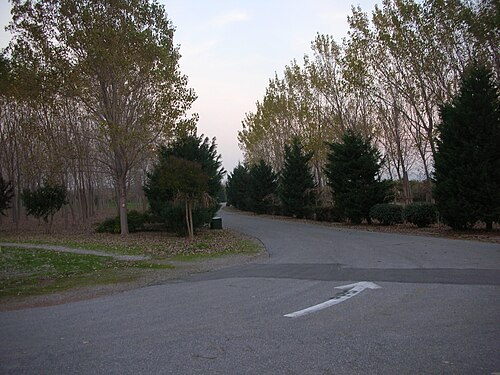
İnciraltı Kent Ormanı
İnciraltı City Forest is a broad public green space in Bahçelerarası, Balçova, on İzmir’s coastal side. Visit İzmir describes approximately 620,000 square metres of open area, giving the site a scale closer to a landscape destination than a compact attraction.
Karaoğlan Höyüğü
Karaoğlan Mound is an open-air archaeological settlement in Karaoğlan Mahallesi, within Ankara’s Gölbaşı district, about 25 kilometres south of Ankara.
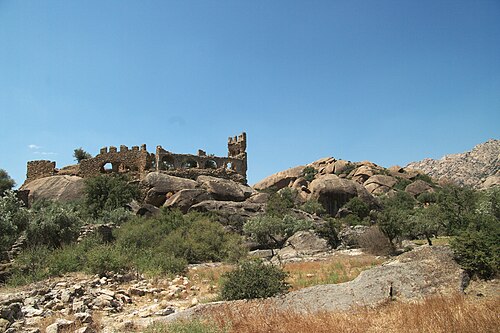
Yediler Manastırı
Kellibaron Monastery is the site identified in official material as Yediler Monastery, set near Gölyaka village in Bafa Mahallesi, Milas, Muğla. Its character comes from the combination of monastic remains, painted decoration and the Beşparmak, or Latmos, mountain setting.
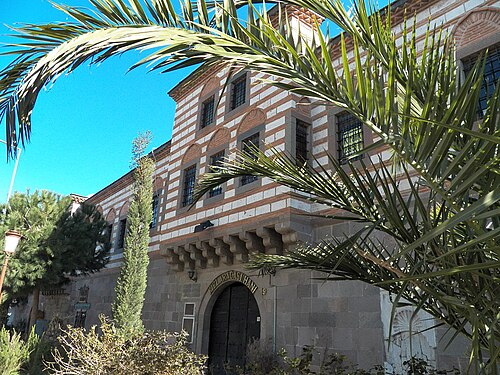
Kızlarağası Hanı
Kızlarağası Han is an eighteenth-century Ottoman commercial inn in İzmir’s Konak district, embedded in the working lanes of Kemeraltı rather than set apart as a museum.
Gate of Magnesia
Magnesian Gate is the surviving city gate identified within the ancient city of Ephesus at Selçuk.
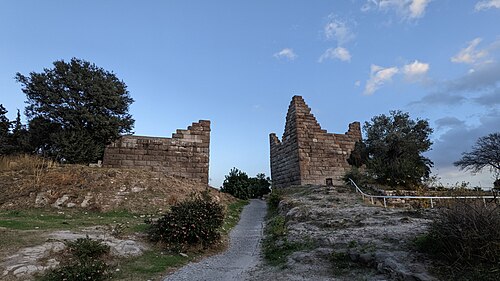
Myndos Kapısı
Myndos Gate is a surviving western entrance to ancient Halicarnassus, at the western exit of modern Bodrum on the road toward Gümbet. Bodrum Municipality places its construction broadly in the 360s BC, during the rule of Mausolus.
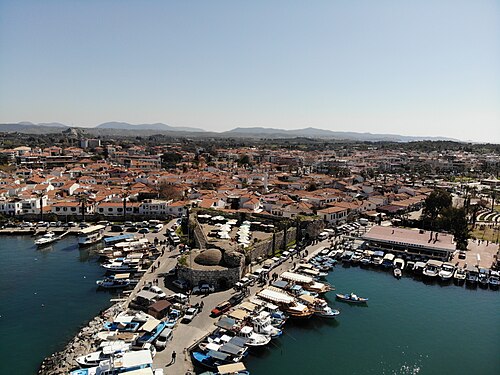
Sığacık Kalesi
Sığacık Castle is a living historic settlement in Sığacık Mahallesi, Seferihisar, İzmir.

Sobesos is an open archaeological site in Şahinefendi village, within Ürgüp district of Nevşehir. Discovered in 2002, it preserves the remains of a small rural town that began in the 4th century CE.
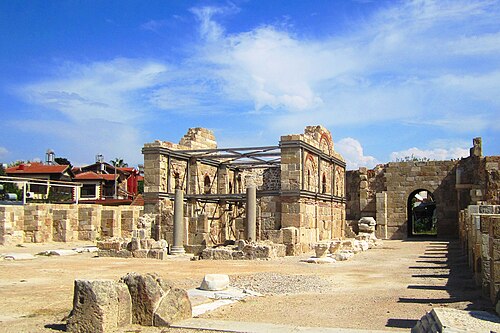
Basilica at Side
The South Basilica of Side is an ancient ecclesiastical ruin located in the Side archaeological zone within Antalya province. This basilica represents part of the extensive Roman and early Byzantine remains that characterize the ancient port city of Side.
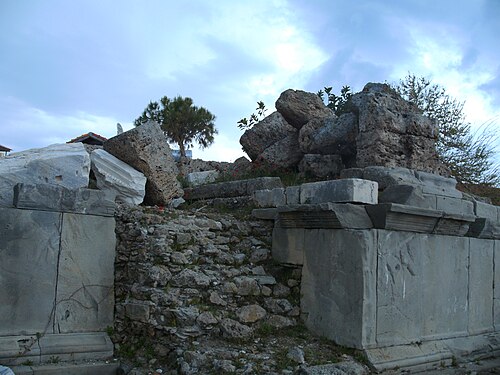
Men Tapınağı
The Temple of Mén is a sanctuary associated with Mén, a lunar deity worshipped in parts of ancient Anatolia. At Side, its remains are encountered within the ancient city's wider archaeological landscape rather than as a complete, freestanding monument.
Kemerarası
Termessos Minor is a small archaeological place in Ceylan, within Seydikemer district of Muğla, where surviving remains are encountered in an open landscape rather than inside a museum.
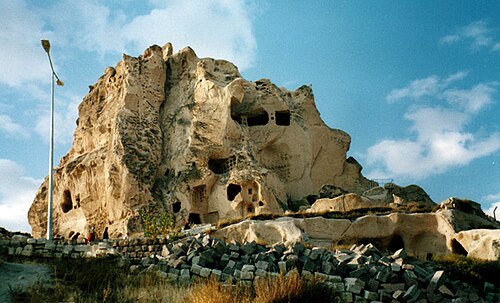
Uçhisar Kalesi
Uçhisar Castle is a massive volcanic tuff formation rising from the centre of Uçhisar village in Cappadocia. It is not a separate masonry building: rooms, tunnels, stairways and lookout spaces were carved directly into the soft rock.
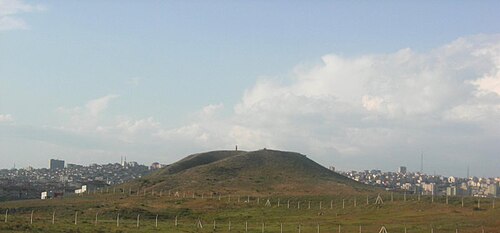
Yumurtatepe Tümülüsü
Yumurtatepe Tumulus is a protected archaeological mound in Ankara’s Yenimahalle district, at the Çiftlik–Demetevler junction. Its identity is tied to an urban landform that survives beside a busy road, rather than to a museum building or reconstructed monument.
Zank Höyük is a substantial archaeological mound near Sarılar in Avanos district, Nevşehir. Rising approximately 29–30 metres and measuring about 300 metres across, it reads as a broad settlement landscape rather than a standing monument.
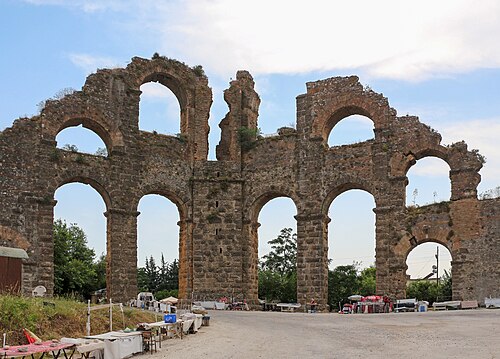
Su kemeri
The Aspendos Roman aqueduct, locally known as Su kemeri, stands as an ancient engineering landmark near Antalya. This surviving remnant of Roman infrastructure once formed part of an extensive water-supply network serving the ancient city of Aspendos.
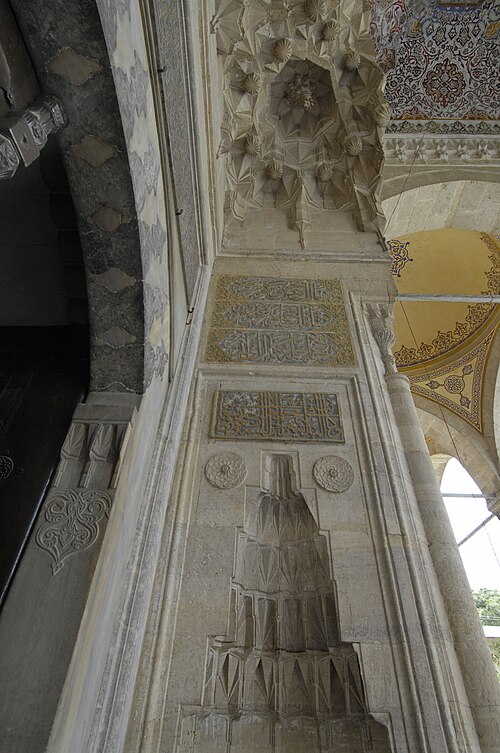
Muradiye Külliyesi
The Muradiye Külliyesi is the walled compound Sultan Murad III endowed in Manisa, and it is the reason three of the city's sights sit within a few steps of each other.
Afkule Monastery
The Monastery of Afkule is a remote religious ruin above Kayaköy in Fethiye district, reached through woodland rather than by a formal museum entrance.
Ağıl Höyük
Ağıl Höyük (Mucur) is a named archaeological mound in Mucur district, near Küçükburunağıl and Kırlangıç Hill.
Ahi Ebubekir Türbesi
Ahi Abu Bakr Tomb is a small local shrine on Ahi Sokak in Akyol Mahallesi, Yatağan, Muğla. Local historical accounts connect Ahi Abu Bakr with the founding of the settlement once known as Ahiköy, alongside his brother Ahi Sinan.
Dağdeviren Höyüğü is a registered archaeological mound in the Kayalıoğlu area of Akhisar, Manisa Province. It is also known as Dağdeviren Çiftliği Höyüğü, while older references call it Akırbey Çiftliği.
Doğala Han is a Seljuk-period caravanserai ruin in Doğala village, Derinkuyu district, Nevşehir, with its surviving remains inside the village cemetery.
Dolayhan
Dolay Han is a ruined Seljuk caravanserai southeast of Til Village, in Derinkuyu district, approximately 30 kilometres southeast of Nevşehir.
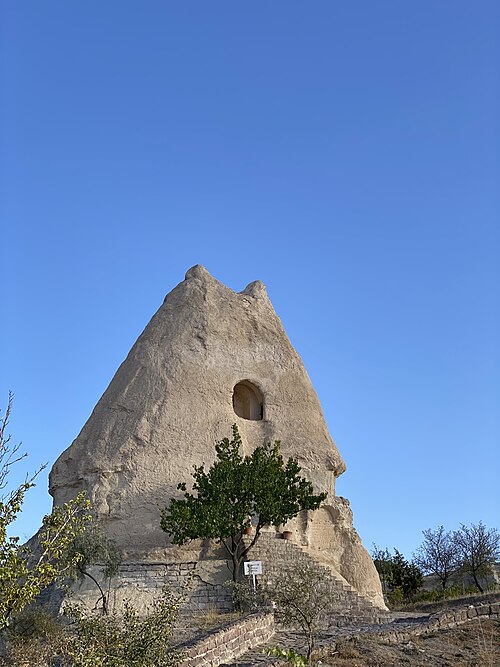
El Nazar Kilisesi
El Nazar Church is a small Byzantine sanctuary carved into a fairy chimney in Zemi Valley, east of Göreme in Nevşehir.
Herkül Köprüsü
Hercules Bridge, known locally as Herkül Köprüsü, is a historical bridge in Antalya. It is best approached as a short architectural stop rather than a major attraction with a formal visitor programme.
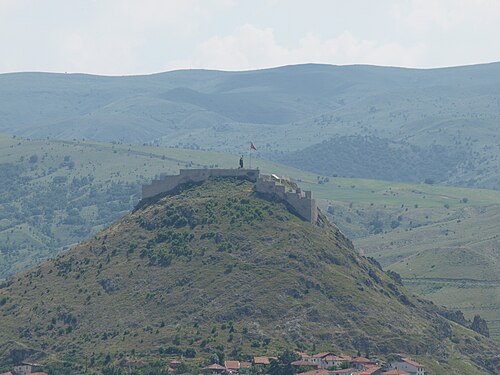
Kalecik Kalesi
Kalecik Castle is a ruined historic site in the centre of Kalecik, Ankara, occupying a steep rocky rise above the town. Public descriptions connect the remains with the Roman or Byzantine period and later Ottoman repairs.
Korucu Köprüsü
Korucu Bridge, known locally as Korucu Köprüsü, is a historical stone bridge located in the Antalya region of Türkiye.
Doyran Monastery
Monastery of Doyran is a named historical and cultural point of interest in the Doyran area of Antalya Province. Its identity is tied to this locality and to a mapped place associated with the region’s religious heritage.

Naras Köprüsü
Naras Bridge, locally known as Naras Köprüsü, is a historic stone bridge in Antalya Province. It offers a compact encounter with traditional Ottoman bridge engineering in a rural setting.
Ömer Dede Türbesi
Ömer Dede Tomb is a small, named religious heritage site in Eskicami Mahallesi, within Selendi İlçe Mezarlığı in Manisa. Its character comes from the place itself: a tomb set inside an active cemetery, rather than a museum or formal exhibition.
Mylasa
Pilav Hill, also known as Pilavtepe, is a modest natural rise near Milas with an unusually specific archaeological story.
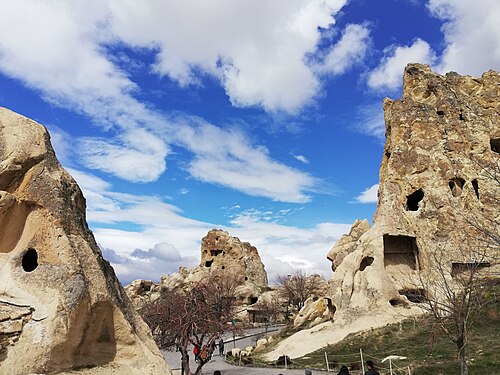
Aziz Basil Şapeli
Aziz Basil Chapel is a compact rock-cut Byzantine chapel at the entrance to Göreme Open-Air Museum.
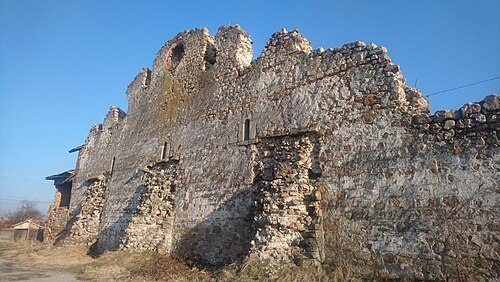
Yeni Han
Yeni Han is a two-storey trading inn in Şehzadeler, Manisa, organised around an internal courtyard. Its identity comes from this inward-facing arrangement: rooms and businesses meet the open centre, creating a compact architectural space within the city’s everyday commercial fabric.
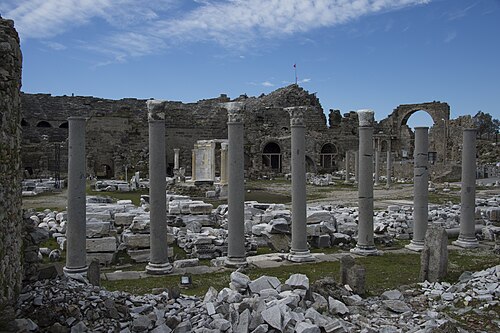
Side
The Agora of Side is a distinct civic and commercial space within the ancient city on Side’s peninsula. Its surviving footprint is read through foundations, column drums, stone blocks, and architectural fragments rather than a complete standing building.
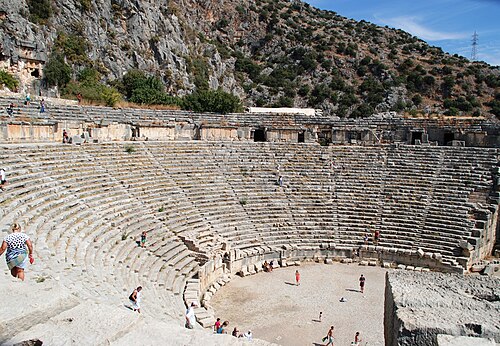
Myra Antik Kenti
Myra’s ancient theatre is a Roman-era performance building within Myra Antik Kenti, near Demre in Antalya province. Its semicircular cavea is carved into the hillside, placing the surviving public architecture directly beneath the rock-cut necropolis.
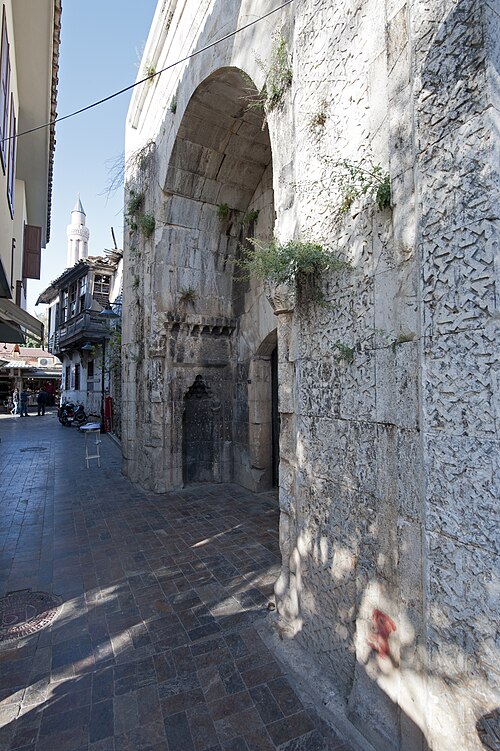
Karatay Medresesi
The Antalya Karatay Madrasa, known locally as Karatay Medresesi, stands as a historic Islamic educational institution in Antalya, Turkey. This architectural monument represents the Seljuk period heritage of the region, reflecting the scholarly traditions that once flourished here.
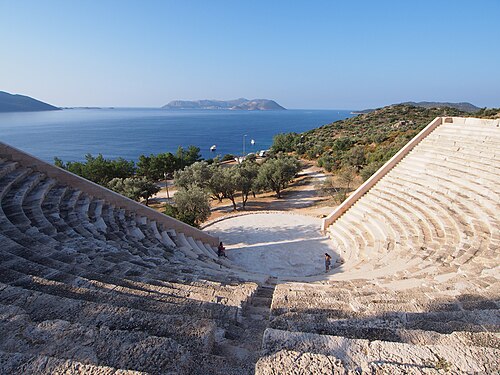
Antiphellos Ancient Theatre
The Greek Theatre of Antiphellos is an ancient open-air theatre in Kaş, Antalya Province. It belonged to the Lycian settlement of Antiphellos, the ancient town beneath modern Kaş.
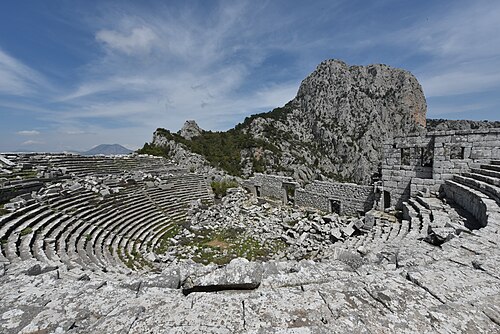
Termessos Tiyatrosu
The Greek Theatre of Termessos is an ancient amphitheatre located within the archaeological site of Termessos, situated in the Taurus Mountains near Antalya. Termessos was a Pisidian city known for its formidable defensive position and resistance to Alexander the Great.
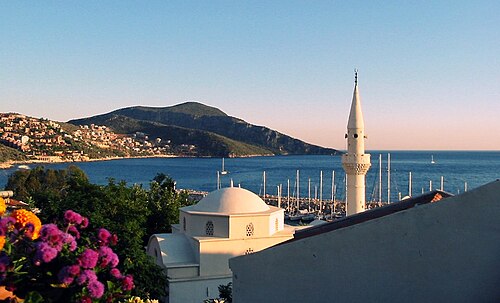
Yeni Cami
New Mosque, or Yeni Cami, is an active mosque in Kaş, a compact Mediterranean town in Antalya Province.
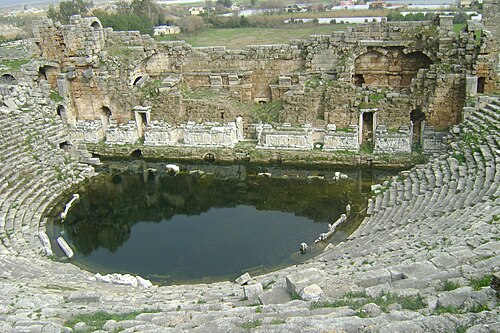
Perge Theatre
The Roman theatre of Perge is a performance monument within the ancient city of Perge, east of Antalya near Aksu.
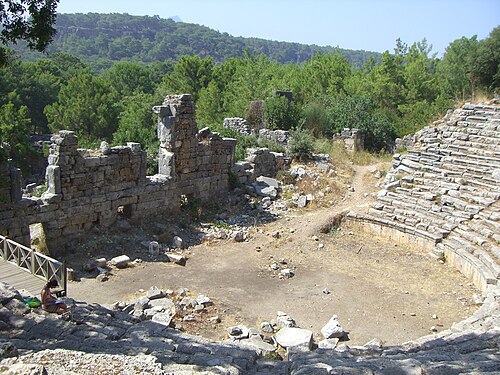
Theater
The Roman theatre of Phaselis is an ancient performance venue located within the archaeological site of Phaselis on the Mediterranean coast near Antalya.
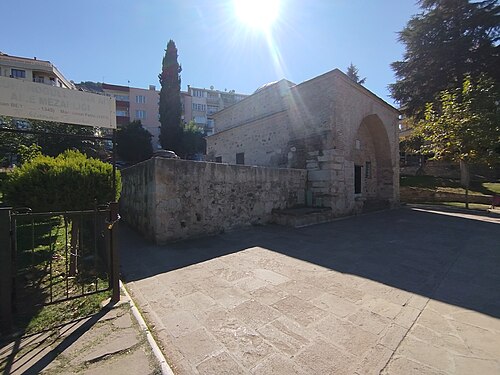
Saruhan Bey Türbesi
The tomb of Saruhan Bey is the oldest dated monument in Manisa's historic quarter, built in 1345 by his grandson İshak Çelebi.
18 Mart Şehitleri Anıtı is a dedicated Çanakkale remembrance complex in Manisa’s Laleli Mahallesi, on Mimar Sinan Bulvarı beside the Manisa–İzmir road.
6 Eylül Şehitleri Anıtı is a town-centre memorial in Gölmarmara, Manisa Province, set near Merkez Park.
Abandoned cave houses are the remains of old Çavuşin, a former settlement cut into a soft volcanic-rock hillside above the newer village.
Mapped as “Abandoned Underground/Cave City,” this place is identified in the responsible public notice as Saray Underground City (Saray Yeraltı Şehri). It lies around Saray Mevkii near Çardak Village, in Nevşehir Merkez district.
Abdi Höyük is a low settlement mound in Abdi village, within Kozaklı district of Nevşehir Province, Türkiye.
Acısu Sıcak Su Kaynağı is a natural hot spring in Manisa province, on the Kula–Selendi road near the Gediz River and roughly 18 kilometres from Kula.
The Acropolis is the steep hilltop at the entrance to Tlos Archaeological Site in Yaka Mahallesi, Seydikemer, Muğla.
![Acropolis of Erythrae [Erythrai]](/media/commons/d/db/500/Erythrai_DSC_0113.jpg)
The Acropolis of Erythrae, also written Erythrai, is the elevated part of the ancient settlement associated with modern Ildırı in Çeşme, İzmir.
Adrenalin Safari Park is a mapped equestrian attraction near Gökbel and Sarıgerme in Ortaca district of Muğla. Its character is defined by outdoor horse-based experiences rather than galleries, rides or a conventional amusement-park layout.
Ağalimanı is a natural cove on the Fethiye Gulf side of Kapıdağ Peninsula in Muğla Province. It is experienced as part of a sea journey, with the boat, sheltered water and coastal landscape forming the main attraction.
Ağıllı Höyük is a broad archaeological mound in the Ağıllı Höyük locality of Acıgöl district, Nevşehir Province, about 2 km west of Ağıllı Village.
Agora is a principal surviving civic space within Euromos Ancient City, near Milas in Muğla Province. Its approximately 95 by 83 metre plan is nearly square, giving the remains a strong sense of order.
The Agora is the civic square at the centre of ancient Euromos, in Selimiye near Milas, Muğla. Its almost square plan measures approximately 95 by 83 metres, giving the ruin a clearly defined footprint within the wider archaeological site.
Ahlatlı Tepecik is a höyük, or settlement mound, on Marmara Lake’s southern shore, about 800 metres west of Tekelioğlu Mahallesi in Manisa’s Salihli area. Its significance lies in the archaeological evidence preserved within a modest rise beside the lake.
Airbus A300 is a full-size 1985 aircraft installed as a roadside landmark in Kızılyaka Mahallesi, Ula district, beside the Muğla–Fethiye road. Brothers Cemal Işıldak and Nurettin Işıldak bought the aircraft for an alternative-tourism project and converted it for restaurant-cafeteria use.
Akhisar Kalesi is the separately mapped castle feature that gives a physical focus to Akhisar’s name in central Manisa.
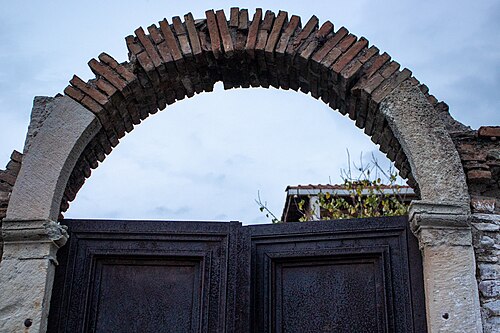
Akhisar Sinagogu is a surviving Jewish-heritage fragment in Paşa Mahallesi, Akhisar, rather than a complete synagogue preserved as a conventional attraction. Historical material identifies it with Akhisar’s former Jewish community, while the visible survival is chiefly the historic doorway.
Akropol is the walled upper settlement within Pedasa, a Lelegian archaeological site in the wooded hills north of Bodrum.
Akropolis is the elevated fortified quarter within the Iasos archaeological site at Kıyıkışlacık in Milas, Muğla. Unlike a standalone monument, it is one identifiable part of a peninsula settlement surrounded by sea on three sides.
Aktüel Traverten Oluşumu is the Cambazlı travertine formation near the Urganlı geothermal area in Turgutlu district, Manisa. It is an outdoor geological landscape within the Turgutlu Neogene basin, at the western end of the Gediz Graben.
Akvaryum Koyu
Akvaryum Koyu is a natural cove on the Bozburun Peninsula, reached as a sea stop rather than a conventional beach complex. Its identity comes from the contrast between clear-looking water and an undeveloped coastal setting.
Akyapı is a large Roman-period building complex within Ören, a settlement in Muğla’s Milas district and the setting associated with ancient Keramos.
Alakilise is an Early Byzantine basilica in the Belören area, preserved as part of the wooded Lycian Way landscape. The responsible public body dates the church to the 5th–6th centuries.
Alazeytin Kalesi / Syangela is a Leleg settlement spread over a conical hill in Çiftlik Mahallesi, within Bodrum district of Muğla Province.
Ali Guven is a named outdoor monument in Bodrum’s Çarşı, commemorating a local sandal-maker rather than a military leader, ruler, or archaeological site.
Altıkapı Türbesi is a 13th-century Seljuk-era tomb in Kavaklıönü, within Ürgüp town centre in Nevşehir Province. Ürgüp Municipality identifies it as a monument known to belong to a mother and her two daughters.
This mapped feature is a short natural underwater tunnel in the Kabak coastal area near Faralya, within the wider Fethiye diving zone. It is reached through the sea rather than through a land entrance.
Ambar gediği is an open-air memorial recorded as a historic=memorial feature near Bozkonur Tepesi in Dalaman district, Muğla Province, Türkiye. It is a small, place-specific point of interest rather than a museum, staffed monument complex or enclosed attraction.
Amfi Tiyatro is the open-air performance venue within Milas Municipality’s Atatürk Kültür Merkezi complex in Hayıtlı Mahallesi.
Amos amphitheatre
Amos amphitheatre is the surviving theatre of an ancient Hellenistic settlement on Asarcık Hill, above the north-western side of Kumlubük Bay near Marmaris.
amfi tiyatro
Amfi Tiyatro is the surviving theatre within Kadyanda, also known as Cadianda Ancient City, in the uplands near Fethiye, Muğla.
Bodrum’s Amphitheatre is the ancient theatre of Halicarnassus, built into the southern slope of Göktepe in Yeniköy Mahallesi. Dating to the 4th century BC, it connects modern Bodrum with the classical city.
Anchor was a former restaurant, cafe and bar at Manastır Caddesi 3 in Güllük, within Milas district of Muğla. Its recorded identity belongs to a casual coastal hospitality venue, not to a monument, museum or ticketed attraction.
Ancient Loryma is the archaeological site identified with Bozukkale, on the hill at the entrance to Bozukkale Bay on the Bozburun Peninsula in Marmaris district of Muğla.

Ancient Sardis Ruins preserve Sardis, capital of the Lydian Kingdom, in Sart in Salihli district of Manisa. Lydian, Persian, Hellenistic, Roman and Byzantine layers meet across this open archaeological landscape.
Ancient site at Sarıçam is a recorded archaeological area in Saruhanlı district of Manisa Province.
The Ancient Theater is a roughly 5,000-seat performance space within Kaunos Ancient City in Çandır, across the Dalyan River from Dalyan in Muğla Province.
Ancient Water Reservoir is a small water-management structure on Gemile Island, off Fethiye in Muğla Province. Its importance comes from its setting: an inhabited island needed dependable ways to collect and store water alongside churches, tombs and settlement buildings.
Ancient water well is a mapped archaeological feature in the Söğüt area of Marmaris district, Muğla, at 36.65638, 28.08556. It is associated with the ancient settlement known as Thyssanos, also called Saranda in municipal visitor material.
Anfi Tiyatro is an open-air performance venue in Turgutreis, Bodrum, Muğla, also identified in municipal event information as Turgutreis D-Marin Amfi Tiyatro. Its stepped seating faces an outdoor stage beside the D-Marin waterfront and near Şevket Sabancı Parkı.
Anıtsal Çınar is a recognised memorial plane tree near Hisarönü in Marmaris district, Muğla. Its identity is unusual because the landmark is both a living tree and a recorded monument: the OpenStreetMap entry applies the tags historic=monument and natural=tree.
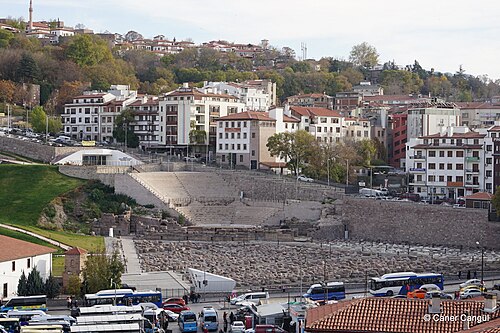
Ankara Roma Tiyatrosu is an archaeological theatre in Ulus, Ankara’s historic core, within Altındağ district.
Annex Church is a named archaeological ruin within the Gemiler Island archaeological area, off the Fethiye coast in Muğla Province. Its identity is tied to a particular island settlement and to the water approach from Gemiler Cove, near Kayaköy.
Apollonis is an ancient settlement in Manisa Province’s Akhisar district, identified with the rural remains around Konurca Kalesi. The site is reached from the vicinity of Mecidiye/Palamut village, with the archaeological area lying approximately 2 kilometres north of the village.
Aptalhöyük is an archaeological mound near Gökçetoprak village in Gülşehir district of Nevşehir. Its identity is tied to the mound itself and to the cultivated landscape around it, rather than to a museum, restored monument or visitor centre.
Akvaryum Koyu
Akvaryum Koyu is a natural cove in Muğla’s Datça district, on the coast east of Palamutbükü.
Arkeoloji Müzesi is an archaeology museum identified by this Muğla record. The place should be treated as its own museum entry, separate from Marmaris Museum and the locations associated with Marmaris Castle, Tepe Mahallesi, Kaleiçi Mevkii, and Kemeraltı Mahallesi.
Asaardi Yolu
Asaardi Yolu is a named rural junction on the Lycian Way in Muğla Province, where an outdoor road connection meets a long-distance walking route. Its identity comes from movement through the landscape rather than a building, collection or staffed attraction.
Asarburnu Kalesi is an open-air archaeological ruin in the Kapıkırı–Bafa surroundings, within the wider Herakleia–Latmos historic landscape. The surviving castle remains stand in open countryside rather than inside a restored monument, museum or enclosed attraction.
Source: OpenStreetMap contributors, Wikidata ·
Ten to fourteen days allows about four days in İstanbul and at least three around Antalya when coastal archaeology is included. Cappadocia needs its own regional stay, and a one-way coastal route is more workable than returning to the same city each night.
Türkiye's visa position varies by passport and purpose. Verify the rule through the Ministry of Foreign Affairs and, when eligible, use only the official e-Visa service rather than an intermediary.
İstanbul's two airports and Antalya are the principal gateways for this itinerary. Domestic flights cover long cross-country legs, coaches serve many city pairs, and high-speed rail is most useful on the İstanbul-Ankara axis rather than as a universal substitute.
April to May and September to October are broad choices for combining İstanbul with the Mediterranean coast. Cappadocia nights, inland heat, and Antalya's coastal conditions differ, so confirm weather for each overnight base.
Türkiye uses the Turkish lira (TRY). Keep lira available for smaller transport and market transactions even when cards are accepted, and review the displayed amount in TRY before agreeing to any card conversion.
Dial 112 for emergencies in Türkiye. Electricity is 230 V through Type C and F sockets; tap-water safety is not recorded here, so obtain current local advice at each stop.