Ankara Castle
Ankara Kalesi
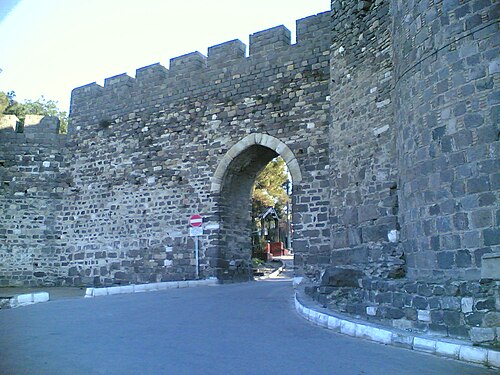
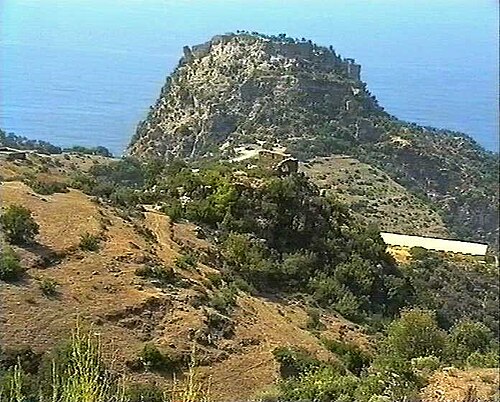
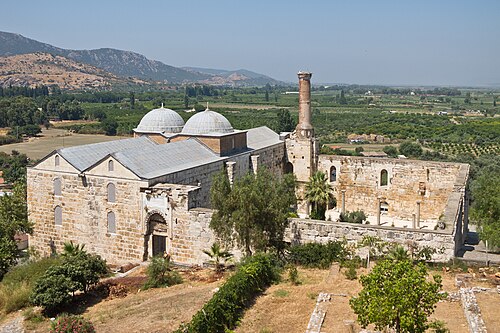
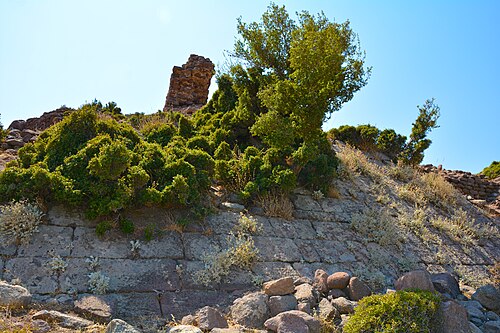
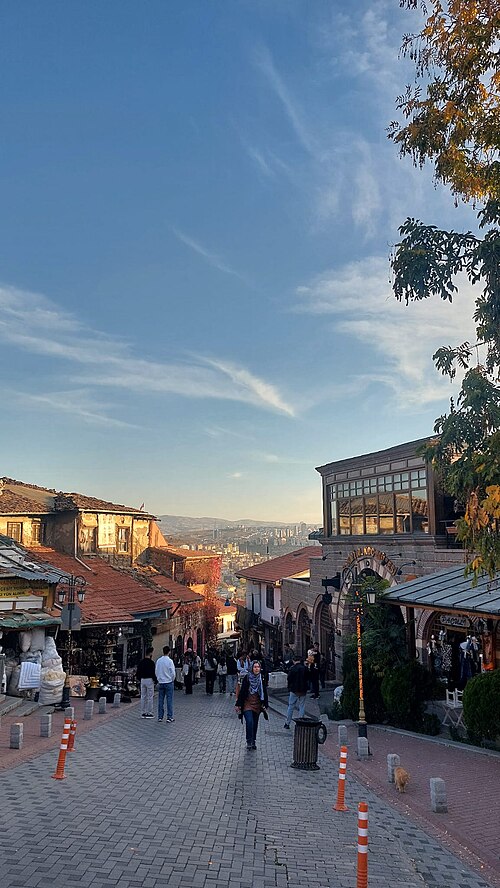
Ankara Castle is a publicly accessible historic hilltop area in Kale neighbourhood, Altındağ district, rather than a ticketed museum with a single controlled entrance.
- Must see
- Historic monument
- Ankara
Language · 11 published
Country guide
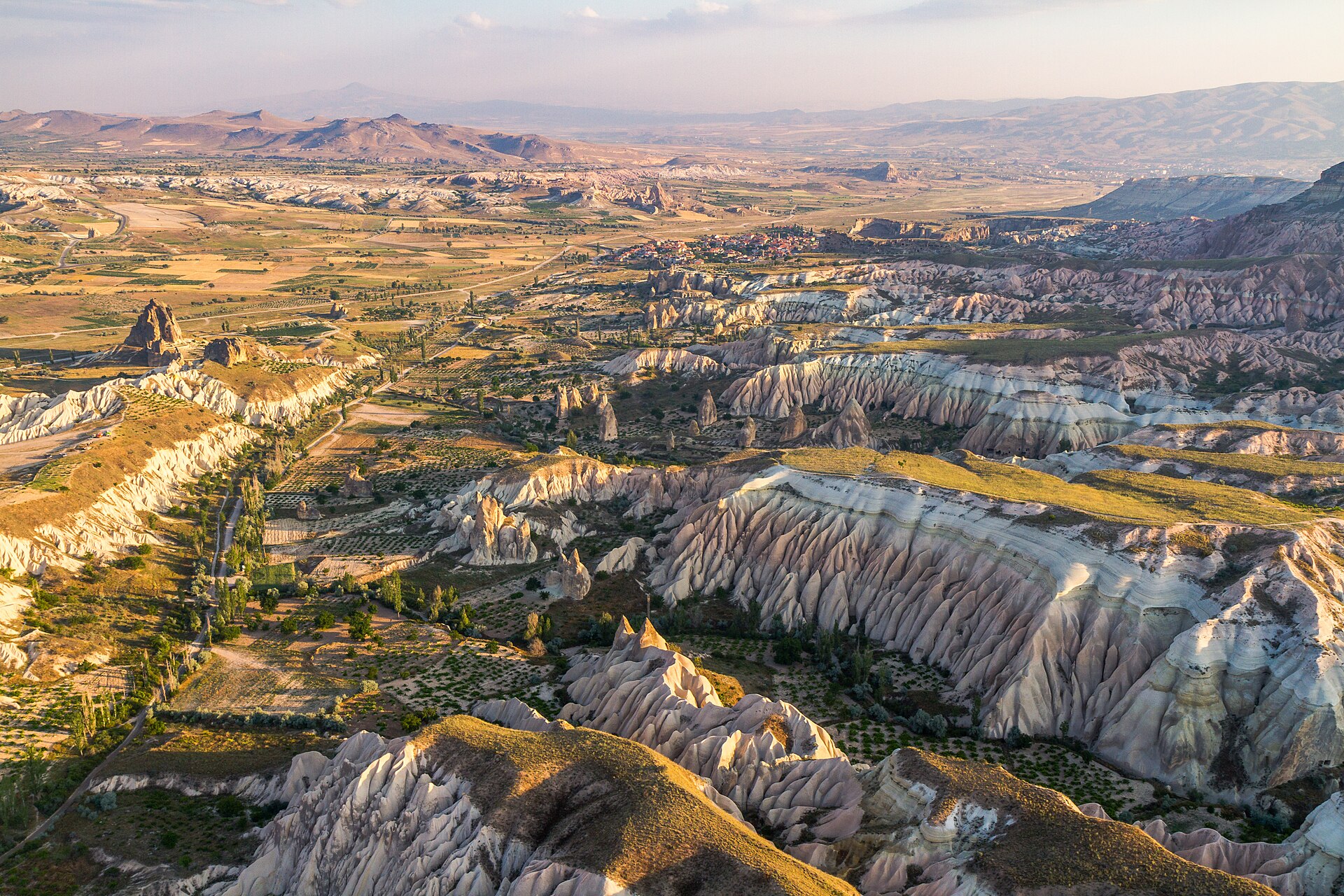
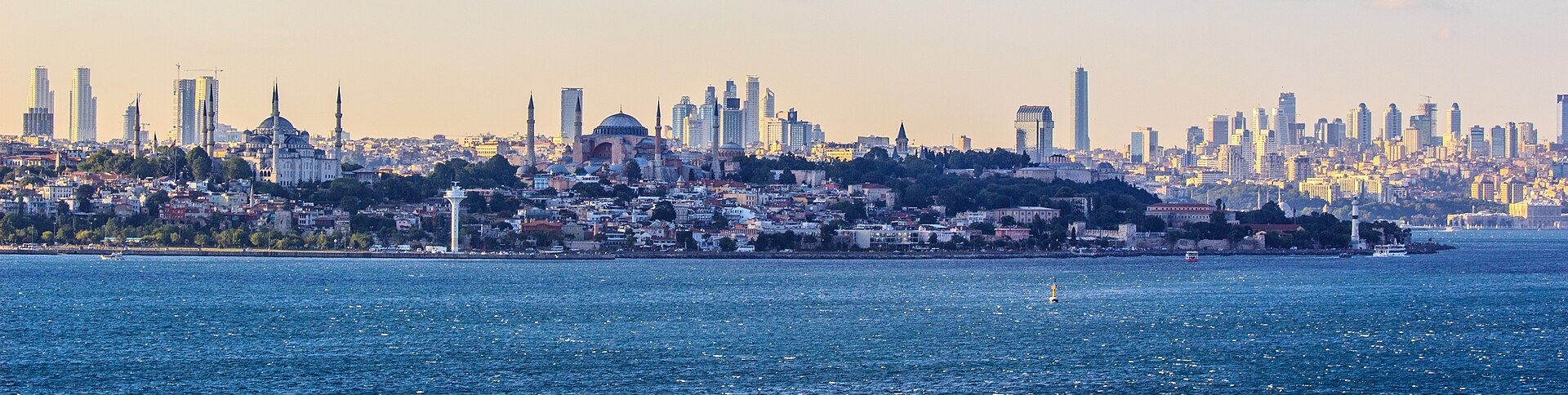
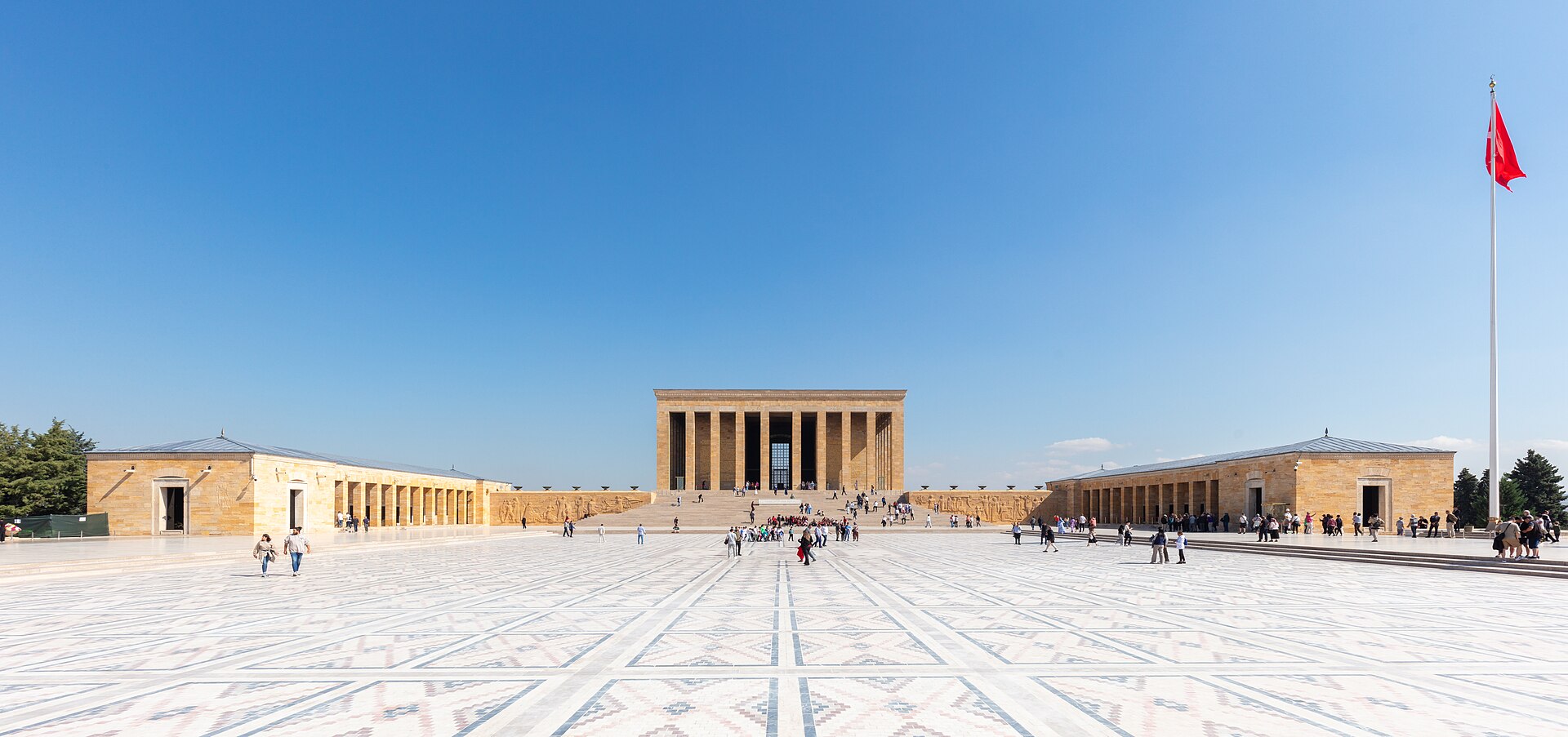
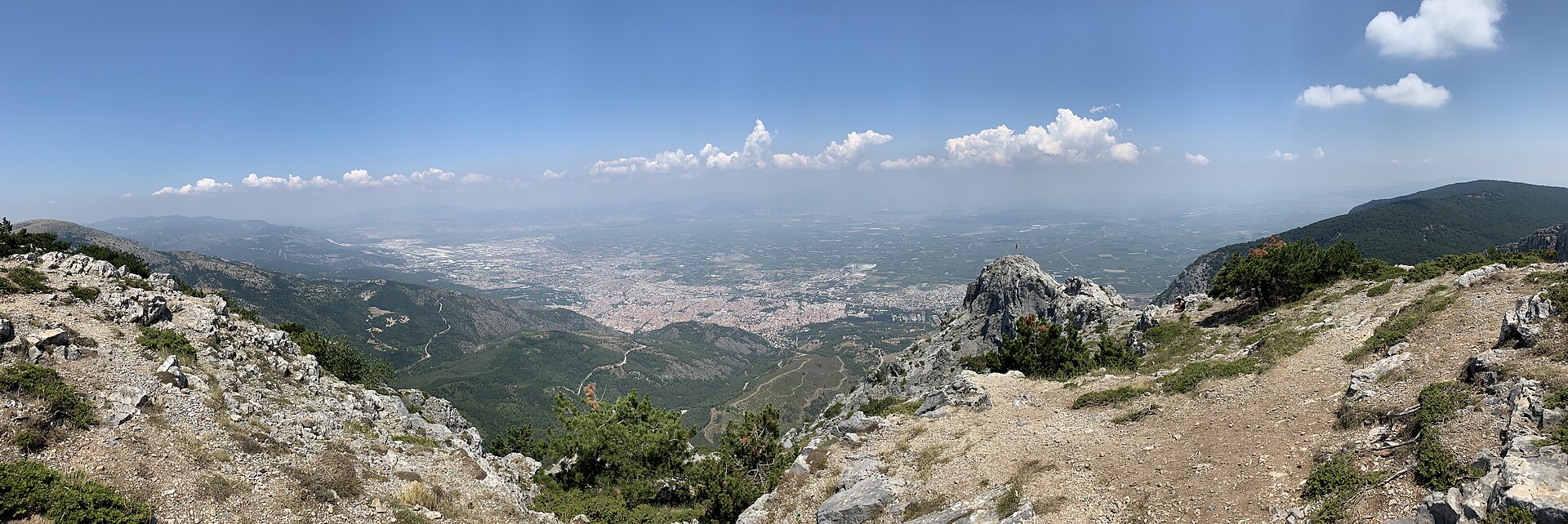
Türkiye is 783,562 km² across 81 provinces, most of it Anatolia in West Asia with East Thrace on the European side of the straits. It has three coasts to choose between — the Black Sea to the north, the Aegean to the west, the Mediterranean to the south — and an interior plateau that behaves like a different country in winter. Istanbul is the largest city and the economic centre, Ankara the capital and the second-largest, and the December 2025 population of 86,092,168 is weighted heavily to the west. A first trip is usually Istanbul and one coast; the plateau is the second trip.
Reviewed by Elena Voss · Roavina Travel Editor
Every city catalogued in this country so far, ranked by how much there is to see.
Photograph · Ben Morlok · CC BY-SA 2.0
Photograph · Diego Delso · CC BY-SA 4.0
Photograph · REHBER0770 · CC BY-SA 4.0
Photograph · Anonymous · CC0
Photograph · Dan Taylor · CC BY 2.0
Photograph · Dogaaunlu · CC BY-SA 4.0
Photograph · Egemenakgul · CC BY-SA 4.0
Ranked by importance — sitelinks, pageviews and heritage status, not editor preference.
619 places match
Category
Typical visit duration
Ankara Kalesi
Ankara Castle is a publicly accessible historic hilltop area in Kale neighbourhood, Altındağ district, rather than a ticketed museum with a single controlled entrance.
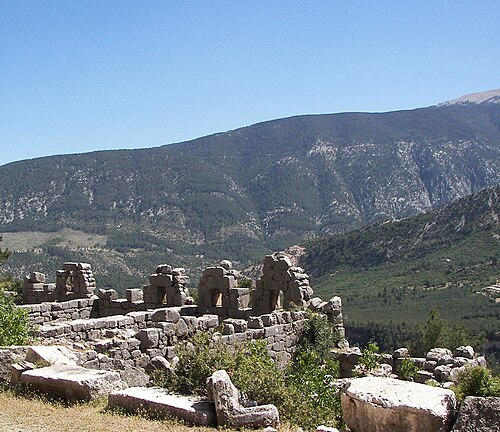
Kyme
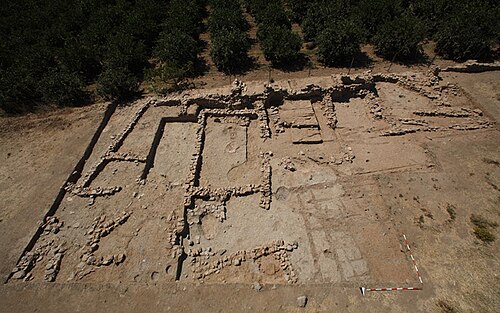
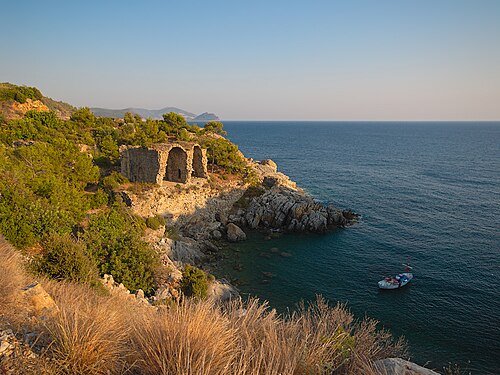
Cyme, also called Kyme, is an archaeological site near Çakmaklı in Aliağa, İzmir, around Nemrut Bay. It was one of the Aiolian cities founded around the middle of the eleventh century BC and developed as an important port centre.
Mısır Çarşısı
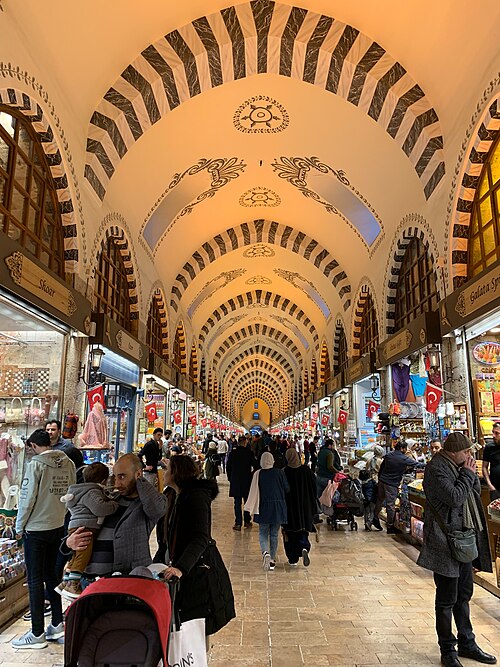
The Spice Bazaar is a covered market hall in Eminönü that was paid for by an empire's tax farm and built to keep a mosque solvent.
Augustus Tapınağı
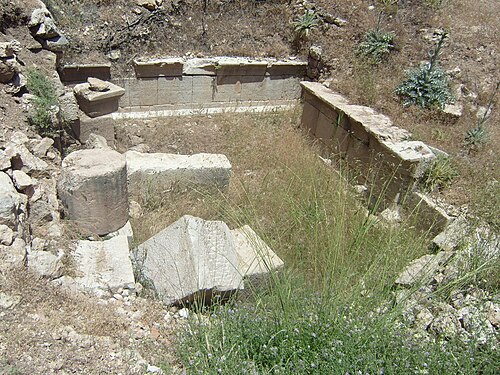
The Temple of Augustus in Ankara is a Roman monument beside Hacı Bayram Mosque in the Hacı Bayram quarter of Altındağ. Its surviving walls preserve the Res Gestae Divi Augusti, a Latin and Ancient Greek account of Emperor Augustus’s achievements.
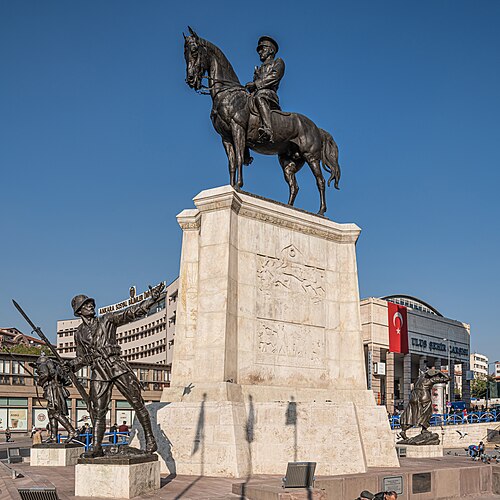
Saklıkent Millî Parkı
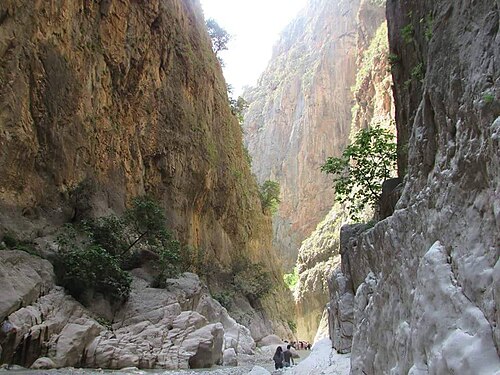
Saklıkent Canyon is a natural gorge in Seydikemer district of Muğla, close to the Antalya provincial border. It is approximately 18 kilometres long, and Karaçay, a branch of the Eşen River, flows through it.
Hacı Bektaş-ı Veli Türbesi
The Haji Bektash Veli complex is a historic Bektashi lodge and museum in Hacıbektaş, Nevşehir Province.
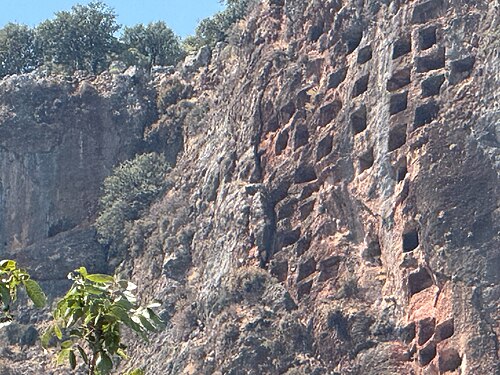
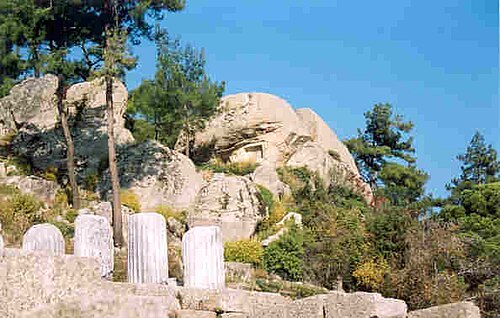
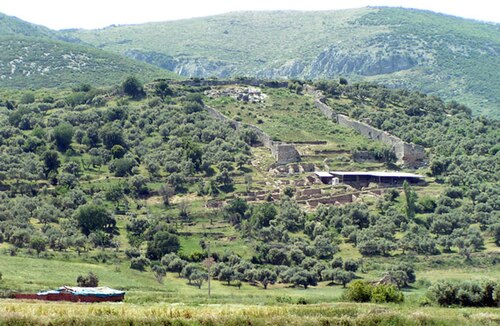
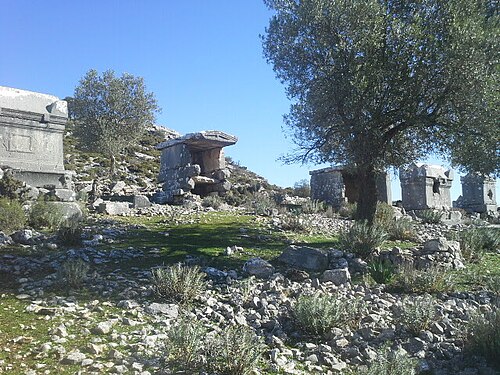
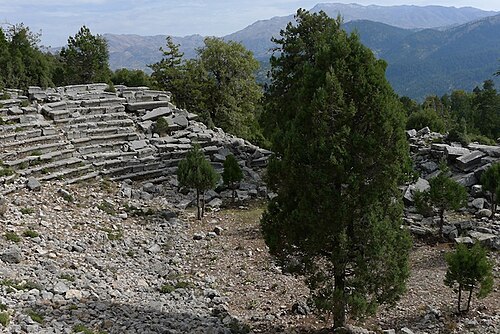
Pinara is a Lycian archaeological site near Minare village in Muğla’s Fethiye area, about 40 km from Fethiye. Its name is associated with the Lycian word for “round”, referring to the rounded rocky hill that defines the setting.
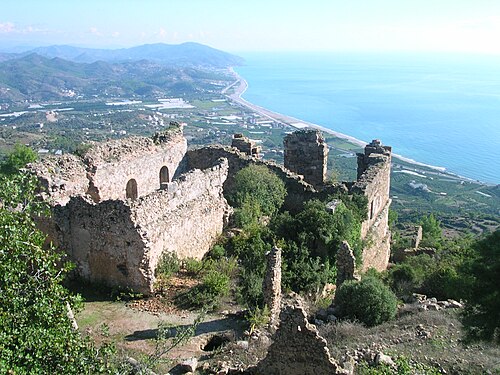
Bodrum Camii
Bodrum Mosque is the church of the Myrelaion, built around 920 by Romanos I Lekapenos as the chapel of his own palace, and it is one of the very few tenth-century churches of Constantinople still standing.
Molla Fenari İsa Camii
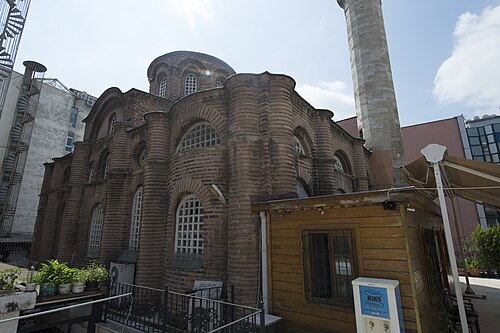
Fenari Isa Mosque is two Byzantine churches joined into one building, and understanding that is most of understanding the place.
İzmir Saat Kulesi
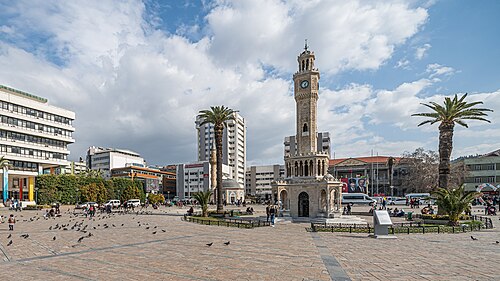
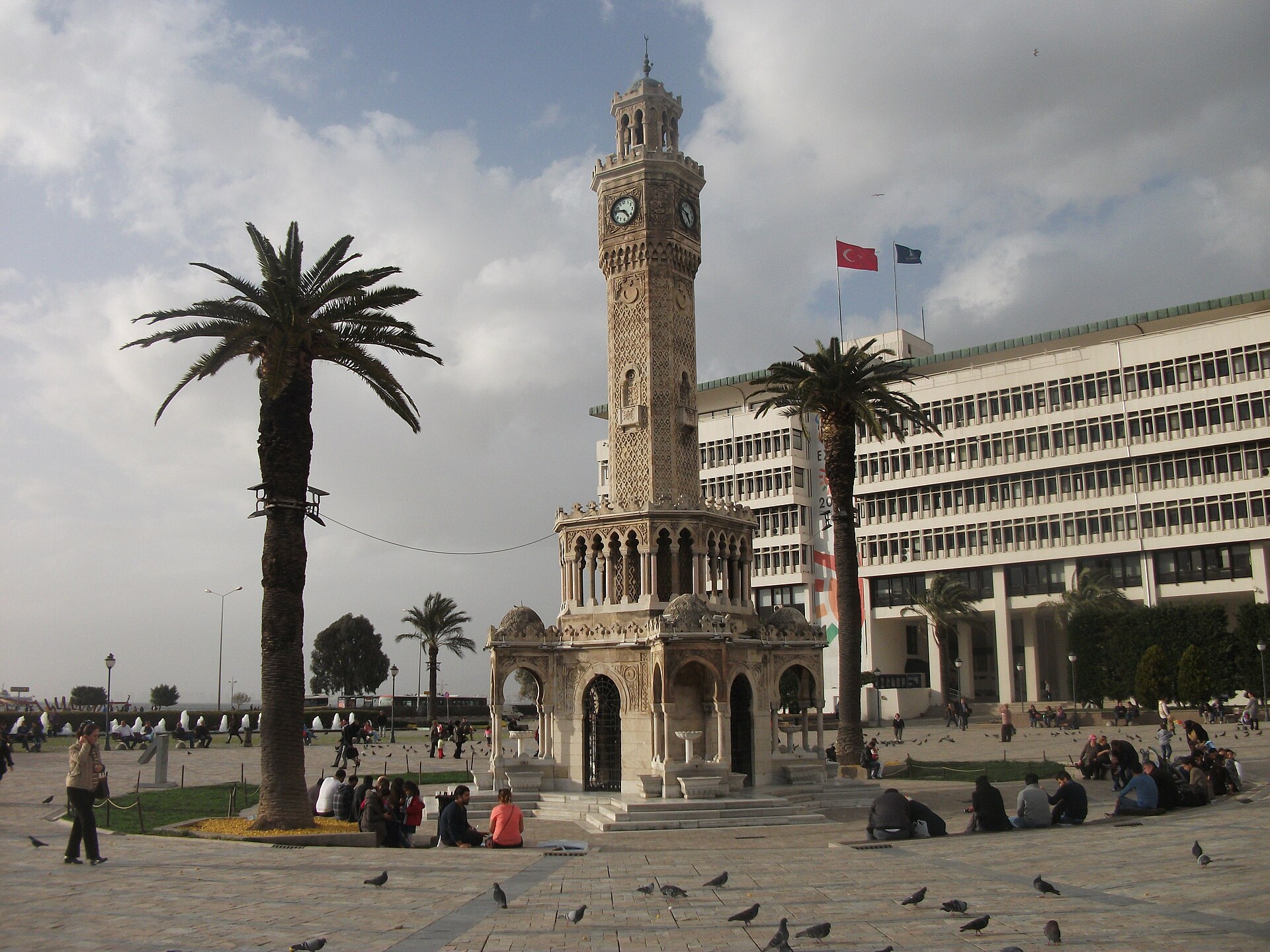
İzmir Clock Tower is a historic public monument in Konak Square, in İzmir’s Konak district. Built in 1901 to commemorate the 25th anniversary of Sultan II Abdülhamid’s accession, it has become one of the city’s most recognisable symbols.
Kalenderhane Camii
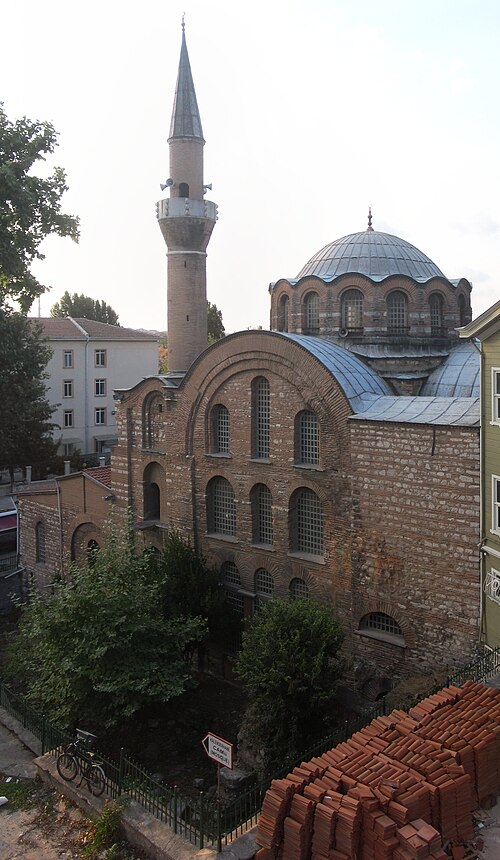
Kalenderhane Camii is a Byzantine church that became a mosque, standing in Fatih immediately beside the Valens Aqueduct.
Aziz Yuhanna Bazilikası
Basilica of St. John is a hilltop archaeological complex on Ayasuluk Hill in Selçuk, İzmir, at İsa Bey Mahallesi, St. Jean Sokak No: 4. Its identity comes from the monumental church built over the site associated with St.
Klaros
Claros is a sanctuary of Apollo at Ahmetbeyli in Menderes, İzmir, remembered for prophecy rather than for the remains of a complete ancient town.
Mogan Gölü
Lake Mogan is a shallow natural lake and recreation destination in Gölbaşı district, about 25 kilometres south of Ankara. The lake covers approximately 5 square kilometres, and the surrounding Mogan Recreation Area provides a broad public park beside the water.
Sveti Stefan Bulgar Kilisesi
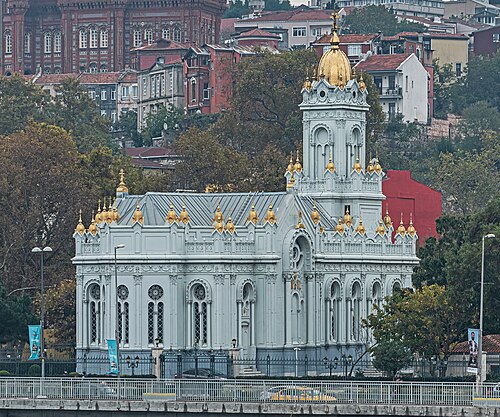
Bulgarian St. Stephen Church is the cast-iron Bulgarian Orthodox church on the Golden Horn shore in Balat. Istanbul’s official visitor portal dates the present building to 1898 and identifies Hovsep Aznavur as its architect.
Kula
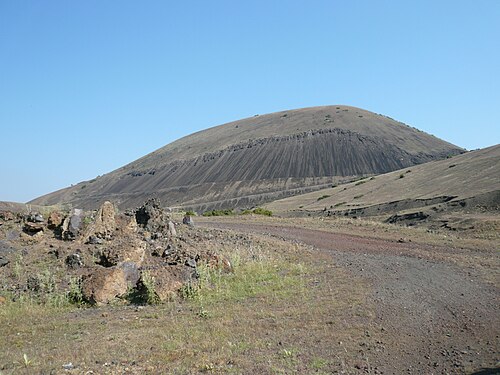
Kula Volcano is an extinct cinder cone in the Kula volcanic field, the feature that gives the field and the surrounding Kula-Salihli Geopark their name.
Damlataş Mağarası
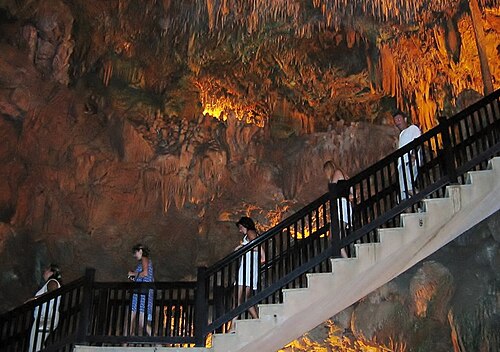
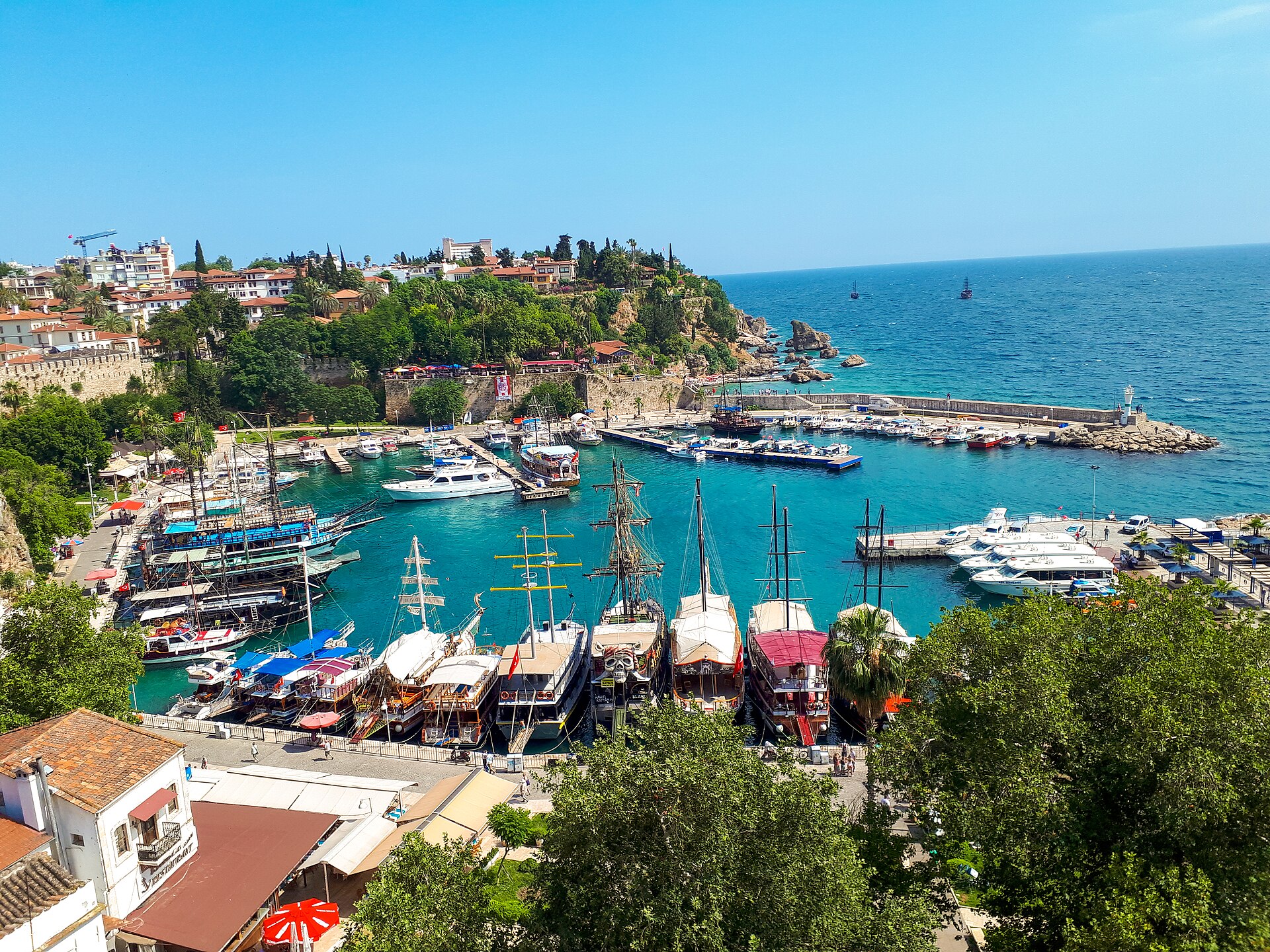
Damlataş Cave is a natural limestone cavern located on the western coast of Antalya, near the famous Cleopatra Beach. The cave was discovered accidentally in 1948 during harbour construction works.
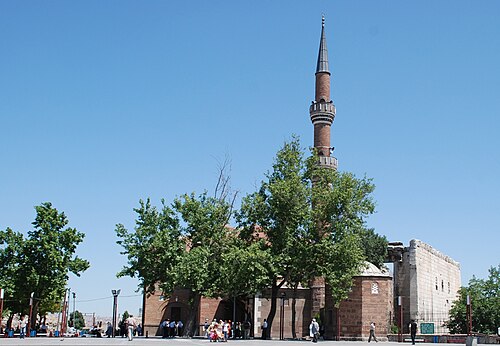
Meryem Kilisesi
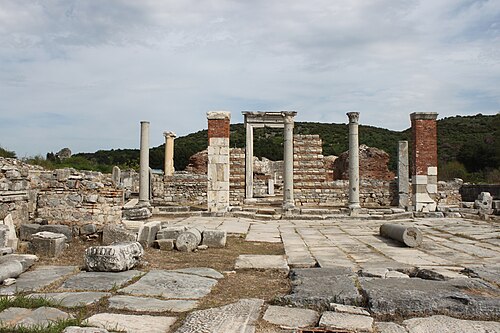
Church of Mary is an early-fifth-century Christian basilica within the Ephesus Archaeological Site near Selçuk in İzmir.
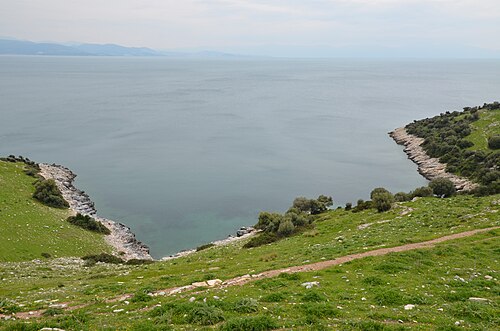
Lebedos
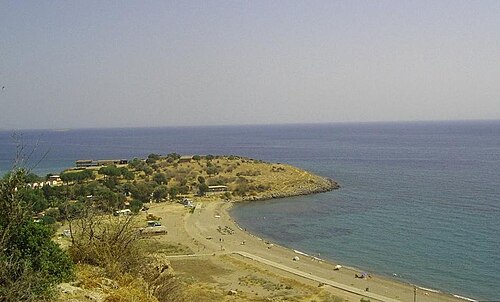
Lebedus is a small open-air archaeological landscape on the Kısık Peninsula beside Ürkmez, between Gümüldür and Ürkmez on İzmir’s coast.
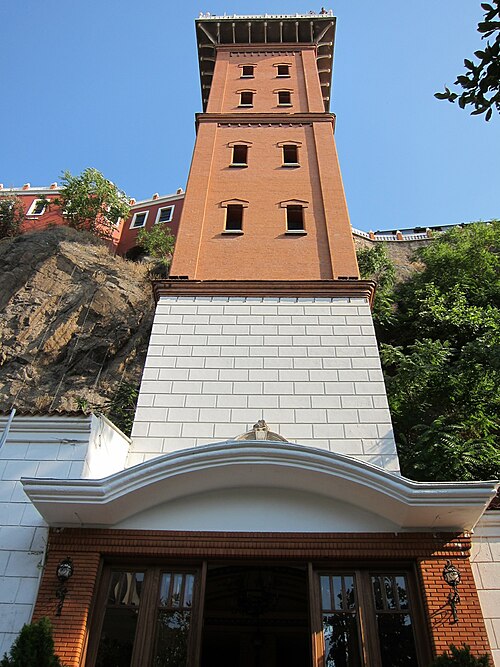
Asansör is a historic vertical connection in İzmir’s Karataş neighbourhood. It links Mithatpaşa Caddesi with Şehit Nihatbey Caddesi, allowing people to cross the steep change in level without taking the long stair route.
Roma Hamamı
The Roman Baths of Ankara are an open-air archaeological museum in Ulus, on Çankırı Caddesi in the Anafartalar area of Altındağ.
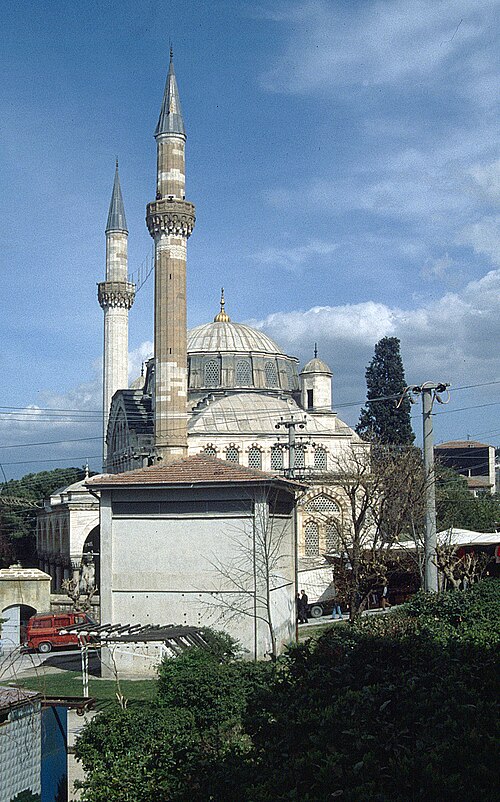
Yivli Minare Camii
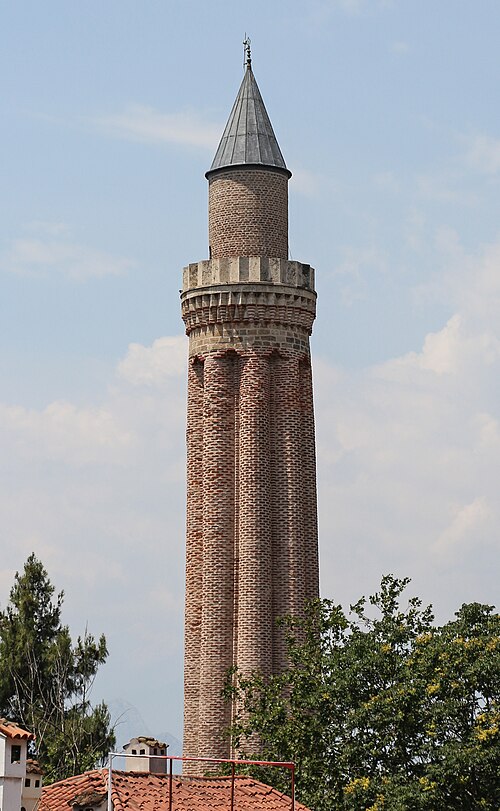
Yivli Minare Camii stands in Kaleiçi, Antalya's walled old town, on Cumhuriyet Caddesi beside Kalekapısı Square.
Atatürk Maskı
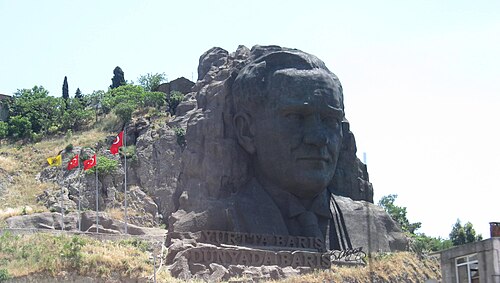
Atatürk Mask is a monumental outdoor portrait of Mustafa Kemal Atatürk built directly into the Yeşildere hillside in İzmir’s Çaldıran area, between Buca and Konak.
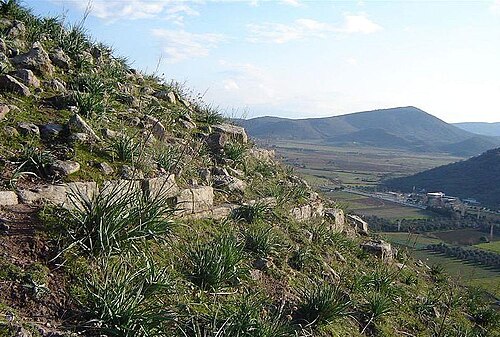
Atarneus is an ancient settlement at Ağılkale, on a hill near Dikili in İzmir. Local heritage information dates its history to approximately 4000 BCE.
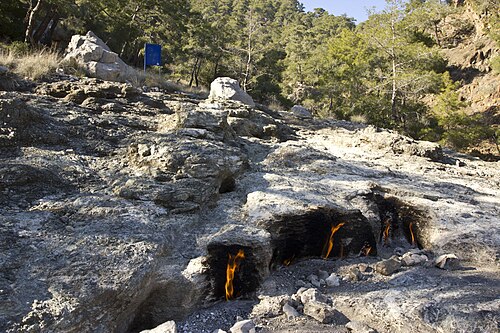
Yanartaş is a natural geological attraction in Antalya province, known for flames emerging from the rocky ground.
Çankaya Köşkü
Çankaya Mansion is a working state residence and workplace on Ankara’s Çankaya presidential campus, with a role that combines republican history and present-day government.
Kadifekale, also called Velvet Castle, is an open-air archaeological site on Pagos, the 186-metre-high hill south of İzmir’s city centre.
Limyra is an ancient Lycian city in the Finike district of Antalya Province. Its open-air ruins introduce visitors to a settlement shaped by several periods of Anatolian history.
Sillyon is an ancient fortified settlement perched on a steep hilltop in the Pamphylian plain near Antalya. The site commands dramatic views across the coastal landscape and preserves substantial remains from multiple civilizations.
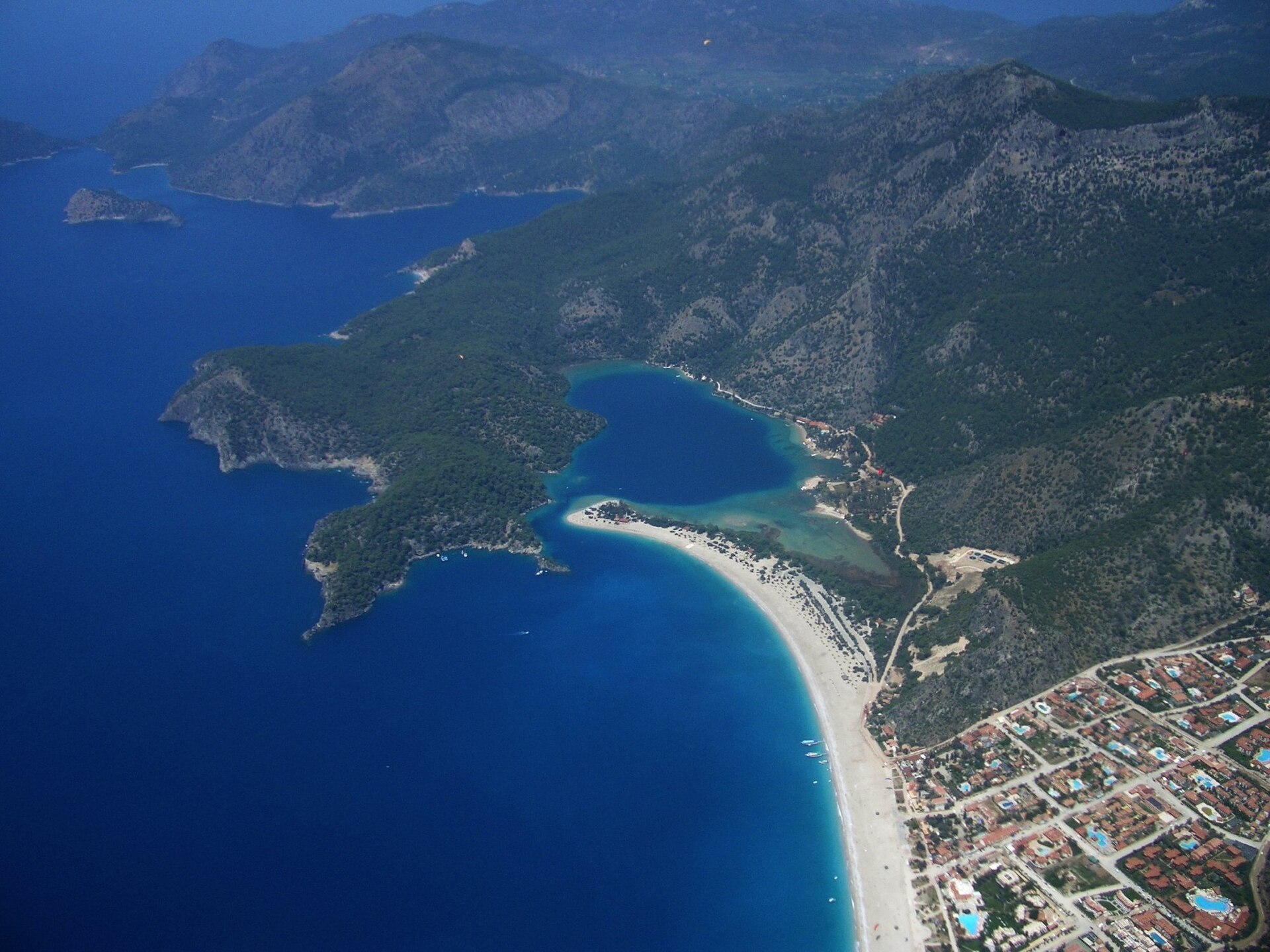
Babadağ is a mountain attraction above Ölüdeniz reached by cable car and chairlift. The visit begins at the operator’s main station on Ölüdeniz’s main road, at 226 metres, then rises towards stations at 1200, 1700, 1800 and 1900 metres.
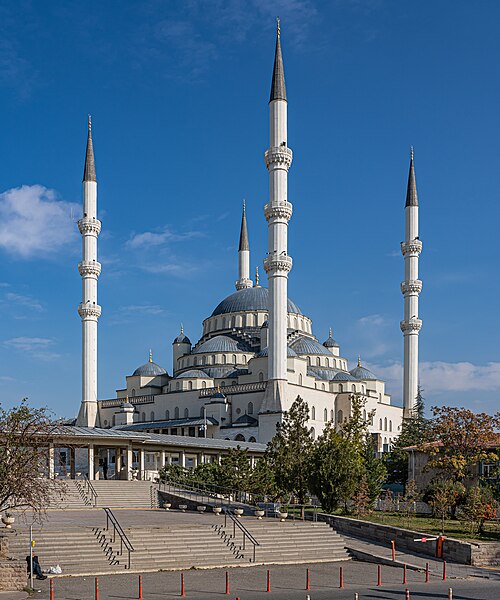
Kocatepe Camii
Kocatepe Mosque is Ankara’s great urban mosque in Kültür, within Çankaya’s central city fabric.
Ayasluğ
Ayasuluk Hill is the historic high ground above Selçuk, where several of the town’s most important monuments occupy one archaeological setting. A visit brings together St.
Sultan Camii
The Sultan Mosque is the centrepiece of Manisa and the reason the city has a festival.
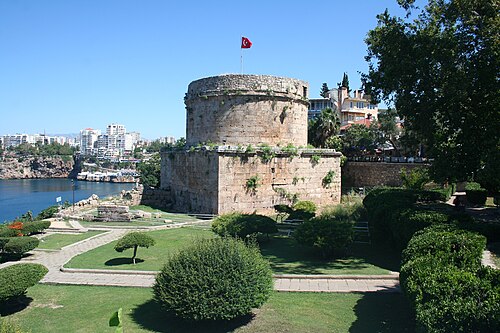
Hıdırlık Kulesi
Hidirlik Tower is a compact cylindrical stone landmark on the southwestern edge of Kaleiçi, Antalya’s historic old town, beside the harbour.
Oinoanda
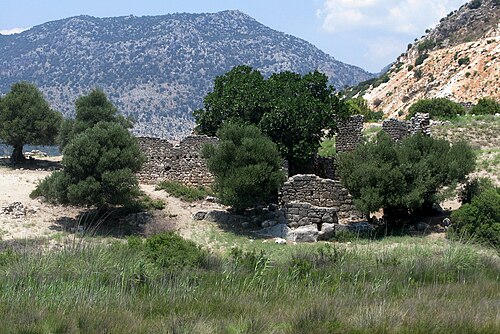
Oenoanda is a remote ancient city of northern Lycia near İncealiler village in Seydikemer, Muğla, occupying an isolated mountain ridge rather than a compact monument.
Andriake-Plakoma
Andriaca, locally known as Andriake-Plakoma, is an ancient archaeological site situated within the Antalya region of southern Turkey. The settlement served as the port city for ancient Myra, an important Lycian urban centre.
Arikanda
Arycanda, locally known as Arikanda, is an ancient Lycian city ruin situated in the mountains of Antalya Province. The archaeological site occupies a dramatic hillside position with steep terraced construction typical of Lycian urban planning.
Ankara Zafer Anıtı
Victory Monument, also known as the Ulus Atatürk Monument, stands in Ulus Square in Ankara’s Altındağ district.
Syedra Antik Kenti
Syedra is an ancient city on a hillside above Turkey’s Mediterranean coast near Alanya, in Antalya Province.
Hacı Bayram Veli Camii
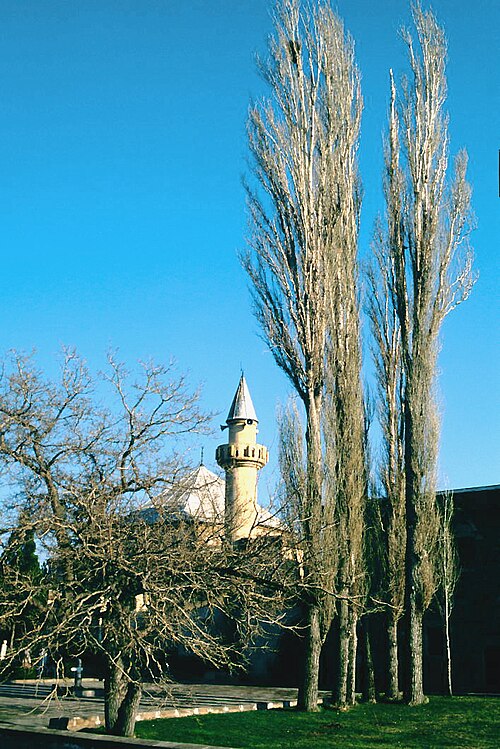
Hacı Bayram Mosque is an active place of worship in Ankara’s historic Ulus district, beside the Temple of Augustus. Built in 1427–1428, the mosque is closely associated with Hacı Bayram-ı Veli, whose tomb is attached to the building’s south wall.
Notion is an ancient Greek city spread across two hills at Ahmetbeyli in Menderes, İzmir.
Labranda
Labraunda is a mountain sanctuary near Kargıcak in Muğla Province, about 14 kilometres northeast of Milas. In antiquity it belonged to Mylasa and became one of Caria’s major sacred places.
Eymir Gölü
Lake Eymir is a protected lakeside recreation area associated with Middle East Technical University (METU) in Ankara. The site is suited to walking, cycling, birdwatching and quiet outdoor time rather than a conventional urban park.
Konak Meydanı
Konak Square is İzmir’s civic waterfront heart, where the city centre opens towards the Gulf and the historic entrance to Kemeraltı. Its defining landmark is the İzmir Clock Tower, completed in 1901 and rising 25 metres above the square.
Manavgat Şelalesi
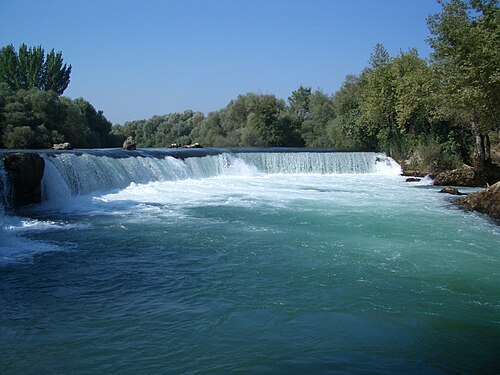
Manavgat Waterfall, known locally as Manavgat Şelalesi, is a natural waterfall attraction near the town of Manavgat in the Antalya Province of southern Turkey.
Euromos
Euromus is a roadside open-air archaeological site in Selimiye Mahallesi, within Muğla’s Milas district.
Kara Ada
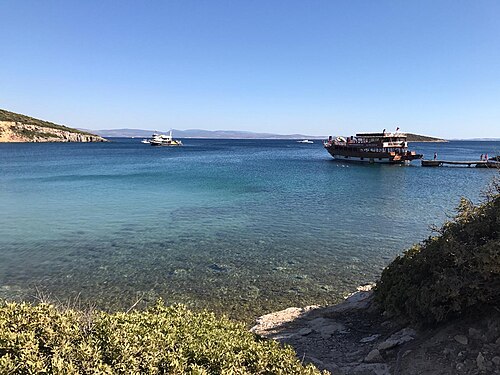
Eşek Island is a natural island off İzmir’s Çeşme Peninsula, on the eastern side of the Chios Strait, and is formerly known as Goni.
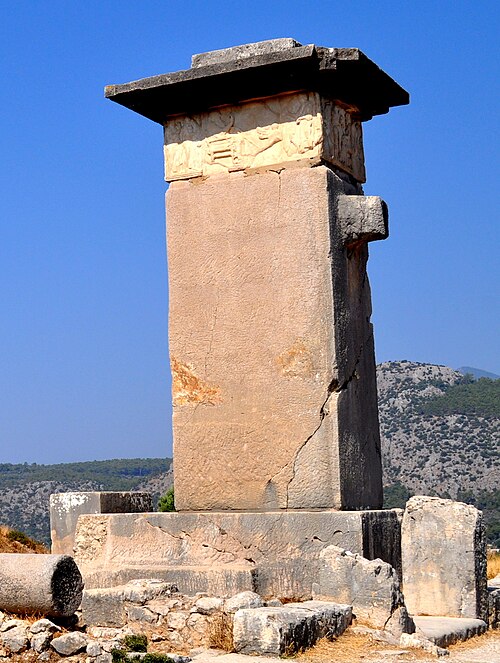
The Harpy Tomb is an ancient Lycian funerary monument located in the Xanthos archaeological area within Antalya province.
İztuzu Plajı
İztuzu Beach is a long, protected sandy shore in Ortaca district, south of Dalyan in Muğla. The beach stretches for approximately 5,400 metres and occupies a distinctive position between the Mediterranean and the lagoon and canal landscape behind the sand.
Apollon ve Athena Tapınağı
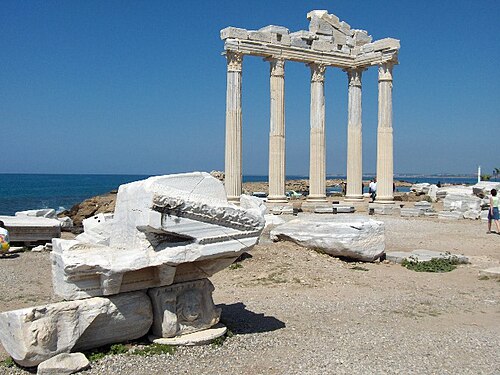
The Temple of Apollo, locally known as Apollon ve Athena Tapınağı, is an ancient religious site in Antalya, Turkey. It stands as a significant archaeological landmark within the region's rich classical heritage.
Metropolis is an ancient city between Yeniköy and Özbey in Torbalı, İzmir. Its name is understood to mean “City of the Mother Goddess,” reflecting the religious and civic identity associated with the settlement.
Çukuriçi Höyük
Çukuriçi Höyük is a prehistoric settlement mound in Selçuk, İzmir, southeast of ancient Ephesus and near the Aegean coast. Its importance lies in the archaeological sequence beneath and around the mound, not in standing monuments designed for modern visitors.
Lagina is a Hecate sanctuary in Turgut Mahallesi, Yatağan, where a gateway, processional route and temple platform still describe the logic of an ancient Carian cult centre.
Kaymaklı yeraltı şehri
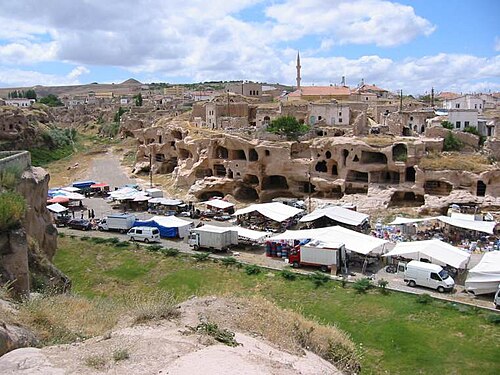
Kaymaklı is an underground city museum in Kaymaklı town, about 20 km from Nevşehir. Rather than presenting a single above-ground monument, it takes visitors into a subterranean settlement shaped by volcanic rock, compact circulation and successive underground levels.
Antiochia ad Cragum is an ancient archaeological site situated on the southern coast of Turkey's Antalya province. The settlement was established during the Hellenistic period and later developed under Roman rule.
Bargylia/Barbylia
Bargylia is an open-air archaeological site in Boğaziçi, the modern settlement identified with the ancient city on a small peninsula south of Güllük Gulf.
Karabel Kaya Kabartması
Karabel relief is a Hittite-Luwian rock monument carved into the south-facing slope at Karabel Pass near Kemalpaşa.
Aspendos Amfi Tiyatrosu
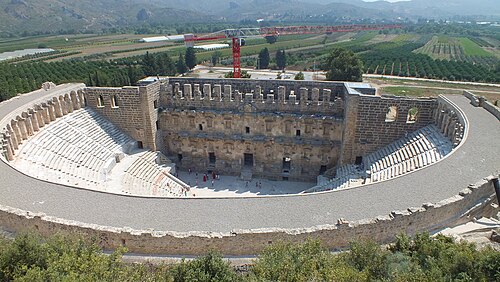
The Roman Theatre of Aspendos is an ancient amphitheatre located near the modern city of Antalya in southern Turkey. Its local name is Aspendos Amfi Tiyatrosu.
Bodrum Antik Tiyatrosu
The Ancient Theatre of Halicarnassus is an open-air archaeological theatre on the southern slope of Göktepe in Bodrum, in today’s Yeniköy area.
Larisa
Larissa is an ancient settlement near Buruncuk in Menemen district, north of İzmir. It belonged to the Aeolis region and occupied an elevated landscape rather than surviving as one compact monument.
Amintas Kaya Mezarı
The Tomb of Amyntas is a monumental Lycian rock-cut tomb in Fethiye, Muğla Province, dated to the 4th century BC. It was carved into the hillside above the ancient settlement and remains one of Fethiye’s most recognisable landmarks.
Yamanlar Dağı
Mount Yamanlar is the mountain and nature-park setting identified by İzmir Governorate at Dededağı Tepe in Karşıyaka. Its identity comes from a forested, elevated landscape rather than a building with galleries, exhibits or a timed programme.
Julianus Sütunu
The Julian Column is an approximately 15-metre Roman monument in Hükümet Meydanı, the public square at the centre of Ulus in Altındağ.
Amos Ancient City
Amos is an open-air ancient settlement on Asarcık Hill, between Turunç and Kumlubük in Marmaris, Muğla.
Patara Plajı
Patara Beach is a natural coastal area on the Mediterranean shore near the ancient city of Patara in Antalya Province. The local name is Patara Plajı.
Ariassos
Ariassus, known locally as Ariassos, is an ancient archaeological site situated in the Antalya region of Türkiye. The settlement represents a historical location of visitor interest within the broader Antalya area.
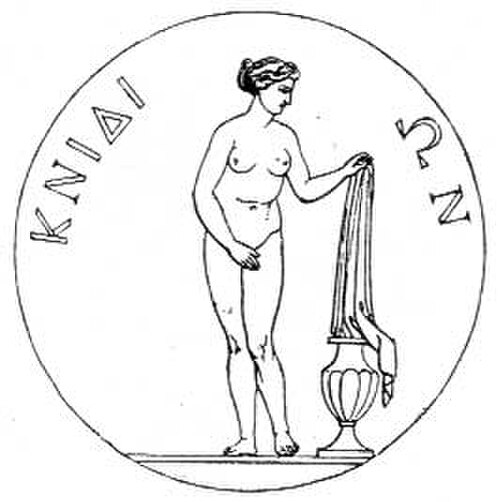
The Temple of Aphrodite is an archaeological landmark within the ancient city of Knidos, at Tekir Burnu on the western tip of Muğla’s Datça Peninsula.
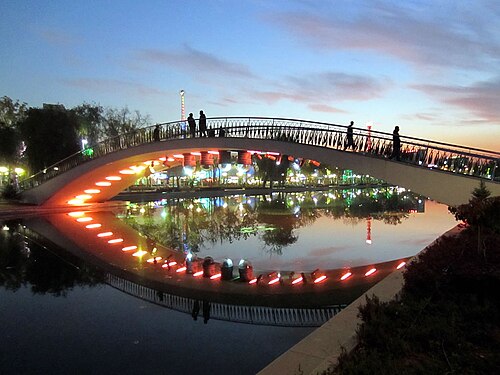
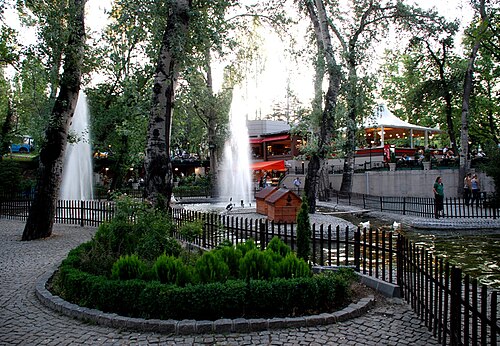
Gençlik Parkı is a large municipal urban park in Ankara’s Ulus neighbourhood, between Ankara railway station and the Opera buildings. Ankara Metropolitan Municipality operates it, and the park opened on 19 May 1943.
Kültürpark is İzmir’s major central urban park and fairground, established on 1 January 1936 under the leadership of Behçet Uz. Its 420,000-square-metre grounds combine mature greenery, public recreation, cultural attractions and event spaces in the centre of the city.
Gediz Deltası
Gediz Delta is a vast wetland on İzmir’s northwestern edge, spreading across the districts of Çiğli, Menemen, Karşıyaka and Foça.
Köprüpazar Köprüsü
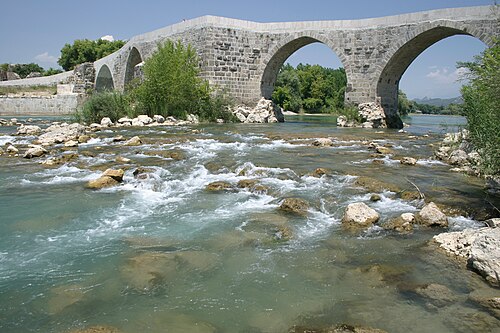
Eurymedon Bridge, locally known as Köprüpazar Köprüsü, is a historic stone crossing associated with the Eurymedon River in Antalya Province.
Aperlae is an ancient Lycian settlement located along the Mediterranean coast near Antalya, Turkey. The site represents a significant archaeological location from the classical period, positioned on a peninsula with natural harbours that supported maritime trade.
Etenna is a remote ancient settlement in the mountainous interior north of Antalya’s coastal plain. Its character comes from the combination of archaeological remains and rugged natural surroundings, rather than from a managed museum-style visit.
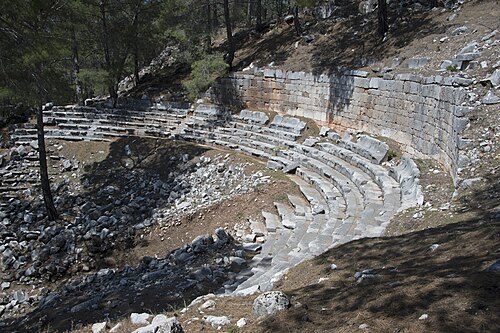
Sidyma is a dispersed ancient settlement in Dodurga Mahallesi, within Seydikemer district of Muğla Province. Its identity comes from the way civic buildings, tombs, defensive works and a hillside theatre remain connected across a living rural landscape.
Belevi Mausoleum is an Early Hellenistic monumental tomb on a hillside near Belevi, in Selçuk district of İzmir.
Teuthrania is an archaeological site identified with Kalerga Tepe, also written Kalarga Tepe, in İzmir’s Bergama district. The remains occupy an elevated rural hill rather than a formal museum building or a compact visitor complex.
Alara Kalesi
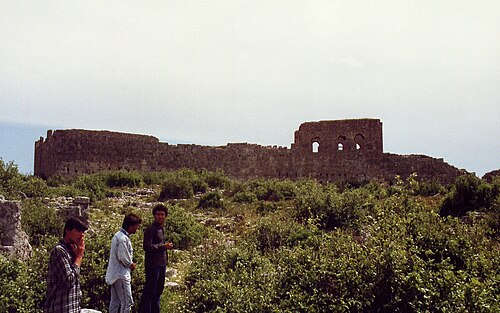
Alara Castle is a hilltop fortress ruin above the Alara River in Antalya Province. The castle’s character comes from its position: elevated ground overlooks the river corridor and separates the site from the province’s coastal resort landscape.
Atatürk Anıtı
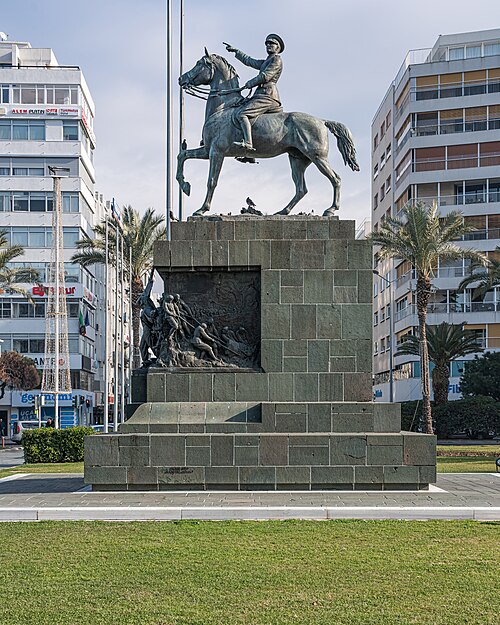
Atatürk Monument is the equestrian civic sculpture in İzmir’s Cumhuriyet Meydanı, on Kordon at Atatürk Bulvarı, in front of Swissôtel. Its subject is Mustafa Kemal Atatürk as a commander, giving the waterfront square a distinctly republican and military memorial character.
Bubon is an ancient archaeological settlement in Antalya Province, Türkiye, encountered as a quiet rural heritage site rather than a developed attraction with museum galleries, extensive interpretation or a large visitor complex.
Or Yehuda Tarım Okulu
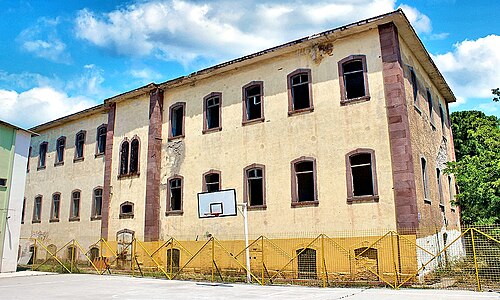
Or Yehuda Agriculture School is the surviving building of a Jewish agricultural colony and school founded near Akhisar in 1899, in what is today the Kayalıoğlu neighbourhood of Akhisar district.
Iotape
Aytap, known locally as Iotape, is an ancient archaeological site on the Mediterranean coast near Alanya in Antalya Province. The settlement occupies a coastal promontory with natural harbour advantages that attracted ancient populations.
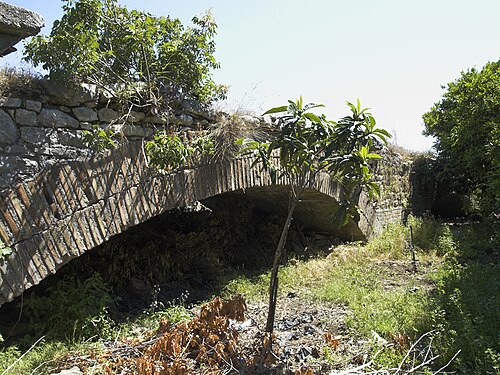
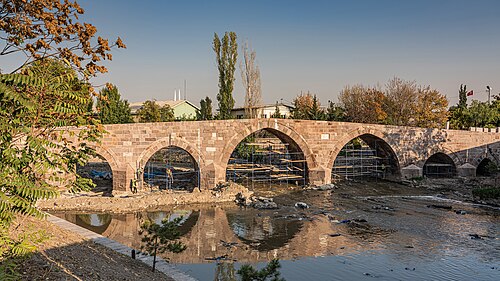
Akköprü is a Seljuk-era stone bridge over the Ankara Çayı in Varlık Mahallesi, Yenimahalle. It was built in 1222 during the reign of Sultan I.
Acıgöl-Nevşehir is a volcanic maar in Nevşehir Province, set beside the Nevşehir–Aksaray road and about 3 km east of Acıgöl district centre. Unlike a conventional lake destination, its basin is now dry, giving the site a distinctly geological character.
Özkonak Yeralti Şehri
Özkonak is an underground city on the northern slopes of İdiş Dağı, near Avanos in Nevşehir Province. It was carved into thick volcanic, granite-like tuff layers and opened to visitors in 1972.
Kadyanda is an elevated ancient settlement in the mountains north of Fethiye, approached through Üzümlü rather than from the coast.
Çeşme Kalesi
Çeşme Castle is a six-towered Ottoman fortress built in 1508 during the reign of Sultan Bayezid II. Moats remain on three sides, framing a historic defensive site in the centre of Çeşme.
Atatürk, Annesi ve Kadın Hakları Anıtı
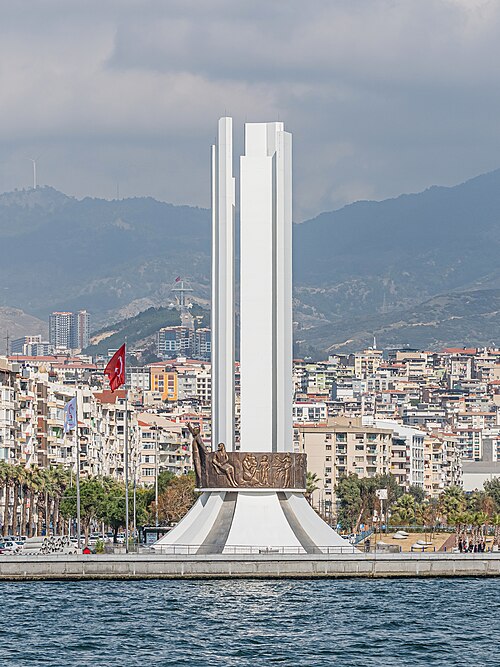
Atatürk, His Mother and Women's Rights Monument is a landmark in Anayasa Meydanı, Tuna, on Karşıyaka’s İzmir waterfront. Its present structure reopened in 2018 after the original 1972 monument was rebuilt.
Çamlık Eski İstasyonu
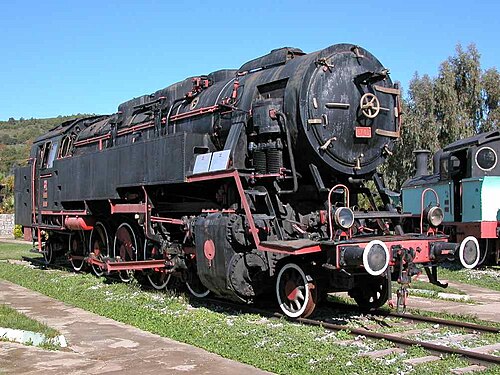
Çamlık Railway Museum is an open-air railway collection beside TCDD’s Çamlık station, approximately 7 kilometres from Selçuk in İzmir Province. It opened to visitors in 1991 and preserves steam-era railway heritage in the setting of a real railway yard.
Altınbeşik Mağarası Millî Parkı
Altınbeşik Cave National Park is a protected natural area in Antalya Province, Turkey, centered on the Altınbeşik Cave system. The park lies within the Taurus Mountains and features significant karst topography.
Pydnai
Pydnae is an abandoned Hellenistic fortress settlement on the Lycian coast, at İnce Burun where the Eşen River reaches the sea.
Marmaris Kalesi
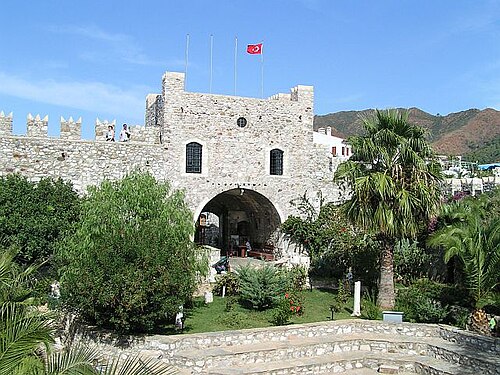
Marmaris Castle is a historic hilltop fortress behind Marmaris Harbour, in Tepe Mahallesi’s Kaleiçi Mevkii.
Kuğulu Park is a compact public green space on Tunalı Hilmi Caddesi in Kavaklıdere, Çankaya, Ankara.
İsa Bey Camii
İsa Bey Mosque is a 14th-century Aydinid mosque on the south-western slope of Ayasuluk Hill in Selçuk, İzmir.
Göksu Parkı
Göksu Park is a distinctive lakeside recreation area in Göksu Mahallesi, Etimesgut, shaped by a 1.6-kilometre route around its lake rather than by a single building or monument.
Dikmen Vadisi
Dikmen Valley is a large public green corridor in Ankara’s Çankaya district, extending between the Dikmen and Ayrancı neighbourhoods. It follows a long, sloping valley rather than forming one enclosed attraction.
Karşı Kilise
St. John is a rock-cut church in Gülşehir, within Nevşehir Province, known locally as St. Jean Church and Karşı Kilise. Cut into a rock chimney, it forms a compact but layered historic site with two levels.
Gagai
Gagae, known locally as Gagai, is an ancient archaeological site situated in the Antalya region of southern Turkey. This ruined settlement represents a former Lycian city that once held significance in the classical Mediterranean world.
Balbura is identified in OpenStreetMap as a historical site in the Antalya region of southern Turkey. The record preserves a named, fixed mapped location, but does not establish a securely documented date, monument list, excavation history, or visitor interpretation.
Neonteikhos
Neonteichos is an archaeological settlement in the mountainous landscape around Yanıkköy, within İzmir’s Menemen district.
Muradiye Cami
The Muradiye is the mosque Mimar Sinan designed for Manisa, built between 1583 and 1586 for Sultan Murad III. It replaced a smaller mosque begun on the site in 1571 and is the finest Ottoman building in the city.
Source: OpenStreetMap contributors, Wikidata ·
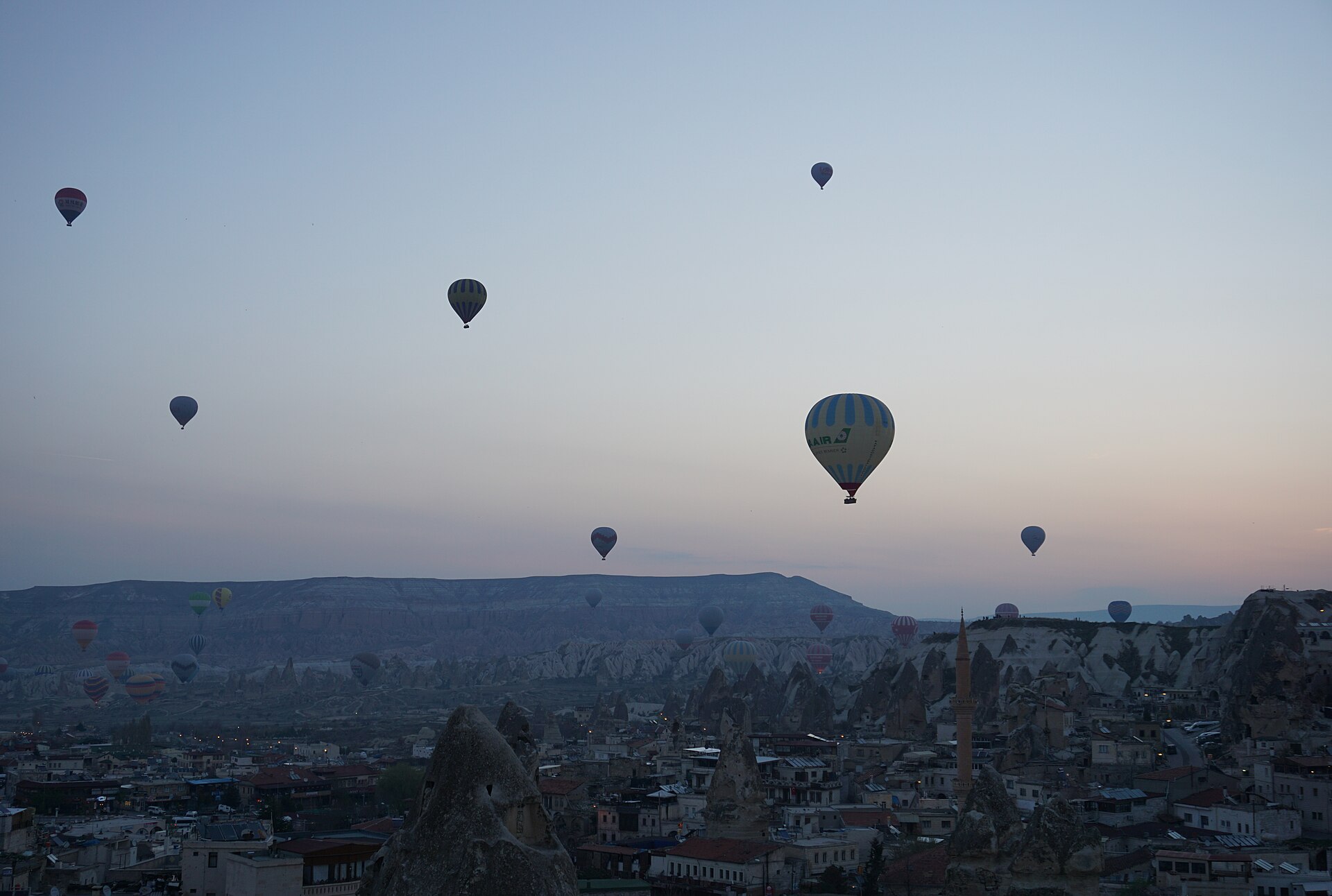
Ten to fourteen days allows about four days in İstanbul and at least three around Antalya when coastal archaeology is included. Cappadocia needs its own regional stay, and a one-way coastal route is more workable than returning to the same city each night.
Türkiye's visa position varies by passport and purpose. Verify the rule through the Ministry of Foreign Affairs and, when eligible, use only the official e-Visa service rather than an intermediary.
İstanbul's two airports and Antalya are the principal gateways for this itinerary. Domestic flights cover long cross-country legs, coaches serve many city pairs, and high-speed rail is most useful on the İstanbul-Ankara axis rather than as a universal substitute.
April to May and September to October are broad choices for combining İstanbul with the Mediterranean coast. Cappadocia nights, inland heat, and Antalya's coastal conditions differ, so confirm weather for each overnight base.
Türkiye uses the Turkish lira (TRY). Keep lira available for smaller transport and market transactions even when cards are accepted, and review the displayed amount in TRY before agreeing to any card conversion.
Dial 112 for emergencies in Türkiye. Electricity is 230 V through Type C and F sockets; tap-water safety is not recorded here, so obtain current local advice at each stop.