Teos
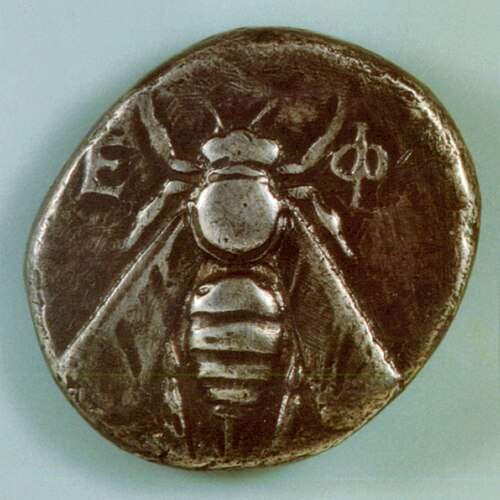
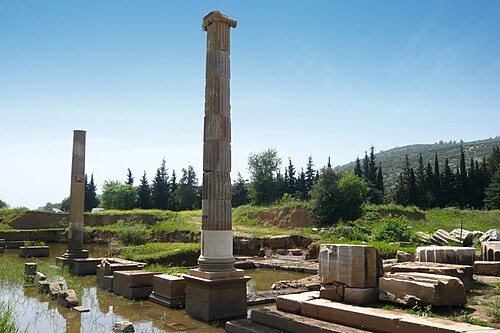
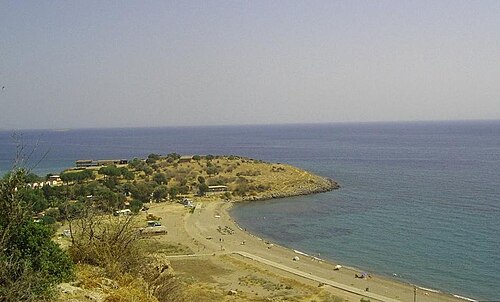
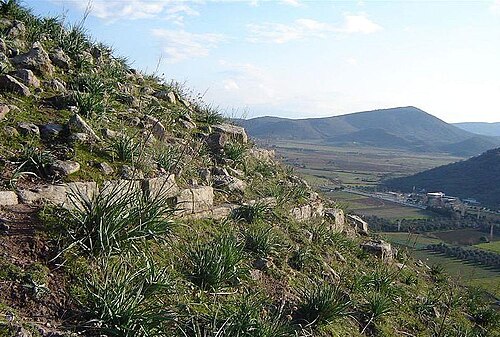
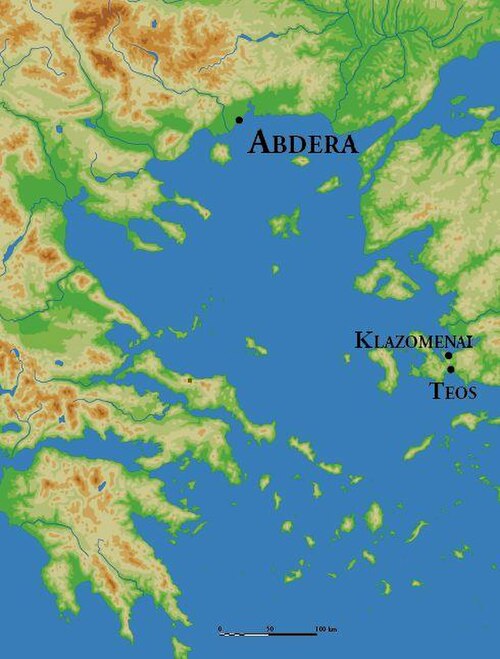
Teos is an ancient Ionian city in Sığacık, Seferihisar, on İzmir’s Aegean coast. Founded as an Ionian colony around 1000 BC, it developed as a maritime settlement connected to northern and southern harbours.
- Must see
- Historic monument
- İzmir
Country guide
Türkiye is 783,562 km² across 81 provinces, most of it Anatolia in West Asia with East Thrace on the European side of the straits. It has three coasts to choose...
Photograph · Benh LIEU SONG · CC BY-SA 4.0
Reviewed by Elena Voss · Roavina Travel Editor
Türkiye is 783,562 km² across 81 provinces, most of it Anatolia in West Asia with East Thrace on the European side of the straits. It has three coasts to choose between — the Black Sea to the north, the Aegean to the west, the Mediterranean to the south — and an interior plateau that behaves like a different country in winter. Istanbul is the largest city and the economic centre, Ankara the capital and the second-largest, and the December 2025 population of 86,092,168 is weighted heavily to the west. A first trip is usually Istanbul and one coast; the plateau is the second trip.
Checked 2026-08-25
Every city catalogued in this country so far, ranked by how much there is to see.
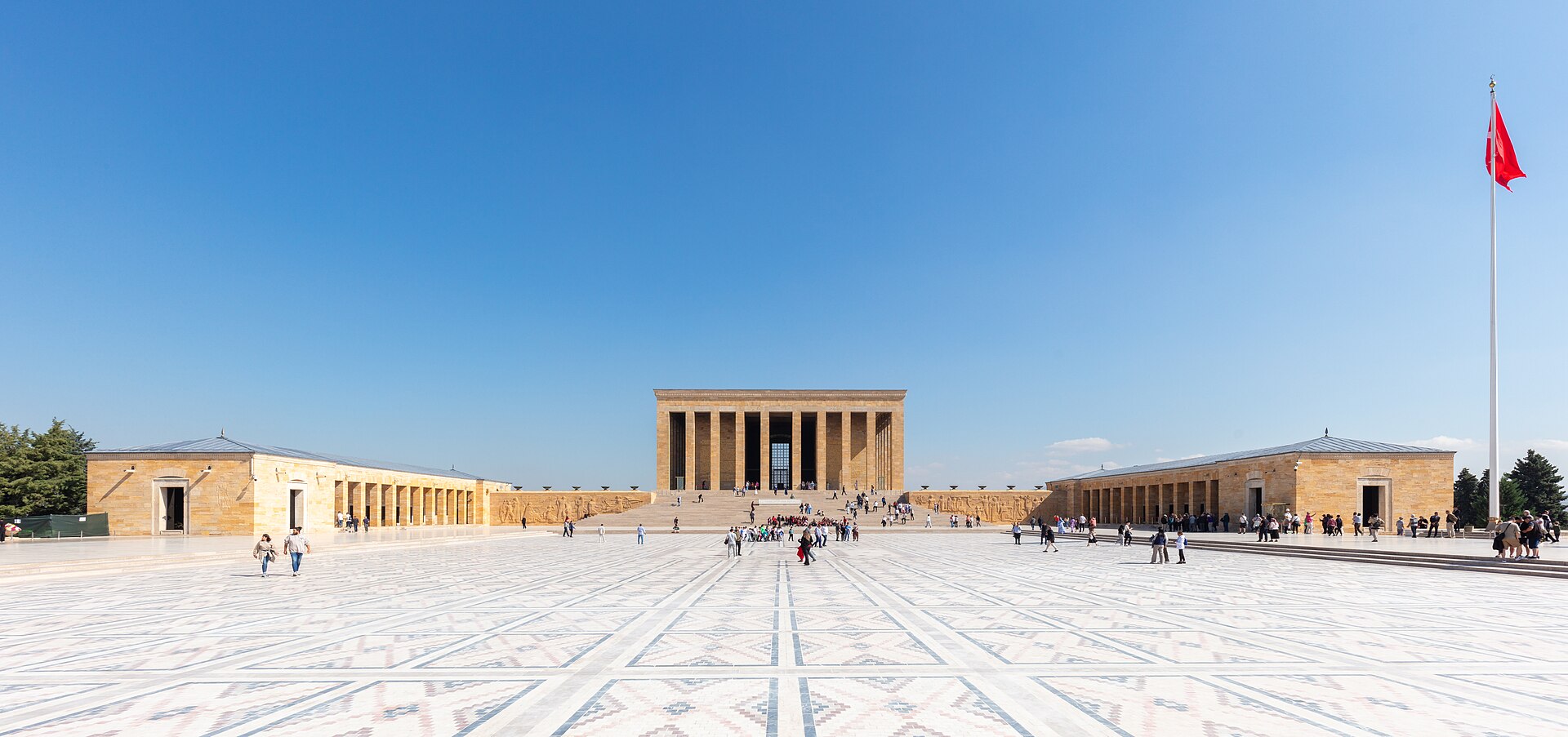
Photograph · Ben Morlok · CC BY-SA 2.0
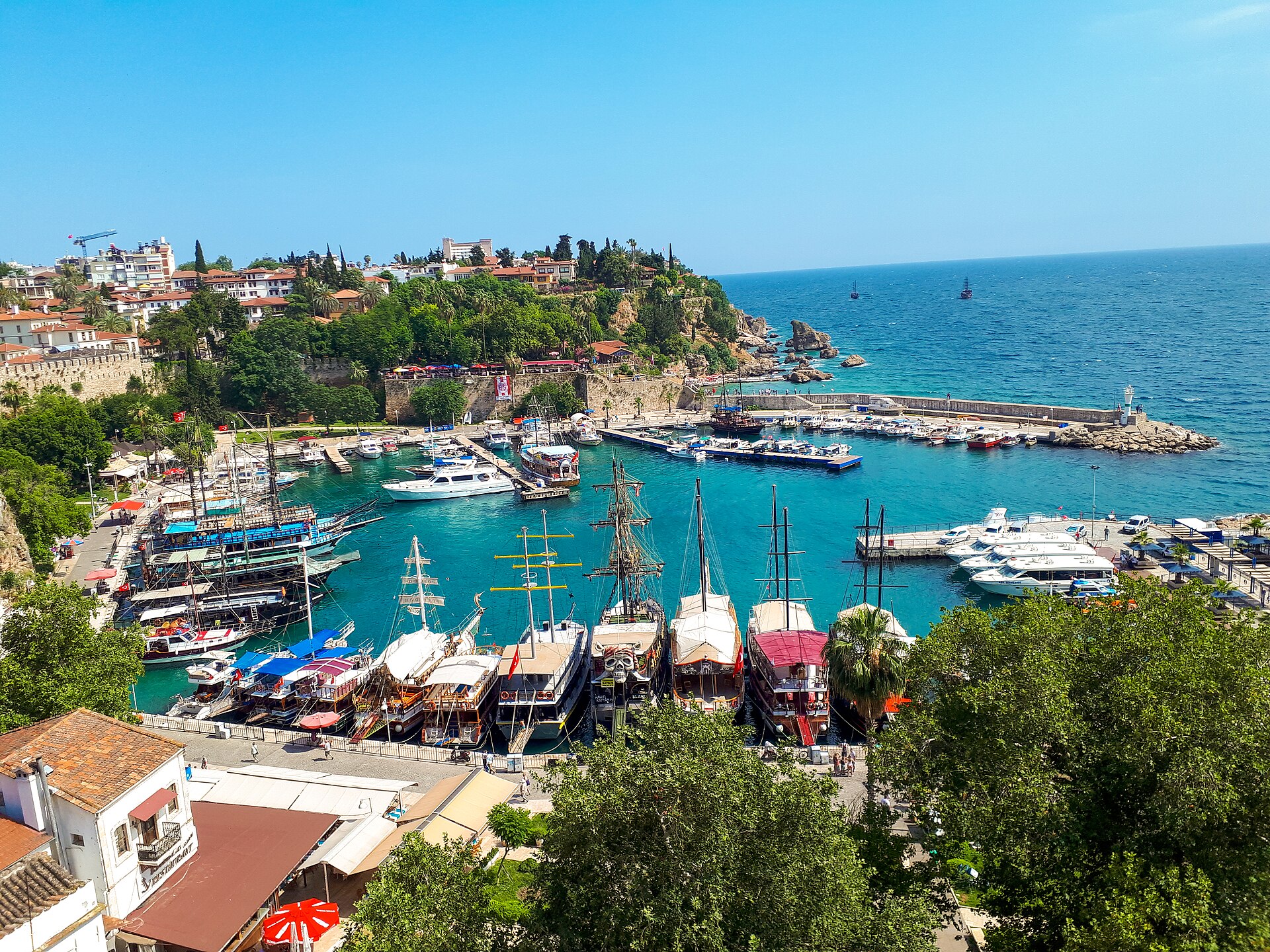
Photograph · Diego Delso · CC BY-SA 4.0
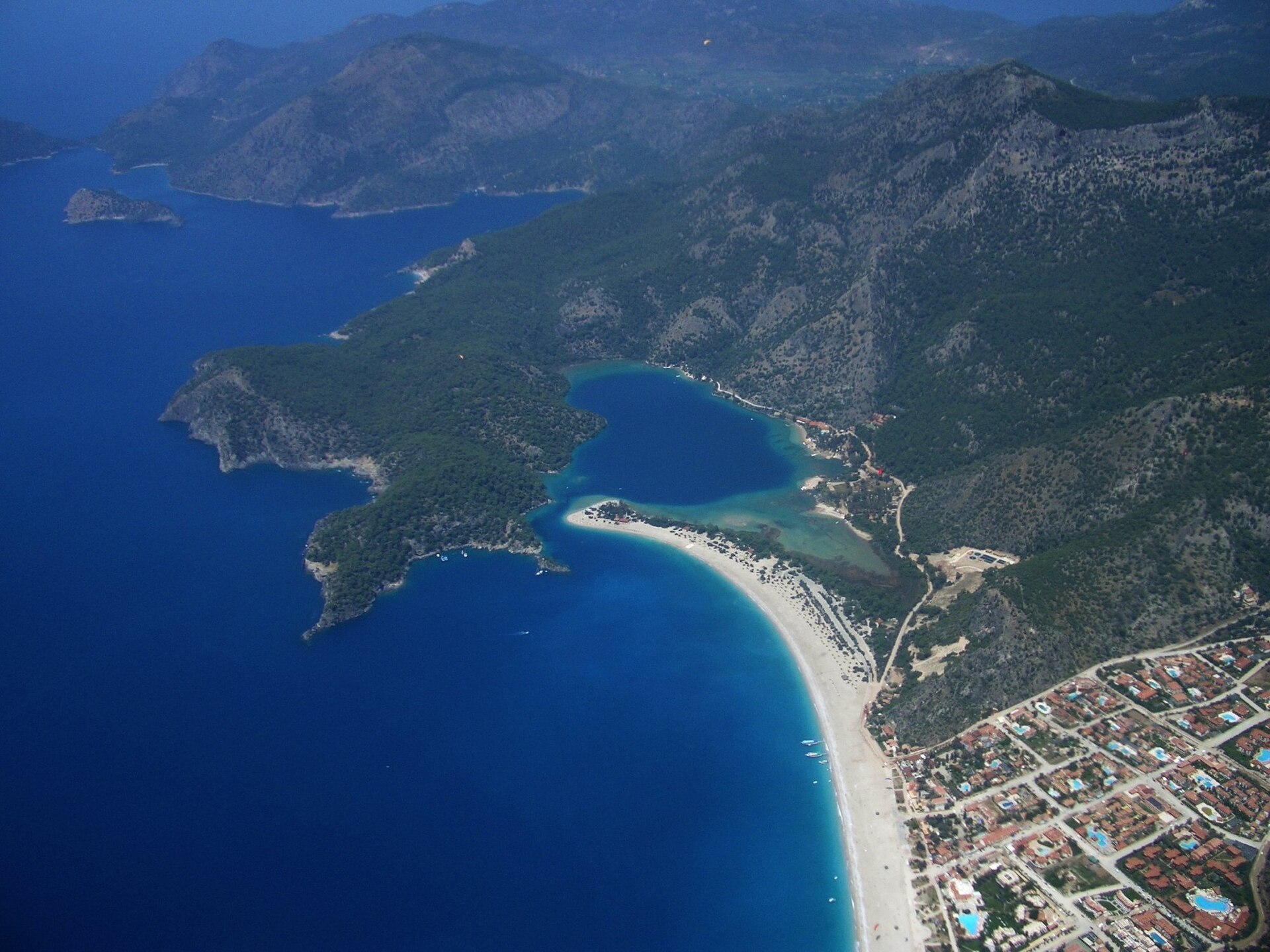
Photograph · REHBER0770 · CC BY-SA 4.0
Photograph · Anonymous · CC0
Photograph · Dan Taylor · CC BY 2.0
Photograph · Dogaaunlu · CC BY-SA 4.0
Photograph · Egemenakgul · CC BY-SA 4.0
Ranked by importance — sitelinks, pageviews and heritage status, not editor preference.
514 places match
Category
Typical visit duration
Teos is an ancient Ionian city in Sığacık, Seferihisar, on İzmir’s Aegean coast. Founded as an Ionian colony around 1000 BC, it developed as a maritime settlement connected to northern and southern harbours.
Kamondo Merdivenleri
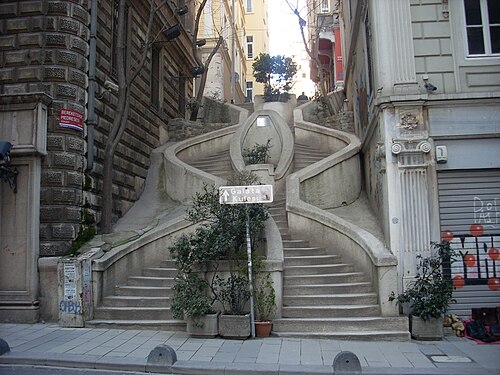
The Camondo Stairs are a short public stairway in Galata built by a banker so that he could get to work.
Ankara Kalesi
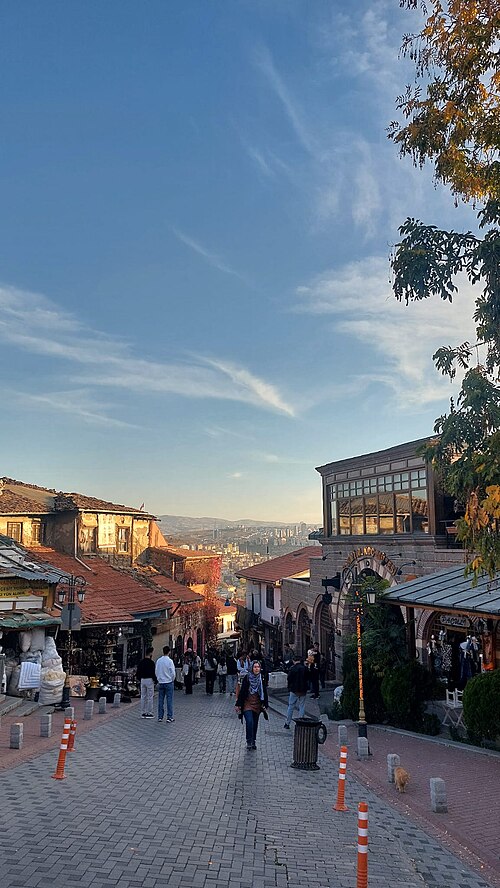
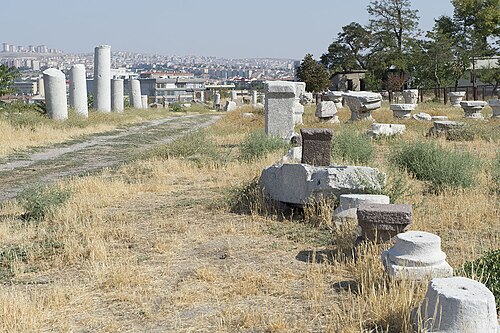
Ankara Castle is a publicly accessible historic hilltop area in Kale neighbourhood, Altındağ district, rather than a ticketed museum with a single controlled entrance.
Kyme
Cyme, also called Kyme, is an archaeological site near Çakmaklı in Aliağa, İzmir, around Nemrut Bay. It was one of the Aiolian cities founded around the middle of the eleventh century BC and developed as an important port centre.
Augustus Tapınağı
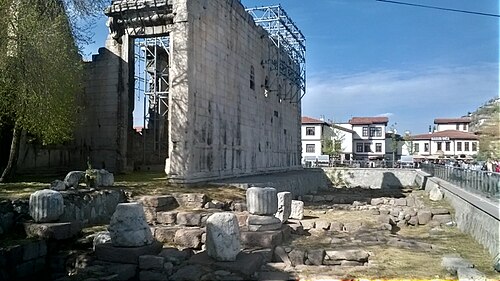
The Temple of Augustus in Ankara is a Roman monument beside Hacı Bayram Mosque in the Hacı Bayram quarter of Altındağ. Its surviving walls preserve the Res Gestae Divi Augusti, a Latin and Ancient Greek account of Emperor Augustus’s achievements.
Etnografya Müzesi
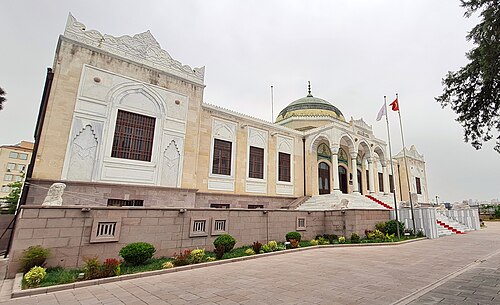
The Ethnography Museum of Ankara is an indoor museum devoted to Turkish cultural heritage and material culture. Its displays connect domestic life, religious practice, clothing, textiles and decorative arts through objects, workmanship and local traditions.
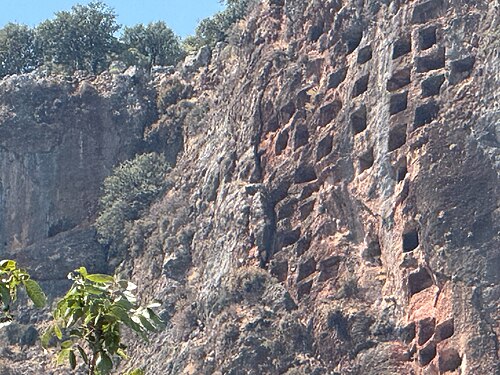
Pinara is a Lycian archaeological site near Minare village in Muğla’s Fethiye area, about 40 km from Fethiye. Its name is associated with the Lycian word for “round”, referring to the rounded rocky hill that defines the setting.
Bodrum Camii
Bodrum Mosque is the church of the Myrelaion, built around 920 by Romanos I Lekapenos as the chapel of his own palace, and it is one of the very few tenth-century churches of Constantinople still standing.
İslam bilim ve teknoloji tarihi müzesi
The museum occupies the Has Ahırlar, the former imperial stables, a long low range on the edge of Gülhane Park below the Topkapı walls, and it opened on 25 May 2008 under the Ministry of Culture and Tourism.
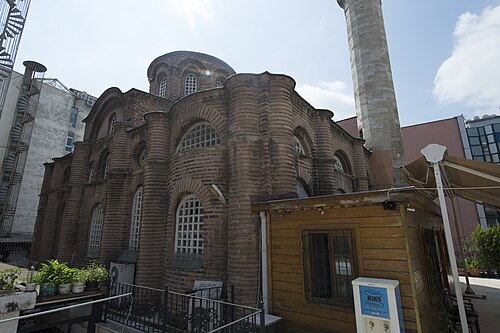
Molla Fenari İsa Camii
Fenari Isa Mosque is two Byzantine churches joined into one building, and understanding that is most of understanding the place.
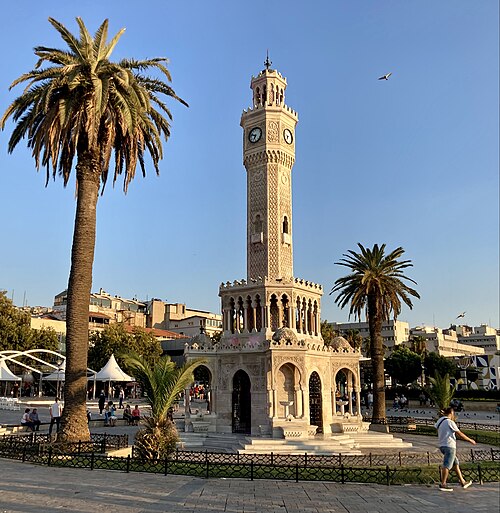
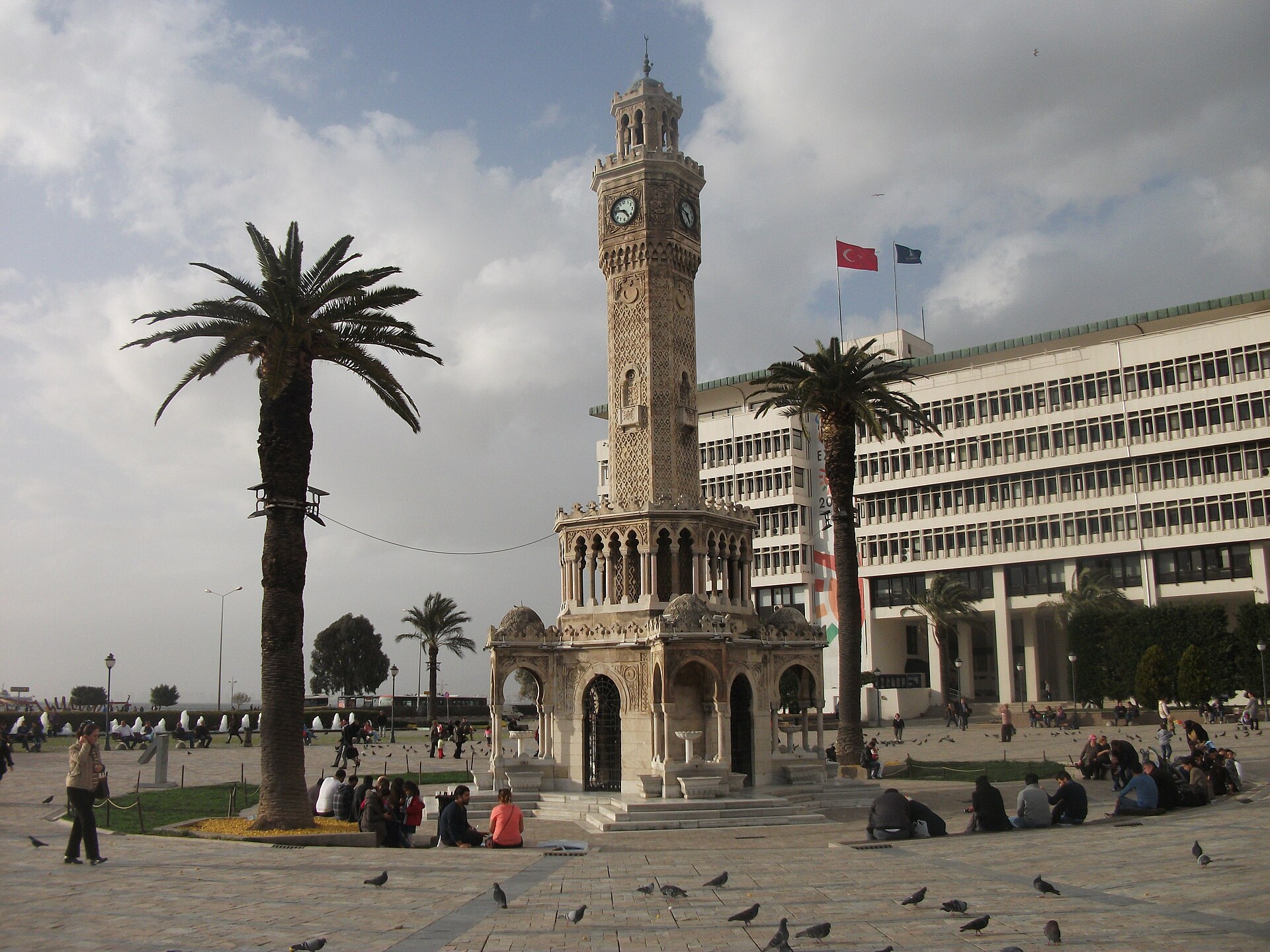
İzmir Saat Kulesi
İzmir Clock Tower is a historic public monument in Konak Square, in İzmir’s Konak district. Built in 1901 to commemorate the 25th anniversary of Sultan II Abdülhamid’s accession, it has become one of the city’s most recognisable symbols.
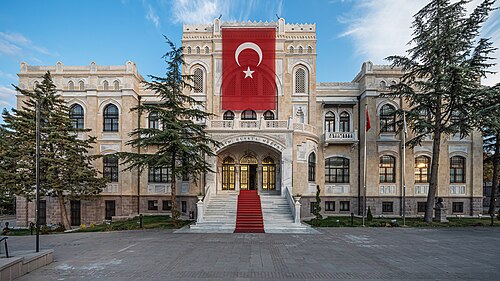
Ankara Resim ve Heykel Müzesi
Ankara Painting and Sculpture Museum is a national fine-arts museum in Ankara’s historic Altındağ area, at Hacettepe Mahallesi, Türk Ocağı Sokak No:1.
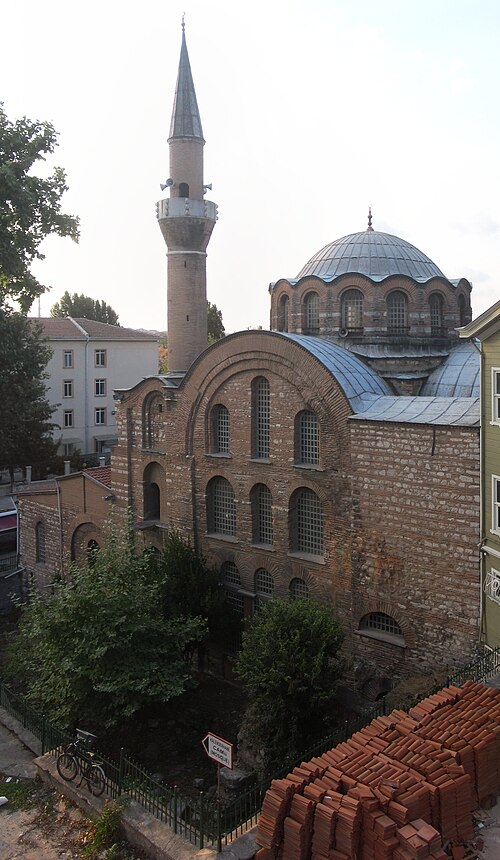
Kalenderhane Camii
Kalenderhane Camii is a Byzantine church that became a mosque, standing in Fatih immediately beside the Valens Aqueduct.
Selçuk Efes Müzesi
Ephesus Archaeological Museum is the principal museum for understanding ancient Ephesus in Selçuk, İzmir. It presents finds from worship, daily life, art and power, giving objects a closer scale than the open-air ruins.
Aziz Yuhanna Bazilikası
Basilica of St. John is a hilltop archaeological complex on Ayasuluk Hill in Selçuk, İzmir, at İsa Bey Mahallesi, St. Jean Sokak No: 4. Its identity comes from the monumental church built over the site associated with St.
Klaros
Claros is a sanctuary of Apollo at Ahmetbeyli in Menderes, İzmir, remembered for prophecy rather than for the remains of a complete ancient town.
Sveti Stefan Bulgar Kilisesi
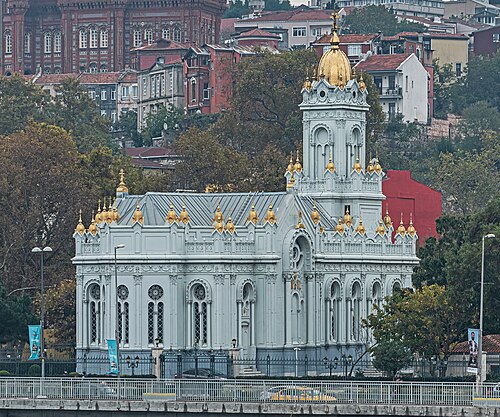
Bulgarian St. Stephen Church is the cast-iron Bulgarian Orthodox church on the Golden Horn shore in Balat. Istanbul’s official visitor portal dates the present building to 1898 and identifies Hovsep Aznavur as its architect.
Meryem Kilisesi
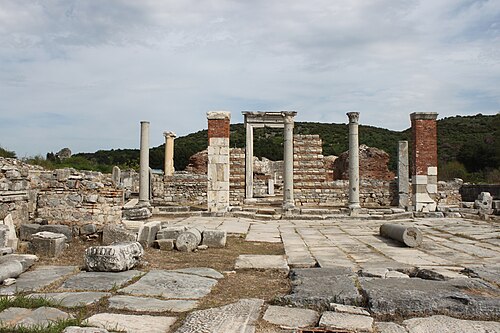
Church of Mary is an early-fifth-century Christian basilica within the Ephesus Archaeological Site near Selçuk in İzmir.
Lebedos
Lebedus is a small open-air archaeological landscape on the Kısık Peninsula beside Ürkmez, between Gümüldür and Ürkmez on İzmir’s coast.
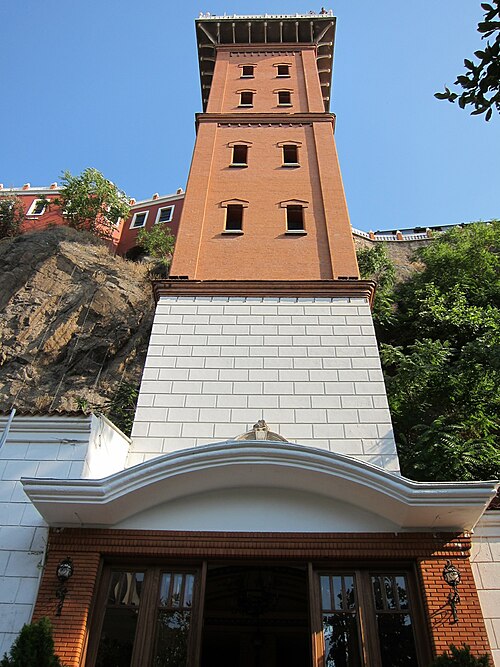
Asansör is a historic vertical connection in İzmir’s Karataş neighbourhood. It links Mithatpaşa Caddesi with Şehit Nihatbey Caddesi, allowing people to cross the steep change in level without taking the long stair route.
Roma Hamamı
The Roman Baths of Ankara are an open-air archaeological museum in Ulus, on Çankırı Caddesi in the Anafartalar area of Altındağ.
Atatürk Maskı
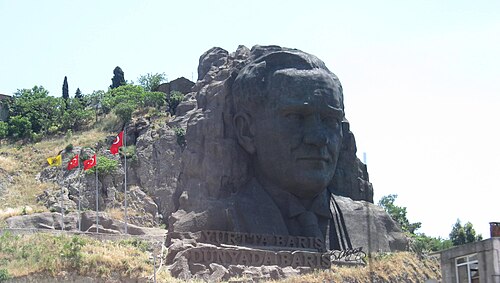
Atatürk Mask is a monumental outdoor portrait of Mustafa Kemal Atatürk built directly into the Yeşildere hillside in İzmir’s Çaldıran area, between Buca and Konak.
Atarneus is an ancient settlement at Ağılkale, on a hill near Dikili in İzmir. Local heritage information dates its history to approximately 4000 BCE.
Kadifekale, also called Velvet Castle, is an open-air archaeological site on Pagos, the 186-metre-high hill south of İzmir’s city centre.
Izmir Archaeology Museum
İzmir Archaeological Museum is a city museum in Konak, located inside Bahribaba Park at Yeşiltepe Mahallesi, Halil Rıfat Paşa Caddesi No: 4. The present museum building opened to visitors on 11 February 1984 and was built on a 5,000-square-metre site.
Ten to fourteen days allows about four days in İstanbul and at least three around Antalya when coastal archaeology is included. Cappadocia needs its own regional stay, and a one-way coastal route is more workable than returning to the same city each night.
Türkiye's visa position varies by passport and purpose. Verify the rule through the Ministry of Foreign Affairs and, when eligible, use only the official e-Visa service rather than an intermediary.
İstanbul's two airports and Antalya are the principal gateways for this itinerary. Domestic flights cover long cross-country legs, coaches serve many city pairs, and high-speed rail is most useful on the İstanbul-Ankara axis rather than as a universal substitute.
April to May and September to October are broad choices for combining İstanbul with the Mediterranean coast. Cappadocia nights, inland heat, and Antalya's coastal conditions differ, so confirm weather for each overnight base.
Türkiye uses the Turkish lira (TRY). Keep lira available for smaller transport and market transactions even when cards are accepted, and review the displayed amount in TRY before agreeing to any card conversion.
Dial 112 for emergencies in Türkiye. Electricity is 230 V through Type C and F sockets; tap-water safety is not recorded here, so obtain current local advice at each stop.