Kızlarağası Han
Kızlarağası Hanı
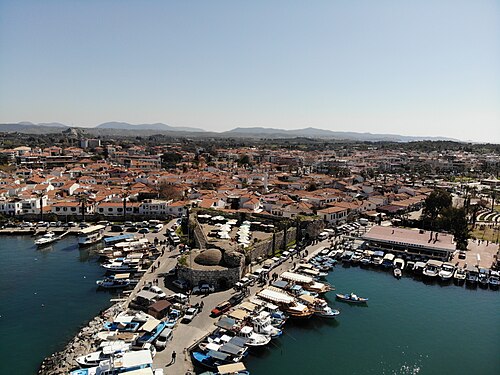
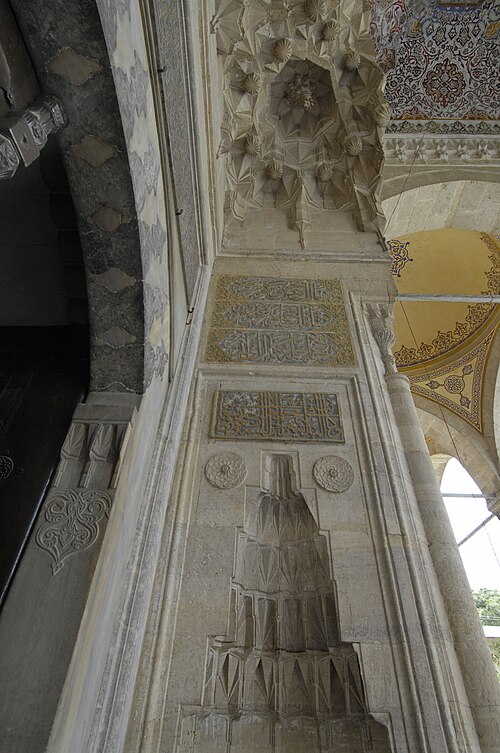
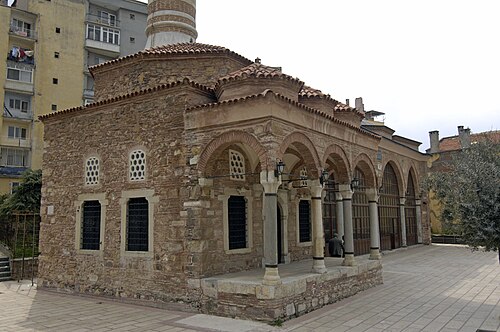
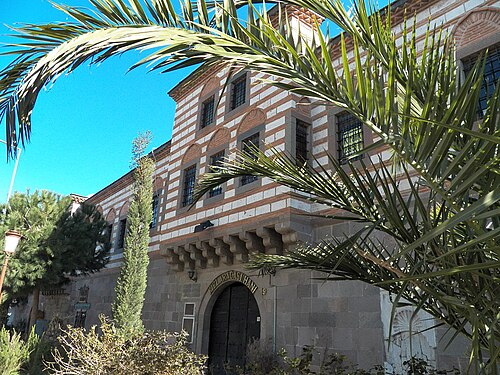
Kızlarağası Han is an eighteenth-century Ottoman commercial inn in İzmir’s Konak district, embedded in the working lanes of Kemeraltı rather than set apart as a museum.
- High
- Historic monument
- İzmir
Country guide
Türkiye is 783,562 km² across 81 provinces, most of it Anatolia in West Asia with East Thrace on the European side of the straits. It has three coasts to choose...
Photograph · Benh LIEU SONG · CC BY-SA 4.0
Reviewed by Elena Voss · Roavina Travel Editor
Türkiye is 783,562 km² across 81 provinces, most of it Anatolia in West Asia with East Thrace on the European side of the straits. It has three coasts to choose between — the Black Sea to the north, the Aegean to the west, the Mediterranean to the south — and an interior plateau that behaves like a different country in winter. Istanbul is the largest city and the economic centre, Ankara the capital and the second-largest, and the December 2025 population of 86,092,168 is weighted heavily to the west. A first trip is usually Istanbul and one coast; the plateau is the second trip.
Checked 2026-08-25
Every city catalogued in this country so far, ranked by how much there is to see.
Photograph · Ben Morlok · CC BY-SA 2.0
Photograph · Diego Delso · CC BY-SA 4.0
Photograph · REHBER0770 · CC BY-SA 4.0
Photograph · Anonymous · CC0
Photograph · Dan Taylor · CC BY 2.0
Photograph · Dogaaunlu · CC BY-SA 4.0
Photograph · Egemenakgul · CC BY-SA 4.0
Ranked by importance — sitelinks, pageviews and heritage status, not editor preference.
514 places match
Category
Typical visit duration
Kızlarağası Hanı
Kızlarağası Han is an eighteenth-century Ottoman commercial inn in İzmir’s Konak district, embedded in the working lanes of Kemeraltı rather than set apart as a museum.
Gate of Magnesia
Magnesian Gate is the surviving city gate identified within the ancient city of Ephesus at Selçuk.
Myndos Kapısı
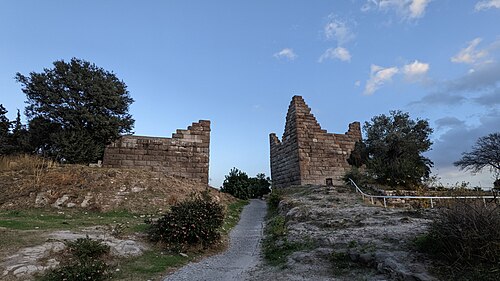
Myndos Gate is a surviving western entrance to ancient Halicarnassus, at the western exit of modern Bodrum on the road toward Gümbet. Bodrum Municipality places its construction broadly in the 360s BC, during the rule of Mausolus.
Sığacık Kalesi
Sığacık Castle is a living historic settlement in Sığacık Mahallesi, Seferihisar, İzmir.
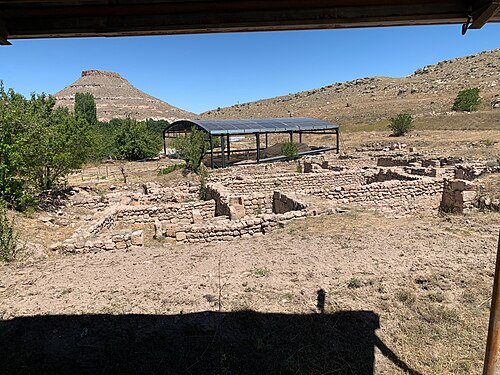
Sobesos is an open archaeological site in Şahinefendi village, within Ürgüp district of Nevşehir. Discovered in 2002, it preserves the remains of a small rural town that began in the 4th century CE.
Kemerarası
Termessos Minor is a small archaeological place in Ceylan, within Seydikemer district of Muğla, where surviving remains are encountered in an open landscape rather than inside a museum.
Uçhisar Kalesi
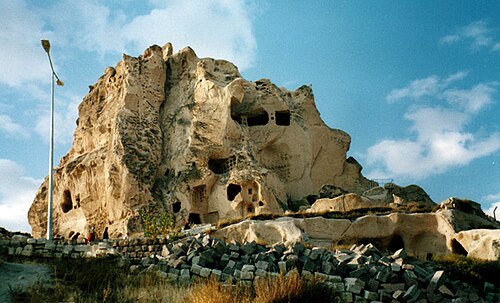
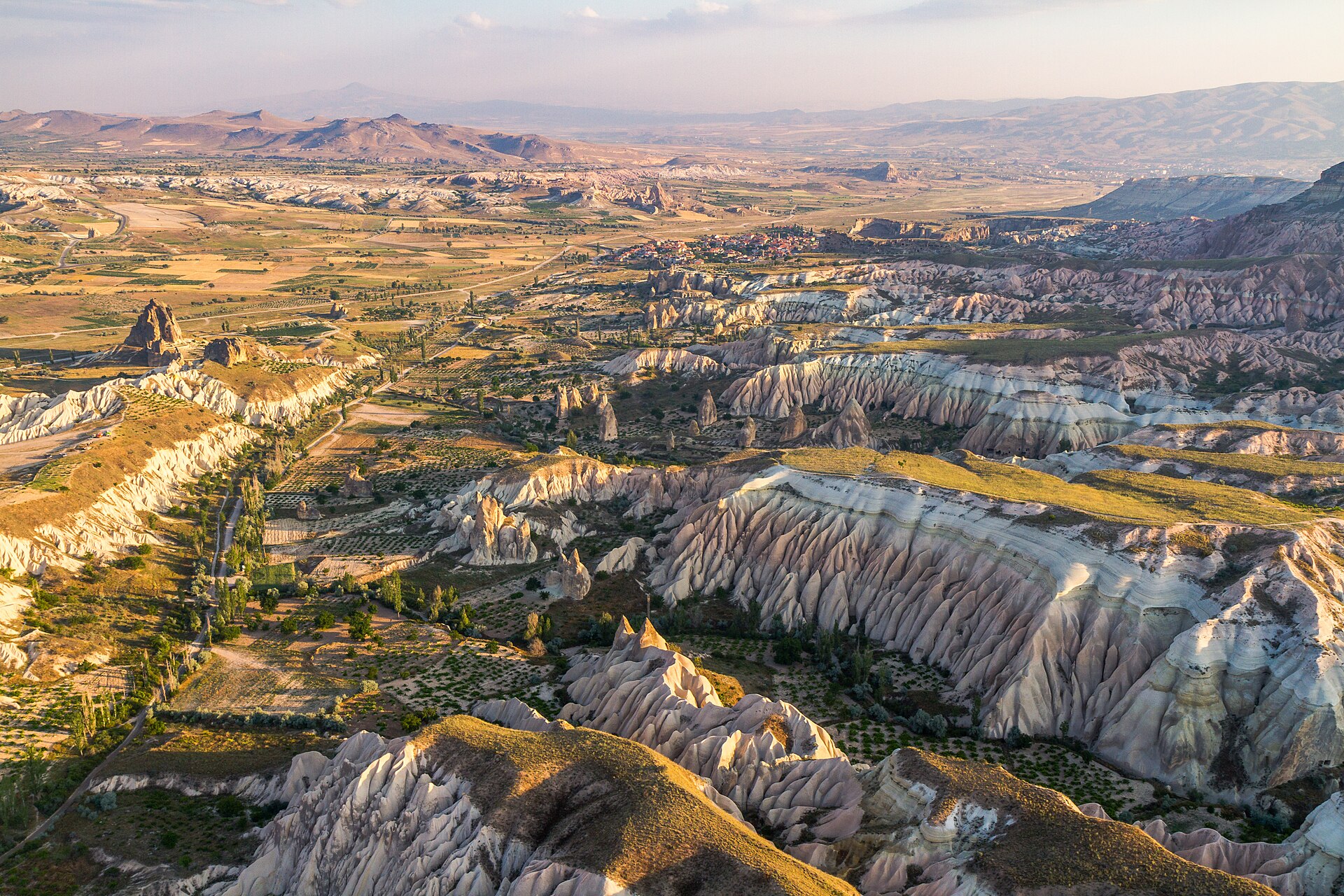
Uçhisar Castle is a massive volcanic tuff formation rising from the centre of Uçhisar village in Cappadocia. It is not a separate masonry building: rooms, tunnels, stairways and lookout spaces were carved directly into the soft rock.
Yumurtatepe Tümülüsü
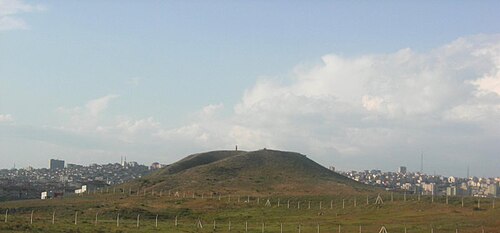
Yumurtatepe Tumulus is a protected archaeological mound in Ankara’s Yenimahalle district, at the Çiftlik–Demetevler junction. Its identity is tied to an urban landform that survives beside a busy road, rather than to a museum building or reconstructed monument.
Zank Höyük is a substantial archaeological mound near Sarılar in Avanos district, Nevşehir. Rising approximately 29–30 metres and measuring about 300 metres across, it reads as a broad settlement landscape rather than a standing monument.
Muradiye Külliyesi
The Muradiye Külliyesi is the walled compound Sultan Murad III endowed in Manisa, and it is the reason three of the city's sights sit within a few steps of each other.
İvaz Paşa Camii
The İvaz Paşa Camii was built in October 1484 for İvaz Paşa, eight years before the end of the fifteenth century and nearly forty years before the Sultan Mosque.
Afkule Monastery
The Monastery of Afkule is a remote religious ruin above Kayaköy in Fethiye district, reached through woodland rather than by a formal museum entrance.
Alagöz Karargah Müzesi
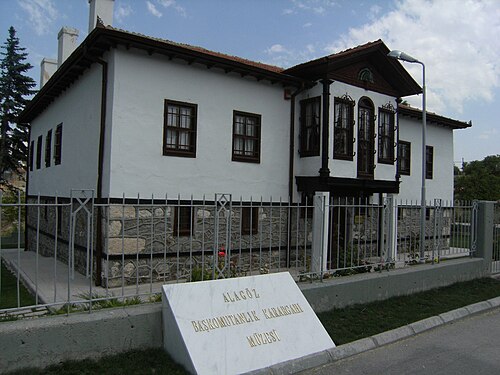
Alagöz Karargâh Museum is a preserved village headquarters associated with the Battle of Sakarya in 1921.
Bodrum Sualtı Arkeoloji Müzesi
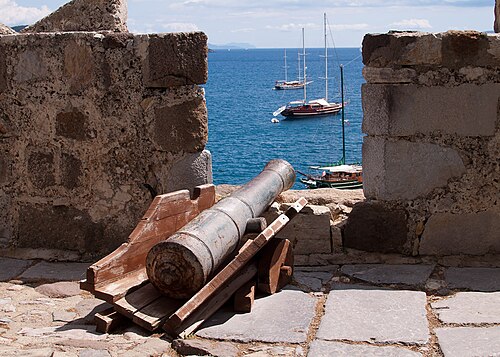
Bodrum Museum of Underwater Archaeology occupies rooms and courtyards inside Bodrum Castle, the historic fortress between the town’s two harbours. Operating since 1964, it is Türkiye’s only museum devoted to underwater archaeology.
Haritacılık Müzesi
Cartography Museum is a second-class military museum housed within the General Directorate of Mapping’s central barracks in Ankara’s Cebeci district. It presents cartography as a practical record of territory, combining surveying instruments, historical maps, relief maps and paintings.
Cin Ali Müzesi
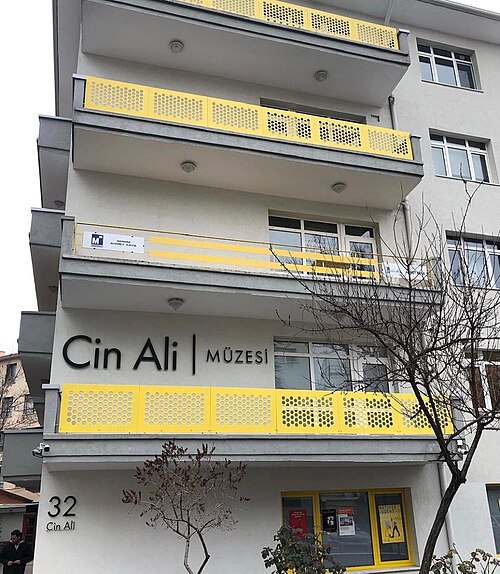
Cin Ali Museum is a specialised children’s literature and literacy museum in Ankara’s Kavaklıdere, at Bülten Sokak No. 32. Its subject is Cin Ali, the reading character created by teacher Rasim Kaygusuz in 1968 and drawn by Selçuk Seğmen.
Fethiye Müzesi
Fethiye Museum is a town-centre museum in Kesikkapı presenting archaeology and ethnography from Fethiye and its surrounding area. Its collection connects local life with the ancient landscapes of Lycia.
Güray Yeraltı Seramik Müzesi
Güray Museum is an underground museum in Avanos, Nevşehir, devoted to ceramic and pottery heritage, archaeological history and modern artistic production. Carved into rock 20 metres below ground, it occupies a 1,600-square-metre underground setting with three principal areas.
Key Museum is a dedicated motoring museum near Torbalı in İzmir, built around historic automobiles, motorcycles, and an extensive collection of scale models.
Etnoğrafya Müzesi
Ortahisar Ethnography Museum presents traditional Cappadocian life through arranged ethnographic scenes and mannequins. Established in 2004 as the area’s first ethnography museum, it gives Ortahisar’s social history a domestic, human scale.
Türk Hamam Müzesi
Turkish Bath Museum occupies the restored Rüstem Paşa Bath in Beypazarı, a sixteenth-century town bath whose original purpose remains visible in its architecture.
Zeki Müren Sanat Müzesi
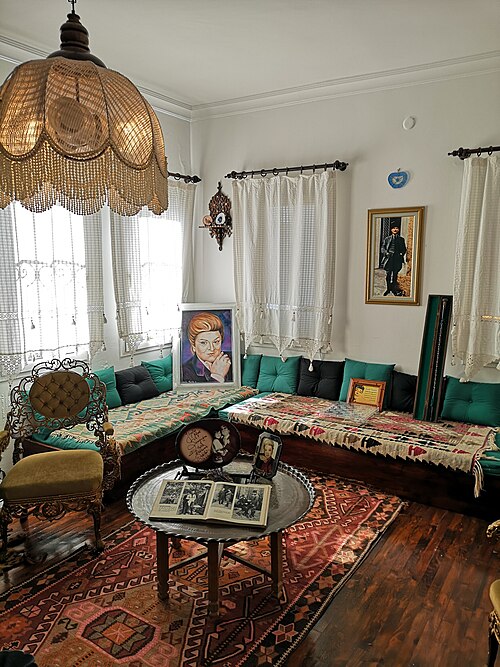
Zeki Müren Museum occupies the Bodrum house where the celebrated Turkish singer and stage performer lived from 1980 until his death in 1996.
Akhisar Musevi Mezarlığı
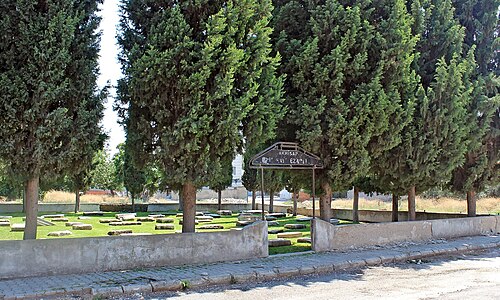
This is the burial ground of Akhisar's Jewish community, a Sephardic congregation that at its peak numbered around 400 people and no longer exists in the town.
Çeşnigir Cami
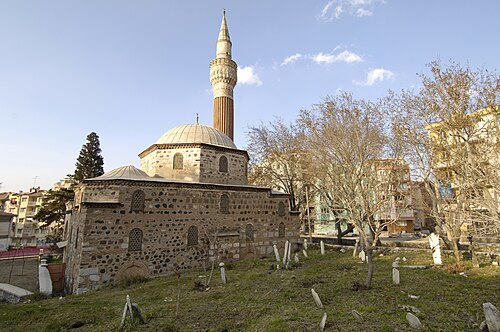
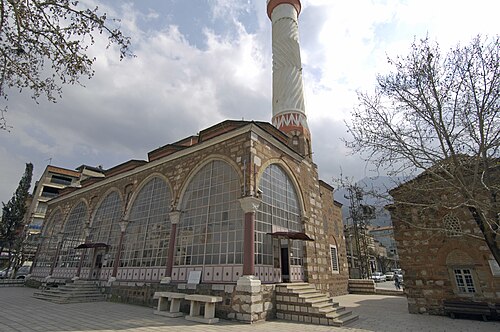
The Çeşnigir Camii of 1474 is one of the oldest mosques in Manisa, built by Çeşnigir Sinan Bey — a man who had been enslaved and was freed by Mehmed II, the sultan who took Constantinople.
Hatuniye Cami
The Hatuniye Camii was built in 1490–91 by Şehzade Şehinşah, a son of Bayezid II, in honour of his mother Hüsnüşah Hatun.
Ten to fourteen days allows about four days in İstanbul and at least three around Antalya when coastal archaeology is included. Cappadocia needs its own regional stay, and a one-way coastal route is more workable than returning to the same city each night.
Türkiye's visa position varies by passport and purpose. Verify the rule through the Ministry of Foreign Affairs and, when eligible, use only the official e-Visa service rather than an intermediary.
İstanbul's two airports and Antalya are the principal gateways for this itinerary. Domestic flights cover long cross-country legs, coaches serve many city pairs, and high-speed rail is most useful on the İstanbul-Ankara axis rather than as a universal substitute.
April to May and September to October are broad choices for combining İstanbul with the Mediterranean coast. Cappadocia nights, inland heat, and Antalya's coastal conditions differ, so confirm weather for each overnight base.
Türkiye uses the Turkish lira (TRY). Keep lira available for smaller transport and market transactions even when cards are accepted, and review the displayed amount in TRY before agreeing to any card conversion.
Dial 112 for emergencies in Türkiye. Electricity is 230 V through Type C and F sockets; tap-water safety is not recorded here, so obtain current local advice at each stop.