2 min walk
Al Sufouh Umm an-Nar Tomb
- Notable
- Historic monument
Historic monument · Dubai
موقع الصفوح الأثري
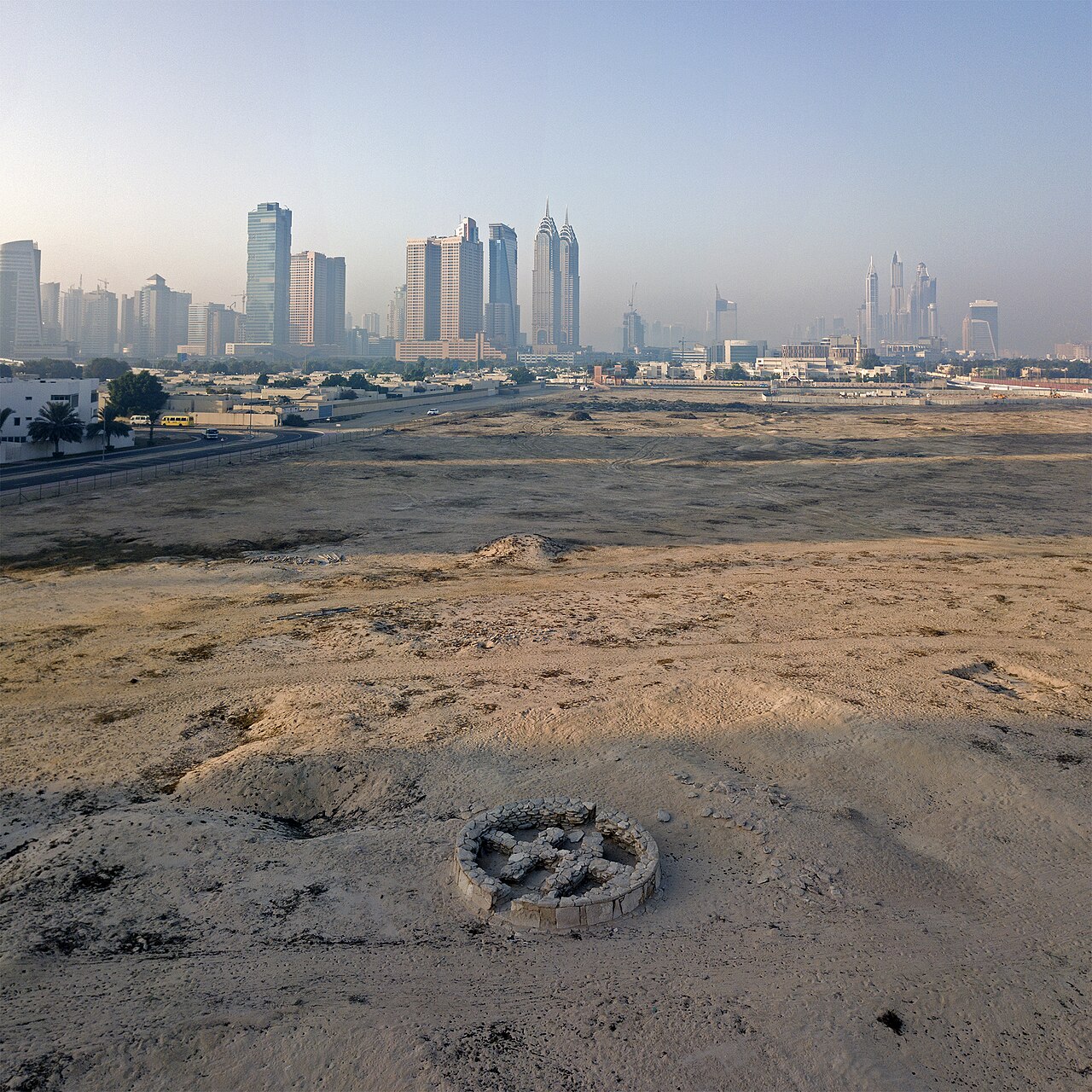
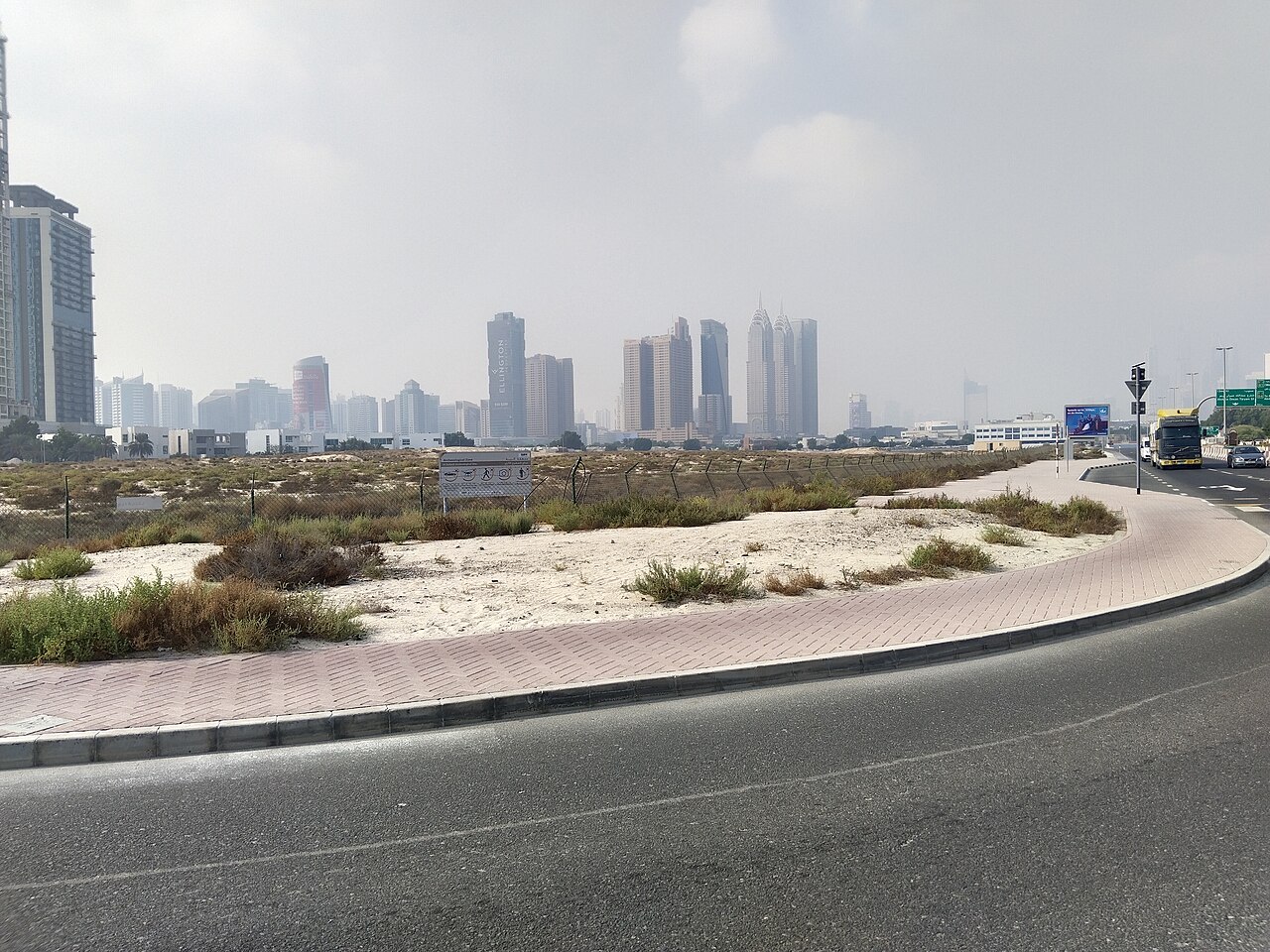
Al Sufouh Archaeological Site is a heritage location in western Dubai, in the Al Sufouh area near the coastline between Dubai Marina and Palm Jumeirah. Its Arabic name is موقع الصفوح الأثري. The site represents archaeological interest within a heavily developed part of the emirate, giving travellers a way to consider Dubai’s earlier settlement and material heritage alongside its modern coastal districts. Visit with the mindset of exploring a historical location, not a conventional entertainment attraction. Al Sufouh Archaeological Site is an archaeological location in Dubai, United Arab Emirates. The site is known locally as موقع الصفوح الأثري. It represents a place of historical and archaeological significance within the emirate. The area has been identified through OpenStreetMap data and verified through pois.city_place_id matching. Visitors interested in the region's pre-modern settlement patterns and material heritage may find this site relevant. The exact nature and extent of archaeological remains require on-site assessment or official documentation for comprehensive understanding. Visitors should verify current accessibility with Dubai tourism or heritage authorities before travelling.
Checked 2026-08-26 · Source
Al Sufouh is an archaeological location whose interest comes from traces of earlier human activity and the historical landscape of the area. The visible features may be surface remains or other archaeological evidence rather than a fully reconstructed building or large exhibition. Walk slowly and look for how the site sits within western Dubai’s modern surroundings. Any protective boundaries, signs or structures should guide your movement. Leave every fragment, feature and surface deposit exactly where it is. Archaeological sites in this region typically may include structural remains, pottery fragments, or other material culture indicators, but no inventory is confirmed for this location.
Checked 2026-08-26 · Source
Plan a flexible, self-guided stop. Travellers interested in archaeology may spend longer observing surface features and considering the site’s relationship with Al Sufouh, while others may prefer a brief heritage pause within a coastal Dubai itinerary. The location is not described as a large complex with a fixed visitor circuit, so avoid building the day around a timed programme. Combining it with nearby Dubai Marina, Palm Jumeirah or other western-Dubai destinations can make the excursion more varied.
Checked 2026-08-26 · Source
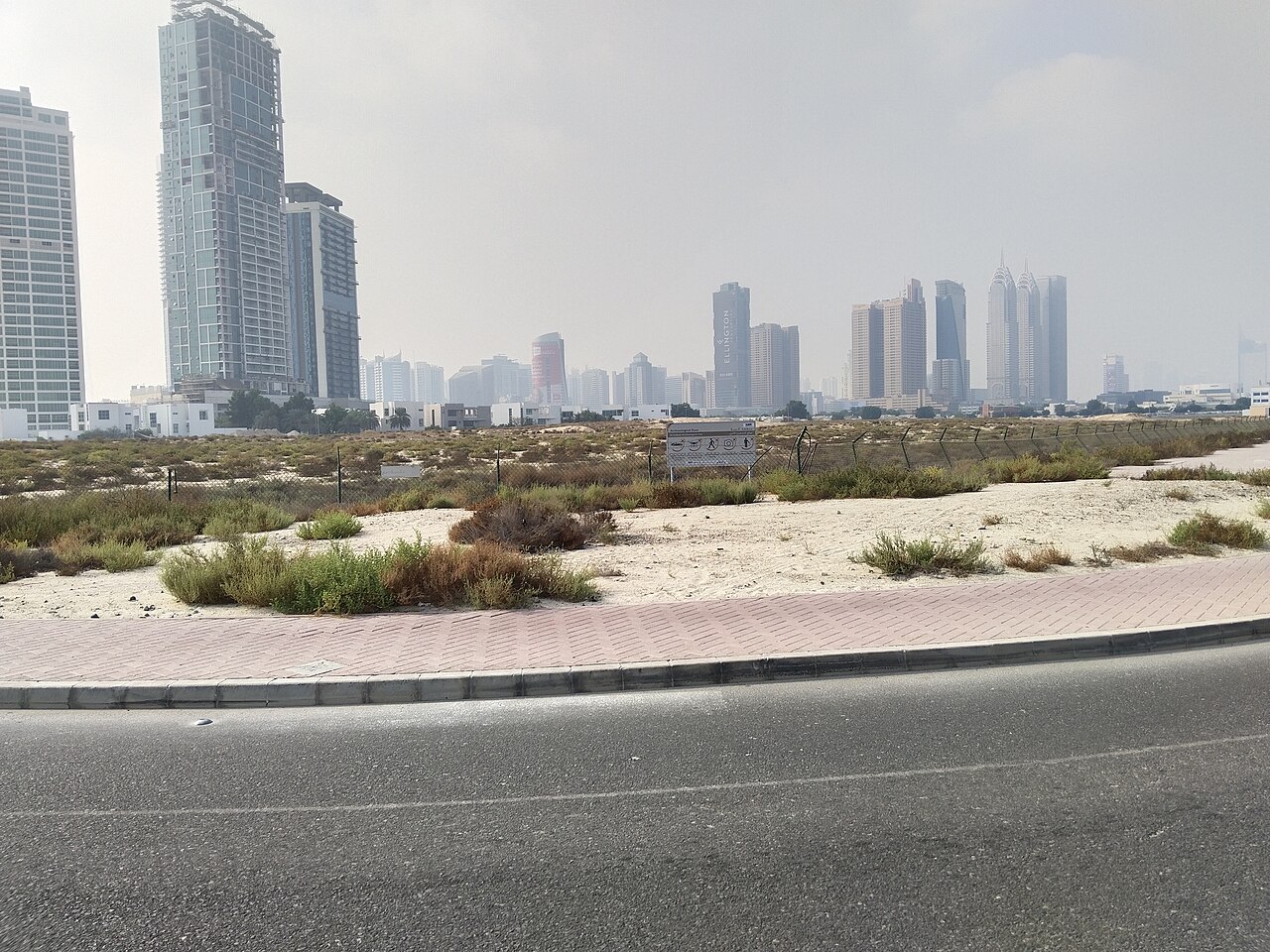
Outdoor conditions matter at Al Sufouh. Dubai’s summer heat can make walking and close observation difficult, while cooler months offer more comfortable conditions. Early morning or late afternoon can reduce the impact of the strongest sun. If you are visiting several western-Dubai destinations, place the archaeological stop at a time when you can observe the ground carefully rather than arriving exhausted after a long day outdoors. Water, sun protection and sensible clothing are particularly useful for this setting.
Checked 2026-08-26 · Source
Treat Al Sufouh as an archaeological heritage stop rather than planning around a conventional ticket counter. Keep your day adaptable to the access arrangements operating at the location. Do not handle remains, cross protective boundaries or enter areas marked for preservation. The site’s value is its archaeological character within modern Dubai, so a respectful visit depends more on careful observation and protection of the setting than on a formal entertainment programme or a fixed sequence of paid activities.
Checked 2026-08-26 · Source
Al Sufouh is in western Dubai, near the coastline between Dubai Marina and Palm Jumeirah. The broader area is served by Dubai’s roads, taxis, ride-hailing services and public transport, including metro and buses. Use the mapped OSM location to identify the archaeological site itself, since reaching the district is not the same as reaching the heritage location. Plan the last part of the route carefully and avoid stopping where vehicles or nearby access points could be obstructed.
Checked 2026-08-26 · Source
Expect an archaeological setting rather than a fully equipped attraction. Uneven ground, loose surfaces and unmarked changes in level can make walking difficult, especially for elderly visitors or anyone with limited mobility. Dubai’s heat requires water, shade planning and sun protection. Children should stay close to adults around exposed features. Do not disturb surface material or cross any barrier. A cautious pace protects both you and the archaeological setting, particularly where visitor infrastructure is limited.
Checked 2026-08-26 · Source
Use photography to record the site’s relationship with Al Sufouh, Dubai Marina and the surrounding coastal cityscape, while keeping the archaeological remains protected. Stay outside barriers and never move material to improve a composition. Ordinary personal photographs should be discreet. Professional equipment, commercial use and drone flights involve responsibilities beyond a normal visitor photograph, particularly in a heritage setting. Follow instructions from any responsible personnel and give conservation priority over close-up images or elaborate setups.
Checked 2026-08-26 · Source
It is in western Dubai’s Al Sufouh area, near the coastline between Dubai Marina and Palm Jumeirah.
It is an archaeological heritage location representing earlier human activity within a modern western-Dubai coastal district.
Cooler months and early morning or late afternoon offer more comfortable conditions than Dubai’s strongest summer and midday heat.
The broader area is served by roads, taxis, ride-hailing, Dubai Metro and buses. Use the mapped OSM location for the exact site.
Watch for uneven or loose ground, exposed features and protective boundaries. Wear stable footwear and keep children close to adults.
No. Do not remove, move or disturb surface material, remains or protected features during your visit.
Loading the interactive map…
The interactive map could not be loaded.
Last updated:
Source: OpenStreetMap contributors, Wikidata ·