2 min walk
Al Sufouh Archaeological Site
- Must see
- Historic monument
Historic monument · Dubai
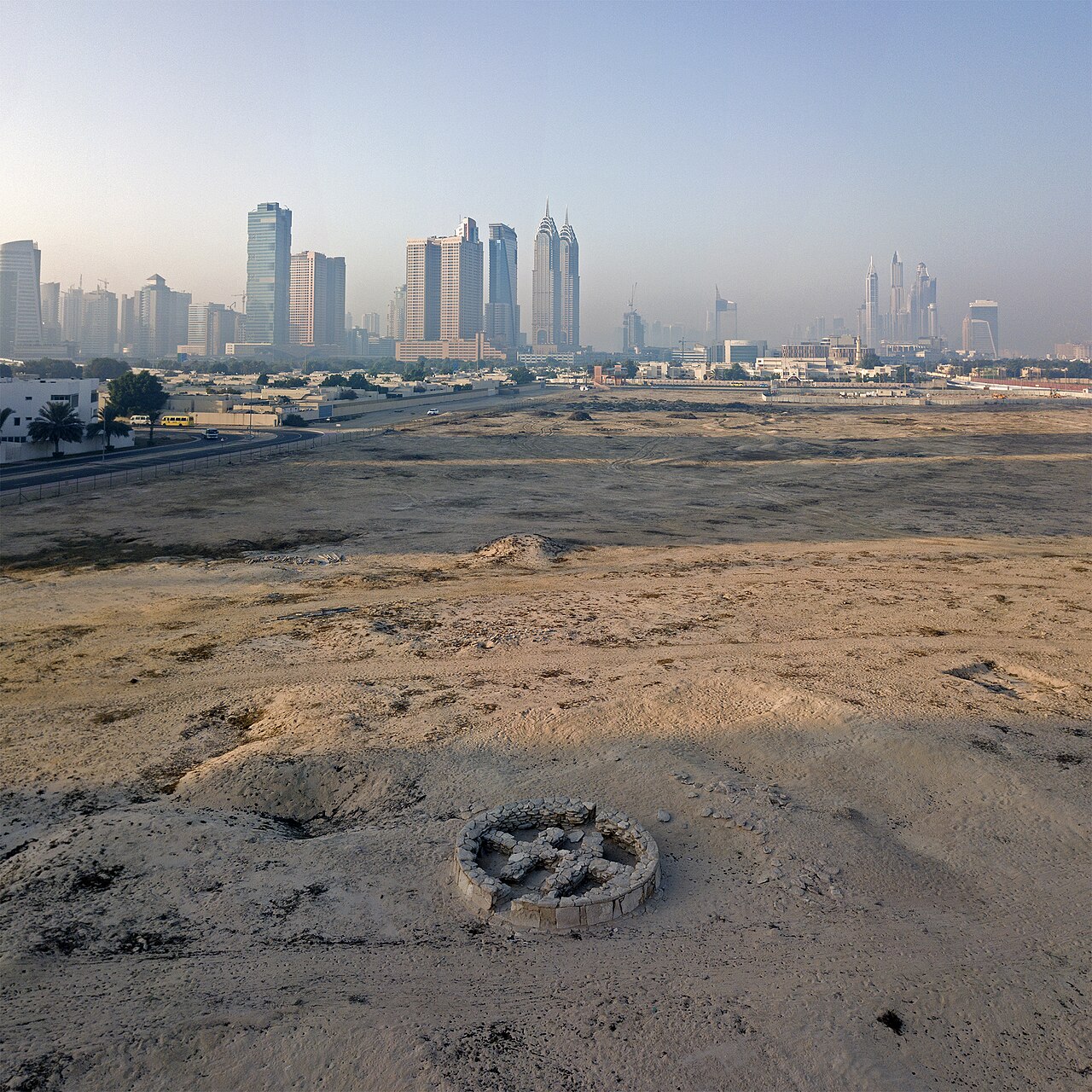
Al Sufouh Umm an-Nar Tomb is a Bronze Age burial monument in Dubai’s Al Sufouh area. The tomb belongs to the Umm an-Nar cultural tradition, which flourished in the third millennium BCE around the Arabian Gulf. This compact archaeological landmark offers a rare glimpse of Dubai before its modern skyline, roads and resorts. The stone structure connects the coastal landscape with a much older period of settlement, trade and funerary practice. Visit for the monument itself and for the contrast between ancient archaeology and contemporary Dubai surrounding it. Al Sufouh Umm an-Nar Tomb is an archaeological burial site located in the Al Sufouh area of Dubai, United Arab Emirates. It represents a significant remnant of the Umm an-Nar culture, a Bronze Age civilization that flourished in the region during the third millennium BCE.
Checked 2026-08-26 · Source
The main feature is the surviving stone tomb, built in the architectural tradition associated with Umm an-Nar burials. Circular forms and substantial stonework are characteristic of this period, when communal tombs served more than one burial. The site is valued for its archaeological fabric rather than for a large visitor complex. Read the monument from the outside, study the arrangement of the stones and consider how different the Al Sufouh setting would have been during the Bronze Age. The tomb is a focused heritage stop, not a museum with galleries or extensive exhibits.
Checked 2026-08-26 · Source
Allow about thirty minutes to one hour for Al Sufouh Umm an-Nar Tomb. That gives enough time to reach the monument, examine the surviving masonry and take photographs from respectful viewpoints. Visitors with a strong interest in Arabian prehistory can spend longer looking at the construction and placing the tomb within the wider story of Bronze Age communities around the Gulf. The site itself is compact, so a longer stay is best combined with another Al Sufouh stop rather than reserved solely for walking around the monument.
Checked 2026-08-26 · Source
The most comfortable season for an outdoor visit is Dubai’s cooler period from November through March. During hotter months, plan the tomb as a short stop and avoid the strongest midday sun. Early morning and late afternoon provide more manageable conditions for standing outdoors and examining the stonework. The archaeological setting benefits from calm, unhurried viewing because the monument is small and details are easy to miss. Treat the tomb as a heritage visit within an Al Sufouh route, allowing time for the surrounding modern landscape as well as the ancient structure.
Checked 2026-08-26 · Source
Plan the visit around the visible monument and do not build a paid attraction budget around this stop. The tomb’s value comes from its surviving Bronze Age structure and its setting in Al Sufouh. If the site is included in a broader heritage programme, that programme may have its own arrangements, but no such arrangement is stated for the tomb itself.
Checked 2026-08-26 · Source
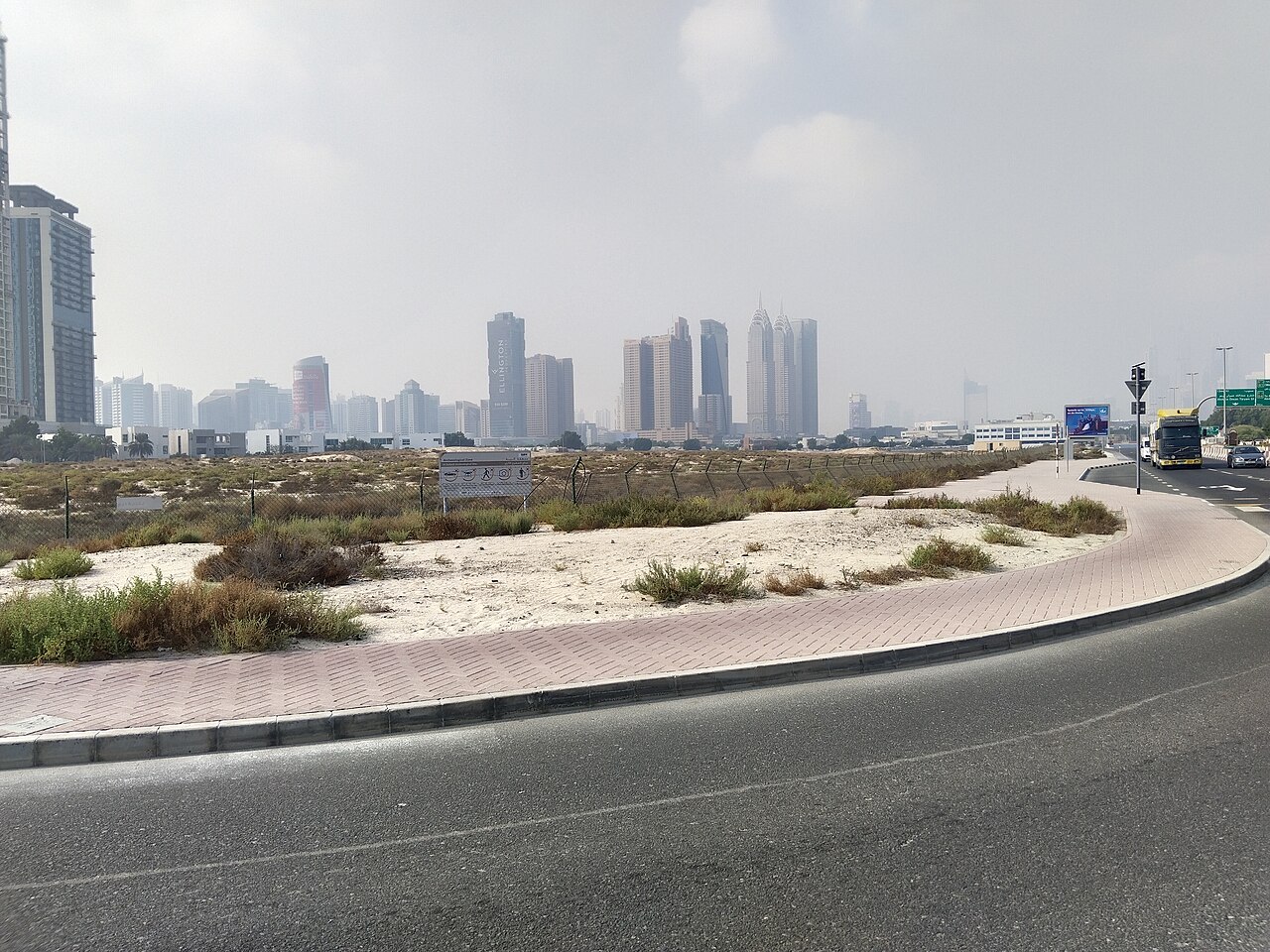
Al Sufouh Umm an-Nar Tomb is in Dubai’s Al Sufouh district, between the modern areas associated with Dubai Marina and Palm Jumeirah. Use the mapped OpenStreetMap location for the final approach, since the monument may be easy to overlook among newer development. A private vehicle, taxi or ride-hailing car is practical for reaching this part of Dubai. Build in time for the last part of the journey and keep the map location available.
Checked 2026-08-26 · Source
Al Sufouh Umm an-Nar Tomb is a burial monument, so treat the site with quiet respect. Do not climb on the stones, move pieces of masonry or touch anything that may form part of the archaeological remains. The outdoor setting can be hot and exposed; carry drinking water, use sun protection and wear shoes suitable for uneven ground. Keep children close to the monument. Leave any object found at the site in place. The compact stop has a different character from Dubai’s staffed attractions, so prepare for a simple archaeological visit focused on observation.
Checked 2026-08-26 · Source
The tomb offers a strong subject for close architectural photographs, especially views that show the stone construction against Al Sufouh’s modern surroundings. Photograph from ground level and keep equipment clear of the monument. Avoid climbing, leaning on the masonry or repositioning stones for a better frame. Morning and late-afternoon light can give the rough stonework more definition while reducing glare. Keep personal photography unobtrusive and respect any sign or barrier present at the site. The most useful images explain the contrast between Bronze Age remains and present-day Dubai.
Checked 2026-08-26 · Source
It is a Bronze Age burial monument in Dubai’s Al Sufouh area, associated with the Umm an-Nar cultural tradition of the third millennium BCE.
The tomb belongs to the Umm an-Nar culture, a Bronze Age tradition that flourished during the third millennium BCE.
The visit centres on the surviving stone burial structure and its archaeological setting in Al Sufouh.
Allow approximately thirty minutes to one hour to reach the monument, examine the stonework and take photographs respectfully.
Bring drinking water, sun protection and shoes suitable for an outdoor archaeological site with potentially uneven ground.
The tomb is in Dubai’s Al Sufouh district, between the areas associated with Dubai Marina and Palm Jumeirah.
Loading the interactive map…
The interactive map could not be loaded.
Last updated:
Source: OpenStreetMap contributors ·