
17 min walk
Safa Park
- Must see
- Nature site
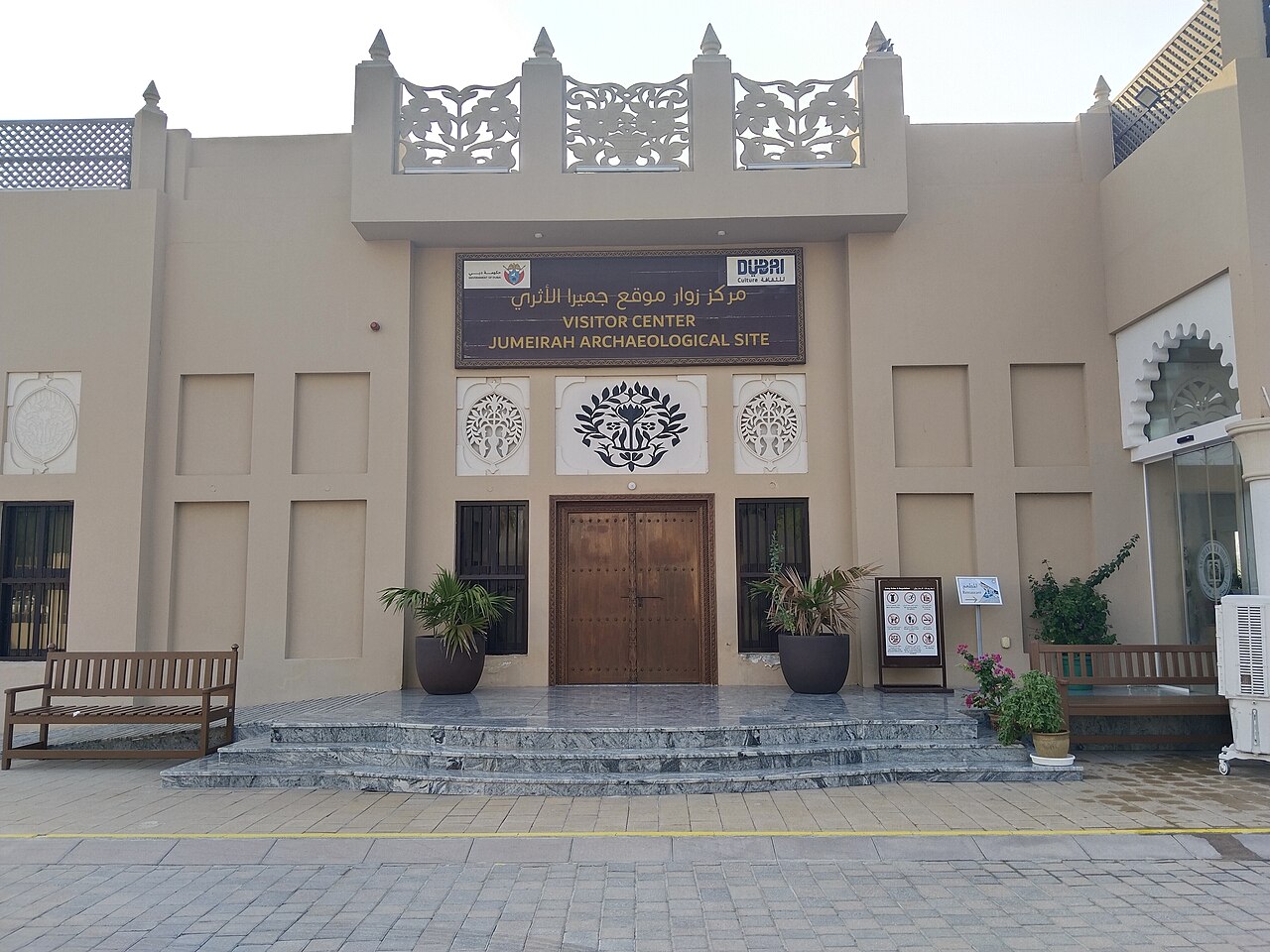
Historic monument · Dubai
موقع جميرا الأثري
Jumeirah Archaeological Site is a place of archaeological and historical interest in Dubai’s Jumeirah area. It represents evidence of past human activity and settlement within a district now known for modern urban development. The site offers a different perspective on Dubai, shifting attention from contemporary buildings and coastal attractions to the region’s earlier occupation. Its Arabic name is موقع جميرا الأثري. Approach it as a heritage location where the significance lies in preserved archaeological remains and their setting. Jumeirah Archaeological Site is an archaeological location in Dubai, United Arab Emirates. The local name is موقع جميرا الأثري. It represents a place of historical and archaeological interest within the emirate. As an archaeological site, it preserves remnants of past human activity and settlement in the Jumeirah area. Visitors interested in the region's deeper history beyond modern development may find this location noteworthy. The site contributes to understanding pre-modern occupation patterns in coastal Dubai.
Checked 2026-08-26 · Source
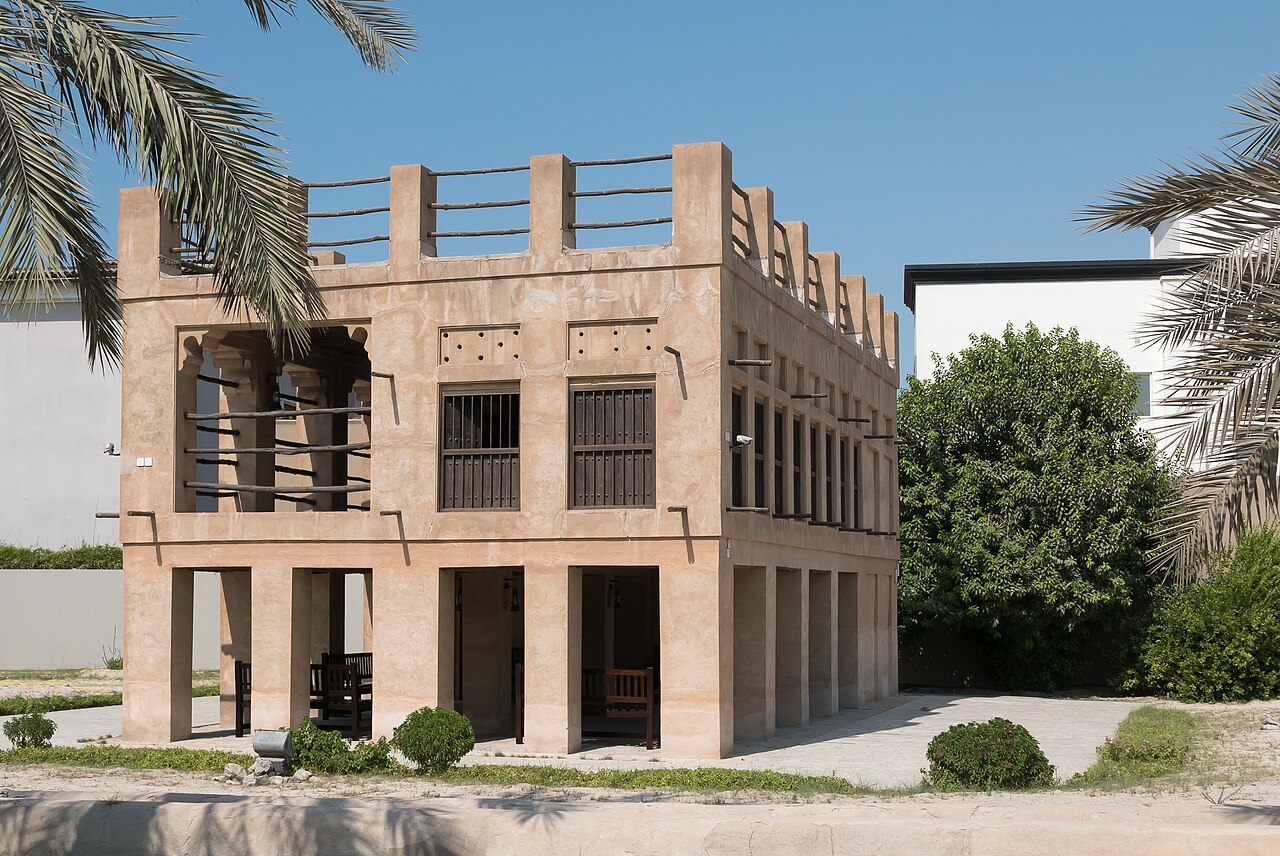
The site is an archaeological location rather than a conventional gallery. The visible experience may focus on remains, traces of earlier settlement and the relationship between the site and the surrounding Jumeirah landscape. Archaeological features can be subtle, so attentive observation matters more than expecting large restored buildings. Stay within any marked boundaries and give protective structures, barriers or explanatory material priority if they are present. The value of the visit comes from reading the place as evidence of earlier life. Archaeological sites in this region typically may include foundations, pottery fragments, or other material culture evidence, but no such details are confirmed here.
Checked 2026-08-26 · Source
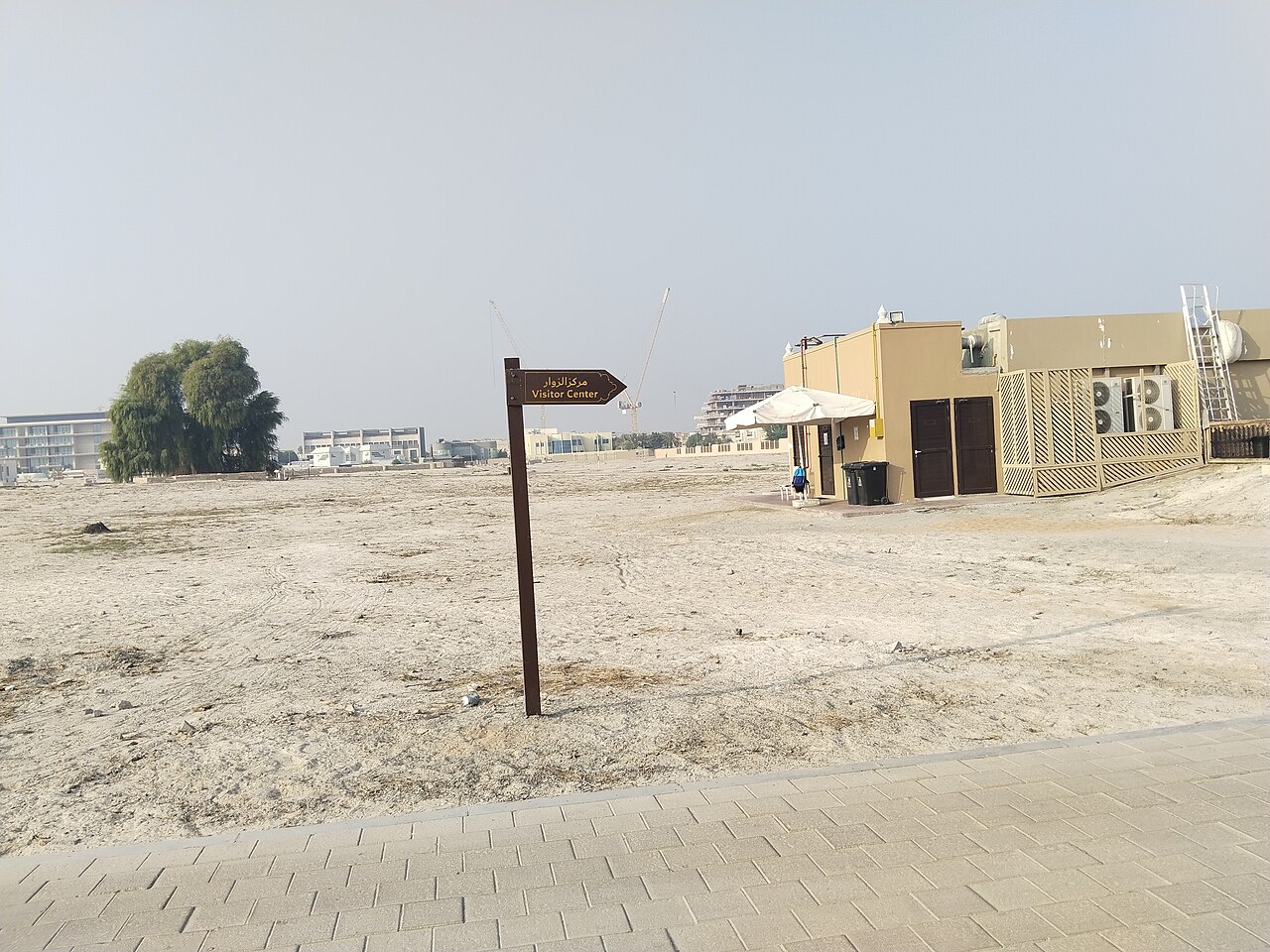
A short visit can suit travellers who want to see the location and understand its role in Jumeirah’s history. Visitors with a strong interest in archaeology may spend longer examining ground features and interpreting the setting. Because the site is not described as a large museum complex, plan for flexible self-guided exploration rather than a fixed sequence of rooms. The visit also fits naturally beside other Jumeirah stops, allowing the archaeological location to complement a broader district itinerary.
Checked 2026-08-26 · Source
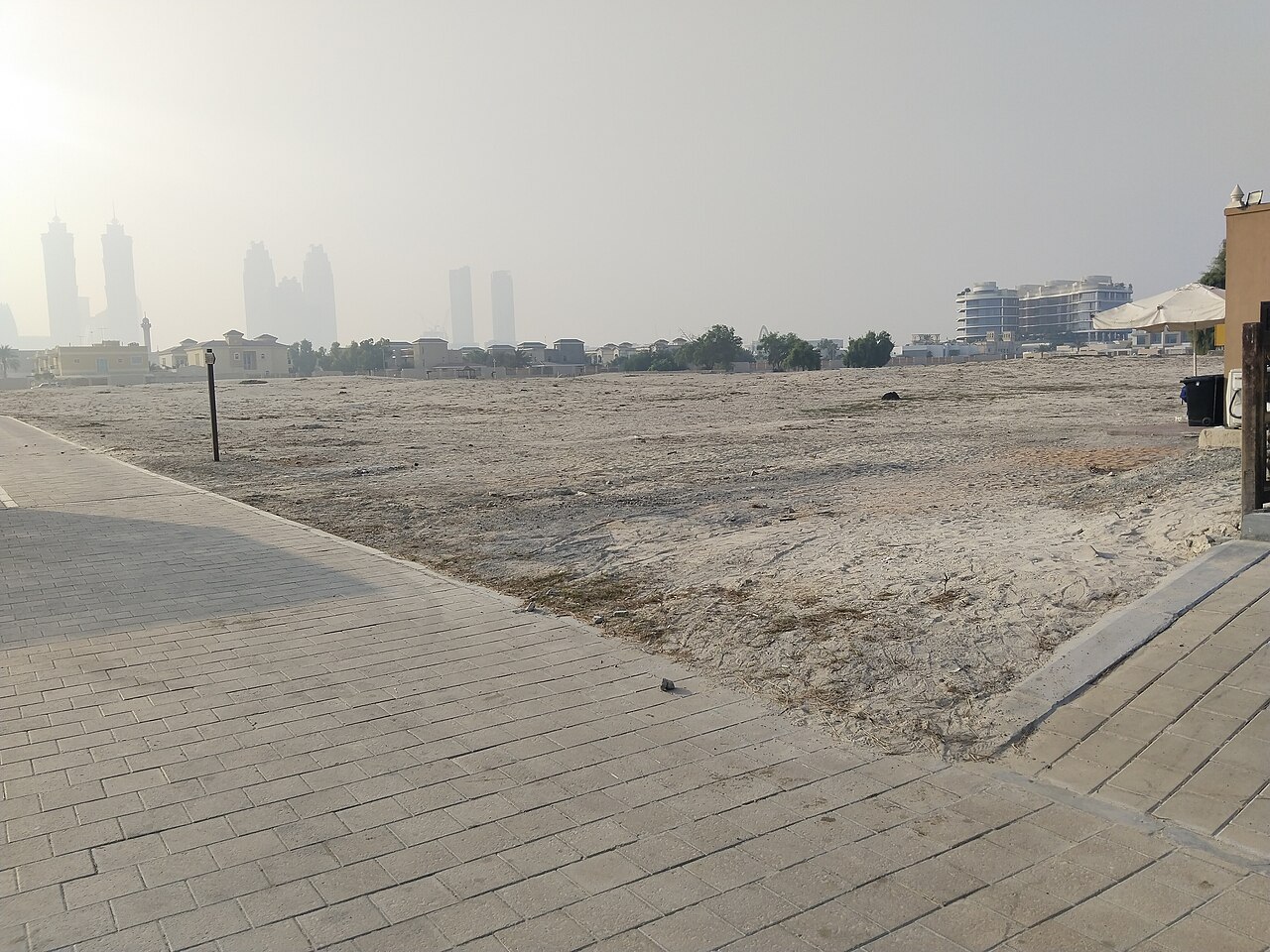
Jumeirah’s outdoor setting makes weather an important part of the experience. Dubai’s summer heat can make archaeological observation uncomfortable, while cooler months offer more pleasant conditions for walking and looking closely at remains. Early morning or late afternoon can reduce exposure to the strongest midday sun. Build the site into a day when you can move at an unhurried pace, especially if you want to combine it with other places in Jumeirah rather than rush through the heritage stop.
Checked 2026-08-26 · Source
Jumeirah Archaeological Site is a heritage location, so the visit should be planned around the character of an archaeological stop rather than a guaranteed ticketed exhibition. Keep your day flexible for the access arrangements in force when you arrive. Do not budget around a specific fee or guided programme unless the site’s own arrangements provide one. The important preparation is to treat the remains respectfully, follow any local instructions and avoid entering protected areas or handling archaeological material.
Checked 2026-08-26 · Source
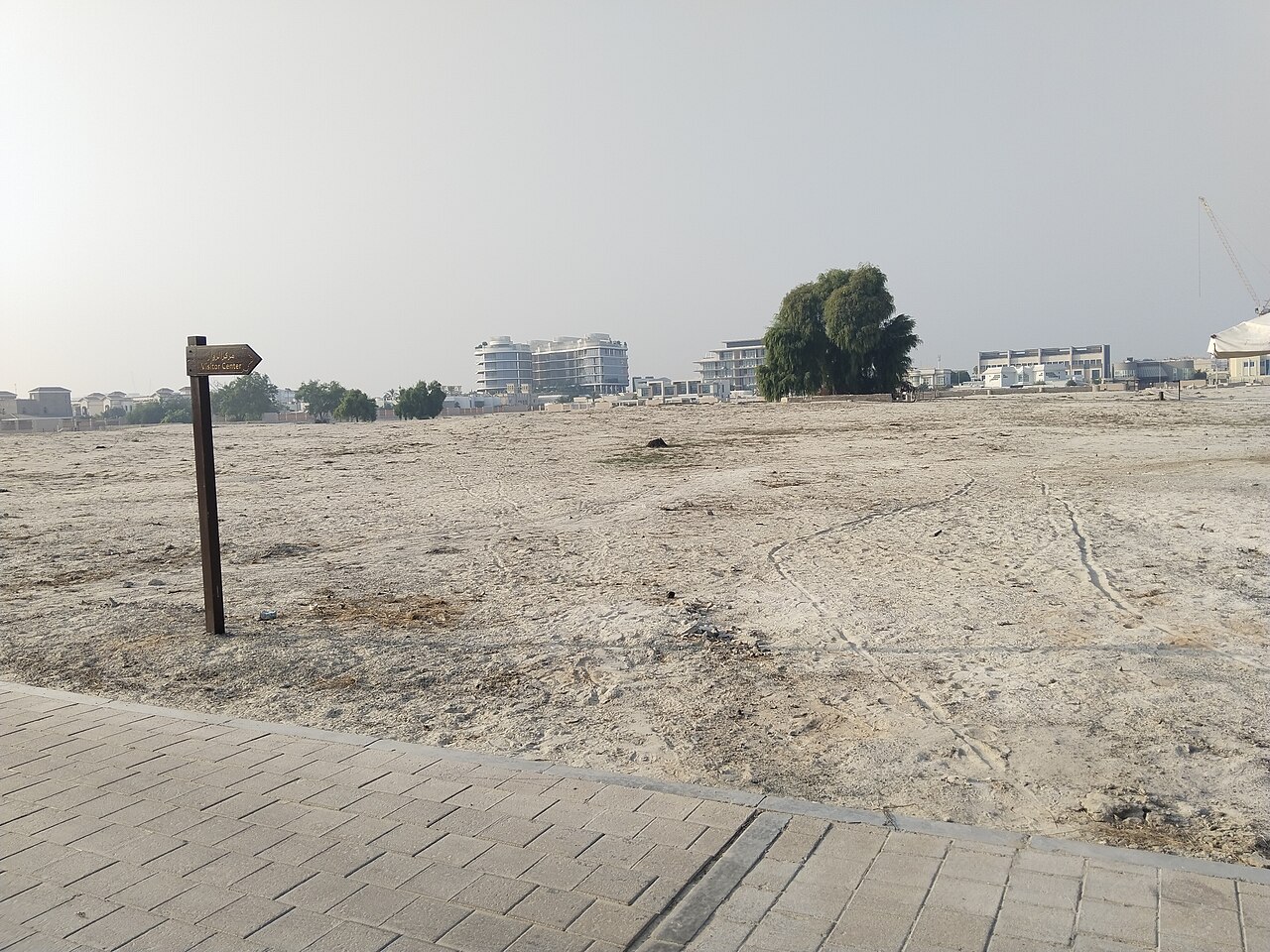
The site lies in the Jumeirah area of Dubai, a coastal urban district between well-known city destinations. Use the mapped OpenStreetMap location for navigation and plan the final approach carefully, since the heritage site is distinct from the broader Jumeirah neighbourhood. Taxi, ride-hailing and private vehicles can serve the general district. Dubai’s road network is extensive, but the archaeological location should remain the specific destination in your route rather than relying on a nearby landmark alone.
Checked 2026-08-26 · Source
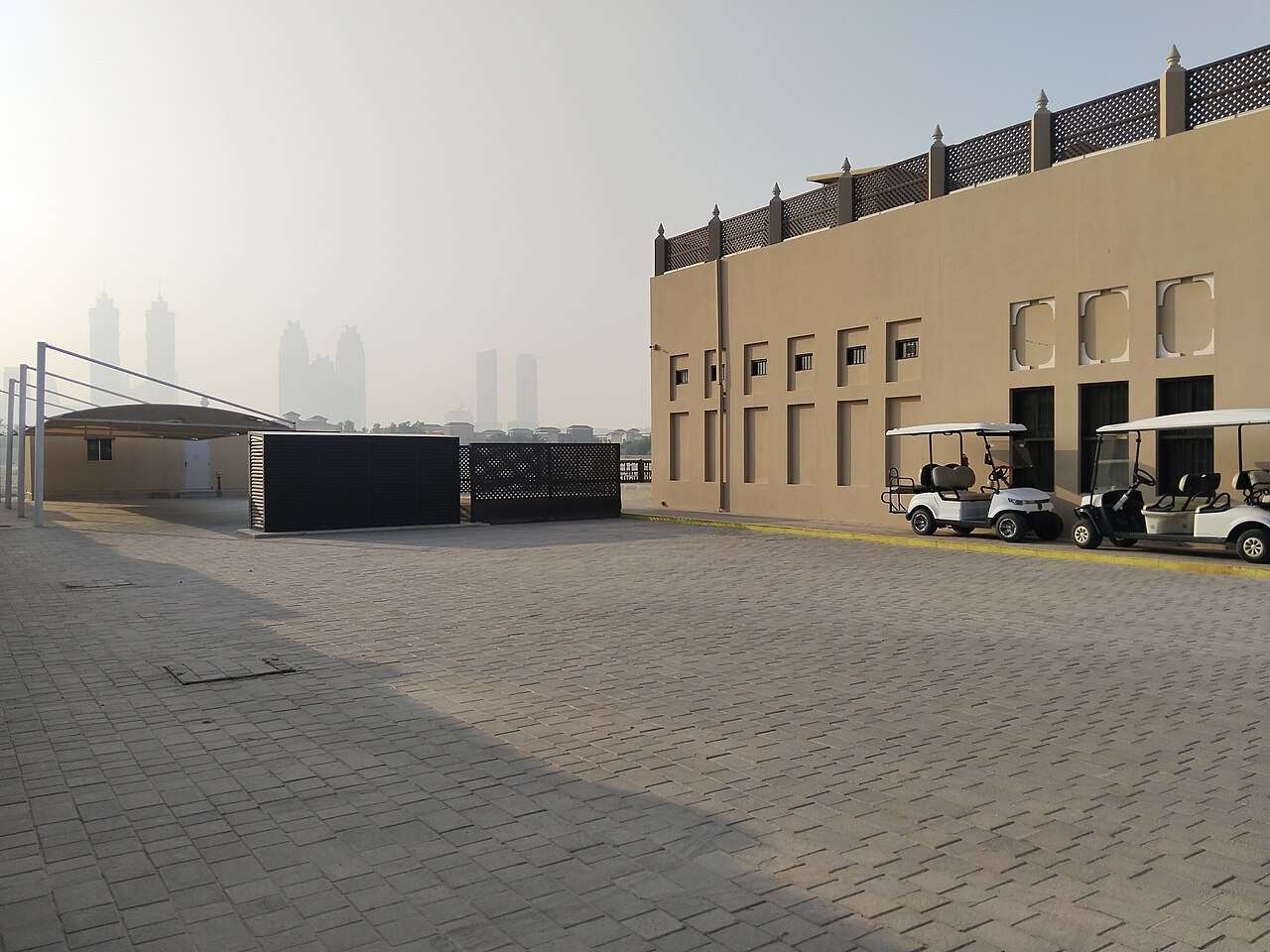
Expect the practical conditions of an archaeological location: uneven ground, exposed features and boundaries that protect remains. Wear stable footwear and supervise children around any changes in level. Dubai’s heat and bright sun make water, sun protection and sensible clothing important for outdoor observation. Never remove, touch or rearrange material from the site. Treat barriers and instructions as part of the heritage setting, not as obstacles to bypass. Move carefully so your visit leaves the location undisturbed for others.
Checked 2026-08-26 · Source
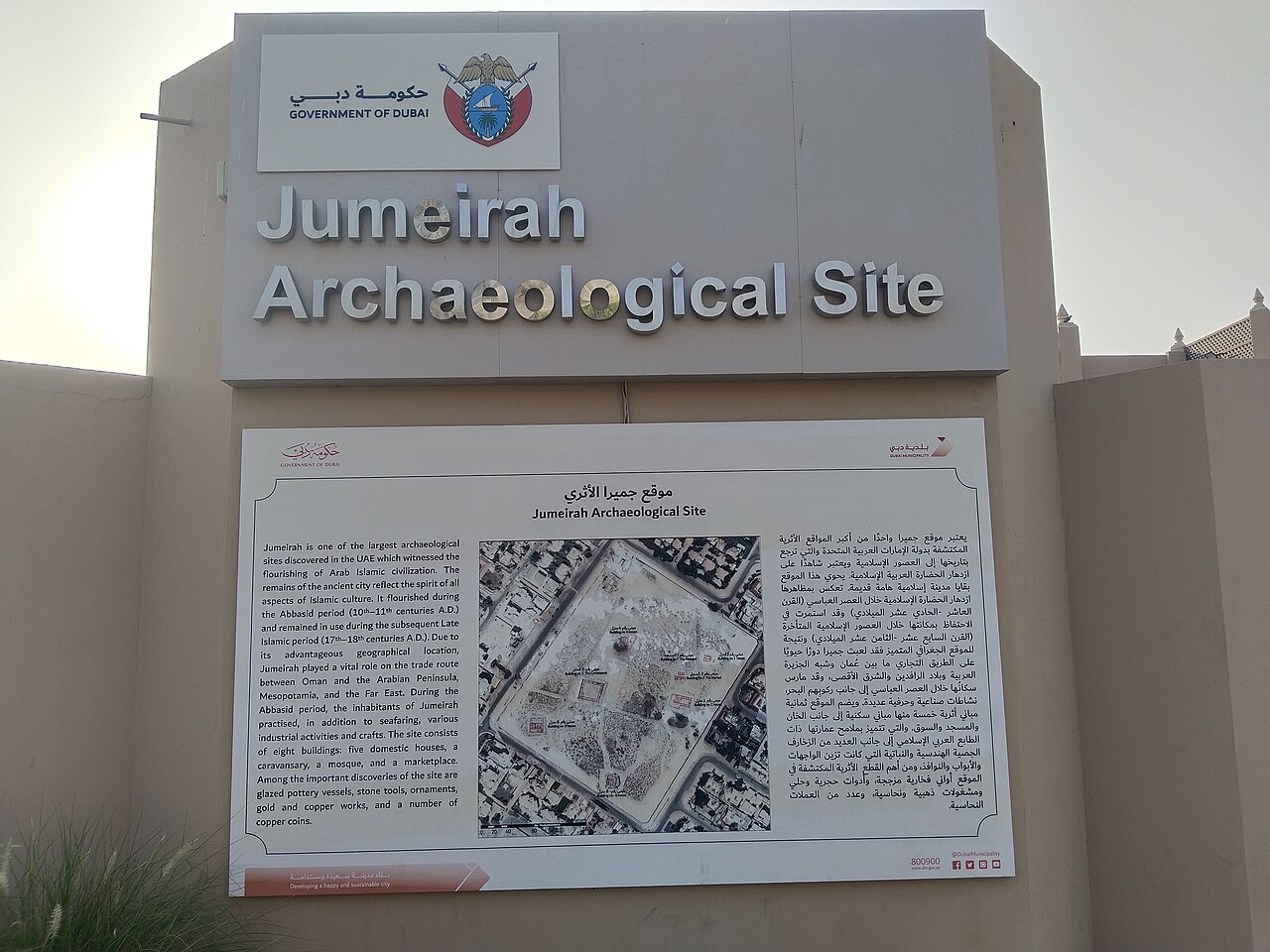
Photography can help you remember the relationship between the archaeological remains and the Jumeirah setting. Frame the site without stepping over barriers or approaching fragile features. Follow any instructions displayed at the location, and keep equipment from obstructing other visitors. Personal images should not disturb the heritage environment. If you plan commercial publication, professional production or drone use, treat those activities separately from ordinary visitor photography and obtain the permissions required by the responsible authorities.
Checked 2026-08-26 · Source
It is an archaeological heritage location in Dubai’s Jumeirah area, preserving evidence of earlier human activity and settlement.
Expect a heritage stop focused on archaeological remains and their setting, rather than a large museum with a conventional gallery circuit.
Cooler months and the early morning or late afternoon are more comfortable than Dubai’s strongest summer and midday heat.
Wear stable footwear and clothing suitable for sun exposure. Water and sun protection are useful for an outdoor archaeological visit.
No. Remain within permitted areas and leave all archaeological material, structural remains and protective boundaries undisturbed.
Pair it with other places in Jumeirah so the archaeological stop adds historical depth to a wider district itinerary.
Loading the interactive map…
The interactive map could not be loaded.
Last updated:
Source: OpenStreetMap contributors, Wikidata ·


.jpg)